
Béqaa
· LB

Béqaa

Béqaa, Lebanon

Discover the Bekaa Valley: Lebanon's Ancient Breadbasket Escape the ordinary and step into the heart of Lebanon's history and bounty - the Bekaa Valley. This fertile valley, nestled between mountain ranges, offers a cap…

#Middle East#Lebanon#Agricultural region#Wine production#Historical sites
1/1

Top hotels & flights

Hand-picked stays and the best fares into Béqaa.

Top Hotels in Béqaa

Top Flights to Béqaa

Popular activities

Tours, tickets and experiences travelers book most in Béqaa.

Tours

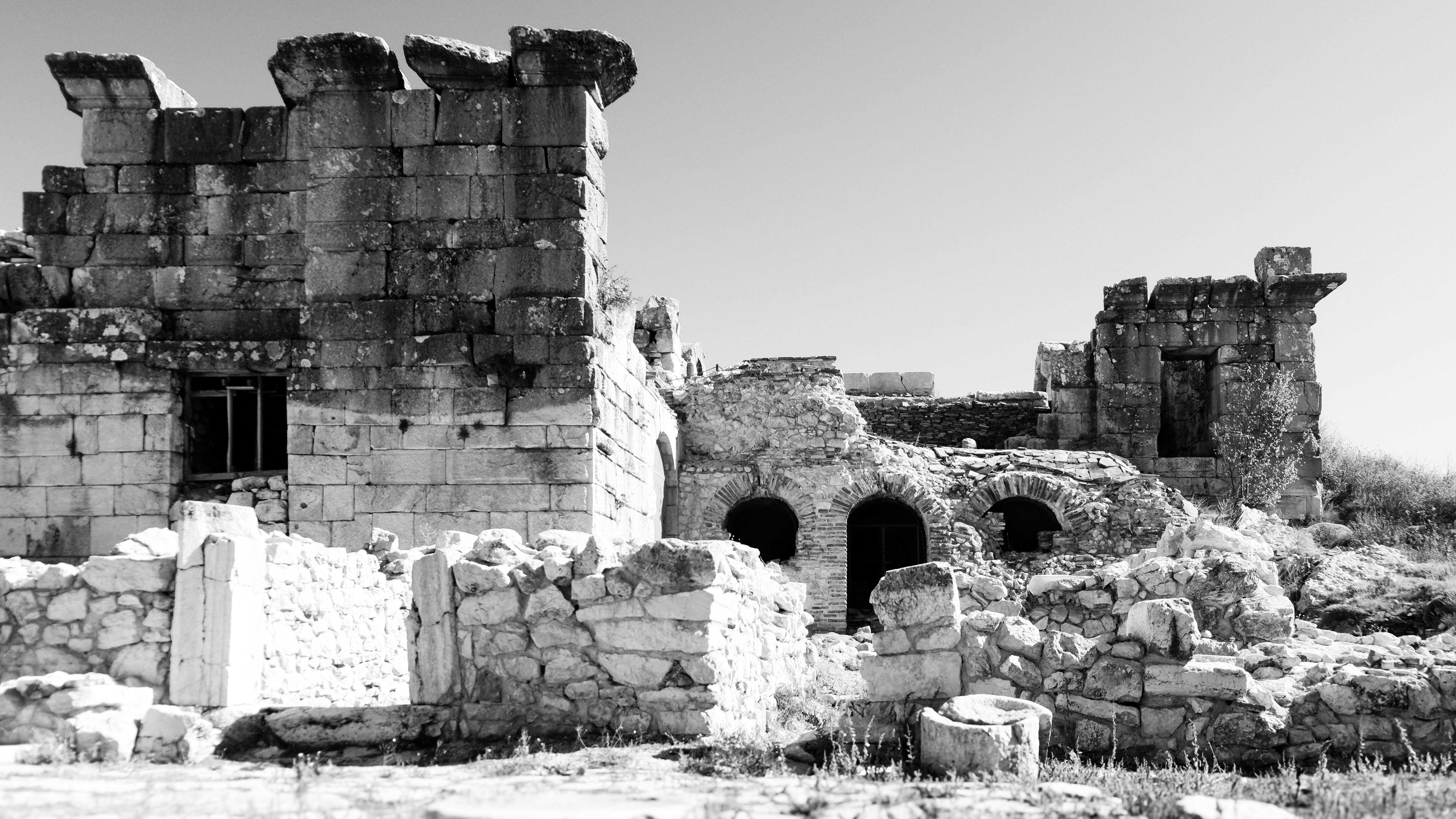
Ancient Ruins of Anjar

Explore the well-preserved ruins of an Umayyad city, showcasing impressive architecture and historical significance.

Baalbek Temples

Discover the monumental Baalbek temples, a UNESCO World Heritage site, known for its grand structures and historical importance.

Beqaa Culinary Tour

Enjoy the rich culinary traditions of the Béqaa region with a guided food tour through local markets and restaurants.

Al Shouf Cedar Nature Reserve

Explore the largest nature reserve in Lebanon, offering trails and rich biodiversity, including the famous cedar trees.

Deir el Ahmar Festival

An annual cultural festival celebrating local traditions with music, dance, and food.

Shopping

Beqaa Valley Shopping Spree

Shop for unique local crafts and goods in the bustling markets of Béqaa Valley.

Outdoor

Wine Tasting in the Vineyards

Visit the scenic vineyards in the Béqaa Valley and enjoy wine tasting tours at renowned wineries.

Farmaway Farm Experience

Experience rural farm life by visiting a local farm where you can participate in agricultural activities and enjoy fresh farm produce.

Béqaa Hiking Adventure

Experience the beauty of the Béqaa Valley through an invigorating hiking expedition across various trails.

Four Seasons Adventure Park

An adventure park offering a variety of thrilling outdoor activities for all ages.

Location videos

Real reels from travelers, plus longer watches to get the full picture.

Watch & explore

Practical info

The essentials for planning your time in Béqaa.

Currency
£L | LBP | Lebanese Pound
Population
Not Available
Languages
Arabic, French, English

Local guide

What travelers love, what to watch for, and a deeper read on Béqaa.

What people love

Béqaa Valley in Lebanon offers a unique travel experience with its rich history, stunning landscapes, and delicious cuisine. Here are some pros of traveling to Béqaa:

  1. Historical Sites: Béqaa Valley is home to several ancient Roman ruins, including the Roman temples of Baalbek, which are a UNESCO World Heritage Site. These well-preserved ruins offer a glimpse into Lebanon's ancient past and are a must-visit for history enthusiasts.

  2. Wine Tasting: Béqaa Valley is known for its vineyards and wineries, producing some of Lebanon's finest wines. Travelers can enjoy wine tasting tours and learn about the winemaking process while enjoying the picturesque views of the valley.

  3. Outdoor Activities: The valley offers various outdoor activities such as hiking, biking, and exploring the natural landscapes. Visitors can go on scenic hikes, explore the Qaraoun Lake, or visit the majestic waterfalls in the area.

  4. Culinary Delights: Béqaa Valley is renowned for its delicious Lebanese cuisine, with many restaurants offering authentic dishes made from fresh, local ingredients. Travelers can indulge in traditional Lebanese mezze, kebabs, and sweets while enjoying the valley's serene surroundings.

  5. Hospitality: The people of Béqaa are known for their warm hospitality and welcoming nature. Travelers can immerse themselves in the local culture, interact with locals, and experience genuine Lebanese hospitality during their stay in Béqaa.

Overall, traveling to Béqaa Valley in Lebanon offers a perfect blend of history, culture, nature, and gastronomy, making it an ideal destination for a memorable vacation.

What to know

The Beqaa Valley in Lebanon is a beautiful and historically significant region, but like any travel destination, it does have some potential cons to consider:

  1. Security Concerns: Lebanon has experienced political instability and occasional security incidents in the past. While the situation has improved in recent years, travelers should stay informed about the current political climate and any potential risks before visiting the Beqaa Valley.

  2. Traffic and Road Conditions: The roads in Lebanon, including those in the Beqaa Valley, can be narrow, winding, and poorly maintained in some areas. Traffic congestion is also a common issue, especially in urban areas like Zahle. Visitors should exercise caution while driving and be prepared for delays.

  3. Language Barrier: While many people in Lebanon, especially in tourist areas, speak English or French, language barriers can still be a challenge for some travelers. It may be helpful to learn a few basic Arabic phrases or consider hiring a local guide to assist with communication.

  4. Cultural Sensitivities: Lebanon is a conservative country with a predominantly Muslim population, and visitors should be respectful of local customs and traditions. Dress modestly, especially when visiting religious sites, and be mindful of social norms regarding behavior, alcohol consumption, and public displays of affection.

  5. Limited Public Transportation: Public transportation options in the Beqaa Valley and Lebanon as a whole are limited, with unreliable bus services and few train connections. Renting a car or hiring a private driver may be necessary for getting around the region.

  6. Potential for Unrest: While the Beqaa Valley is not typically a hotspot for unrest, travelers should stay informed about any potential protests or demonstrations in Lebanon and avoid participating in or approaching any such events.

It's always a good idea to research and stay updated on the current situation in a destination before traveling there. If you have specific concerns or questions about travel to the Beqaa Valley, consider reaching out to local authorities or official tourism sources for the most up-to-date information.

Béqaa, also known as the Bekaa Valley, is a fertile valley located in eastern Lebanon, situated between the Mount Lebanon range to the west and the Anti-Lebanon Mountains to the east. It is one of the country's most important agricultural regions and has a rich history that dates back thousands of years.

Historical Overview

  • Ancient History: The Bekaa Valley has been inhabited since ancient times. It was part of the land of Canaan and later came under the control of various empires, including the Egyptians, Hittites, and Assyrians. The valley's fertile lands made it a prized possession for ancient civilizations.

  • Roman Era: During the Roman Empire, the Bekaa Valley was an important region, and the city of Heliopolis (modern-day Baalbek) became a major religious and commercial center. The Romans constructed some of their largest temples here, which remain as significant archaeological sites.

  • Islamic Period: After the Islamic conquests in the 7th century, the Bekaa Valley became part of the Umayyad and later the Abbasid Caliphates. The valley continued to be an important agricultural hub and saw the construction of several mosques and fortresses.

  • Ottoman Period: The Bekaa Valley came under Ottoman control in the early 16th century. During this time, the valley served as a crucial stop along trade routes and witnessed the construction of infrastructure such as roads and caravanserais.

  • Modern History: In the 20th century, the Bekaa Valley played a significant role in the formation of modern Lebanon. It became a strategic location during the Lebanese Civil War (1975-1990) and has been affected by regional conflicts.

Significant Events

  • Lebanese Civil War: The Bekaa Valley was a major battleground during the Lebanese Civil War, with various factions vying for control of the region due to its strategic importance.

  • Syrian Influence: For many years, the Syrian military presence in the Bekaa Valley was significant, influencing local politics and security.

Important Landmarks

  • Baalbek: Known for its well-preserved Roman ruins, including the Temple of Bacchus and the Temple of Jupiter. Baalbek is a UNESCO World Heritage site and a major tourist attraction.

  • Anjar: The ruins of the Umayyad city of Anjar, another UNESCO World Heritage site, are located in the Bekaa Valley and provide insight into early Islamic urban planning.

  • Ksara: One of Lebanon’s oldest wineries, located in the Bekaa Valley, reflecting the region's long-standing tradition in viticulture.

  • Zahle: The largest city in the Bekaa Valley, known for its wine production and as a cultural and economic hub of the region.

Notable Historical Figures

  • Jupiter and Bacchus: While not historical figures in the traditional sense, the deities worshipped in the temples of Baalbek reflect the religious significance of the region in ancient times.

The Bekaa Valley's rich history and its role as a cultural and agricultural hub make it an integral part of Lebanon's heritage.