
Lebanon
Country

Lebanon

Lebanon

Lebanon: Where Ancient History Meets Modern Marvels Lebanon, a jewel nestled on the eastern shores of the Mediterranean, is a country of captivating…

#Middle East#Mediterranean#Cultural diversity#Historical sites#Lebanese cuisine

Explore Lebanon

Top cities in Lebanon

Pick a city to open its guide.

See it for yourself

Location videos

Reels and longer watches.

Watch & explore

Good to know

Practical info

Weather, costs and getting around.

Currency
L£ | LBP | Lebanese Pound Lebanese Republic
Population
The approximate estimated total population of Lebanon is 5.5 million.
Languages
Arabic mainly · French, English, Armenian
Also known as
لبنان, Phoenicia, Lubnān, Greater Lebanon, Mount Lebanon

Know before you go

Local guide

A deeper read on Lebanon.

What people love

Lebanon is a beautiful country located in the Middle East with a rich history, stunning landscapes, and delicious cuisine. Some of the pros of traveling to Lebanon include:

  1. Rich History: Lebanon is home to ancient ruins, historical sites, and archaeological treasures dating back thousands of years. Visitors can explore sites such as Baalbek, Byblos, and Anjar to learn about the country's fascinating past.

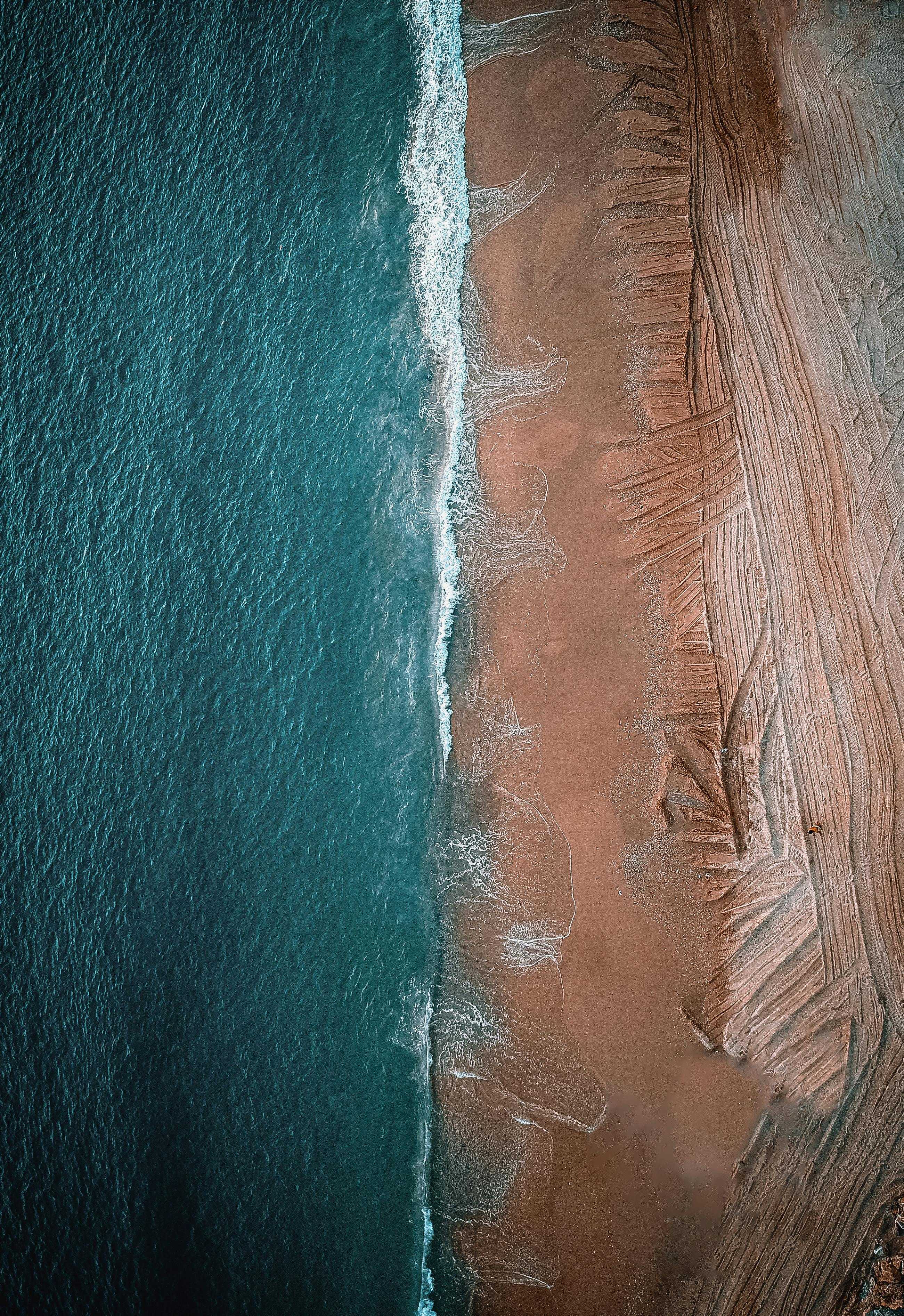
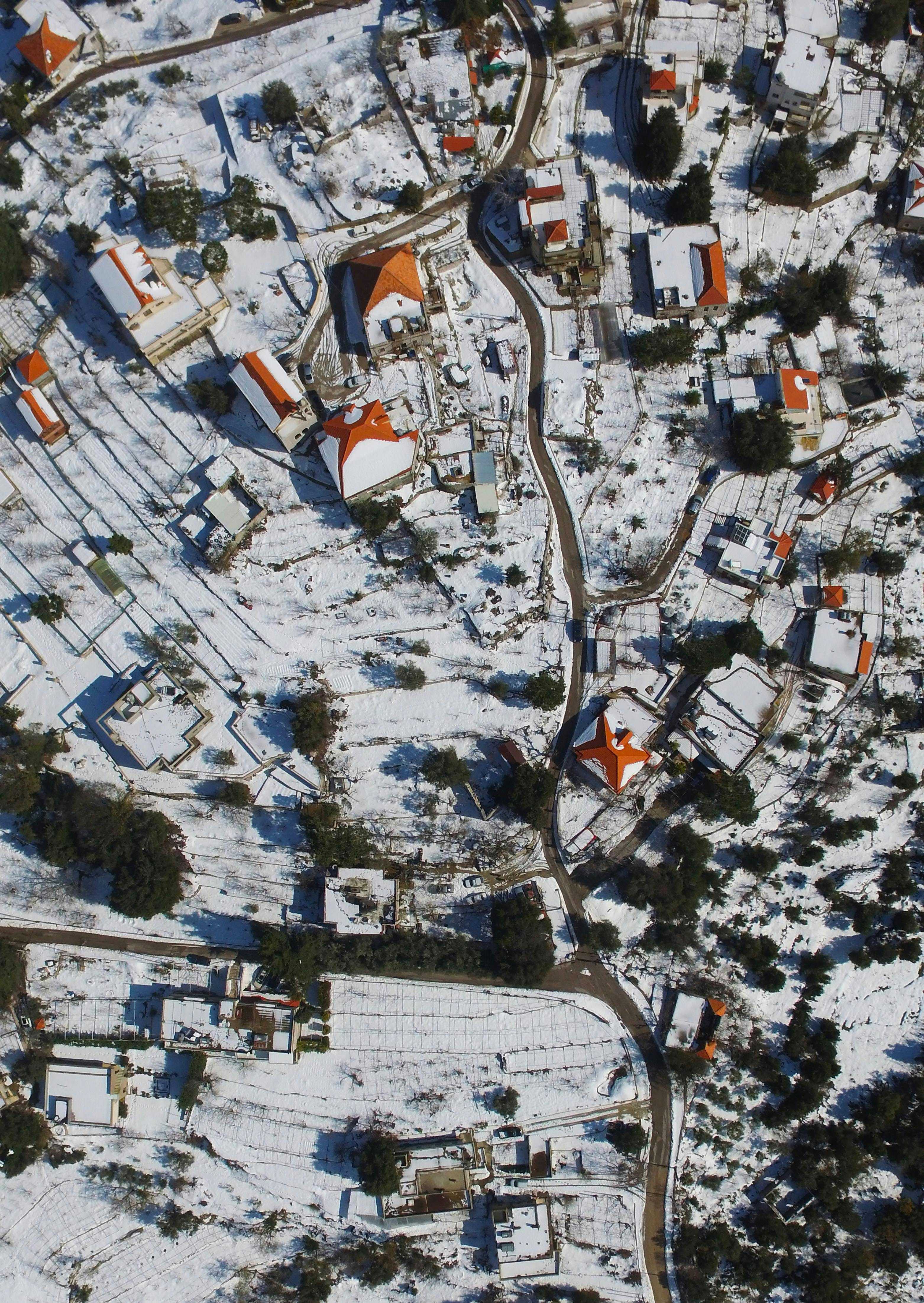
  2. Diverse Landscapes: Lebanon offers diverse landscapes ranging from snow-capped mountains to sandy beaches along the Mediterranean coast. Visitors can enjoy activities like hiking, skiing, swimming, and relaxing by the sea all in one country.

  3. Vibrant Culture: Lebanon has a vibrant culture with a mix of influences from the Middle East, Europe, and beyond. Visitors can experience traditional music, dance, art, and festivals throughout the year.

  4. Delicious Cuisine: Lebanese cuisine is renowned for its fresh ingredients, bold flavors, and diverse dishes. Visitors can enjoy mezes (small plates), grilled meats, fresh seafood, and sweet pastries while exploring the country's culinary scene.

  5. Warm Hospitality: Lebanese people are known for their warm hospitality and welcoming nature towards visitors. Travelers can expect to be greeted with smiles, kindness, and generosity during their stay in Lebanon.

Overall, traveling to Lebanon can be a rewarding experience for those looking to explore a unique destination with a rich history, diverse landscapes, vibrant culture, delicious cuisine, and friendly locals.

What to know

Traveling to Lebanon does come with some potential cons that travelers should be aware of:

  1. Safety Concerns: Lebanon has a history of political instability and occasional security incidents. Travelers should stay informed about the current situation and adhere to any travel advisories issued by their home country.

  2. Traffic and Road Conditions: Traffic congestion is common in major cities like Beirut, and road conditions in some areas may be poor. Driving can be chaotic, so caution is advised.

  3. Language Barrier: While English is widely spoken in tourist areas, the main language in Lebanon is Arabic. Travelers who do not speak Arabic may face communication challenges in some situations.

  4. Cost of Living: Lebanon is not a budget-friendly destination, especially in terms of accommodation and dining. Prices can be relatively high compared to other countries in the region.

  5. Waste Management Issues: Lebanon has faced challenges with waste management in the past, leading to periodic garbage crises. Travelers may encounter overflowing trash bins in some areas.

  6. Limited Public Transport: Public transportation options in Lebanon are limited, and relying on taxis or rental cars can be expensive. Traffic congestion can also affect travel times.

  7. Cultural Sensitivities: Lebanon is a conservative country in many respects, and travelers should be mindful of local customs and dress modestly, especially when visiting religious sites.

It's important to note that despite these potential cons, Lebanon is a beautiful country with a rich history, vibrant culture, and welcoming people. By being prepared and staying informed, travelers can have a safe and enjoyable experience in Lebanon.

Lebanon, officially known as the Lebanese Republic, is a country located in the Middle East on the eastern shore of the Mediterranean Sea. It has a rich and complex history, marked by its strategic location and diverse cultural heritage.

Ancient History

  • Phoenician Civilization (c. 2500–539 BC): Lebanon was home to the ancient Phoenicians, a maritime people known for their trade and the creation of the first alphabet. Key cities included Tyre, Sidon, and Byblos.
  • Assyrian, Babylonian, and Persian Rule: The region fell under the control of various empires, including the Assyrians, Babylonians, and Persians.

Classical Antiquity

  • Hellenistic Period (333–64 BC): Following Alexander the Great's conquest, Lebanon became part of the Hellenistic world, divided among his generals.
  • Roman Empire (64 BC–395 AD): Lebanon became part of the Roman Empire, and the city of Baalbek (Heliopolis) became a prominent religious center.

Middle Ages

  • Byzantine Empire: After the Roman Empire's division, Lebanon was part of the Byzantine Empire.
  • Arab Conquest (7th century): The region was conquered by the Arab Muslims, leading to the spread of Islam.
  • Crusader States (12th–13th centuries): Parts of Lebanon were controlled by Crusader states, including the County of Tripoli.

Ottoman Period (1516–1918)

  • Lebanon was part of the Ottoman Empire, but it enjoyed a degree of autonomy, particularly in the Mount Lebanon region.

French Mandate (1920–1943)

  • After World War I, Lebanon was placed under French mandate. The borders of modern Lebanon were established during this period.

Independence and Modern History

  • Independence (1943): Lebanon gained independence from France on November 22, 1943.
  • Lebanese Civil War (1975–1990): A devastating civil war broke out, fueled by religious and political tensions, resulting in significant loss of life and destruction.
  • Post-War Reconstruction: After the civil war, Lebanon underwent extensive reconstruction, particularly in Beirut.

Recent History

  • 2005 Cedar Revolution: Triggered by the assassination of former Prime Minister Rafik Hariri, it led to the withdrawal of Syrian troops from Lebanon.
  • 2019–2020 Protests: Nationwide protests erupted over economic mismanagement, corruption, and a deteriorating economy.
  • 2020 Beirut Explosion: A massive explosion in the port of Beirut caused widespread destruction and loss of life.

Notable Historical Figures

  • Rafik Hariri: A former Prime Minister known for his role in post-war reconstruction.
  • Gebran Tueni: A prominent journalist and politician.
  • Emir Bashir Shihab II: A prominent leader during the Ottoman period.

Important Landmarks

  • Baalbek: Ancient Roman temple complex, a UNESCO World Heritage site.
  • Jeita Grotto: A stunning cave system and popular tourist destination.
  • Cedars of God: An ancient grove of cedar trees, symbolically important to Lebanon.
  • National Museum of Beirut: Houses a vast collection of artifacts from Lebanon's history.

Lebanon's history is characterized by its role as a cultural crossroads and its resilience in the face of numerous challenges.