
Beograd
· RS

Beograd

Beograd, Serbia

Belgrade: Where East Meets West in a Whirlwind of History and Hedonism Belgrade, the "White City" perched on the confluence of the Sava and Danube rivers, is a captivating blend of old-world charm and modern energy. Stee…

#Capital city#Historic landmarks#Cultural hub#Danube river#Orthodox churches
1/10

Top hotels & flights

Hand-picked stays and the best fares into Beograd.

Top Hotels in Beograd

Top Flights to Beograd

Practical info

The essentials for planning your time in Beograd.

Currency
RSD | Serbian dinar | Serbian dinar
Population
1.3 million
Languages
Serbian, Serbian, Hungarian, Romani

Local guide

What travelers love, what to watch for, and a deeper read on Beograd.

What people love

Beograd, also known as Belgrade, is the capital city of Serbia and offers a unique travel experience with a mix of history, culture, and architecture. Here are some of the pros of traveling to Beograd:

  1. Rich History: Beograd has a long and storied history, with influences from the Roman, Ottoman, and Austro-Hungarian empires. Visitors can explore historic sites such as Belgrade Fortress, St. Sava Temple, and the Museum of Yugoslav History.

  2. Vibrant Culture: Beograd is known for its lively arts and music scenes, with numerous galleries, theaters, and music venues to explore. Visitors can also experience traditional Serbian cuisine and hospitality in the city's many cafes and restaurants.

  3. Affordable Destination: Compared to other European capitals, Beograd offers relatively affordable prices for accommodations, dining, and entertainment, making it an attractive destination for budget travelers.

  4. Nightlife: Beograd is famous for its vibrant nightlife, with a wide range of bars, clubs, and live music venues to suit all tastes. The city's party scene is known for its energy and diversity, attracting both locals and international visitors.

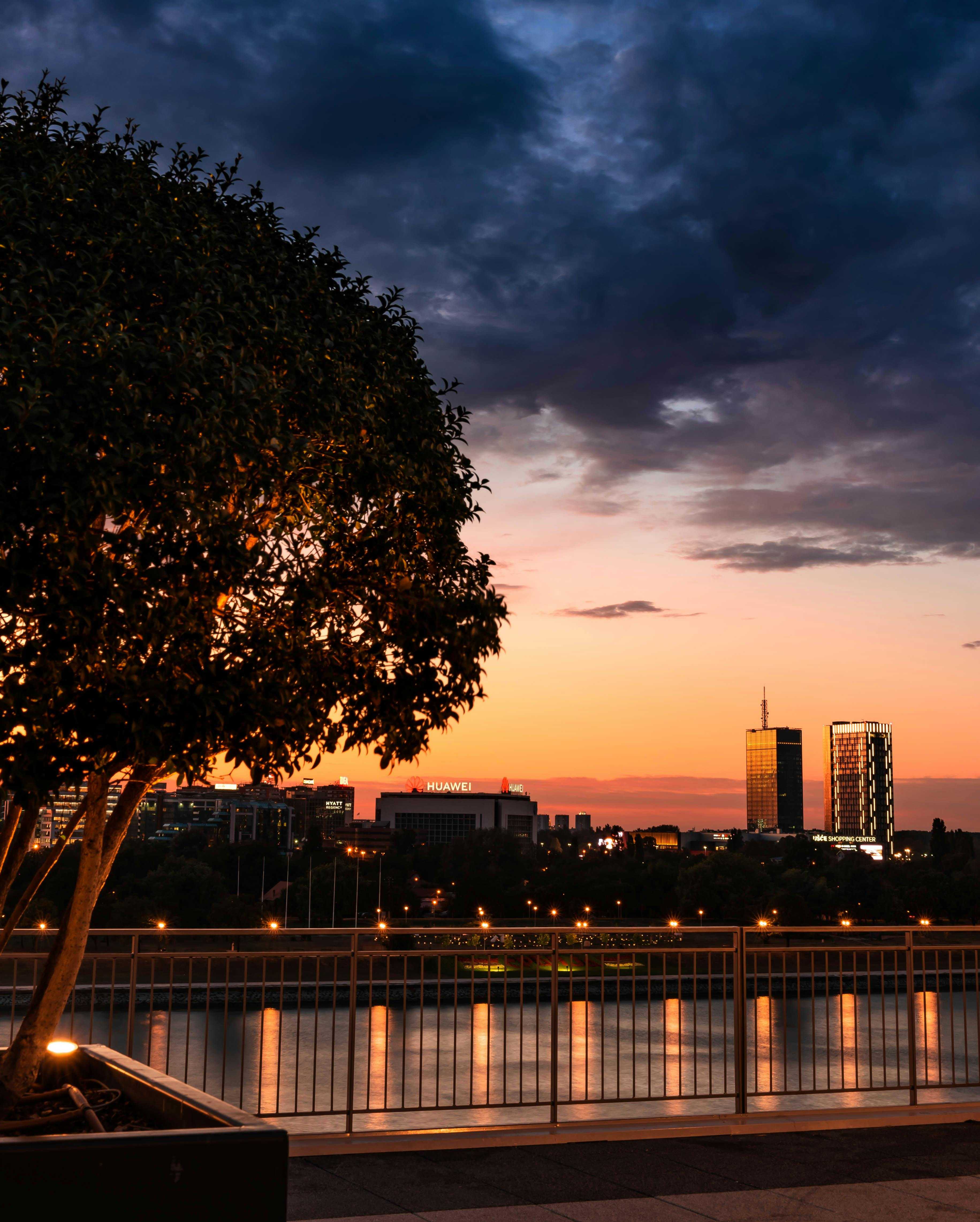
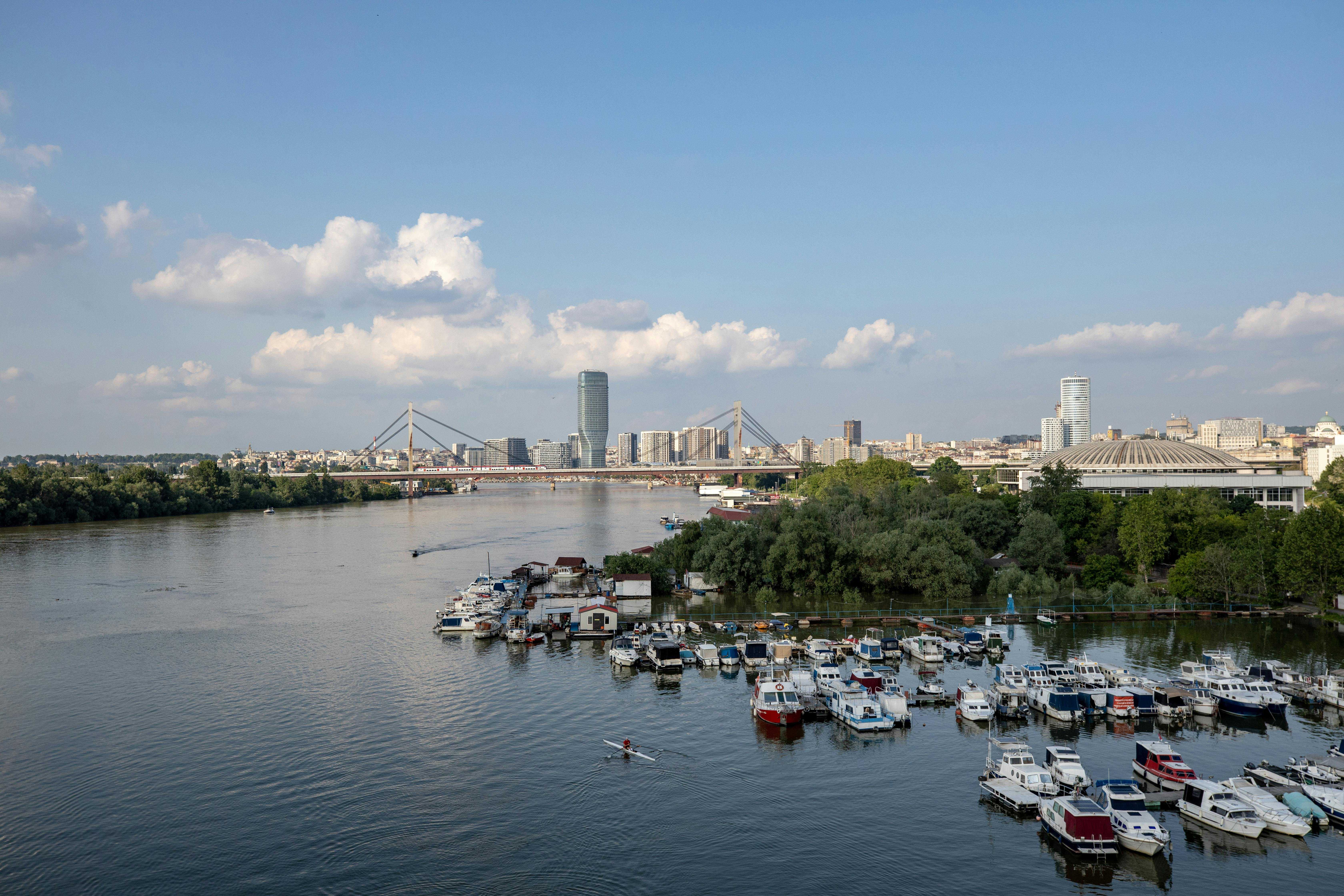
  5. Riverside Views: Beograd is situated at the confluence of the Sava and Danube rivers, offering beautiful waterfront views and opportunities for leisurely walks along the riverbanks. Visitors can also take boat tours to explore the city from a different perspective.

Overall, Beograd is a dynamic and culturally rich destination with a lot to offer travelers interested in history, culture, and nightlife.

Enjoy your trip to Beograd!

What to know

Some potential cons of traveling to Belgrade, Serbia could include:

  1. Language barrier: Serbian is the official language in Belgrade, and while many people, especially in the tourist areas, may speak English, you may encounter difficulties communicating in some situations.

  2. Transportation challenges: Public transportation in Belgrade may not be as efficient or reliable as in other European cities. Traffic congestion can also be an issue, especially during peak hours.

  3. Safety concerns: While Belgrade is generally a safe city, petty crime such as pickpocketing can occur, especially in crowded areas and public transportation. It's important to take precautions to safeguard your belongings.

  4. Limited tourist infrastructure: While Belgrade is a popular tourist destination, the city may not have the same level of tourist infrastructure as other European capitals. This could mean fewer English signs, limited tourist information centers, and fewer organized tours.

  5. Political instability: Serbia has experienced political tensions in the past, which could potentially impact travelers. It's always a good idea to stay informed about the current political situation before traveling to any destination.

Please note that these are general considerations and may not apply to every traveler's experience. It's always a good idea to research and stay informed about the specific conditions in Belgrade before planning your trip.

Belgrade, known as Beograd in Serbian, is the capital and largest city of Serbia. It has a rich and complex history, influenced by various cultures and empires over the centuries. Here is a detailed historical overview:

Ancient and Medieval Periods

  • Celtic and Roman Periods: The area of modern-day Belgrade was first settled in the 3rd century BC by the Celtic tribe of Scordisci, who called it Singidun. In 86 AD, the Romans conquered the region, turning it into a key military and urban center of the Roman Empire.
  • Byzantine and Slav Periods: After the fall of the Roman Empire, the city came under Byzantine control. In the 6th century, Slavic tribes began settling the region. The city saw numerous battles between the Byzantines and various Slavic tribes.
  • Kingdom of Hungary: From the 12th century, Belgrade was contested between the Byzantine Empire and the Kingdom of Hungary, eventually becoming part of the latter.

Ottoman and Habsburg Periods

  • Ottoman Era: In 1521, Belgrade was conquered by the Ottoman Empire under Suleiman the Magnificent, becoming a significant military base and trade center. The city's population and infrastructure grew during this period.
  • Habsburg Rule: The Habsburg Monarchy took control of Belgrade in 1717, and it became a part of the Austrian Military Frontier. However, it was recaptured by the Ottomans in 1739.

19th Century and the Birth of Modern Serbia

  • Serbian Revolution: The early 19th century saw the rise of the Serbian national movement. In 1804, the First Serbian Uprising began, leading to the establishment of modern Serbia. Belgrade was liberated in 1806.
  • Autonomous Serbia: Following the Second Serbian Uprising in 1815, Serbia gained autonomy within the Ottoman Empire. Belgrade became the capital of the autonomous Principality of Serbia in 1830.

20th Century

  • Kingdom of Yugoslavia: In 1918, after World War I, Belgrade became the capital of the newly formed Kingdom of Serbs, Croats, and Slovenes, later known as the Kingdom of Yugoslavia.
  • World War II: During WWII, Belgrade was occupied by Axis forces and heavily bombed by the Allies in 1944. After liberation, it became the capital of socialist Yugoslavia.
  • Socialist Yugoslavia: Under Josip Broz Tito's leadership, Belgrade became a hub of socialist development and a key city in the Non-Aligned Movement.

Post-Yugoslav Era

  • 1990s Conflicts: The breakup of Yugoslavia in the early 1990s led to a series of conflicts. Belgrade was bombed by NATO in 1999 during the Kosovo War.
  • Modern Era: Following the overthrow of Slobodan Milošević in 2000, Serbia transitioned to democracy. Belgrade has since developed rapidly and is a major cultural and economic center in the Balkans.

Important Landmarks

  • Kalemegdan Fortress: An ancient fortress offering panoramic views of the confluence of the River Sava and the Danube, with origins dating back to Roman times.
  • St. Sava Temple: One of the largest Orthodox churches in the world, dedicated to Saint Sava, an important figure in Serbian history.
  • Knez Mihailova Street: A bustling pedestrian street in the city center, lined with historical buildings and shops.
  • National Museum and National Theatre: Located in the Republic Square, these institutions are central to the cultural life of Belgrade.
  • Ada Ciganlija: A popular recreational area known as the "Sea of Belgrade," located on an island in the Sava River.

Belgrade has continually been a crossroads of European and Balkan history, reflecting the diverse cultural influences that have shaped its development.