
Serbia
Country

Serbia

Serbia

Discover the Untamed Beauty and Rich History of Serbia Serbia, a landlocked jewel in the heart of the Balkans, awaits discovery. Beyond its dramatic…

#Eastern Europe#Balkans#Capital: Belgrade#Danube River#Orthodox Christianity

Explore Serbia

Top cities in Serbia

Pick a city to open its guide.

See it for yourself

Location videos

Reels and longer watches.

Featured for Serbia

Traveller clips picked out for this place.

Watch & explore

Good to know

Practical info

Weather, costs and getting around.

Currency
РСД | RSD | Serbian Dinar
Population
The approximate estimated total population of Serbia is 6.8 million.
Languages
Serbian mainly · Hungarian, Slovak, Romani, Romanian
Also known as
Српска, Србија, Србија, Србија, Srbija, Republic of Serbia

Know before you go

Local guide

A deeper read on Serbia.

What people love

Traveling to Serbia has several pros, including:

  1. Rich history and culture: Serbia has a long and diverse history, with influences from the Byzantine Empire, Ottoman Empire, and Austro-Hungarian Empire. Visitors can explore historic sites such as Belgrade Fortress, Studenica Monastery, and the ancient Roman city of Gamzigrad.

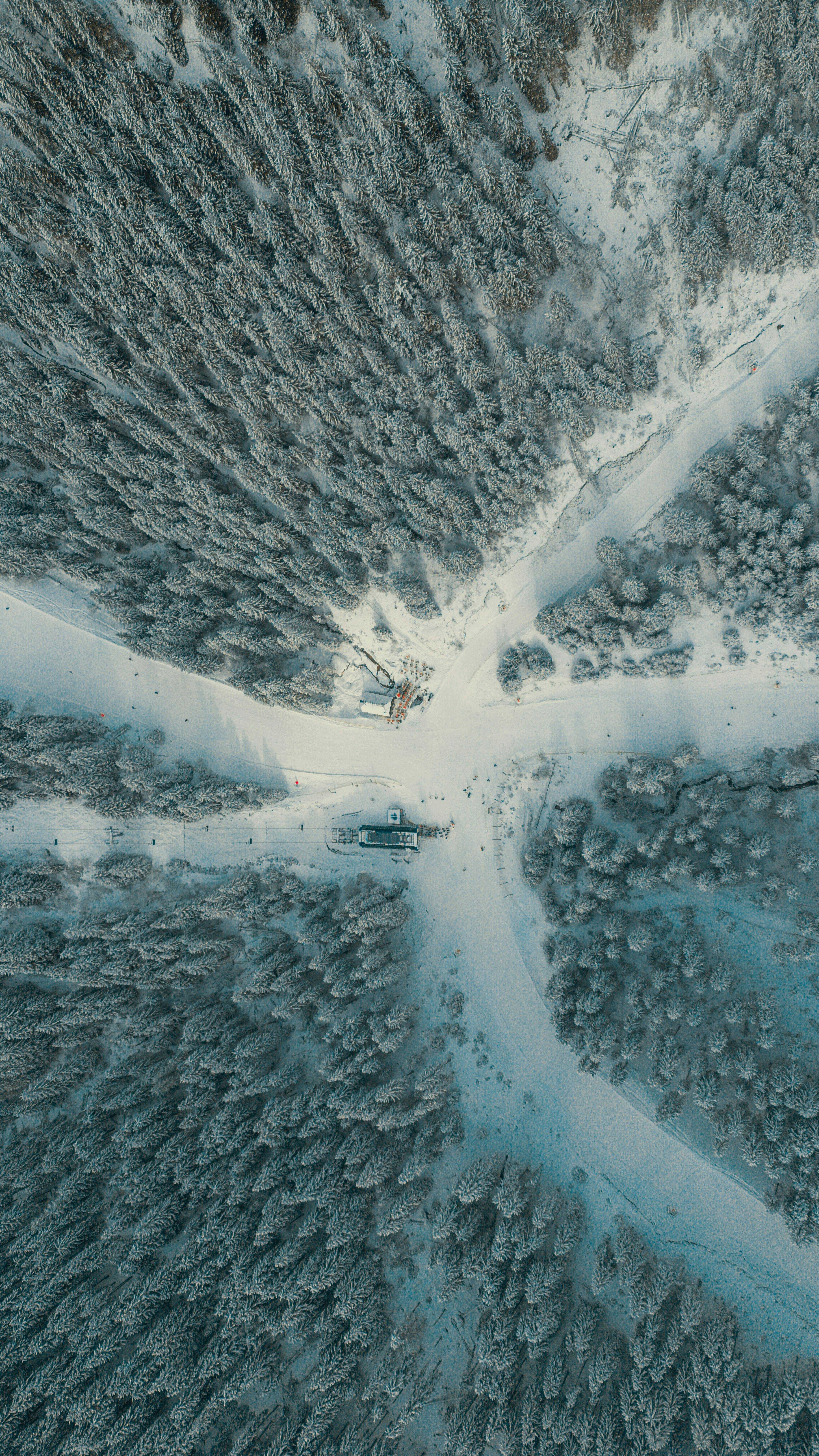
  2. Scenic landscapes: Serbia boasts beautiful natural landscapes, including the Danube River, Tara National Park, and the Drina River Canyon. Outdoor enthusiasts can enjoy activities such as hiking, rafting, and skiing in the winter.

  3. Affordable destination: Serbia is known for being a budget-friendly destination compared to other European countries. Accommodation, food, and transportation are generally more affordable, making it a great option for travelers on a budget.

  4. Delicious cuisine: Serbian cuisine is a mix of influences from various cultures, resulting in a diverse and flavorful culinary experience. Traditional dishes such as cevapi (grilled minced meat), sarma (cabbage rolls), and ajvar (roasted red pepper spread) are a must-try for food lovers.

  5. Warm and welcoming people: Serbians are known for their hospitality and friendliness towards tourists. Visitors can expect to be welcomed with open arms and genuine kindness during their stay in Serbia.

Overall, traveling to Serbia offers a unique blend of history, culture, nature, and affordability, making it a great destination for those seeking an authentic European experience.

What to know

Some potential cons of traveling to Serbia include:

  1. Language barrier: While many Serbians speak English, especially in tourist areas, the language barrier can still be a challenge in more remote or less touristy areas.

  2. Political tensions: Serbia has a complex political history and ongoing tensions with some neighboring countries. It's important to be aware of the political situation and any potential risks before traveling to the region.

  3. Safety concerns: While Serbia is generally a safe country for tourists, like any destination, there are risks associated with petty crime such as pickpocketing and scams, especially in crowded tourist areas.

  4. Limited infrastructure in rural areas: Some rural areas of Serbia may have limited infrastructure and amenities compared to more developed urban areas, which could impact your travel experience.

  5. Smoking culture: Serbia has a high rate of smoking and it's common to encounter smoking in public places, restaurants, and bars, which could be a concern for non-smokers.

It's important to research and prepare for your trip to Serbia to ensure a safe and enjoyable experience.

Certainly! Here's a detailed history of Serbia, including significant events, historical figures, and important landmarks:

Ancient and Medieval Periods

  • Prehistory and Ancient Times: The region of modern-day Serbia has been inhabited since the Paleolithic era. During antiquity, it was settled by various Thracian, Dacian, and Illyrian tribes. The Romans conquered the area in the 2nd century BCE, incorporating it into the provinces of Moesia, Pannonia, and Dacia.

  • The Arrival of the Slavs: In the 6th and 7th centuries CE, Slavic tribes settled in the Balkans, creating the foundations of the Serbian nation.

  • Medieval Serbian State: The first Serbian state emerged in the 9th century under the Vlastimirović dynasty. The state expanded and flourished under the Nemanjić dynasty (1166–1371), reaching its peak under Emperor Stefan Dušan (r. 1331–1355), who proclaimed the Serbian Empire. This period is marked by cultural and religious flourishing, with the establishment of significant Orthodox Christian monasteries, such as Studenica and the Monastery of Visoki Dečani (a UNESCO World Heritage Site).

Ottoman and Habsburg Rule

  • Ottoman Conquest: Following the pivotal Battle of Kosovo in 1389, Serbia gradually fell under Ottoman rule, fully becoming part of the Ottoman Empire by the mid-15th century. This period lasted until the 19th century, characterized by cultural and religious suppression and periodic uprisings.

  • Habsburg Influence: Parts of northern Serbia, particularly the Vojvodina region, came under Habsburg rule during the Great Turkish War (1683–1699) and were briefly controlled by the Austrians during other conflicts.

Modern Era

  • Serbian Revolution and Independence: The early 19th century witnessed the Serbian Revolution (1804–1835), which led to the gradual liberation from Ottoman rule. Key figures in the revolution include Karađorđe Petrović and Miloš Obrenović. Serbia was granted autonomy in 1830 and gained full independence at the Congress of Berlin in 1878.

  • Kingdom of Serbia: After achieving full sovereignty, Serbia experienced modernization and expansion. It became a kingdom in 1882 under King Milan I.

20th Century

  • Balkan Wars and World War I: Serbia played a significant role in the Balkan Wars (1912–1913), expanding its territory. The assassination of Archduke Franz Ferdinand of Austria in Sarajevo by Gavrilo Princip, a Bosnian Serb, triggered World War I, during which Serbia suffered significant casualties and destruction.

  • Yugoslavia Formation: After World War I, Serbia became part of the Kingdom of Serbs, Croats, and Slovenes, later known as the Kingdom of Yugoslavia. The kingdom went through political turmoil and was occupied by Axis powers during World War II.

  • Socialist Yugoslavia: Post-World War II, the Socialist Federal Republic of Yugoslavia was established under Josip Broz Tito. Serbia was one of six republics within the federation.

  • Breakup of Yugoslavia: In the 1990s, the breakup of Yugoslavia led to a series of conflicts. Serbia, along with Montenegro, formed the Federal Republic of Yugoslavia. The wars in Croatia and Bosnia, and the Kosovo War in 1999, were marked by ethnic tensions and international intervention.

21st Century

  • Contemporary Serbia: In 2006, Montenegro declared independence, leading to the dissolution of the union with Serbia. Serbia became an independent republic. Kosovo declared independence in 2008, a status not recognized by Serbia and several other countries.

Important Landmarks

  • Belgrade Fortress: Overlooking the confluence of the River Sava and Danube, it has a history dating back to the Roman era.
  • St. Sava Temple: One of the largest Orthodox churches in the world, located in Belgrade.
  • Novi Sad and Petrovaradin Fortress: Located in the Vojvodina region, known for the EXIT music festival.
  • Niš Fortress: Historical fortress with origins in the Roman period.
  • Studenica Monastery: A 12th-century monastery and a UNESCO World Heritage Site, known for its medieval frescoes.

Notable Historical Figures

  • Stefan Nemanja: Founder of the Nemanjić dynasty.
  • Stefan Dušan: Emperor during the Serbian Empire's peak.
  • Nikola Tesla: Celebrated inventor and engineer with Serbian roots.
  • Slobodan Milošević: President during the 1990s, a controversial figure in the Yugoslav Wars.

Serbia's history is rich and complex, reflecting its position at the crossroads of various empires and cultures in Europe.