
Bahia
State · Brazil

Bahia

Bahia, Brazil

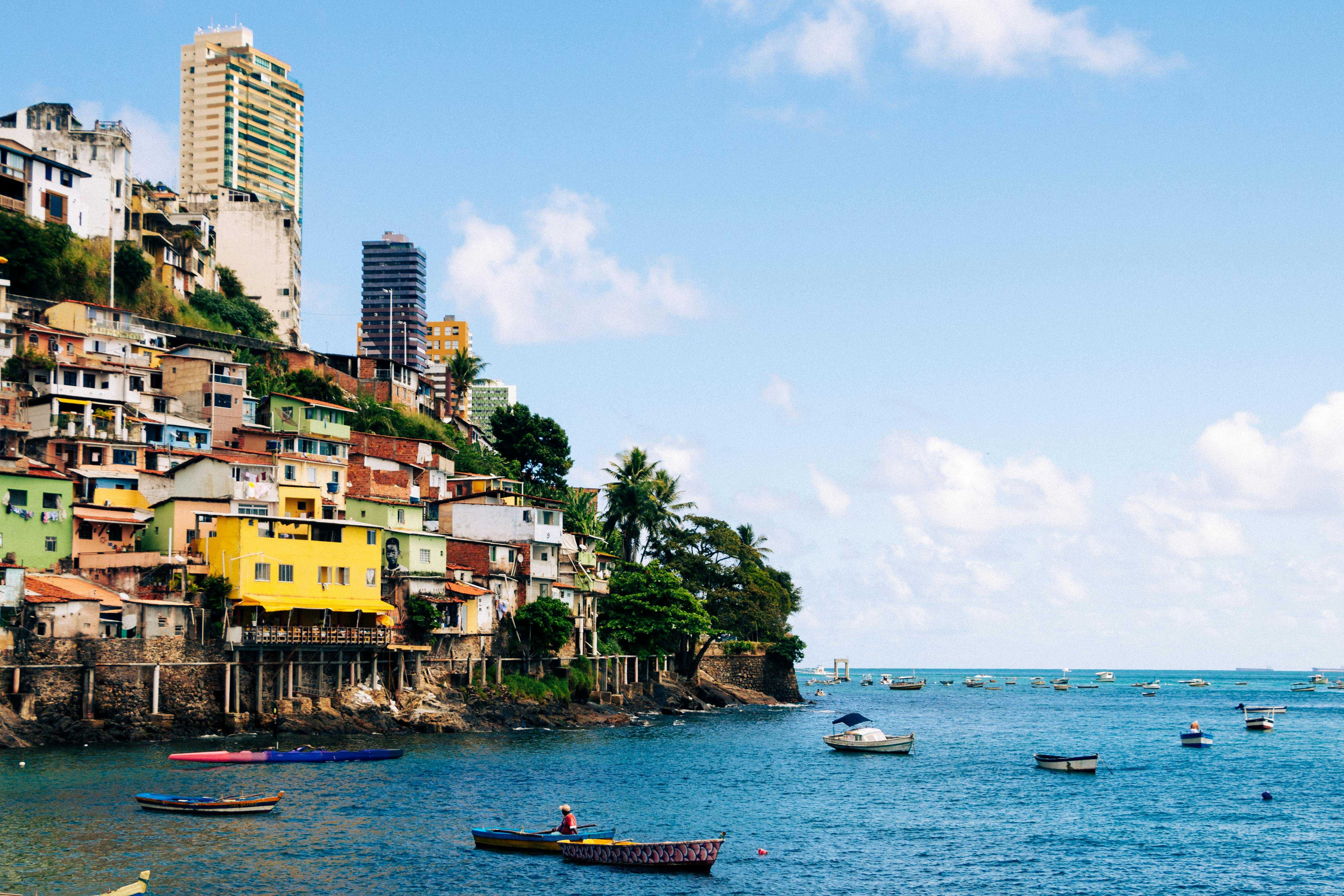
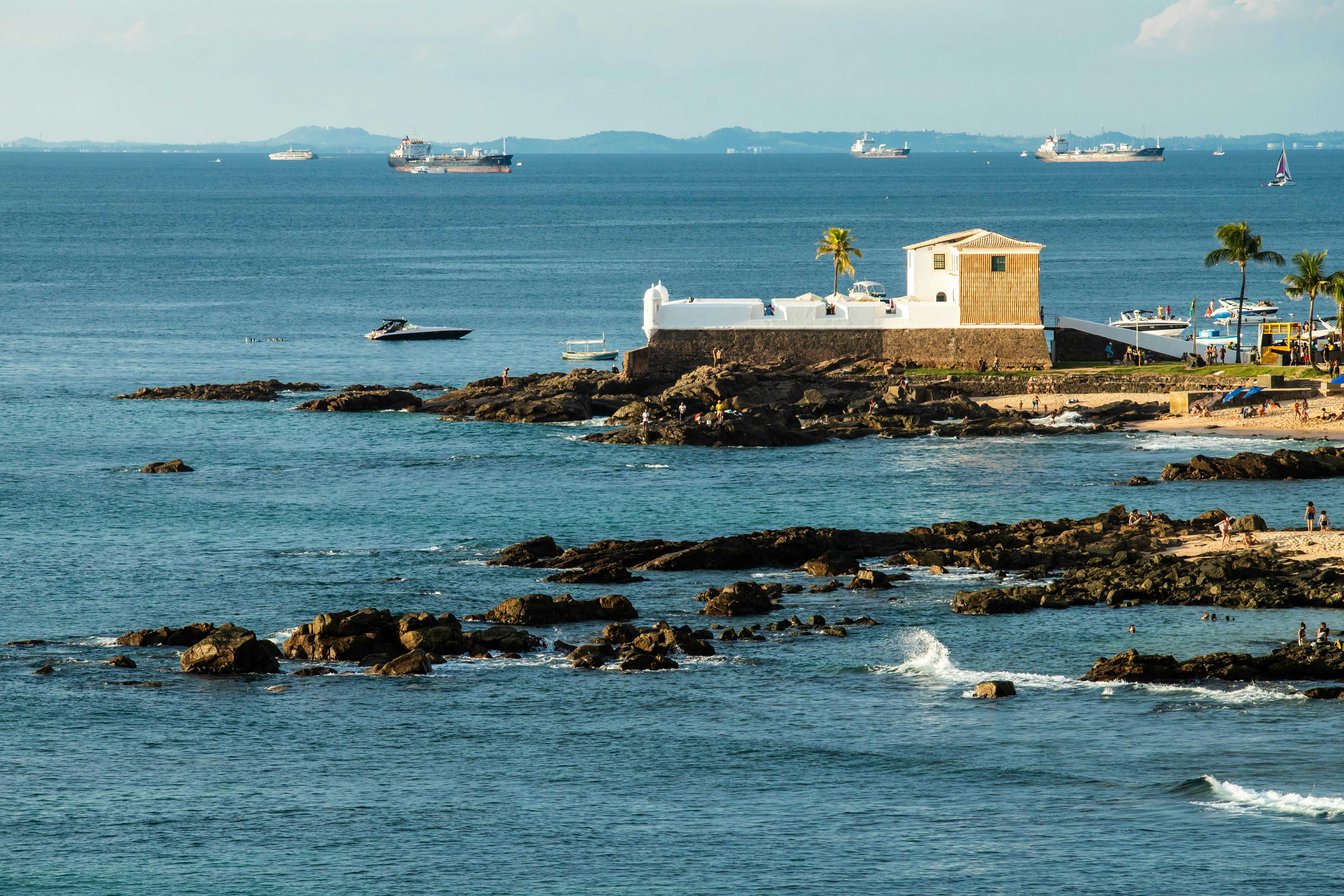
Bahia: Brazil's Soul Unleashed Step into Bahia, a vibrant tapestry woven from history, culture, and breathtaking beauty. This captivating Brazilian…

#Bahia#Brazil#Tropical#Beaches#Cultural

Explore Bahia

Top cities in Bahia

Pick a city to open its guide.

See it for yourself

Location videos

Reels and longer watches.

Watch & explore

Good to know

Practical info

Weather, costs and getting around.

Bahia, Brazil Open in Google Maps
Currency
R$ | BRL | Brazilian Real
Population
14.9 million
Languages
Portuguese mainly · German
Budget / day
R$200 - R$500
Also known as
Terra de Todos os Santos, Cidade da Bahia, Salvador, Baía de Todos os Santos, São Salvador da Bahia de Todos os Santos

Know before you go

Local guide

A deeper read on Bahia.

What people love

Bahia, located in Brazil, offers a rich cultural experience with a mix of African, Portuguese, and indigenous influences. Here are some pros of traveling to Bahia:

  1. Beautiful Beaches: Bahia is known for its stunning beaches with warm waters and golden sands. Popular beaches include Porto da Barra, Praia do Forte, and Morro de São Paulo.

  2. Rich History and Culture: Bahia has a strong cultural heritage with a history of Afro-Brazilian traditions, music, dance, and cuisine. Visitors can explore historic sites like Pelourinho in Salvador, a UNESCO World Heritage site.

  3. Culinary Delights: Bahian cuisine is famous for its flavorful dishes such as Moqueca (a seafood stew), Acarajé (deep-fried black-eyed pea fritters), and traditional Bahian desserts like Cocada (coconut sweet).

  4. Vibrant Festivals: Bahia hosts colorful and lively festivals throughout the year, including Carnival in Salvador, which is one of the biggest and most festive celebrations in Brazil.

  5. Natural Beauty: In addition to its beaches, Bahia boasts diverse landscapes including lush rainforests, waterfalls, and natural parks like Chapada Diamantina National Park, offering opportunities for outdoor adventures such as hiking and wildlife spotting.

  6. Warm Hospitality: Bahia is known for its friendly and welcoming locals who are eager to share their culture and traditions with visitors.

Overall, traveling to Bahia can provide a mix of relaxation, cultural enrichment, and adventure in a vibrant and diverse region of Brazil.

What to know

Traveling to Bahia, Brazil, specifically the state of Bahia, has several potential cons that visitors should be aware of:

  1. Safety concerns: Like many parts of Brazil, Bahia can have issues with crime, including theft and violence. Tourists should take precautions such as avoiding displaying expensive items, only using registered taxis, and staying in well-known, safe areas.

  2. Health risks: Bahia is located in a tropical region, so travelers should be aware of potential health risks such as mosquito-borne diseases like dengue fever and Zika virus. It's important to take precautions such as using insect repellent and staying in accommodations with screens on windows.

  3. Language barrier: Portuguese is the official language in Brazil, including Bahia. If you do not speak Portuguese, you may encounter challenges in communicating with locals. It's a good idea to learn some basic phrases or consider hiring a translator or guide.

  4. Infrastructure challenges: Some parts of Bahia may have limited infrastructure, leading to issues with transportation, internet connectivity, and access to services. Visitors should plan ahead and be prepared for potential delays or inconveniences.

  5. Climate: Bahia has a tropical climate with high temperatures and humidity, which may be uncomfortable for some travelers. It's important to stay hydrated, wear sunscreen, and take breaks from the sun.

Overall, while Bahia is a beautiful and culturally rich destination, visitors should be aware of these potential cons and take appropriate precautions to ensure a safe and enjoyable trip.

Bahia, a state located in the northeastern region of Brazil, has a rich and diverse history that spans several centuries. Its capital is Salvador, which was the first capital of Brazil and one of the oldest colonial cities in the Americas.

Early History and Indigenous Peoples

Before the arrival of the Portuguese, Bahia was inhabited by indigenous peoples, including the Tupinambá, Pataxó, and other groups. These indigenous communities lived by hunting, fishing, and agriculture.

Portuguese Colonization

  • 1500: The region was first encountered by Europeans when Portuguese navigator Pedro Álvares Cabral landed on the Brazilian coast. Though the exact landing spot is debated, it is generally accepted that he landed near what is now Porto Seguro, Bahia.
  • 1549: The city of Salvador was founded by Tomé de Sousa, the first governor-general of Brazil. Salvador was established as the capital of the Portuguese colony due to its strategic location for trade and defense.

Slavery and Sugar Economy

  • During the 16th and 17th centuries, Bahia became a center for sugarcane plantations, which relied heavily on the labor of enslaved Africans. Bahia was one of the main entry points for the transatlantic slave trade, significantly impacting the region's demographics and culture.
  • The blending of African, European, and indigenous influences created a unique cultural tapestry, evident in Bahia’s music, cuisine, and religious practices.

Colonial Conflicts and Rebellions

  • 1624-1625: The Dutch briefly captured Salvador but were expelled by a joint Portuguese-Spanish fleet.
  • 1835: The Malê Revolt, a significant slave rebellion led by Muslim African slaves, took place in Salvador. Although the revolt was suppressed, it highlighted the tensions within the slave society.

Independence and Post-Colonial Era

  • 1823: Bahia played a vital role in Brazil's struggle for independence from Portugal. The Siege of Salvador was a critical event, leading to the expulsion of Portuguese troops and the eventual consolidation of Brazilian independence.
  • In the late 19th and early 20th centuries, Bahia’s economy shifted from sugar to cacao production, particularly around the southern town of Ilhéus.

20th Century to Present

  • The 20th century saw urbanization and industrialization in Bahia, with Salvador growing as a cultural and economic center.
  • Bahia's cultural heritage, particularly its Afro-Brazilian traditions, has gained international recognition. The state is known for its vibrant Carnival celebrations, capoeira, and Candomblé religion.

Historical Figures

  • Castro Alves: A renowned poet known for his abolitionist writings.
  • Ruy Barbosa: A prominent politician and writer, influential in Brazilian law and politics.
  • Jorge Amado: One of Brazil’s most celebrated authors, whose works often depict Bahian culture and society.

Important Landmarks

  • Pelourinho: The historic center of Salvador, a UNESCO World Heritage Site, known for its colonial architecture and vibrant cultural life.
  • Elevador Lacerda: An iconic elevator in Salvador connecting the city's upper and lower parts.
  • Church of São Francisco: Known for its ornate baroque architecture and gold leaf interiors.
  • Chapada Diamantina National Park: A significant natural attraction known for its stunning landscapes and biodiversity.

Bahia continues to be a cultural heart of Brazil, known for its music, dance, and religious traditions that reflect its deep historical roots and diverse influences.