Aqmola
· KZ

Aqmola

Aqmola, Kazakhstan

Journey to the Heart of Kazakhstan: Discover Astana (formerly Aqmola) Astana, formerly known as Aqmola, is not just a capital city, it's a dazzling vision of the future rising from the heart of the Kazakh steppe. A city …

#Aqmola#Kazakhstan#City#Urban#Central Asia
1/4

Top hotels & flights

Hand-picked stays and the best fares into Aqmola.

Top Hotels in Aqmola

Top Flights to Aqmola

Popular activities

Tours, tickets and experiences travelers book most in Aqmola.

Tours

Aqmola Historical Tour

Explore the rich history of Aqmola with guided tours to some of the most significant historical sites in the region.

Shopping

Saryarka Mega Center Shopping Experience

Discover a diverse range of shops and entertainment activities at the Saryarka Mega Center.

Outdoor

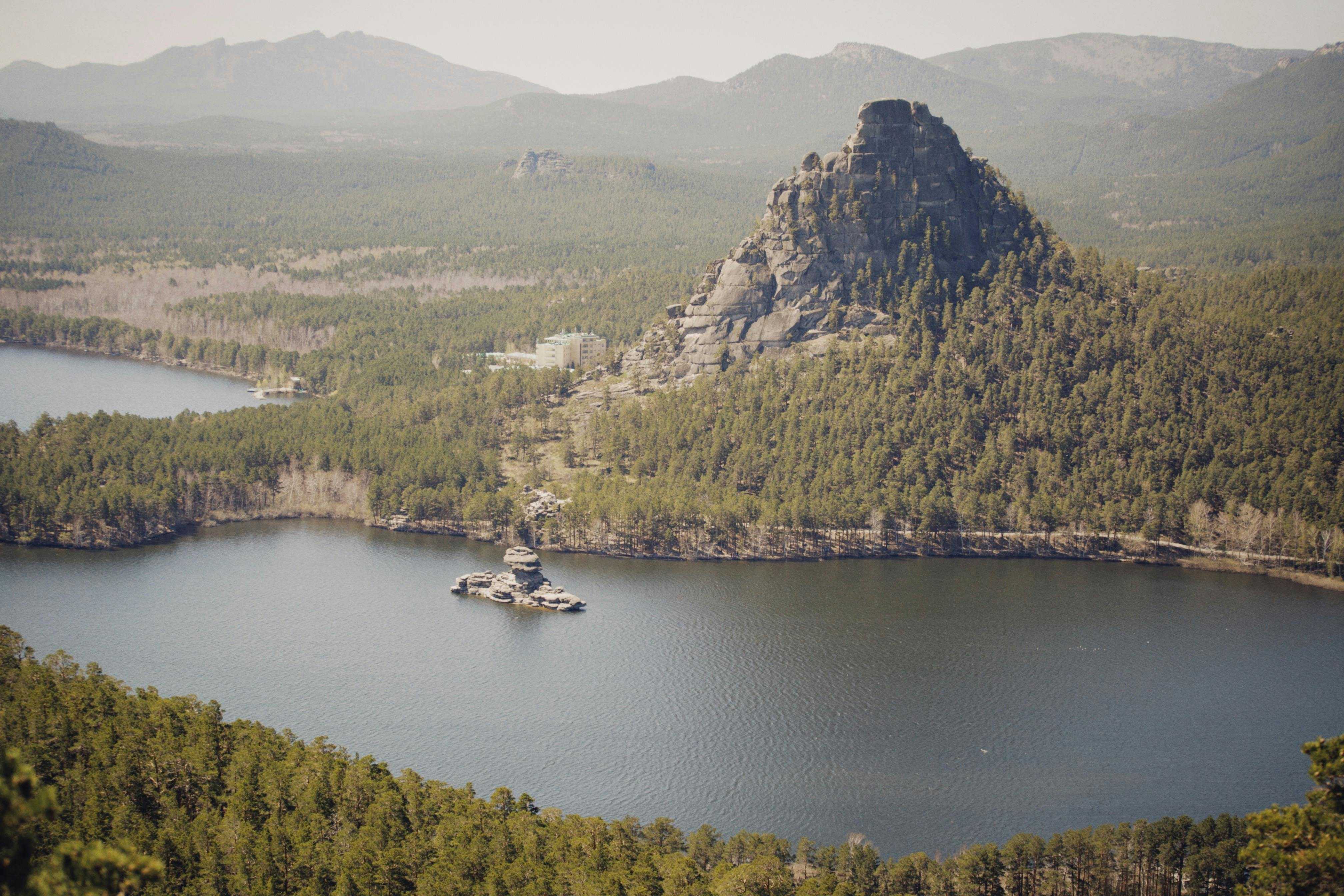
Outdoor Adventure in Burabay National Park

Engage in a variety of outdoor activities in the scenic landscapes of Burabay.

Location videos

Real reels from travelers, plus longer watches to get the full picture.

From travelers
Watch & explore

Practical info

The essentials for planning your time in Aqmola.

Currency
₸ | KZT | Kazakhstani Tenge
Population
Not Available
Languages
Kazakh, Russian

Local guide

What travelers love, what to watch for, and a deeper read on Aqmola.

What people love

Akmola is a region in Kazakhstan, and the city of Nur-Sultan (formerly known as Astana) serves as its capital. While "Aqmola" may refer to different places depending on context, if you're considering traveling to the region or specifically to Nur-Sultan, there are several pros and attractions:

  1. Modern Architecture: Nur-Sultan is known for its futuristic and modern architectural designs. The city features stunning buildings like the Bayterek Tower, the Khan Shatyr Entertainment Center, and the Nur Alem sphere at EXPO 2017. These structures are not only visually striking but also offer unique experiences, such as panoramic views and interactive exhibits.

  2. Cultural Diversity: Kazakhstan is home to a rich tapestry of cultures and ethnicities. In Nur-Sultan, you can explore various cultural centers, museums, and exhibitions that showcase the nation's history and cultural diversity. The National Museum of Kazakhstan is a must-visit for those interested in learning more about the country's past and heritage.

  3. Economic and Political Hub: As the capital city, Nur-Sultan is an important economic and political center in Kazakhstan. Visitors interested in business, politics, or international relations may find it beneficial to explore opportunities and events in this dynamic city.

  4. Astana Opera: The city boasts a world-class opera house, the Astana Opera, which hosts a variety of performances including opera, ballet, and classical music concerts. It is a cultural highlight for those who enjoy the performing arts.

  5. Green Spaces: Despite its modernity, the city offers several parks and green spaces for relaxation and recreation. The Presidential Park and the Central City Park are popular spots for both locals and tourists to enjoy outdoor activities.

  6. Gateway to the Steppe: The region around Akmola offers access to the vast Kazakh Steppe, which provides opportunities for unique outdoor experiences such as horseback riding, hiking, and exploring the natural beauty of Kazakhstan.

  7. Hospitality and Cuisine: Kazakh hospitality is renowned, and visitors can enjoy traditional Kazakh cuisine, including dishes like beshbarmak, plov, and various meat and dairy products. The city offers a range of dining options, from local fare to international cuisine.

  8. Strategic Location: Nur-Sultan's central location in Kazakhstan makes it a convenient starting point for exploring other parts of the country, whether you want to visit the majestic landscapes of Almaty or the cultural landmarks in Turkestan.

These are just a few of the positive aspects of traveling to Akmola, particularly its capital, Nur-Sultan. The city offers a blend of modernity and tradition, making it an intriguing destination for a variety of travelers.

What to know

Information not available.

Aqmola, known today as Nur-Sultan (formerly Astana), is the capital city of Kazakhstan. It has a rich and varied history that reflects the broader historical developments of the region.

Early History

  • Foundation and Name: The area around Aqmola has been inhabited for centuries, with evidence of ancient settlements. The name "Akmola" (meaning "white grave" or "holy place") was first recorded in the 19th century. It became a notable settlement in the 1830s as a Russian fortress.

Soviet Era

  • Soviet Development: During the Soviet period, Akmola (also known as Tselinograd) was part of the Virgin Lands Campaign initiated by Nikita Khrushchev in the 1950s, aimed at boosting agricultural production. The city became a center for this campaign, attracting thousands of settlers and significantly expanding its population and infrastructure.

Post-Soviet Transition

  • Independence of Kazakhstan: Following the dissolution of the Soviet Union, Kazakhstan declared independence in 1991. Akmola was initially a provincial city but gained new significance in the mid-1990s.

Becoming the Capital

  • Capital Relocation: In 1997, the capital of Kazakhstan was moved from Almaty to Akmola, a decision made by President Nursultan Nazarbayev. The move was strategic, aiming to promote economic growth in the northern regions and to position the capital more centrally within the country.

  • Renaming to Astana: In 1998, the city was renamed Astana, which means "capital" in Kazakh. This marked the beginning of a massive transformation with significant investment in infrastructure and urban development.

Modern Development

  • Urban Transformation: Astana underwent rapid development, characterized by modern architecture and significant urban planning. The city became known for its futuristic skyline, with landmarks designed by renowned architects like Norman Foster.

  • Renaming to Nur-Sultan: In 2019, the city was renamed Nur-Sultan in honor of the first President of Kazakhstan, Nursultan Nazarbayev, following his resignation.

Significant Landmarks

  • Baiterek Tower: Symbolizing a tree of life, this tower is one of the most famous landmarks in Nur-Sultan and represents the city’s growth and aspirations.

  • Palace of Peace and Reconciliation: Designed by Norman Foster, this pyramid-like structure is a symbol of peace and harmony and hosts various cultural events.

  • Khan Shatyr: A large transparent tent-like structure that serves as a shopping and entertainment center, also designed by Norman Foster.

  • Hazret Sultan Mosque: The largest mosque in Kazakhstan, showcasing Islamic architecture and serving as a spiritual center for the city.

Historical Figures

  • Nursultan Nazarbayev: The first President of Kazakhstan, who played a crucial role in the development and transformation of Nur-Sultan as a modern capital.

Current Status

  • Cultural and Political Hub: Today, Nur-Sultan is not only the political center of Kazakhstan but also an important cultural and economic hub, hosting international forums and events.

This detailed overview captures the significant historical, cultural, and architectural evolution of Aqmola, now known as Nur-Sultan, embodying the dynamic changes the city has undergone.