


Explore Andhra Pradesh
Top cities in Andhra Pradesh
Pick a city to open its guide.
See it for yourself
Location videos
Reels and longer watches.
Traveller clips picked out for this place.
Good to know
Practical info
Weather, costs and getting around.
Know before you go
Local guide
A deeper read on Andhra Pradesh.
What people love
Traveling to Andhra Pradesh, India, offers a variety of attractions and experiences that can appeal to different types of travelers. Here are some of the pros of visiting this vibrant state:
-
Rich Cultural Heritage: Andhra Pradesh has a deep historical and cultural legacy, with numerous ancient temples, monuments, and forts. The state is home to the famous Tirumala Venkateswara Temple in Tirupati, which is one of the most visited pilgrimage sites in the world.
-
Diverse Landscapes: The state boasts a diverse range of natural landscapes, from the Eastern Ghats and beautiful beaches along the Bay of Bengal to serene hills and lush green forests. Araku Valley, a hill station with coffee plantations, is a popular tourist destination.
-
Culinary Delights: Andhra Pradesh is known for its spicy and flavorful cuisine, which includes dishes like Andhra biryani, spicy curries, and an array of vegetarian and non-vegetarian options. The state's cuisine is a treat for food enthusiasts who enjoy spicy food.
-
Festivals and Traditions: The state celebrates many vibrant festivals such as Sankranti, Ugadi, and Dussehra, which offer a glimpse into the local traditions and customs. These festivals are celebrated with much enthusiasm and provide a unique cultural experience.
-
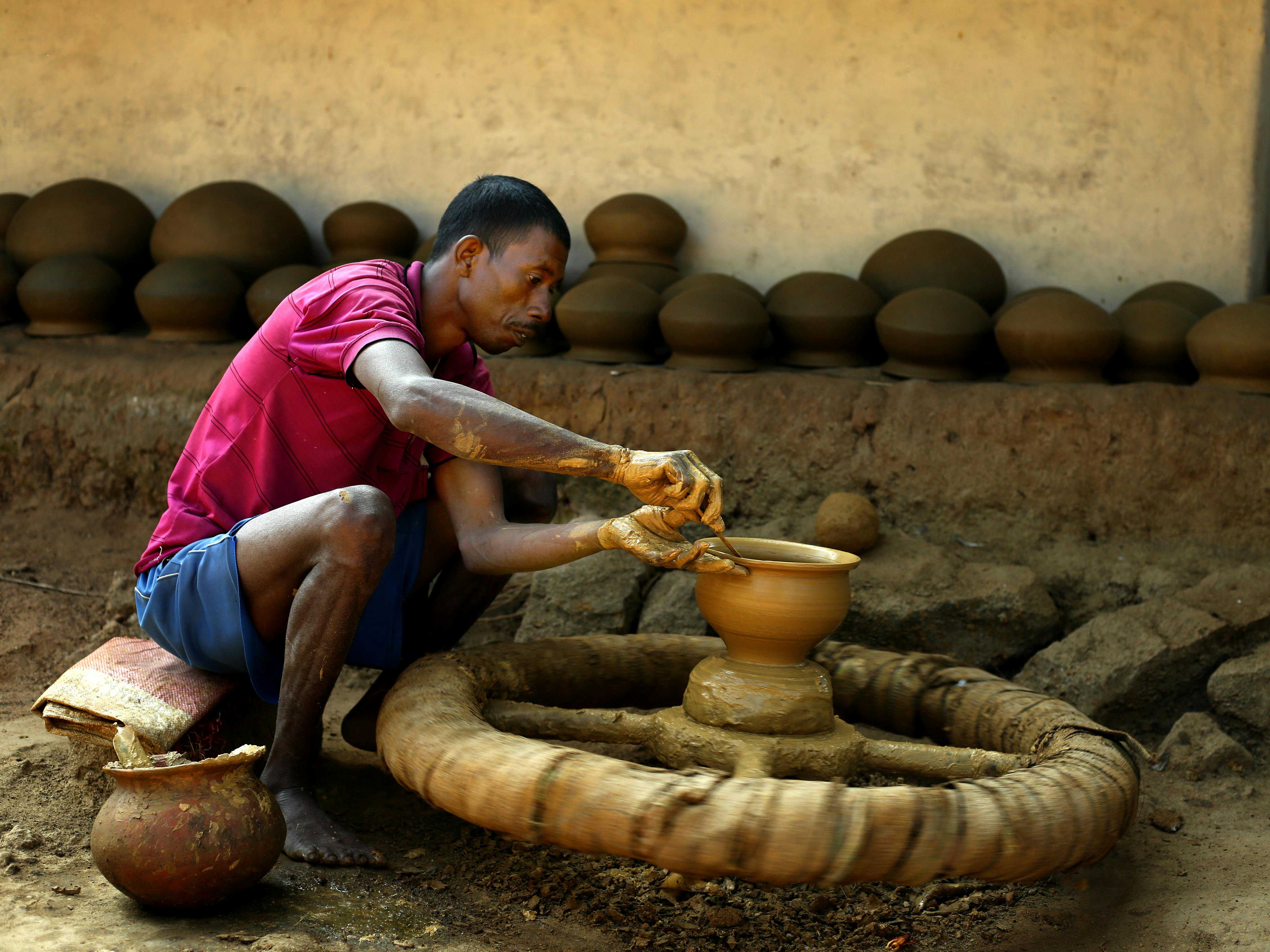
Art and Crafts: Andhra Pradesh is famous for its traditional arts and crafts, including Kalamkari textiles, Kondapalli toys, and intricate silver filigree work from Karimnagar. Visitors can explore local markets for these unique handicrafts.
-
Development and Connectivity: The state has seen significant development in recent years, with improved infrastructure and connectivity. Cities like Visakhapatnam and Vijayawada are growing urban centers with modern amenities.
-
Wildlife and Nature: The state is home to several wildlife sanctuaries and national parks, such as the Coringa Wildlife Sanctuary and Kambalakonda Wildlife Sanctuary. These are ideal for nature lovers and wildlife enthusiasts.
-
Friendly Locals: The people of Andhra Pradesh are known for their hospitality and friendliness, making travelers feel welcome and at home.
-
Economic and Business Opportunities: For those interested in business or investment, Andhra Pradesh is one of India's rapidly developing states with a focus on industries like information technology, biotechnology, and agriculture.
Traveling to Andhra Pradesh offers a blend of cultural richness, natural beauty, culinary experiences, and modern development, making it a worthwhile destination for a wide range of tourists.
What to know
Some potential cons of traveling to Andhra Pradesh in India could include:
-
Extreme temperatures: Andhra Pradesh can experience very hot temperatures, especially during the summer months. Travelers may find it uncomfortable to explore outdoor attractions or engage in activities during this time.
-
Monsoon season: The monsoon season in Andhra Pradesh, typically occurring from June to September, can bring heavy rainfall and sometimes lead to flooding in certain areas. This could disrupt travel plans and make transportation challenging.
-
Language barrier: While many people in Andhra Pradesh speak Telugu, which is the official language of the state, English may not be as widely spoken in some areas. This could pose a challenge for travelers who do not speak Telugu or have limited language skills.
-
Health risks: Travelers to Andhra Pradesh should be aware of potential health risks, such as waterborne diseases, mosquito-borne illnesses like dengue fever and malaria, and food hygiene issues. It is important to take necessary precautions and consult a healthcare provider before traveling.
-
Traffic congestion: Major cities in Andhra Pradesh, such as Vijayawada and Visakhapatnam, can experience heavy traffic congestion, especially during peak hours. Navigating through the traffic and finding parking spaces may be challenging for travelers.
-
Limited tourist infrastructure: While Andhra Pradesh has several tourist attractions, the tourist infrastructure in some areas may be less developed compared to other popular destinations in India. This could impact the availability of accommodation, transportation options, and tourist services.
It's important to note that these are general considerations and may vary based on individual travel preferences and circumstances. It is always recommended to research thoroughly and plan ahead when traveling to a new destination.
