
Amazonas
State · Brazil

Amazonas

Amazonas, Brazil

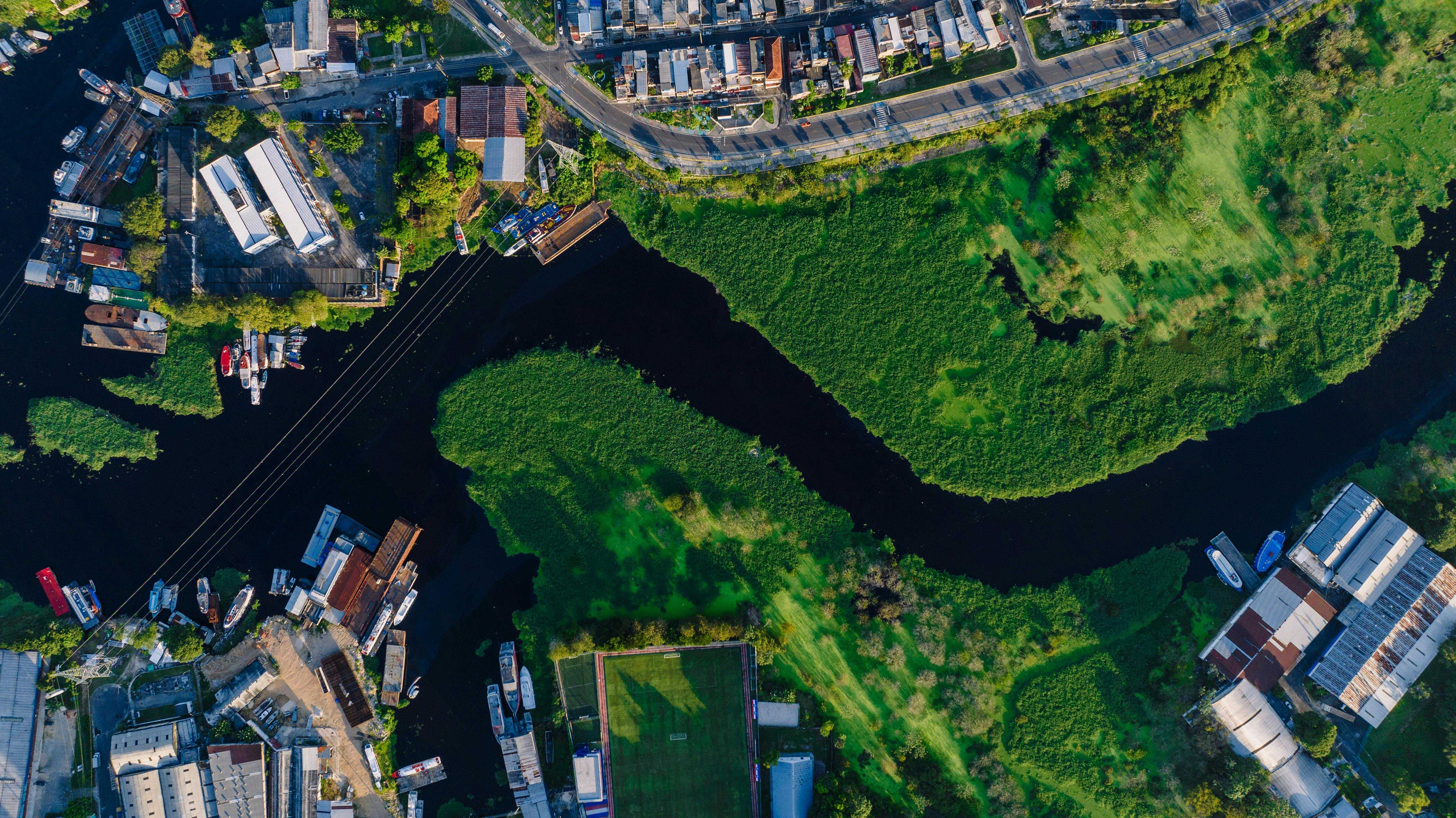
Amazonas, Brazil's largest state, is synonymous with the awe-inspiring Amazon Rainforest and the mighty Amazon River. This vast, emerald-green…

#Amazon Rainforest#Manaus#Brazilian biodiversity#Amazon River#Tribal communities

Explore Amazonas

Top cities in Amazonas

Pick a city to open its guide.

See it for yourself

Location videos

Reels and longer watches.

Featured for Amazonas

Traveller clips picked out for this place.

Watch & explore

Good to know

Practical info

Weather, costs and getting around.

Amazonas, Brazil Open in Google Maps
Currency
R$ | BRL | Brazilian Real
Population
3.94 million (2022)
Density
3 / km²
Local time
Languages
Portuguese mainly · Spanish, English, Nheengatu, Tucano, Baniwa, Tikuna
Budget / day
R$300 - R$1500
Also known as
Pulmón del mundo, Selva Amazónica, Amazonas, Brasil, Amazon Rainforest

Know before you go

Local guide

A deeper read on Amazonas.

What people love

Amazonas offers an unparalleled opportunity to explore the world's largest tropical rainforest and witness staggering biodiversity. Nature enthusiasts will be thrilled by the chance to spot exotic wildlife, from pink river dolphins to jaguars, in their natural habitat. The region provides incredible ecotourism experiences, including jungle trekking, piranha fishing, and multi-day river cruises. Additionally, visiting Amazonas allows for meaningful cultural immersion with indigenous communities, offering insights into their traditional ways of life. It is a truly transformative destination for adventure seekers and those passionate about environmental conservation.

What to know

Traveling in Amazonas comes with notable challenges, primarily the intense equatorial climate, which is hot, sticky, and highly humid year-round. Mosquitoes and other insects are prevalent, bringing risks of tropical diseases like malaria, dengue, and yellow fever, making vaccinations and repellents essential. The sheer scale of the region means long travel times, often requiring slow boat journeys or small flights to reach remote lodges. Infrastructure outside of Manaus is basic, and access to medical facilities in the jungle is extremely limited. Additionally, language barriers can be significant if you do not speak Portuguese.

Amazonas, the largest state in Brazil, boasts a history as vast and complex as the rainforest that covers it. Long before European contact, this immense territory was home to millions of Indigenous people belonging to hundreds of distinct ethnic groups, such as the Manaós, Baré, and Tukano. These sophisticated societies thrived along the riverbanks, developing intricate agricultural systems, ceramics, and trade networks that spanned the Amazon basin.

European exploration began in the 16th century when Spanish conquistador Francisco de Orellana navigated the length of the Amazon River in 1541, naming it after the fierce female warriors of Greek mythology whom he claimed to have encountered. However, it was the Portuguese who eventually consolidated control over the region. Throughout the 17th and 18th centuries, Jesuit and Carmelite missionaries established settlements to convert the Indigenous populations, while Portuguese military expeditions built forts to secure the territory against Spanish and Dutch incursions. This era was marked by devastating epidemics and the enslavement of Indigenous peoples, which drastically reduced their populations.

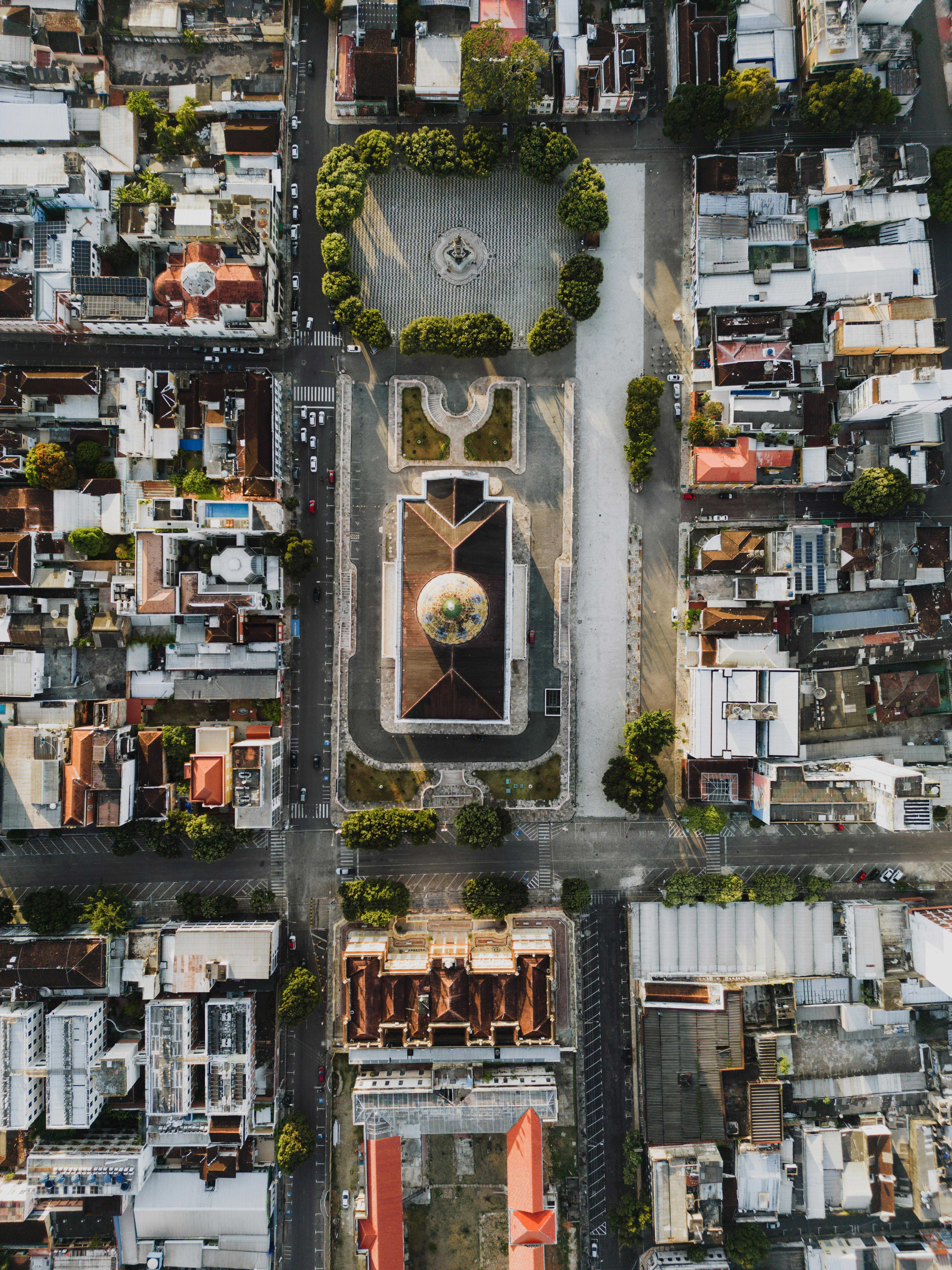
In 1850, Amazonas was officially elevated to the status of a province, separating from the neighboring Grão-Pará. The late 19th century ushered in a period of unprecedented wealth and transformation known as the Amazon Rubber Boom (1879–1912). The global demand for rubber, extracted from the native Hevea brasiliensis trees, brought immense riches to the region. The capital, Manaus, transformed into a lavish metropolis, earning the nickname "Paris of the Tropics." Rubber barons funded the construction of opulent European-style buildings, most notably the magnificent Teatro Amazonas, an opera house featuring materials imported entirely from Europe, which opened in 1896.

The boom abruptly ended in the 1910s when seeds smuggled out of the Amazon by the British were successfully cultivated in Southeast Asian plantations, undercutting Brazilian rubber prices. Amazonas plunged into decades of economic stagnation. It wasn't until 1967, with the establishment of the Free Economic Zone of Manaus (Zona Franca de Manaus) by the Brazilian military government, that the state experienced a massive industrial revival. This initiative attracted domestic and foreign manufacturing, rapidly urbanizing Manaus and drawing migrants from across the country.

Today, Amazonas stands at the forefront of global environmental discussions. The state balances the preservation of its unparalleled biodiversity and the rights of its surviving Indigenous communities with the pressures of modern economic development, agriculture, and ecotourism, offering travelers a profound glimpse into both its opulent past and its vital ecological future.

Traveler ratings

How Amazonas rates

From verified Travafa trips.

4.0
Very good
Based on 1 rating
Things to Do
5.0
Accommodation Quality
4.5
Local Transportation
2.5
Safety
2.0
Scenic Beauty
4.5
Shopping
4.5
Friendliness of People
4.0
Cleanliness
4.0
Value for Money
4.5
Internet Connectivity
3.5
Good for
100%
Friends
100%
Family
100%
Couple
100%
Solo
100%
Pets

Who is Amazonas for?

By the travellers who rated it on Travafa. Each page states the places, months and budget for that kind of trip.