
Alagoas
· BR

Alagoas

Alagoas, Brazil

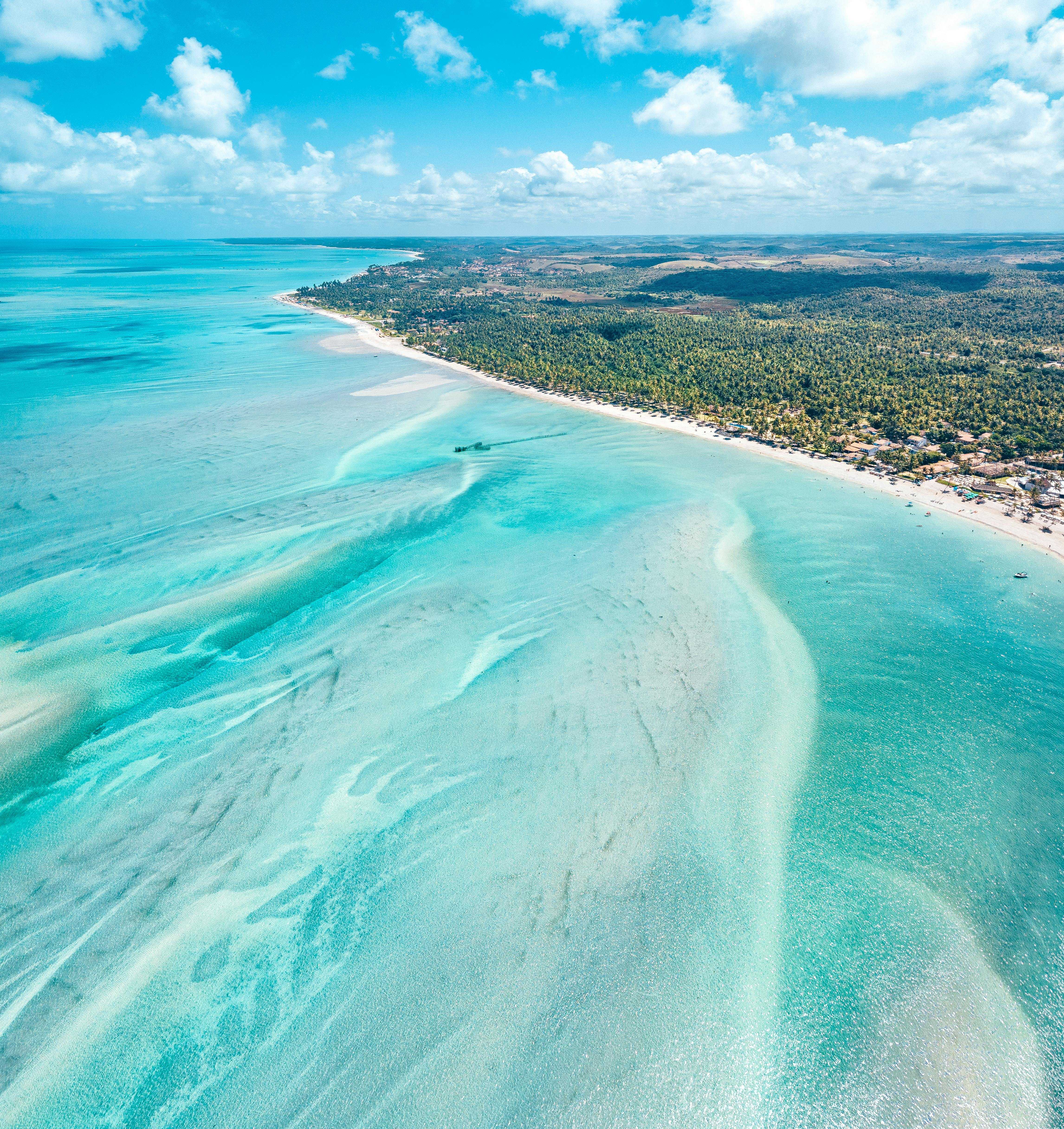
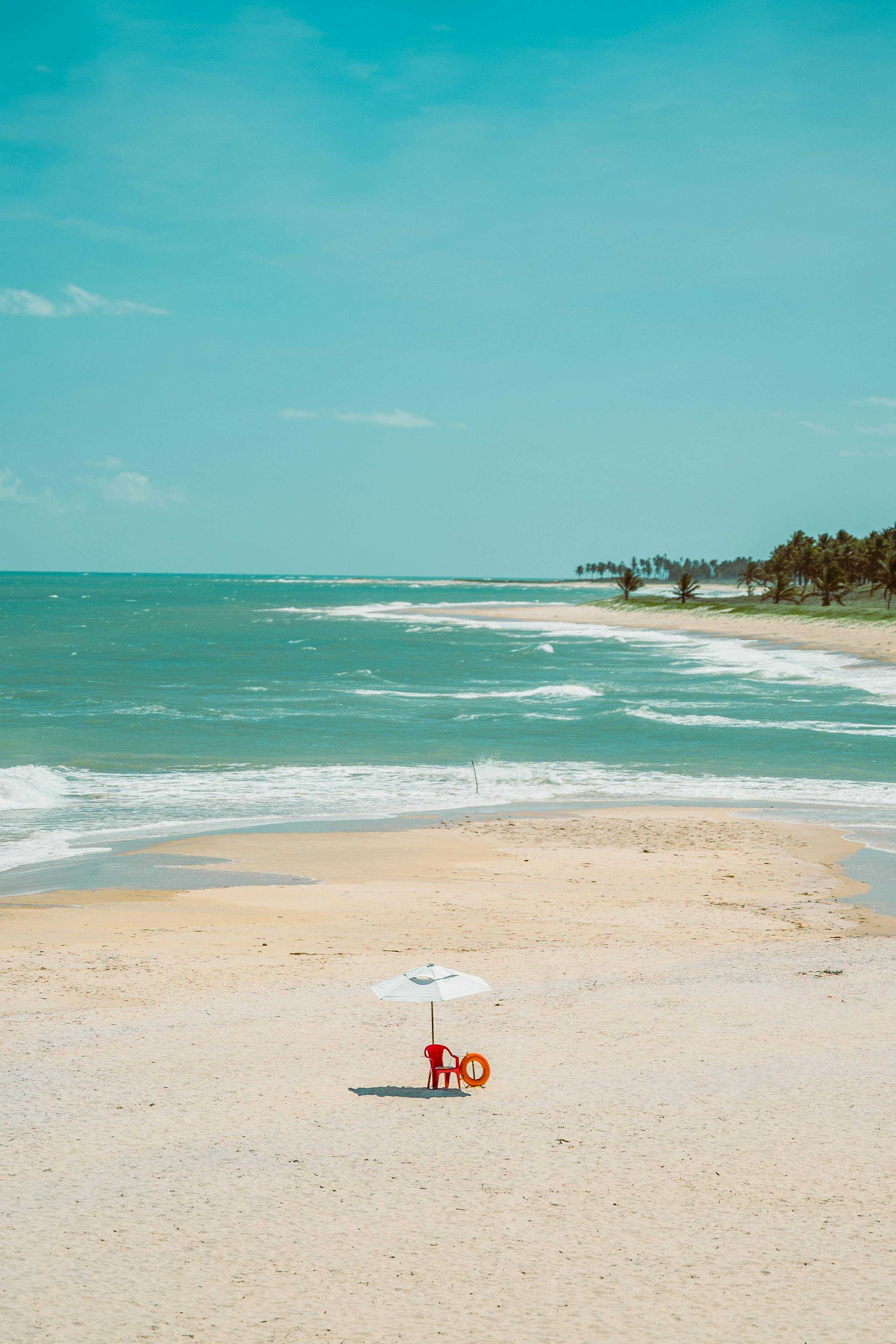
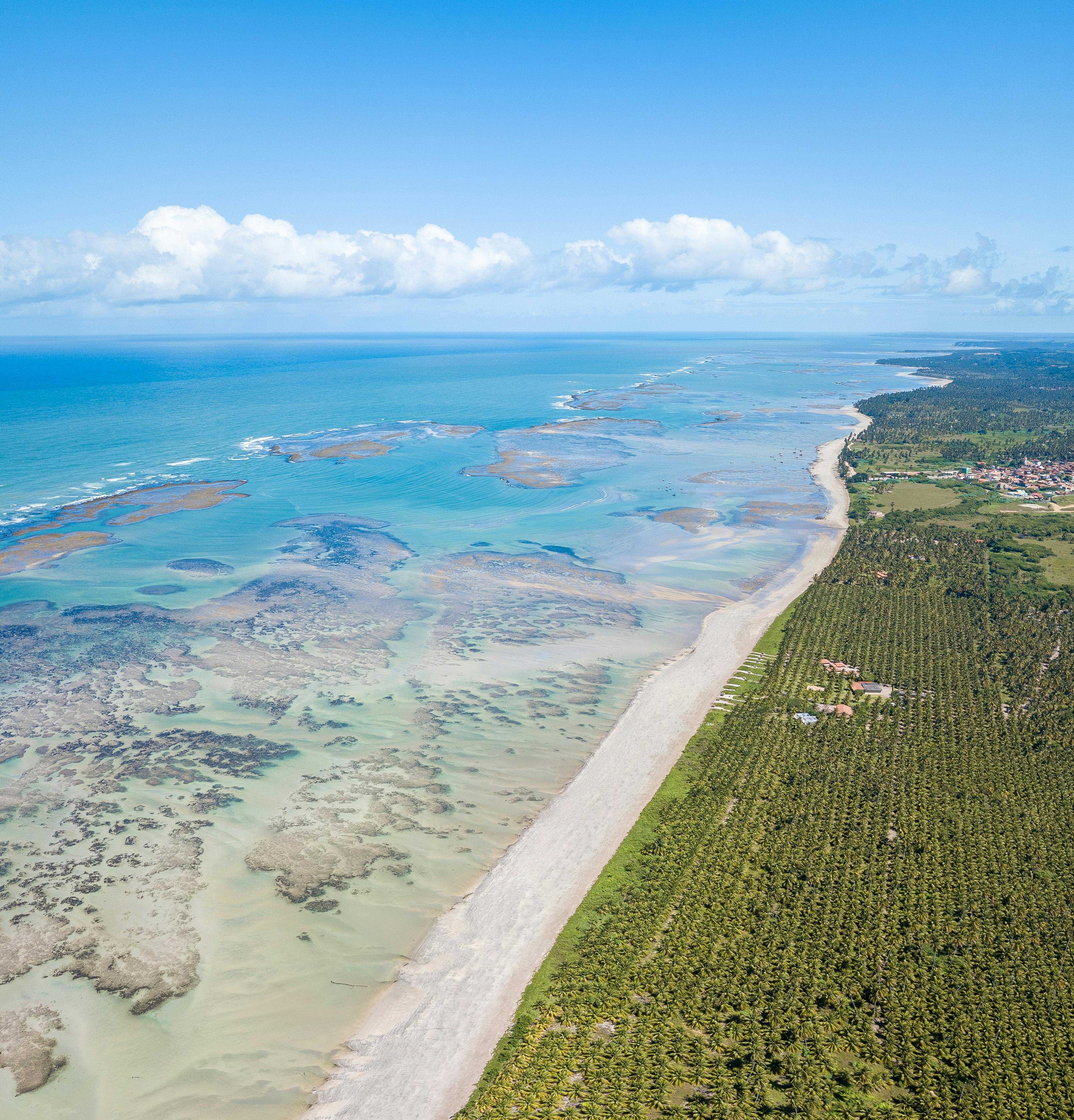
Escape to Alagoas: Where Turquoise Waters Meet Coconut Groves Dreaming of endless beaches, dazzling blue waters, and a taste of authentic Brazilian culture? Look no further than Alagoas, a hidden gem nestled in Brazil's …

#Brazil#Northeast Brazil#Beaches#Tropical#Tourism
1/9

Top hotels & flights

Hand-picked stays and the best fares into Alagoas.

Top Hotels in Alagoas

Top Flights to Alagoas

Popular activities

Tours, tickets and experiences travelers book most in Alagoas.

Tours

Maceió's Beautiful Beaches

Explore the stunning beaches of Maceió, known for their clear blue waters and white sands.

Historic Tour of Penedo

Discover the colonial architecture and history in the charming town of Penedo.

Visiting Barra de São Miguel

A charming coastal town with beautiful beaches and vibrant nightlife.

Cultural Experience at Palácio dos Martírios

Immerse yourself in Alagoas' culture and history at the beautiful Palácio dos Martírios.

Shopping

Shopping at Maceió's Craft Markets

Find unique handcrafted items and souvenirs at local markets.

Outdoor

Snorkeling and Diving at Maragogi

Experience the vibrant marine life with snorkeling or diving excursions in Maragogi.

Rural Tourism in Santana do Ipanema

Explore the rural landscapes and agritourism in Santana do Ipanema.

Hiking at Serra da Barriga

Enjoy panoramic views and explore the trails at Serra da Barriga.

Kayaking in the São Francisco River

Paddle through the scenic São Francisco River, enjoying the unique flora and fauna.

Exploring Grottos at the Coastline

Explore the unique rock formations and grottos along Alagoas' coastline.

Location videos

Real reels from travelers, plus longer watches to get the full picture.

From travelers
Watch & explore

Practical info

The essentials for planning your time in Alagoas.

Currency
R$ | BRL | Brazilian Real
Population
3.4 million
Languages
Portuguese, Portuguese

Local guide

What travelers love, what to watch for, and a deeper read on Alagoas.

What people love

Alagoas, located in Brazil, offers a variety of attractions and activities for travelers to enjoy. Here are some of the pros of traveling to Alagoas:

  1. Stunning Beaches: Alagoas is known for its beautiful beaches with crystal-clear waters and white sandy shores. Some of the most popular beaches include Praia do Francês, Praia de Pajuçara, and Maragogi Beach.

  2. Natural Pools: The region is home to natural pools formed by coral reefs, such as the ones in Maragogi. These pools provide a unique opportunity for snorkeling and swimming in a tranquil and picturesque setting.

  3. Ecotourism Opportunities: Alagoas boasts a rich biodiversity with lush forests, rivers, and lagoons, offering plenty of opportunities for eco-friendly activities such as hiking, birdwatching, and exploring nature reserves like the Delta do São Francisco.

  4. Culinary Delights: Alagoas is famous for its delicious cuisine, particularly its seafood dishes. Don't miss trying local specialties like shrimp stew (moqueca de camarão) and tapioca pancakes filled with cheese or coconut.

  5. Culture and History: Explore the colonial architecture in cities like Maceió and Marechal Deodoro, visit museums and art galleries to learn about the local culture, and attend traditional festivals and events to experience the vibrant spirit of Alagoas.

Overall, traveling to Alagoas can offer a mix of relaxation, adventure, and cultural immersion, making it a great destination for a memorable vacation.

What to know

Some potential cons of traveling to Alagoas, Brazil, include:

  1. Safety concerns: While Alagoas is a beautiful destination, it has experienced some issues with crime, especially in certain areas. It is important to take precautions and be vigilant while traveling in Alagoas.

  2. Limited infrastructure: Some parts of Alagoas may have limited infrastructure, which can impact transportation, accommodation, and access to basic services.

  3. Language barrier: Portuguese is the official language in Brazil, and not everyone in Alagoas may speak English. This could pose challenges for travelers who do not speak Portuguese.

  4. Health risks: As with any tropical destination, travelers to Alagoas should be aware of potential health risks such as mosquito-borne illnesses like dengue fever or Zika virus.

  5. Weather considerations: Alagoas has a tropical climate with high humidity and rainfall. Travelers should be prepared for the weather conditions, especially during the rainy season.

It's always a good idea to research and plan ahead before traveling to any destination to ensure a safe and enjoyable trip.

Alagoas is a state located in the northeastern region of Brazil, known for its rich history, cultural heritage, and beautiful landscapes. Here's a detailed history of Alagoas, including significant events, historical figures, and important landmarks:

Early History

  • Pre-Colonial Period: Before the arrival of Europeans, the region that is now Alagoas was inhabited by various indigenous peoples, including the Caeté and Tupinambá tribes.
  • European Arrival: The Portuguese arrived in the region in the early 16th century. The area was initially part of the Captaincy of Pernambuco.

Colonial Period

  • Sugarcane Plantations: In the 16th and 17th centuries, Alagoas became an important area for sugarcane plantations, which relied heavily on the labor of enslaved Africans.
  • The Dutch Occupation: During the Dutch-Portuguese War in the mid-17th century, the Dutch occupied parts of northeastern Brazil, including Alagoas, but were eventually expelled by the Portuguese and local resistance.

19th Century

  • Independence and Province Status: After Brazil gained independence from Portugal in 1822, Alagoas was separated from Pernambuco and became its own province in 1817, a few years earlier, due to local political dynamics.
  • Regional Conflicts: The region experienced internal conflicts, including the Cabanada revolt (1832-1835), which involved resistance against the provincial government.

20th Century

  • Economic Shifts: The 20th century saw economic diversification with the development of the cattle industry, agriculture, and eventually tourism, as the state capitalized on its natural beauty and coastal location.
  • Political Influence: Alagoas has produced several influential political figures, including Fernando Collor de Mello, who became President of Brazil in 1990. His presidency was marked by economic reforms and was followed by an impeachment in 1992.

Significant Historical Figures

  • Zumbi dos Palmares: A key figure in the resistance against slavery, Zumbi was the leader of the Quilombo dos Palmares, a settlement of escaped enslaved Africans in the interior of Alagoas. He is celebrated as a symbol of resistance and freedom in Brazil.
  • Deodoro da Fonseca: Born in Alagoas, he was the first President of Brazil, serving from 1889 to 1891 following the Proclamation of the Republic.

Important Landmarks

  • Quilombo dos Palmares: The site of one of the most significant quilombos (escaped slave communities) in Brazilian history, located in the Serra da Barriga, is an important cultural and historical site.
  • Maceió: The state capital, known for its beautiful beaches, vibrant culture, and historical architecture.
  • Penedo: A historical city with colonial architecture, including churches and other buildings from the 17th and 18th centuries.
  • São Francisco River: The river forms part of the state's border and is a significant geographical feature, playing a crucial role in the region's history and economy.

Cultural Aspects

  • Festivals and Traditions: Alagoas is known for its rich folklore, music, and traditional crafts, including lacework and ceramics. The state celebrates various cultural festivals that reflect its diverse heritage.

Alagoas continues to be a region of historical significance and cultural richness in Brazil, attracting tourists and researchers interested in its past and its contributions to the broader history of Brazil.