
Darjeeling
City · India

Darjeeling

Darjeeling, West Bengal, India

Perched in the lesser Himalayas at an elevation of over 2,000 metres, Darjeeling is one of India's most celebrated hill stations. Known globally for…

#Hill station#Tea plantations#Himalayan views#Tourist destination#Cultural heritage

Top Hotels in Darjeeling

Top Flights to Darjeeling

Flying from

Top Activities in Darjeeling

Highlights

Things to do in Darjeeling

What travellers talk about most.

Tours

Darjeeling Mall Road Leisure Walk

Take a leisurely walk on Darjeeling Mall Road, a popular hangout spot for shopping and views.

Explore the Himalayan Mountaineering Institute

Visit the Himalayan Mountaineering Institute to learn more about mountaineering history and equipment. Great place for adventure enthusiasts.

Visit the Peace Pagoda

Spend a peaceful afternoon visiting the beautiful Peace Pagoda, offering serene views and spiritual ambiance.

Outdoor

Explore Darjeeling Tea Plantations

Visit the picturesque tea plantations of Darjeeling and learn about the tea-making process.

Explore Batasia Loop

Enjoy breathtaking views of the surrounding hills and valleys at the Batasia Loop, a famous scenic spot with a war memorial.

Morning at Tiger Hill

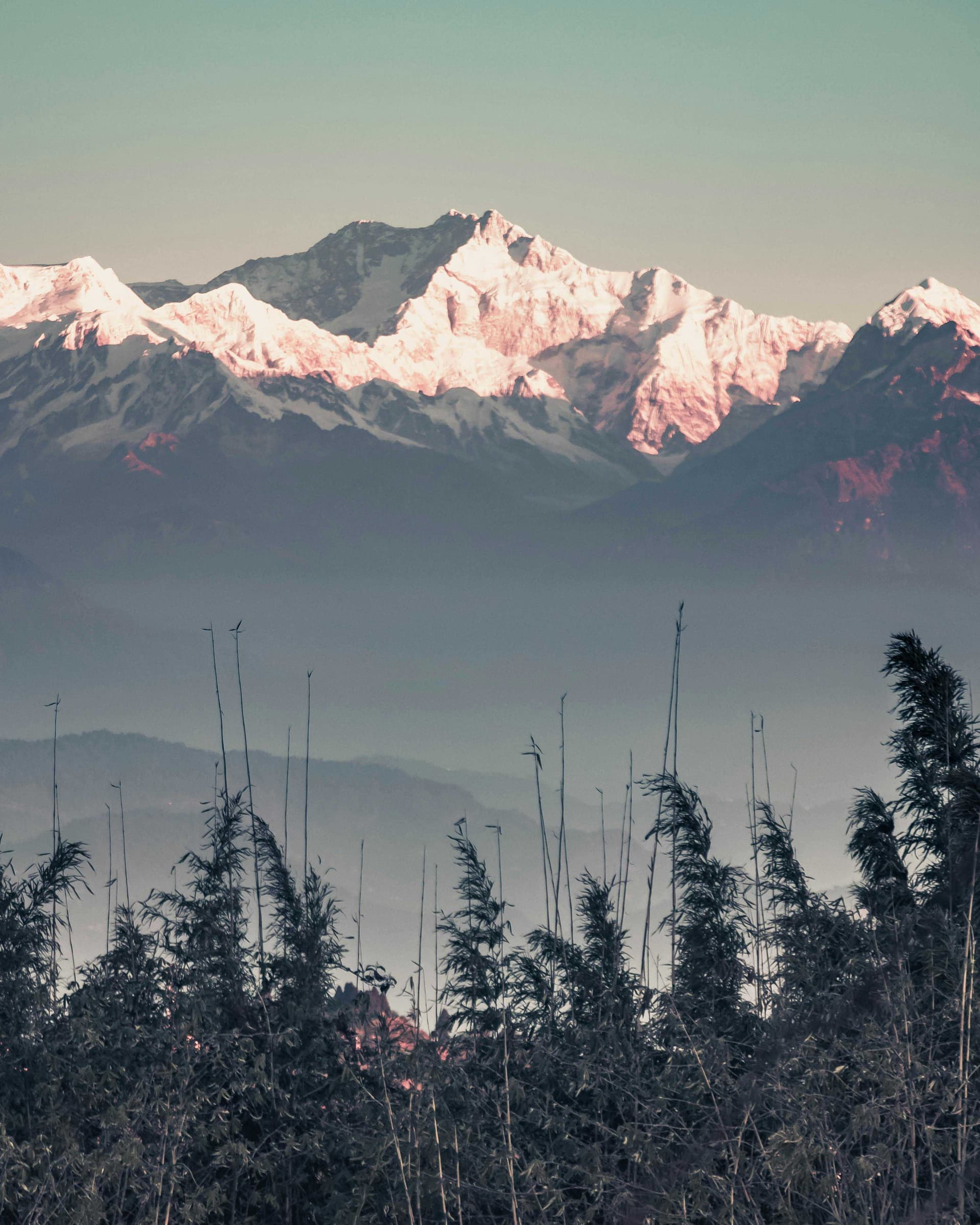
Experience the captivating sunrise over the majestic Kanchenjunga mountains from Tiger Hill. A perfect start to your day with breathtaking views.

More to explore

Explore the Tea Gardens of Darjeeling

Visit the picturesque tea gardens, such as the Happy Valley Tea Estate, where you can learn about tea processing and enjoy panoramic views of the plantations.

Ride the Darjeeling Himalayan Railway

Experience a ride on the UNESCO World Heritage Darjeeling Himalayan Railway, offering breathtaking views of the mountains and local villages.

Visit the Padmaja Naidu Himalayan Zoological Park

Explore one of the best zoos in India, featuring rare Himalayan animals like the red panda and snow leopard.

Trek to Tiger Hill

Hike to Tiger Hill early morning to witness a spectacular sunrise over Mount Kanchenjunga, the third highest peak in the world.

Shopping at Chowrasta and Mall Road

Enjoy shopping for local handicrafts, woolen clothes, and traditional items at Darjeeling's vibrant markets.

See it for yourself

Location videos

Reels and longer watches.

Featured for Darjeeling

Traveller clips picked out for this place.

Watch & explore

Good to know

Practical info

Weather, costs and getting around.

Darjeeling, West Bengal, India Open in Google Maps
When to go

Scored from each month’s typical high and its usual conditions.

GoodMixedAvoid
Best monthsMar – May, Oct – Nov
Worth avoidingJun – Sep
September · rainHigh 19°C Low 14°C
Avoid

Darjeeling, located in the Himalayan foothills, experiences a cool climate throughout the year. Summers (April to June) are mild with temperatures ranging from 15°C to 25°C, making it a pleasant time for sightseeing. Monsoons (July to September) bring heavy rainfall, often accompanied by mist and fog, which can lead to landslides and disrupt travel plans. Autumn (October to November) offers clear skies and moderate temperatures, ideal for enjoying the scenic beauty. Winters (December to February) are cold, with temperatures dropping to around 2°C to 10°C, and occasional snowfall, providing a picturesque setting. It's advisable to carry warm clothing, especially in the winter months.

All 12 monthshighs, lows and conditions
Jan
cold
10°
Feb
cold
12°
Mar
clear
15°
Apr
cloud
18°10°
May
cloud
19°12°
Jun
rain
20°15°
Jul
rain
19°15°
Aug
rain
19°15°
Sep
rain
19°14°
Oct
cloud
17°10°
Nov
clear
14°
Dec
cold
11°
Currency
₹ | INR | Indian Rupee
Population
118,805 (2011)
Density
1,821 / km²
Local time
Languages
Nepali mainly · English, Hindi, Bengali, Tibetan
Budget / day
₹5000 - ₹15000
Also known as
Land of the Thunderbolt, Darjeeling Himalayan Hill Region, Dorje-ling, दार्जिलिंग, Darjiling

Know before you go

Local guide

A deeper read on Darjeeling.

What people love

Darjeeling offers an enchanting escape with its spectacular panoramic views of the Kangchenjunga mountain range and lush, rolling tea estates. The cool, temperate climate provides a welcome respite from India's sweltering plains. Visitors can immerse themselves in a rich cultural tapestry that blends Nepali, Tibetan, and Bengali traditions, evident in the local cuisine and vibrant monasteries. The historic Darjeeling Himalayan Railway offers a nostalgic and scenic journey, while the surrounding hills provide excellent opportunities for trekking and nature walks.

What to know

Reaching Darjeeling involves a long, winding, and often bumpy drive from the nearest airport or railway station in Siliguri, which can induce motion sickness. The town's steep, narrow streets require significant walking uphill, which may be challenging for those with mobility issues. During the peak summer and autumn seasons, Darjeeling becomes heavily congested with tourists, leading to traffic jams and crowded viewpoints. Additionally, the monsoon season (June to September) brings heavy rainfall, obscuring mountain views and occasionally causing landslides that disrupt travel.

Darjeeling, located in the Indian state of West Bengal, is a town with a rich and varied history, significant for its picturesque landscapes, cultural diversity, and colonial past.

Early History

The region that is now Darjeeling was originally inhabited by various indigenous tribes such as the Lepchas and the Bhutias. It was part of the Sikkim kingdom, and the name "Darjeeling" is believed to be derived from the Tibetan words "Dorje" (thunderbolt) and "Ling" (place or land), meaning "the land of the thunderbolt".

Colonial Era

  • British Acquisition (1835): In the early 19th century, the British East India Company was expanding its territories in India. Darjeeling was ceded to the British by the Chogyal (King) of Sikkim in 1835 as part of a treaty. It was initially established as a hill station for British officials seeking relief from the heat of the plains.

  • Development as a Hill Station: The British recognized Darjeeling's potential as a strategic military outpost and a sanatorium. The first road connecting Darjeeling to the plains was completed in 1842, facilitating easier access. The arrival of the British also saw the establishment of tea plantations, which became the backbone of Darjeeling's economy.

Tea Industry

  • Introduction and Growth: The first tea plantations were established in the 1850s, and Darjeeling tea eventually gained worldwide fame for its unique flavor and quality. By the late 19th century, it was one of the most sought-after teas in the world, contributing significantly to the region's economy and development.

Darjeeling Himalayan Railway

  • Construction: In 1881, the Darjeeling Himalayan Railway was completed, connecting Darjeeling with Siliguri in the plains. The railway, with its narrow gauge steam engines, was a marvel of engineering and is now a UNESCO World Heritage Site.

20th Century and Independence

  • Political Movements: During the early 20th century, Darjeeling became a center for political activity, with many leaders of the Indian independence movement visiting the town. After India gained independence in 1947, Darjeeling became part of the state of West Bengal.

  • Gorkhaland Movement: The latter half of the 20th century saw the rise of the Gorkhaland movement, which sought the creation of a separate state for the Nepali-speaking population in the Darjeeling hills. This led to significant political unrest and violence in the 1980s and again in the 2000s and 2010s. The movement remains an important political issue in the region.

Landmarks and Cultural Heritage

  • Tiger Hill: Known for offering panoramic views of Mount Everest and Kanchenjunga, Tiger Hill is a popular tourist destination.

  • Batasia Loop: A spiral railway track where the Darjeeling Himalayan Railway makes a loop around a hill, offering stunning views of the surrounding landscape.

  • Darjeeling Mall (Chowrasta): A central gathering place for locals and tourists, surrounded by shops and restaurants.

  • St. Andrew's Church and Mahakal Temple: Reflect the town's diverse religious heritage.

  • Padmaja Naidu Himalayan Zoological Park: Known for its conservation efforts for endangered species like the Red Panda and Snow Leopard.

  • Peace Pagoda: Built by the Japanese Buddhist monk Nichidatsu Fujii, it symbolizes peace and tranquility.

Notable Figures

  • Sister Nivedita: An Irish social worker and disciple of Swami Vivekananda, known for her work in Darjeeling.

  • Tenzing Norgay: One of the first two individuals known to reach the summit of Mount Everest, along with Edmund Hillary, lived in Darjeeling.

Modern Day

Today, Darjeeling is known for its stunning natural beauty, vibrant cultural life, and its tea industry. It continues to attract tourists from all over the world and remains an important cultural and economic hub in the region.

Darjeeling's unique blend of colonial history, natural beauty, and cultural diversity makes it a fascinating place with a rich historical tapestry.

Traveler ratings

How Darjeeling rates

From verified Travafa trips.

4.4
Very good
Based on traveler reviews
Things to Do
4.3
Accommodation Quality
4.9
Local Transportation
4.1
Safety
4.8
Scenic Beauty
4.4
Shopping
4.0
Friendliness of People
4.8
Cleanliness
4.8
Value for Money
4.3
Internet Connectivity
4.3
Good for
75%
Friends
13%
Family
25%
Couple
38%
Solo
0%
Pets