Zagreb
City · Croatia

Zagreb

Zagreb, Zagreb, Grad, Croatia

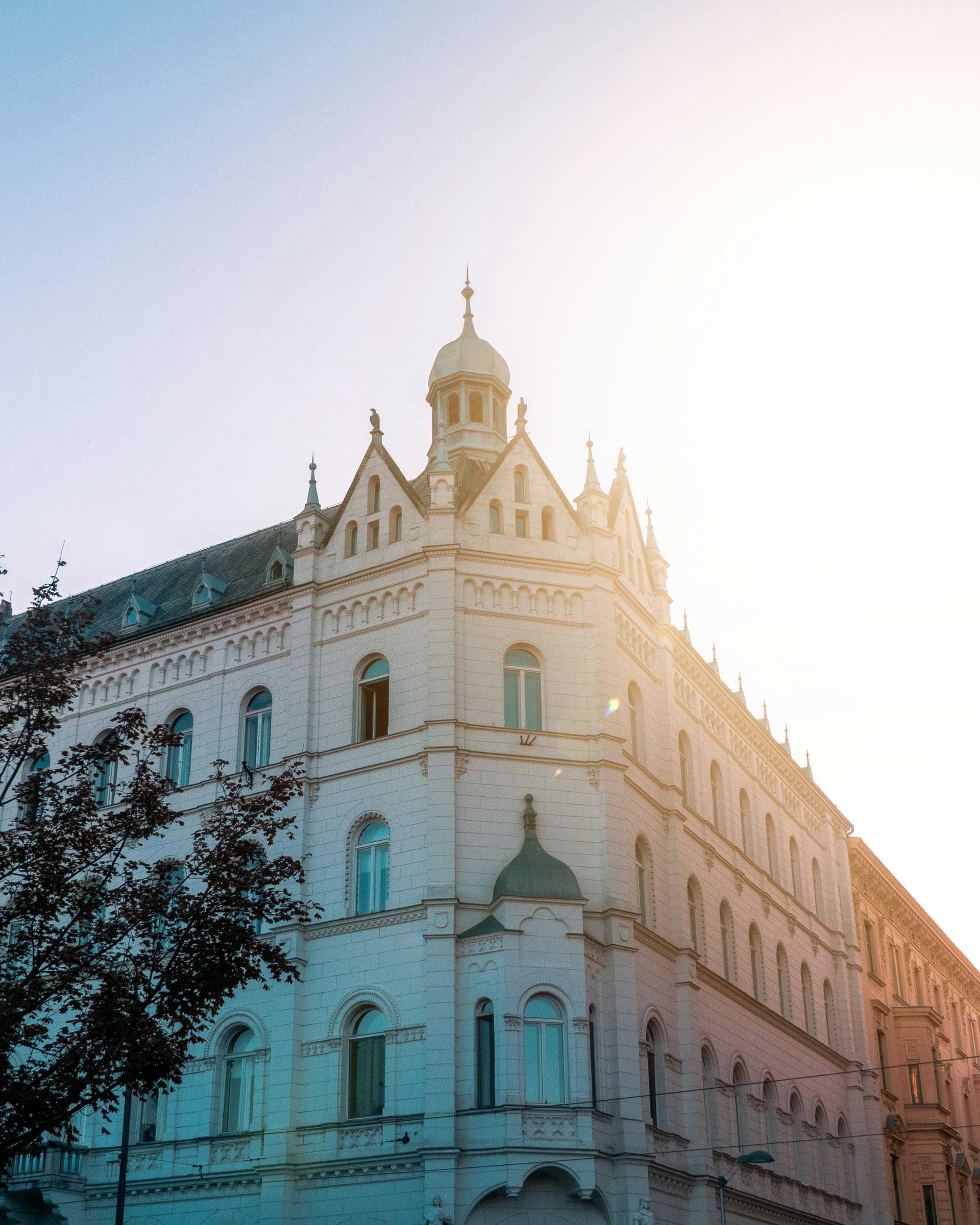
Zagreb: Where Central European Charm Meets Balkan Spirit Nestled against the slopes of Mount Medvednica, Zagreb, the vibrant capital of Croatia…

#Capital City#Historic#Cultural#European#Landmarks

Top Hotels in Zagreb

Top Flights to Zagreb

Flying from

Top Activities in Zagreb

Highlights

Things to do in Zagreb

What travellers talk about most.

Tours

Explore Zagreb's Historic Landmarks

Discover the rich history of Zagreb with a tour of its most iconic landmarks.

Shopping

Zagreb City Shopping Spree

Explore the diverse shopping options in the vibrant city of Zagreb.

Outdoor

Hiking in Medvednica Nature Park

Experience a scenic hike in the Medvednica mountainous region just outside of Zagreb.

See it for yourself

Location videos

Reels and longer watches.

Watch & explore

Good to know

Practical info

Weather, costs and getting around.

Zagreb, Zagreb, Grad, Croatia Open in Google Maps
When to go

Scored from each month’s typical high and its usual conditions.

GoodMixedAvoid
Best monthsMay – Jun, Sep – Oct
Worth avoidingNov – Jan, Mar – Apr
November · rainHigh 10°C Low 3°C
Avoid

Zagreb experiences a continental climate with four distinct seasons. Summers (June to August) are warm, with average temperatures ranging from 20°C to 30°C (68°F to 86°F), and occasional thunderstorms. Winters (December to February) are cold, with temperatures often dropping below freezing, averaging between -3°C and 5°C (27°F to 41°F), and snowfall is common. Spring (March to May) and autumn (September to November) are mild and pleasant, with temperatures ranging from 10°C to 20°C (50°F to 68°F), making these ideal times to visit for mild weather and colorful scenery. Rainfall is fairly evenly distributed throughout the year, so it's a good idea to carry an umbrella.

All 12 monthshighs, lows and conditions
Jan
snow
4°-2°
Feb
cloud
7°-1°
Mar
rain
12°2°
Apr
rain
17°6°
May
cloud
22°11°
Jun
sun
26°15°
Jul
hot
29°17°
Aug
hot
28°17°
Sep
sun
23°13°
Oct
cloud
17°8°
Nov
rain
10°3°
Dec
snow
5°-1°
Currency
kn | HRK | Croatian Kuna
Population
The estimated total population of Zagreb, Croatia is approximately 0.8 million.
Density
1,196 / km²
Local time
Languages
Croatian mainly
Budget / day
€60 - €150
Also known as
Zagabria, Agram, Zágráb, Zagreb, Croácia

Know before you go

Local guide

A deeper read on Zagreb.

What people love

Zagreb, the capital city of Croatia, offers several advantages for travelers:

  1. Rich history and culture: Zagreb is a city with a long and fascinating history, reflected in its architecture, museums, and cultural events. Visitors can explore historic sites such as the Zagreb Cathedral, St. Mark's Church, and the Museum of Broken Relationships.

  2. Vibrant arts and entertainment scene: Zagreb is known for its lively arts and entertainment scene, with numerous theaters, galleries, and music venues offering a range of cultural experiences. The city hosts regular festivals, concerts, and exhibitions throughout the year.

  3. Beautiful green spaces: Zagreb is a city that values its green spaces, with numerous parks and gardens providing a peaceful retreat from the urban bustle. Maksimir Park, Jarun Lake, and Medvednica Mountain are popular outdoor destinations for locals and visitors alike.

  4. Delicious cuisine: Croatian cuisine is a delicious mix of Mediterranean, Central European, and Balkan influences, and Zagreb offers a range of dining options to suit every palate. From traditional dishes like štrukli and purica s mlincima to international cuisine, visitors can enjoy a diverse culinary experience.

  5. Easy access to other destinations: Zagreb's central location in Croatia makes it a convenient base for exploring other parts of the country. Visitors can easily travel to coastal cities like Split and Dubrovnik, as well as inland destinations like Plitvice Lakes National Park.

Overall, Zagreb has a lot to offer travelers looking for a mix of history, culture, nature, and gastronomy in a vibrant European capital city.

What to know

Some potential cons of traveling to Zagreb, Croatia could include:

  1. Limited public transportation: While Zagreb does have a public transportation system, it may not be as extensive or efficient as in some other European cities. This could make getting around the city more challenging for tourists.

  2. Language barrier: Croatian is the official language in Zagreb, and while many people in the tourism industry may speak English, the language barrier could still be a challenge for some travelers.

  3. Crowds: Like many popular tourist destinations, Zagreb can get quite crowded, especially during peak tourist seasons. This could result in long lines at popular attractions and crowded streets in the city center.

  4. Weather: Depending on the time of year you visit, Zagreb's weather can be quite variable. Winters can be cold and snowy, while summers can be hot and humid. Be sure to pack accordingly for the weather conditions during your visit.

  5. Limited tourist infrastructure: While Zagreb is a beautiful and historic city, it may not have the same level of tourist infrastructure as some other European capitals. This could mean fewer tourist amenities and services available to travelers.

Please note that these are general considerations and may not apply to all travelers. It's always a good idea to do further research and consider your own preferences and travel needs before visiting Zagreb.

Zagreb, the capital and largest city of Croatia, has a rich and varied history that stretches back over a millennium. Here is a detailed overview:

Early History

  • Ancient Times: The area around Zagreb has been inhabited since prehistoric times, with archaeological findings indicating human presence dating back to the Stone Age. During Roman times, a settlement known as Andautonia existed near present-day Zagreb.

  • Medieval Period: The city of Zagreb officially dates its founding to 1094 when the Hungarian King Ladislaus I established a diocese on Kaptol, one of the hills that the city is built upon. Nearby, the Gradec hill became a fortified settlement, which was granted a royal charter as a free royal city by King Béla IV in 1242. This charter granted the settlement special privileges and autonomy.

Development and Growth

  • Union of Kaptol and Gradec: Over the centuries, Kaptol and Gradec developed as two separate and often rival entities until they were united in 1850 to form the city of Zagreb. This unification marked the beginning of modern Zagreb.

  • 19th Century: During this period, Zagreb experienced significant growth and modernization. The city expanded, and many important cultural and educational institutions were established, including the University of Zagreb in 1669, which is one of the oldest in Europe.

20th Century

  • World Wars: During World War I, Zagreb was part of the Austro-Hungarian Empire. After the war, it became part of the newly formed Kingdom of Serbs, Croats, and Slovenes, which later became Yugoslavia. During World War II, Zagreb served as the capital of the Independent State of Croatia, a Nazi puppet state.

  • Post-War Era: After World War II, Zagreb became the capital of the Socialist Republic of Croatia within the Socialist Federal Republic of Yugoslavia. The city continued to grow, both in terms of population and infrastructure.

  • Croatian Independence: In 1991, Croatia declared independence from Yugoslavia, and Zagreb became the capital of the newly independent Republic of Croatia. The city was affected by the Croatian War of Independence but sustained relatively minor damage compared to other parts of the country.

Significant Events and Figures

  • Nikola Tesla: Although not originally from Zagreb, the famed inventor and electrical engineer Nikola Tesla is celebrated in the city, with various institutions and monuments honoring his legacy.

  • Franjo Tuđman: As the first President of Croatia, Tuđman played a crucial role in leading the country to independence. He is a prominent historical figure associated with modern Zagreb.

Important Landmarks

  • Zagreb Cathedral: Originally built in the 13th century and reconstructed in the Gothic style, this cathedral is one of the most iconic structures in Zagreb and the tallest building in Croatia.

  • Ban Jelačić Square: This central square is a focal point of the city and a bustling hub for locals and tourists alike. It is named after Count Josip Jelačić, a notable figure in Croatian history.

  • St. Mark's Church: Known for its colorful tiled roof, this church is located in St. Mark's Square, which is also home to the Croatian Parliament and Government buildings.

  • Mirogoj Cemetery: Considered one of the most beautiful cemeteries in Europe, Mirogoj is not only a resting place for many notable Croatians but is also known for its architecture and serene environment.

  • Lotrščak Tower: Part of the city’s medieval fortifications, the tower is famous for the Grič cannon, which is fired every day at noon.

Zagreb today is a vibrant city that blends its rich history with a modern cultural and economic dynamism. It continues to be a central hub for politics, culture, and education in Croatia.