
Croatia
· HR

Croatia

Croatia

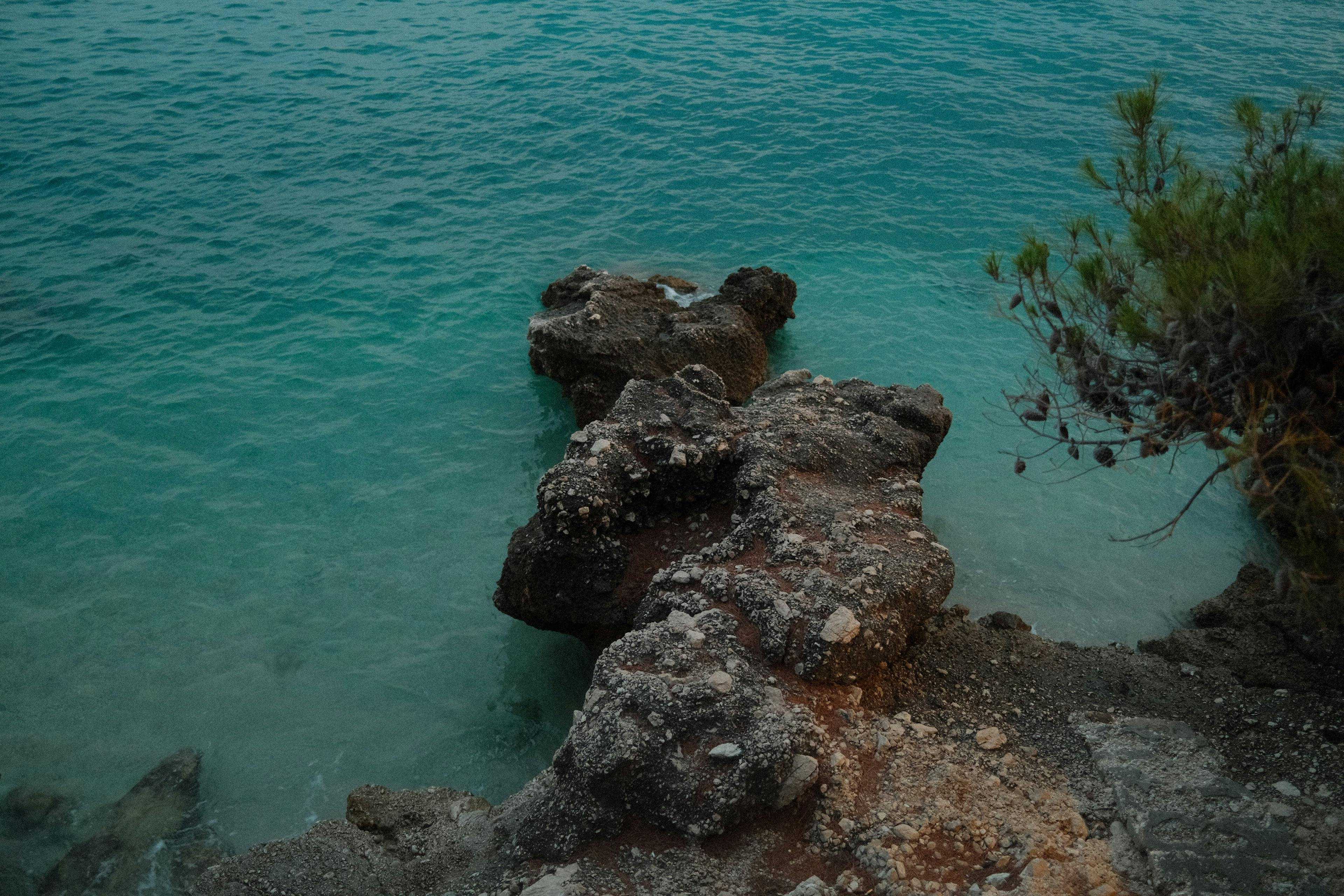
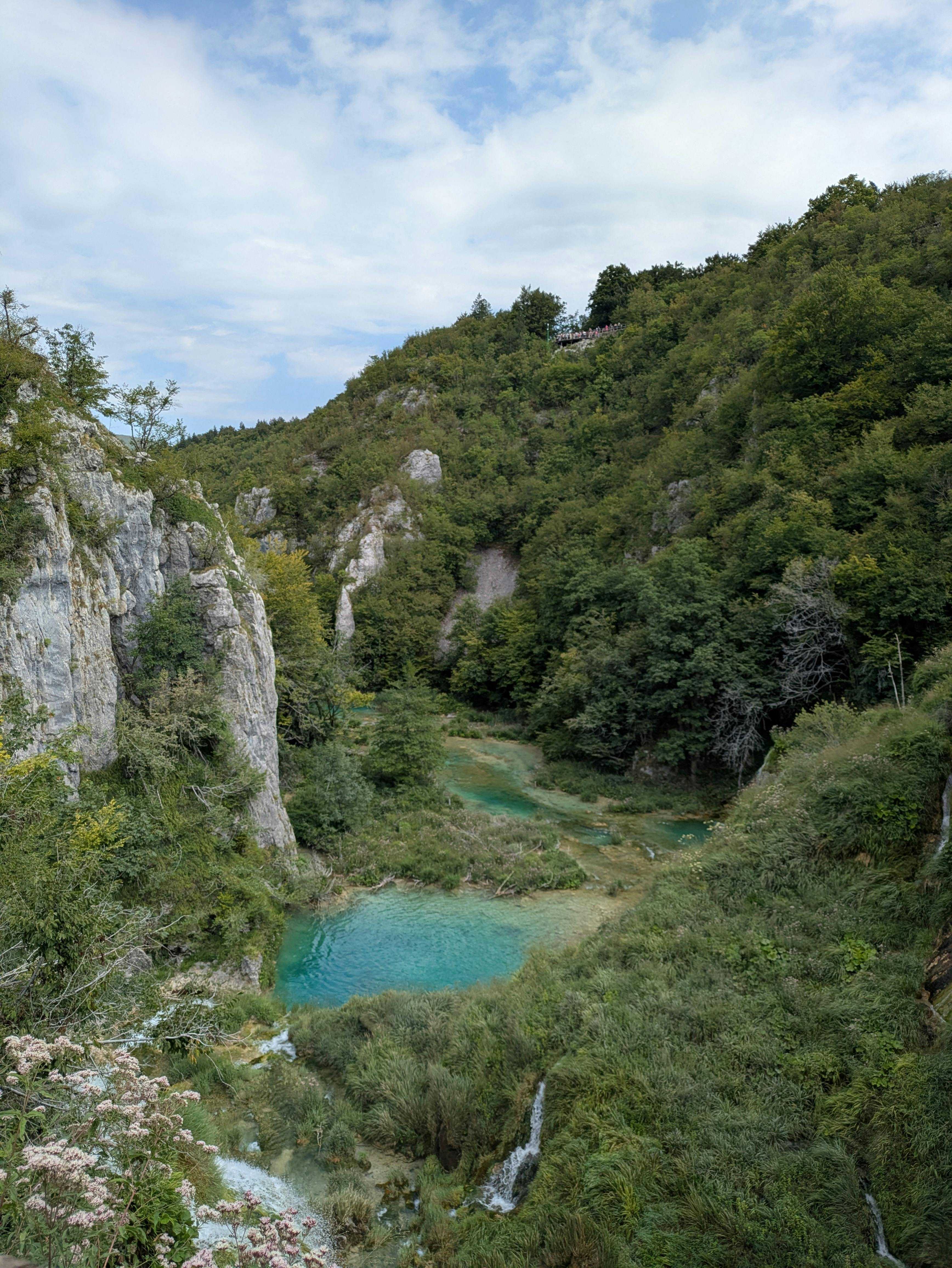
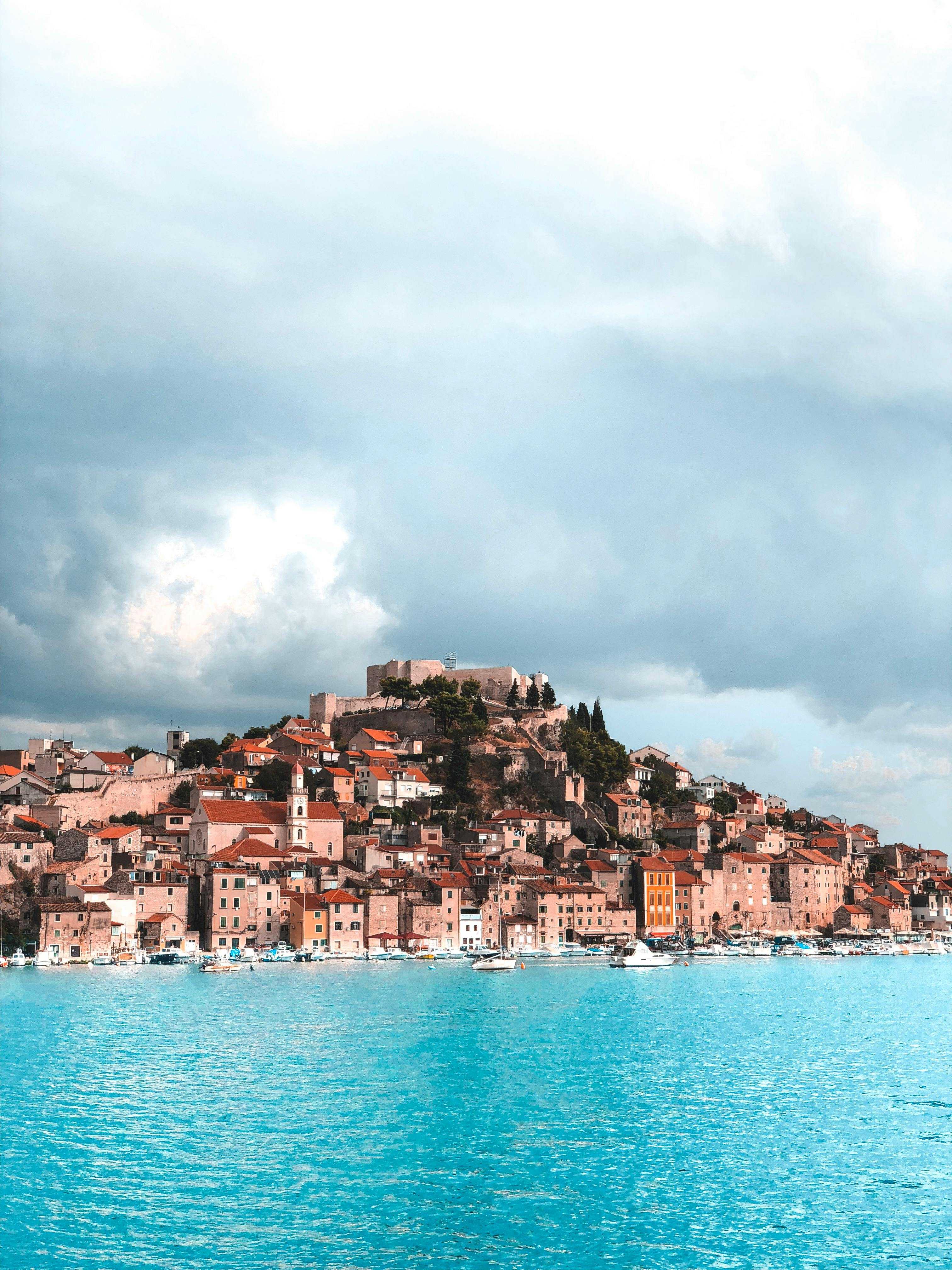
Croatia: Where Ancient History Meets Azure Waters Croatia, nestled along the Adriatic Sea, is a country where ancient history blends seamlessly with stunning natural beauty. Imagine sun-drenched beaches lapped by turquoi…

#Europe#Mediterranean#Adriatic Sea#Historic Sites#Islands
1/12

Top hotels & flights

Hand-picked stays and the best fares into Croatia.

Top Hotels in Dubrovnik

Top Flights to Dubrovnik

Location videos

Real reels from travelers, plus longer watches to get the full picture.

Watch & explore

Practical info

The essentials for planning your time in Croatia.

Currency
€ | EUR | Euro
Population
4.0 million
Languages
Croatian, Italian, Serbian, Hungarian
Average weather
Croatia
Jan
cold
7°1°
Feb
cold
9°2°
Mar
cloud
13°5°
Apr
cloud
17°8°
May
sun
22°13°
Jun
sun
26°17°
Jul
hot
30°20°
Aug
hot
30°20°
Sep
sun
25°16°
Oct
cloud
19°11°
Nov
rain
13°7°
Dec
cold
9°3°

Local guide

What travelers love, what to watch for, and a deeper read on Croatia.

What people love

Croatia is a popular travel destination known for its stunning coastline along the Adriatic Sea, historic cities, beautiful national parks, and rich cultural heritage. Here are some pros of traveling to Croatia:

  1. Beautiful Coastline: Croatia boasts over 1,000 islands with crystal-clear waters, hidden coves, and picturesque beaches. Visitors can enjoy swimming, snorkeling, sailing, and sunbathing along the stunning coastline.

  2. Historic Cities: Croatia is home to charming historic cities such as Dubrovnik, Split, and Zagreb. These cities are known for their well-preserved architecture, ancient ruins, and cultural sites, offering visitors a glimpse into Croatia's past.

  3. Cultural Heritage: Croatia has a rich cultural heritage influenced by various civilizations, including Roman, Venetian, and Ottoman. Visitors can explore historic sites, museums, galleries, and traditional festivals to learn more about the country's culture and history.

  4. Delicious Cuisine: Croatian cuisine is diverse and delicious, with influences from Mediterranean, Italian, and Balkan cuisines. Visitors can enjoy fresh seafood, grilled meats, cheeses, olive oil, and local wines while exploring the country.

  5. Outdoor Activities: Croatia offers a wide range of outdoor activities for nature lovers and adventure enthusiasts. From hiking in national parks like Plitvice Lakes and Krka to kayaking in the Adriatic Sea, visitors can enjoy the country's natural beauty in various ways.

  6. Affordable Travel: Compared to other European destinations, Croatia offers relatively affordable travel options, including accommodation, dining, and transportation. This makes it an attractive destination for budget-conscious travelers.

  7. Warm Hospitality: Croatians are known for their warm hospitality and friendliness towards visitors. Travelers can expect to be welcomed with open arms and experience the local culture firsthand through interactions with locals.

Overall, traveling to Croatia offers a mix of natural beauty, cultural heritage, delicious cuisine, and welcoming locals, making it a fantastic destination for a memorable vacation.

What to know

Traveling to Croatia offers many benefits, but there are also some potential cons to consider:

  1. Crowds: During peak tourist seasons, popular destinations in Croatia can get extremely crowded, especially in cities like Dubrovnik and Split. This can lead to long lines, difficulty finding accommodations, and an overall less enjoyable experience for some travelers.

  2. Cost: Croatia is not as cheap as some other Eastern European countries, and prices for accommodation, food, and activities can be higher than expected, especially in touristy areas. Budget travelers may find it challenging to stick to their spending limits.

  3. Transportation: While Croatia has a decent transportation infrastructure, getting around the country can sometimes be challenging, especially if you plan to explore more remote areas or islands. Public transportation may not always be convenient or reliable.

  4. Language barrier: While many Croatians speak English, especially in tourist areas, there can still be a language barrier in more rural regions or when dealing with older generations. This can make communication difficult and may lead to misunderstandings or confusion.

  5. Weather: Croatia experiences hot summers and cold winters, which may not be ideal for everyone. The peak tourist season coincides with the hottest months, so if you prefer milder weather, you may want to avoid traveling during this time.

Overall, these cons should not deter you from visiting Croatia, as the country has much to offer in terms of natural beauty, rich history, and vibrant culture. However, it's essential to be aware of these potential challenges and plan accordingly to make the most of your trip.

Croatia, located in Southeast Europe along the Adriatic Sea, has a rich and diverse history that spans thousands of years. Below is a detailed overview of its history, significant events, historical figures, and important landmarks.

Prehistoric and Ancient History

  • Prehistoric Era: Human presence in Croatia dates back to the Paleolithic period. The remains of Neanderthals have been found in the Krapina area.
  • Illyrians and Celts: Before Roman conquest, the region was inhabited by Illyrian tribes and later by the Celts.

Roman Era

  • Roman Conquest: The Romans conquered the region by the 1st century BC, incorporating it into the provinces of Pannonia and Dalmatia.
  • Significant Cities: Important Roman cities included Pula, Split (home to Diocletian's Palace), and Zadar.

Medieval Croatia

  • Arrival of the Croats: The Croats arrived in the 7th century, forming principalities.
  • Duchy and Kingdom: Croatia was established as a duchy, and in 925, Tomislav became the first king of Croatia.
  • Union with Hungary: After a period of fragmentation, Croatia entered into a personal union with Hungary in 1102 with the Pacta Conventa.

Ottoman and Habsburg Influence

  • Ottoman Threat: From the 15th to the 17th centuries, parts of Croatia were under threat or occupied by the Ottoman Empire.
  • Habsburg Monarchy: Croatia became integrated into the Habsburg Monarchy, with significant control over Croatian affairs.

19th and Early 20th Century

  • Illyrian Movement: In the 19th century, the Illyrian movement sought to unite South Slavs and promote Croatian culture.
  • Austro-Hungarian Empire: Croatia was part of the Austro-Hungarian Empire until its dissolution after World War I.

World War I and the Kingdom of Yugoslavia

  • Formation of Yugoslavia: Following WWI, Croatia became part of the Kingdom of Serbs, Croats, and Slovenes, later renamed the Kingdom of Yugoslavia.
  • Interwar Period: This period was marked by tension between ethnic groups and centralization efforts by the Serbian monarchy.

World War II

  • Independent State of Croatia: During WWII, a fascist puppet state called the Independent State of Croatia was established by the Axis powers.
  • Partisan Resistance: Josip Broz Tito led a successful partisan resistance against the Axis forces.

Socialist Federal Republic of Yugoslavia

  • Tito's Yugoslavia: After WWII, Croatia became a constituent republic of socialist Yugoslavia under Tito’s leadership.
  • Economic Development: Croatia experienced significant industrial and economic growth during this period.

Croatian War of Independence

  • Independence Declaration: Croatia declared independence from Yugoslavia on June 25, 1991.
  • War of Independence: A brutal war ensued from 1991 to 1995, resulting in Croatia gaining full sovereignty.

Modern Croatia

  • EU Membership: Croatia joined the European Union on July 1, 2013.
  • Tourism and Economy: Today, Croatia is known for its tourism industry, with popular destinations like Dubrovnik and the Dalmatian Coast.

Significant Historical Figures

  • King Tomislav: The first king of Croatia.
  • Josip Broz Tito: Leader of the Yugoslav Partisans and later President of Yugoslavia.
  • Franjo Tuđman: The first President of modern Croatia.

Important Landmarks

  • Diocletian's Palace: A UNESCO World Heritage site located in Split.
  • Dubrovnik Old Town: Known as the "Pearl of the Adriatic," a well-preserved medieval city.
  • Plitvice Lakes National Park: Renowned for its cascading lakes and waterfalls.
  • Pula Arena: One of the best-preserved Roman amphitheaters.

Croatia's history is characterized by periods of independence, foreign domination, and cultural flourishing, making it a unique and fascinating country with a rich heritage.