Echoes of Sultans and Sufis: A Journey Through Turkey’s Historic Heartland
An eight-night route through Istanbul, Bursa, and Konya
Istanbul, where early mornings beat the crowds
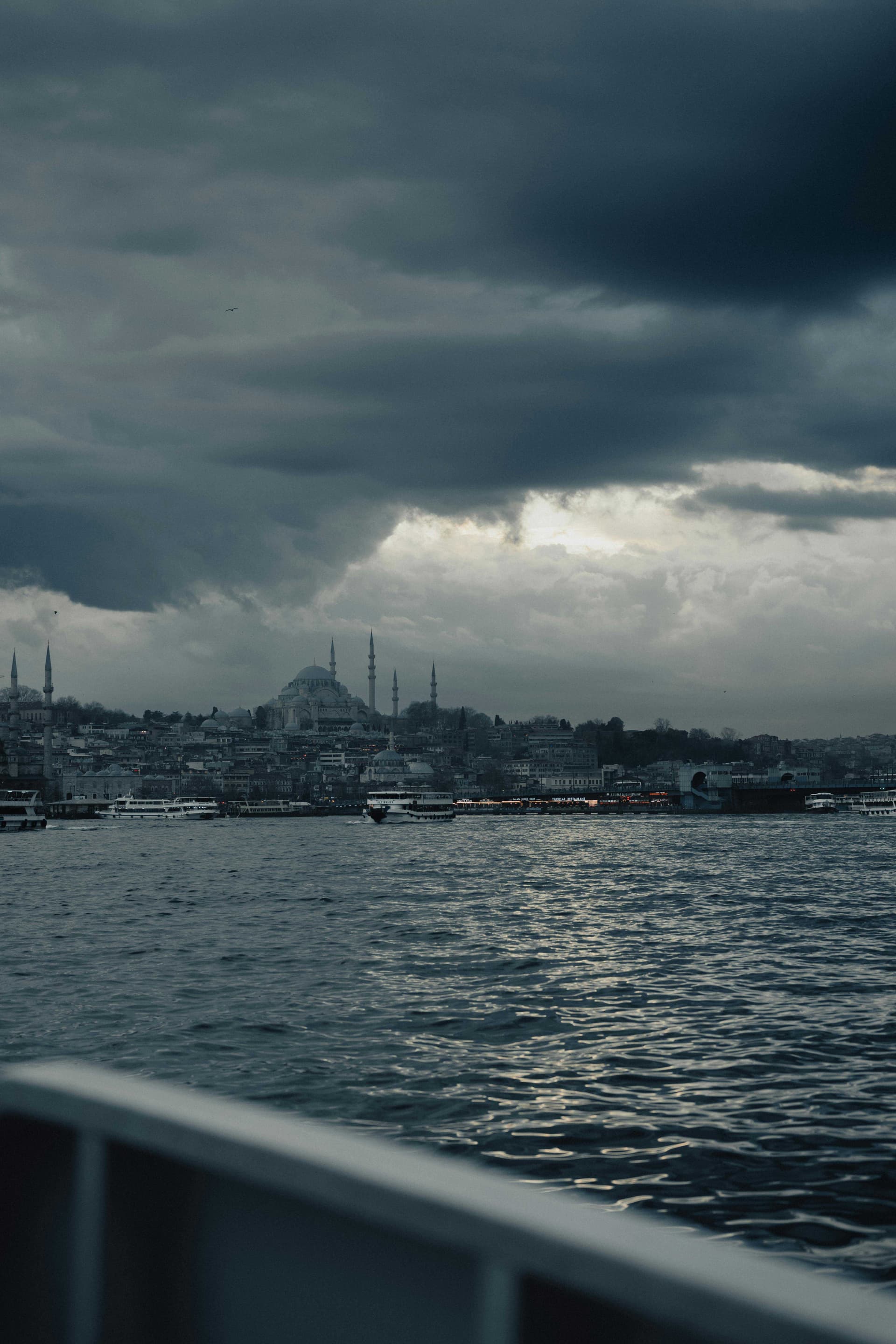
Set your alarm for 7:30am in Sultanahmet. By 8:00am you can Explore the Hagia Sophia, from TRY 850, before tour buses arrive from the cruise terminal. Watching sunlight filter through the high domes when the carpeted floor is nearly empty reveals the architecture as it was intended. A five-minute walk across the square takes you to the Topkapi Palace Tour, from TRY 1,500, where four centuries of Ottoman sultans directed an empire. Give yourself at least three hours here; the treasury and harem quarters require unhurried attention.
For lunch, bypass the tourist dining spots along the tramline and walk ten minutes down to Eminönü for fresh mackerel sandwiches grilled on harbor boats. Cross the Galata Bridge on foot alongside local anglers pulling in sardines, then take the historic Tünel funicular up the hill. A Galata Tower Visit, from TRY 1,050, gives sweeping views over the Golden Horn, though line-ups at sunset are rarely worth the hour-long wait—go mid-afternoon instead. Later, swap the high streets for Grand Bazaar Shopping, navigating vaulted passages for sumac, tea glasses, and woven textiles. Finish on the water with a public Bosphorus Cruise, from TRY 250, which runs up to Anadolu Kavağı for a fraction of private excursion prices.
If you want modern evening energy, head toward a Taksim Square Stroll along Istiklal Avenue, dipping into side alleys for cold meze and slow-roasted lamb. Four nights in Istanbul gives you enough breathing room to move beyond the main monuments and catch the city's neighborhood rhythms.
Getting from Istanbul to Bursa: Head to the Yenikapı ferry terminal in southern Istanbul to catch the passenger ferry across the Sea of Marmara to Mudanya port. From the dock, local feeder buses run directly into Bursa's central terminal in about thirty minutes. Check current ferry timetables and advance booking options online before heading to the pier.
Bursa, for silk markets and thermal baths
Bursa was the first capital of the Ottoman Empire, and the city feels grounded in a way Istanbul rarely manages. Spend your morning wandering through Koza Han, a two-story silk market built in 1491. Merchants still sell silk scarves around a quiet courtyard where you can order tea cooked over hot coals. A short walk uphill brings you to the Historical Attractions of Bursa, including the Grand Mosque (Ulu Cami) with its twenty domes and inner fountain, and the Green Tomb with its striking turquoise tilework.
Food in Bursa revolves around one dish: İskender kebab. Eat it at its birthplace in the city center. Sliced doner lamb sits over warm pide bread, drenched in melted sheep's butter and tomato sauce, served alongside thick cultured yogurt. If you want to head into nature after lunch, take the cable car up the mountainside. While winter brings snow sports, the warmer months offer hiking paths through pine forests and Adventure Sports in Uludağ.
Shopping in Bursa City Center offers quiet antique shops and towel bazaars without aggressive sales pitches. Spending two nights here allows you to settle into thermal bathhouses heated by natural mineral springs flowing from the mountain.
Getting from Bursa to Konya: Long-distance intercity buses depart regularly from Bursa's main bus terminal bound for Konya, crossing the Anatolian plateau in roughly six to seven hours. You can also drive via the D200 highway through Eskişehir. Check current bus operator schedules or car rental pickup points before setting out.
Konya, where Sufi heritage shapes the night
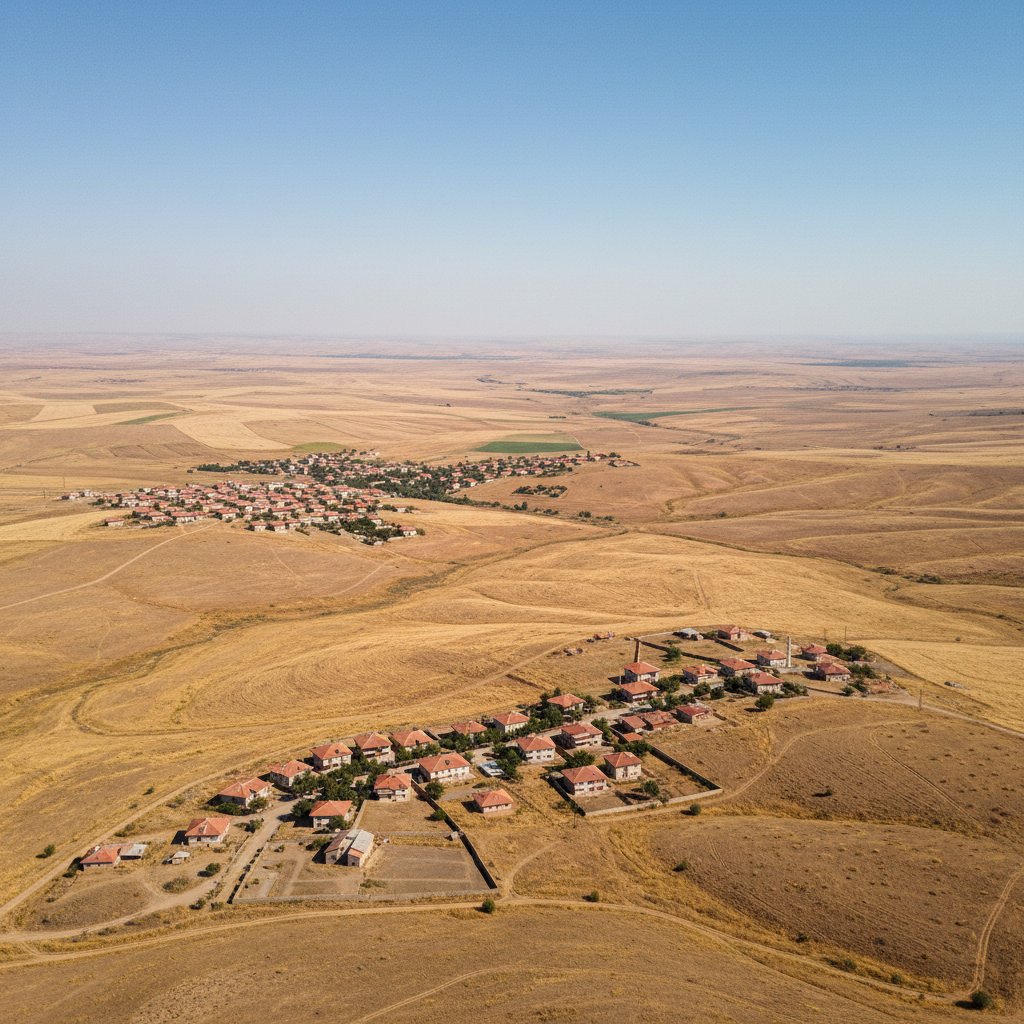
Arriving in Konya shifts the pace dramatically. This city on the Central Anatolian plateau was the capital of the Seljuk Sultanate of Rum and home to the 13th-century mystic poet Jalal al-Din Rumi. The Mevlana Museum, housed in the former lodge of the Whirling Dervishes, is the spiritual heart of the city. Walk past the turquoise dome into the sanctuary where visitors quietly pay respects at Rumi's tomb. The atmosphere is solemn and deeply moving, stripped of commercial noise.
Architecturally, Konya preserves fine Seljuk stonework. The Karatay Medrese, now a tile museum, features a mosaic dome that mirrors the night sky, while the Ince Minare Medrese showcases carved sandstone doorways with wood-like detail. For dinner, try fırın kebabı—mutton slow-roasted in its own fat for eight hours until tender—paired with etli ekmek, a paper-thin flatbread topped with spiced minced meat stretching over a meter long.
Plan your stay to coincide with a Saturday evening if possible, when the Konya Turkish Sufi Music Ensemble performs the traditional Sema ceremony at the Mevlana Cultural Center. Watching the dervishes spin in rhythmic devotion offers a window into living spiritual tradition. Two nights here allows ample time to absorb both the history and food culture without rushing.
Timing the trip across Anatolia’s high plateau
Spring (April to May) and autumn (September to October) offer the best weather for this itinerary. Summer temperatures in Konya routinely cross 35°C, while Istanbul grows humid and Bursa's mountain air turns hot during midday walks. Autumn brings crisp mornings, clear light for photography, and the harvest season for figs and grapes across the countryside.
Pack durable walking shoes with solid tread; ancient stone streets in Istanbul's old quarter and steep lanes in Bursa wear down flimsy soles quickly. Modest clothing is required for active mosques and shrines across all three cities, including headcovers for women and clothing covering shoulders and knees for everyone. Carrying cash in Turkish Lira helps for tea houses and market stalls where card readers are uncommon.
Ready-made plans
Start a trip to Istanbul
Day-by-day plans built on real bookable activities. Copy one and make it yours.