Spain by High-Speed Rail: Madrid, Zaragoza, and Barcelona
A practical seven-night itinerary connecting three distinct Spanish cities by train.
Planning your first high speed Spanish rail journey
Landing in Spain for the first time can feel overwhelming if you try to pack in too many regions. The classic northeastern rail corridor connecting Madrid, Zaragoza, and Barcelona is the easiest route to manage. You get central stations, frequent departures, and zero long driving stretches. Plan for seven nights total: three in Madrid to set a relaxed pace, one in Zaragoza to break up the transit with medieval history, and three in Barcelona to close out along the Mediterranean coast.
Schengen visa requirements apply for non-EU travelers, so secure your paperwork well before booking non-refundable tickets. Spain uses the Euro, and while contactless credit cards work virtually everywhere—from taxi meters to churro stalls—carrying €30 in coins and small bills helps for neighborhood lockers and public restrooms. Book your long-distance train tickets four to six weeks in advance on standard rail platforms to lock in lower fares and guaranteed seats during morning travel windows.
Madrid for three nights of museum strolls and evening tapas
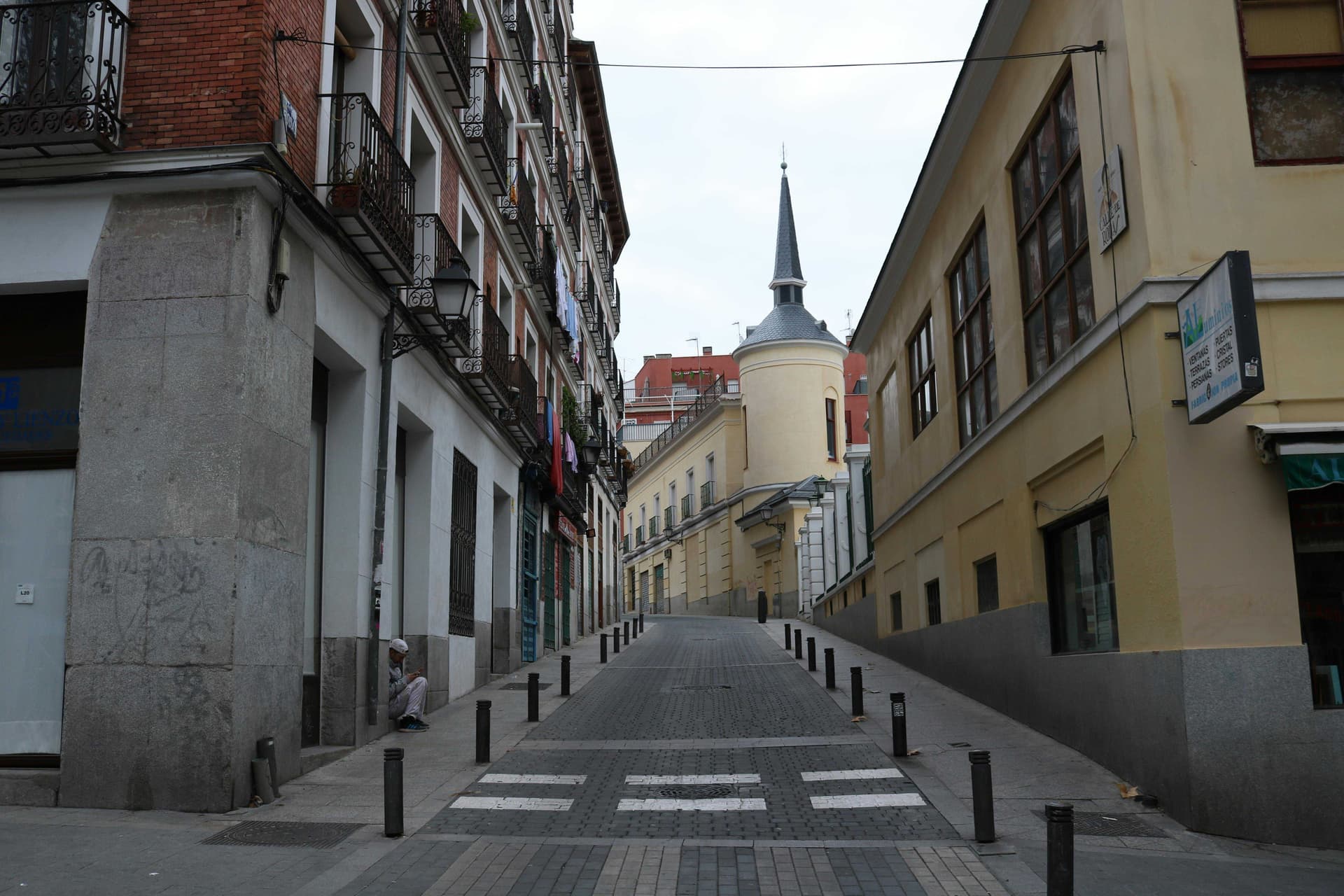
Start your trip in Madrid, where days run late and the grid is easy to navigate on foot. Allocate your first morning to classic art galleries before midday heat sets in. A Visit to Museo del Prado, from EUR 25, places you right in front of masterpieces by Velázquez and Goya. Walk fifteen minutes north afterward to cool down under the shade trees, taking a Retiro Park Leisure Walk past the central lake. Skip the long lines at big commercial restaurants and head straight into the local taverns around Barrio de las Letras for draft vermouth on tap and simple plates of garlic shrimp.
Reserve your second day for royalty and views. Book a Royal Palace of Madrid Tour, from EUR 18, to wander through official state rooms and grand courtyards. In the late afternoon, head over to the Alcalá corner for a Visit to the Círculo de Bellas Artes Rooftop, from EUR 6, where you get an unobstructed 360-degree look across the city's red-tile roofs. Wrap up your final night in the capital with an authentic performance by reserving seats at a Flamenco Show at Corral de la Morería, from EUR 50, located just south of the palace gardens.
Getting from Madrid to Zaragoza: High-speed trains run constantly from Madrid’s Atocha station, taking about 75 minutes to reach Zaragoza-Delicias. You can also take regional buses or drive, but rail remains the cleanest option. Always verify live schedules and reserve your seats early during peak seasons.
Zaragoza for a night of history along the Ebro river
Most travelers fly right past Aragon on their way to the coast, which is a mistake. Zaragoza sits halfway between Madrid and Barcelona, offering an authentic slice of Spanish life with far fewer tour groups. Start your single afternoon here at the city center to Explore Basilica de Nuestra Señora del Pilar, an enormous baroque cathedral standing right on the riverbank. Afterward, take ten minutes to Walk Along the Puente de Piedra, a stone bridge that gives you the best photo angles of the river towers against the sky.
Spend your late afternoon diving into local history. Make time to Visit Aljafería Palace, an 11th-century fortified Islamic palace featuring intricate plasterwork archways and quiet courtyard gardens. Before the shops close for the evening, Spend Time at Mercado Central de Zaragoza to watch fishmongers and butcher stalls in action. Zaragoza's tap systematically costs less than what you pay in larger hubs, making it a great spot to try local Aragonese red wines and regional cured hams at small counters around El Tubo alleyways.
Getting from Zaragoza to Barcelona: The direct train from Zaragoza-Delicias to Barcelona Sants takes roughly 90 minutes across the Aragones countryside. Driving via the AP-2 motorway or taking long-distance coaches are sensible backup routes. Check current timetables and carrier details before finalizing your departure time.
Barcelona for three nights of modernist design and coastal air
Arriving at Barcelona Sants places you right on the city's efficient metro grid. Dedicate your first full morning to Antoni Gaudí’s architectural landmarks. It is essential to reserve ahead to Visit La Sagrada Familia, from EUR 36, as walk-up tickets rarely exist during peak months. Afterwards, take the metro north to schedule a Park Guell Visit, from EUR 15, where stone viaducts and colorful mosaic benches look out over the city grid down to the sea.
Spend your second day exploring the older quarters. Take a La Boqueria Market Visit, from EUR 10, right off the central boulevard early in the morning before the dense crowds arrive, grabbing fresh fruit juice and grilled seafood skewers. From there, slip into the narrow stone lanes of the Gothic Quarter. Art lovers should carve out two hours to Explore Museu Picasso, from EUR 50, housed inside five connected medieval palaces in the El Born district. Skip the overpriced tourist traps directly on La Rambla for dinner; instead, head two blocks into the side streets for carafes of local wine and plates of pan con tomate.
Navigating local transit cash customs and Spanish dining hours
Understanding local rhythms makes a massive difference in how much you enjoy Spain. Spanish mealtimes run significantly later than in North America or Northern Europe. Lunch is the main meal of the day, eaten between 2:00 PM and 4:00 PM. Dinner kitchens rarely open before 8:30 PM, with locals sitting down around 9:30 PM. If you get hungry at 6:00 PM, look for bakeries or tapas bars serving cold counter items like tortilla de patatas rather than trying to find a open sit-down dining room.
For urban transport, buy multi-trip transit cards at metro station kiosks rather than single paper tickets. Madrid uses a reloadable Multi Card system, while Barcelona offers the T-Casual card valid for 10 individual rides across metro and bus networks. Tap water in both cities and in Zaragoza is perfectly safe to drink, so bring a reusable flask. Finally, tipping is modest: leaving loose change or rounding up to the nearest euro on a cafe bill is standard practice, while 10% is generous for exceptional service at formal sit-down dinners.
Ready-made plans
Start a trip to Madrid
Day-by-day plans built on real bookable activities. Copy one and make it yours.