How to See Rome on a Budget Without Sacrificing Pizza or History
Practical advice on transit, affordable rooms, and euro-five tickets.
Riding the Leonardo Express and urban buses
Arriving at Fiumicino Airport tricks most first-timers into paying 50 euros for a fixed-fare taxi ride into the city center. The non-stop Leonardo Express train takes exactly 32 minutes to reach Termini station and costs 14 euros per ticket. If you want to save even more, regional FL1 trains run to Trastevere or Ostiense for 8 euros, taking 27 minutes. Avoid the temptation of unofficial drivers hanging around the arrivals exit asking if you need a vehicle.
Once inside the city, do not buy single-use transport slips every time you step onto a tram or bus. A standard 100-minute transit ticket costs 1.50 euros and covers all ATAC buses, trams, and metro lines. You can tap your contactless debit card at the yellow turnstiles or bus readers, which automatically caps your daily spending at seven euros. Walking remains the cheapest option, but when your feet give out after hours on cobblestones, line 64 connects Termini directly to the Vatican for a single euro fifty.
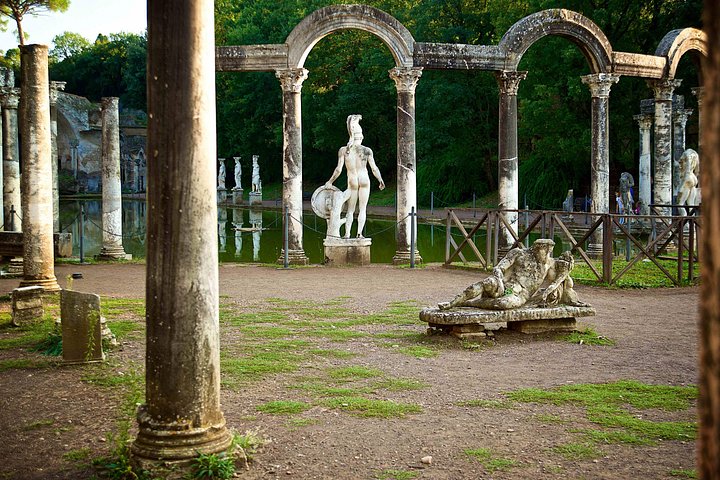
Villa Adriana and Vila d Este Private Photo Tour and Workshop
Staying in Esquilino instead of the historic center
Hotels next to Piazza Navona charge upwards of 250 euros a night for tiny rooms with street noise. Heading just fifteen minutes east to the Esquilino neighborhood cuts your accommodation bill in half without sacrificing access to major transit lines. Double rooms in clean, family-run guesthouses near Santa Maria Maggiore cost between 70 and 90 euros per night in April, May, or October. Avoid visiting in July and August, when temperatures hit 38 degrees Celsius and room rates spike alongside air conditioning demands.
Basing yourself near Termini station also saves you money on morning meals and late arrivals. Neighborhood bakeries sell fresh cornetti and espresso for two euros total, compared to eight euros at tables near Campo de' Fiori. You can walk from Esquilino to the Colosseum in under twenty minutes, eliminating any need for morning taxis. The streets around Via Merulana are safe, active late into the evening, and packed with local grocery stores where water bottles cost 40 cents instead of three euros.
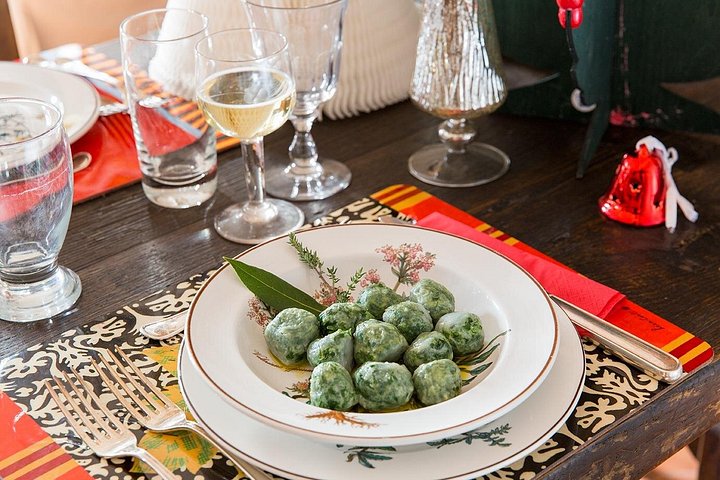
Dining Experience at a locals Home in Grottaferrata with Show Cooking
Navigating the major ruins on a tight budget
Sightseeing expenses add up fast if you buy walk-up tickets at private agencies along the street. Securing official entry online weeks in advance is essential. A Visit to the Pantheon, from EUR 5, gives you access to one of the ancient world's best-preserved domes without paying bloated tour markups. For classical architecture and sculpture without massive crowds, a Visit to the Capitoline Museums costs around 16 euros and takes roughly three hours to explore thoroughly.
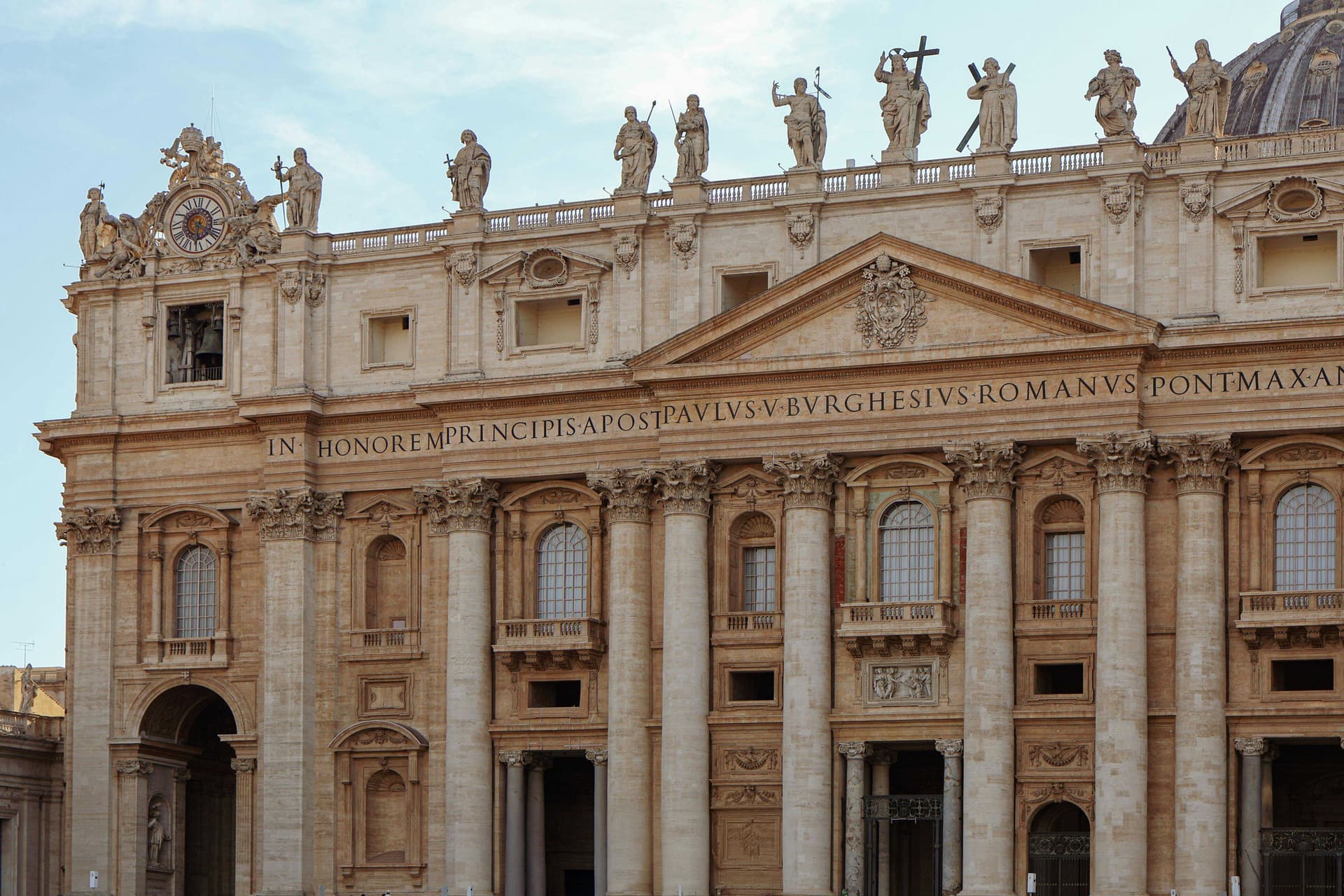
To experience the Vatican, plan for early mornings. You can Explore the Vatican Museums, from EUR 17, if you book entry on the official portal at 8am before peak tour groups arrive. Alternatively, skipping the paid museum entry entirely lets you walk inside St. Peter’s Basilica for free, provided you join the security queue before 7:30am. Avoid paying street hawkers claiming to skip lines for 40 euros extra. Walking through the Roman Forum along Via dei Fori Imperiali offers clear views of ancient temples from the sidewalk at zero cost.
Imprint Your Roman Emotions Photo Experience
Eating authentic pizza and pasta for ten euros
Sit-down restaurants facing major piazzas charge high cover charges, known as coperto, alongside overpriced carbonara. Instead, look for pizza al taglio shops, where tray-baked pizza is weighed and cut to order. Two large slices of potato and rosemary pizza with a cold drink cost around six euros for lunch. For dinner, head to local neighborhood trattorias away from main thoroughfares. A full plate of cacio e pepe or amatriciana along Via Tiburtina costs nine to eleven euros.
Drinking water is entirely free throughout Rome if you bring a reusable bottle. Over 2,500 public drinking fountains, locally called nasoni, pump cold, fresh water continuously day and night. Never pay four euros for small plastic water bottles from street carts near the Trevi Fountain. For a cheap evening treat, skip fancy dessert cafes and grab artisanal gelato from neighborhood gelaterias, where a generous two-scoop cup costs three euros.
Design your own Postcard of Rome - tour with artistic activity
Ready-made plans
Start a trip to Rome
Day-by-day plans built on real bookable activities. Copy one and make it yours.