When to Visit Rome for Small Crowds and Good Weather
How to dodge thirty-degree heat, hour-long queues, and August closures.
November through February brings empty streets and cool air
If you arrive in Rome on a Tuesday morning in mid-November, a Visit to the Pantheon, from EUR 5, comes with a four-minute queue instead of an hour-long line. Temperatures hover around 10 to 13 degrees Celsius, which makes for ideal walking weather once you pack a decent wool coat. The late afternoon light at 4pm turns the ochre plaster along Via dei Coronari into a deep orange, and you can actually hear the fountain water over the quiet street traffic.
Most tourists avoid the winter because of the rain, but it rarely pours all day in central Italy. You get quick, sharp showers followed by clear blue skies and crisp air. Hotel rates drop by almost half compared to June, giving you room to breathe in central neighborhoods like Monti and Regola. Getting in from Fiumicino Airport on the Leonardo Express train takes 32 minutes and costs EUR 14, and in January you will easily find an empty seat with rack space for your luggage.
What people get wrong about winter in Rome is assuming everything shuts down for the cold season. Aside from Christmas Day and New Year's Day, major sites stay open with slightly shorter hours. A Tour of the Borghese Gallery, from EUR 75, requires booking weeks in advance during summer, but in January you can often pick up a slot two days ahead. The heat inside the galleries is comfortable, and you will not be elbowing through thick crowds just to glance at a Bernini sculpture.
AI-generated impression of Rome: Test, as a visitor would see it
April and May for wildflowers and rooftop dining
Spring is when Rome wakes up, but April brings a massive surge of Easter pilgrims that clogs the Vatican area completely. If you go in May, aim for the middle of the month when purple wisteria covers the walls of Trastevere and daylight stretches past 8pm. You can spend a quiet morning outdoors under bright skies, with daily highs hitting a comfortable 22 degrees Celsius across the city.
The trade-off for perfect spring weather is cost and crowd size. A Visit the Colosseum, from EUR 75, sells out weeks prior, so you need to set calendar reminders the moment tickets drop online. Walking along the cobblestones from Campo de' Fiori to Piazza Navona takes twenty minutes on paper, but in May it takes forty because you are dodging tour groups holding up bright neon umbrellas.
Skip the week around Easter Sunday entirely unless you are visiting specifically for papal masses. The Metro line A becomes a sardine can between Termini and Ottaviano, and restaurants in Prati raise their fixed-menu prices for tourists. Instead, pick a Tuesday in late May, book a Tiber River Cruise, from EUR 20, around sunset, and enjoy the cooling breeze along the water without the stifling humidity that arrives in July.
August is a mistake you only make once
By late July, the city turns into an oven, consistently reaching 38 degrees Celsius under relentless sun. August is even worse because Ferragosto hits on August 15th, and local shopkeepers, bakers, and family restaurant owners lock their doors and head for the coast. You end up paying peak rates for air-conditioned hotel rooms while walking down empty side streets where the only open businesses are tourist trap restaurants selling frozen lasagna.
The stone pavement retains heat long after dark, making evening strolls uncomfortably hot. Visiting open-air ruins like the Roman Forum at noon is an endurance test with zero shade available. If you are forced to visit in August because of school holidays, do all your walking before 10am or after 7pm. An Evening at the Baths of Caracalla, from EUR 10, offers an open-air opera experience after dusk when the air finally cools down to a tolerable level.
What visitors misjudge is how exhausting Rome's terrain becomes in intense heat. Stepping up the Capitoline Hill under midday glare drains your energy in fifteen minutes. Water fountains, known locally as nasoni, provide free cold drinking water, but they cannot save a mid-August trip from feeling like a struggle against the elements. Unless you thrive in intense heat, cross August off your calendar entirely.
October delivers warm days and golden hour light
If I could only visit Rome in one month for the rest of my life, it would be October. Italians call the warm days of early autumn ottobrate romane, a tradition dating back to harvests when locals celebrated the lingering summer warmth. Highs hover around 22 degrees, the evening chill does not set in until 9pm, and seasonal harvest produce fills trattoria menus with fresh porcini mushrooms, artichokes, and new olive oil.
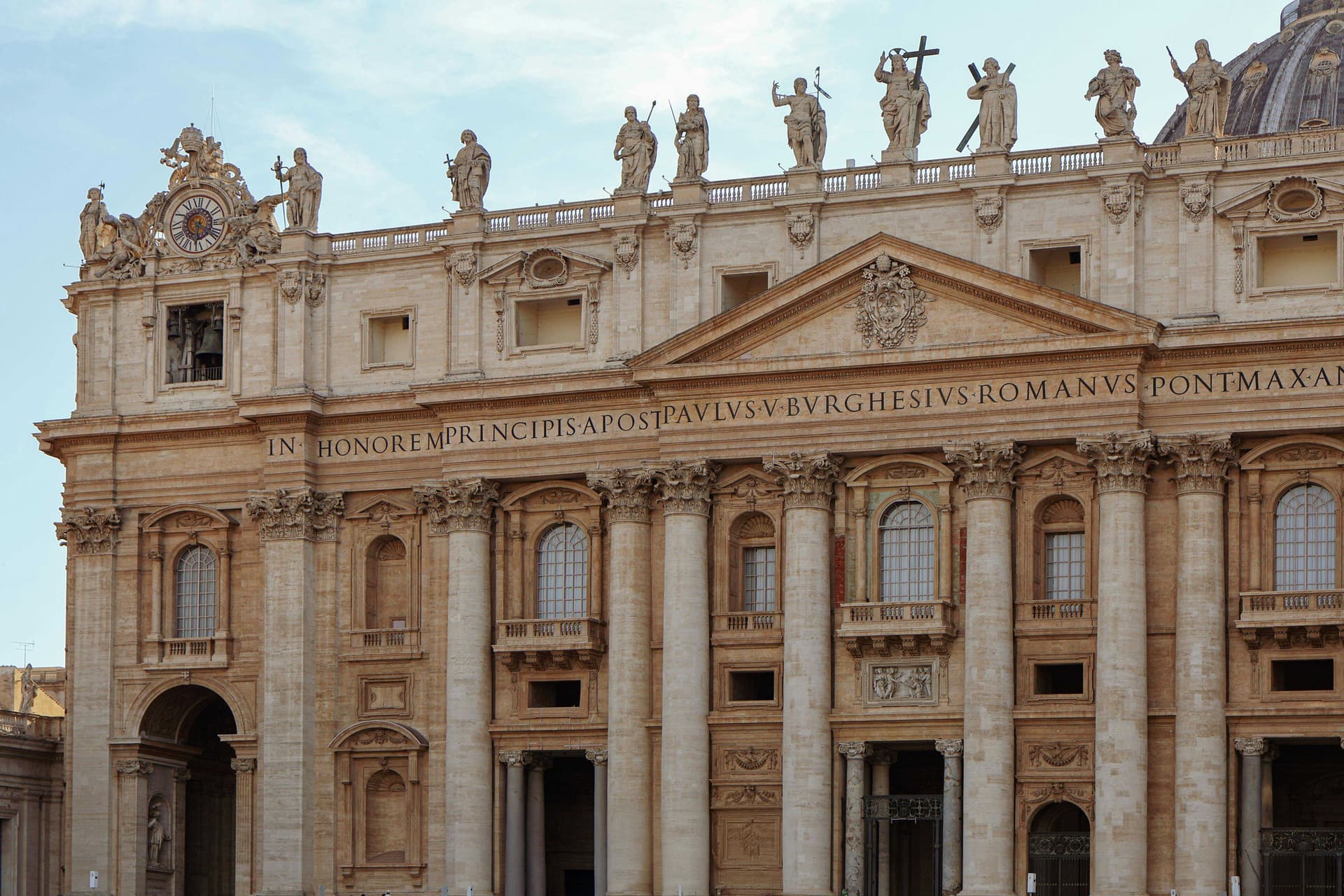
You can Explore the Vatican Museums, from EUR 17, without melting in the un-airconditioned corridors, or spend an hour at the Giardini Vaticani, from EUR 25, while the trees begin to turn golden. The sun sits lower in the sky all afternoon, casting long shadows across the travertine stone of Saint Peter's Square. Getting around on foot is a pleasure rather than a chore, and walking from Monti over to the Aventine Hill takes about twenty-five minutes.
Flights into Ciampino or Fiumicino begin to drop in price by mid-October, though hotel room rates remain fairly high because smart travelers know this is the ideal window. Book your stay four months ahead if you want a balcony in Testaccio. Pay EUR 14 to Visit the Castel Sant'Angelo around 5pm, head up to the top terrace, and watch the orange sun dip behind the dome of Saint Peter's as the city lights click on across the river.
Ready-made plans
Start a trip to Rome
Day-by-day plans built on real bookable activities. Copy one and make it yours.