How to tackle mountain passes, monastery treks, and altitude in Ladakh
Give your lungs forty-eight hours first
Do not land at Kushok Bakula Rimpoche Airport, hire a bike, and head straight for the high passes. You will end up flat on your back in a guesthouse room with a pounding headache before noon. Leh sits at 3,500 metres above sea level, and flying in from Delhi cuts your body's oxygen supply in half in under two hours. The smartest move on day one is sitting down with a thermos of butter tea.
Spend your first afternoon taking a flat, slow walk through town to Relax at Leh Market, where local women sell dried apricots and woollen socks. Later, when the sun dips, take the gentle climb up the concrete steps to Visit to Shanti Stupa. It costs nothing to enter, takes about forty-five minutes of deliberate stepping from the base, and rewards you with a panoramic view of the Indus Valley while your body quietly produces the red blood cells you need for the trails ahead.
Tackling the Hike to Khardung La
Heading out on the Hike to Khardung La is the classic test of endurance in this region, but most travellers misunderstand the effort involved. You are climbing toward one of the highest motorable passes in the world, topping out near 5,359 metres. The wind coming off the snowfields will cut right through standard windbreakers, so three thermal layers are non-negotiable.
Start your ascent around 5:30am from the outskirts of Leh to avoid the diesel fumes of military trucks and motorbikes that start choking the road by mid-morning. The trek takes between six to eight hours depending on your pace and how your lungs handle the thinning air. June through September is the workable window; outside these months, ice and heavy snowfall close the upper stretches. Pack at least three litres of water and oral rehydration salts, because dehydration strikes twice as fast at high altitude without you noticing.
Trail routes around Stok and Shey
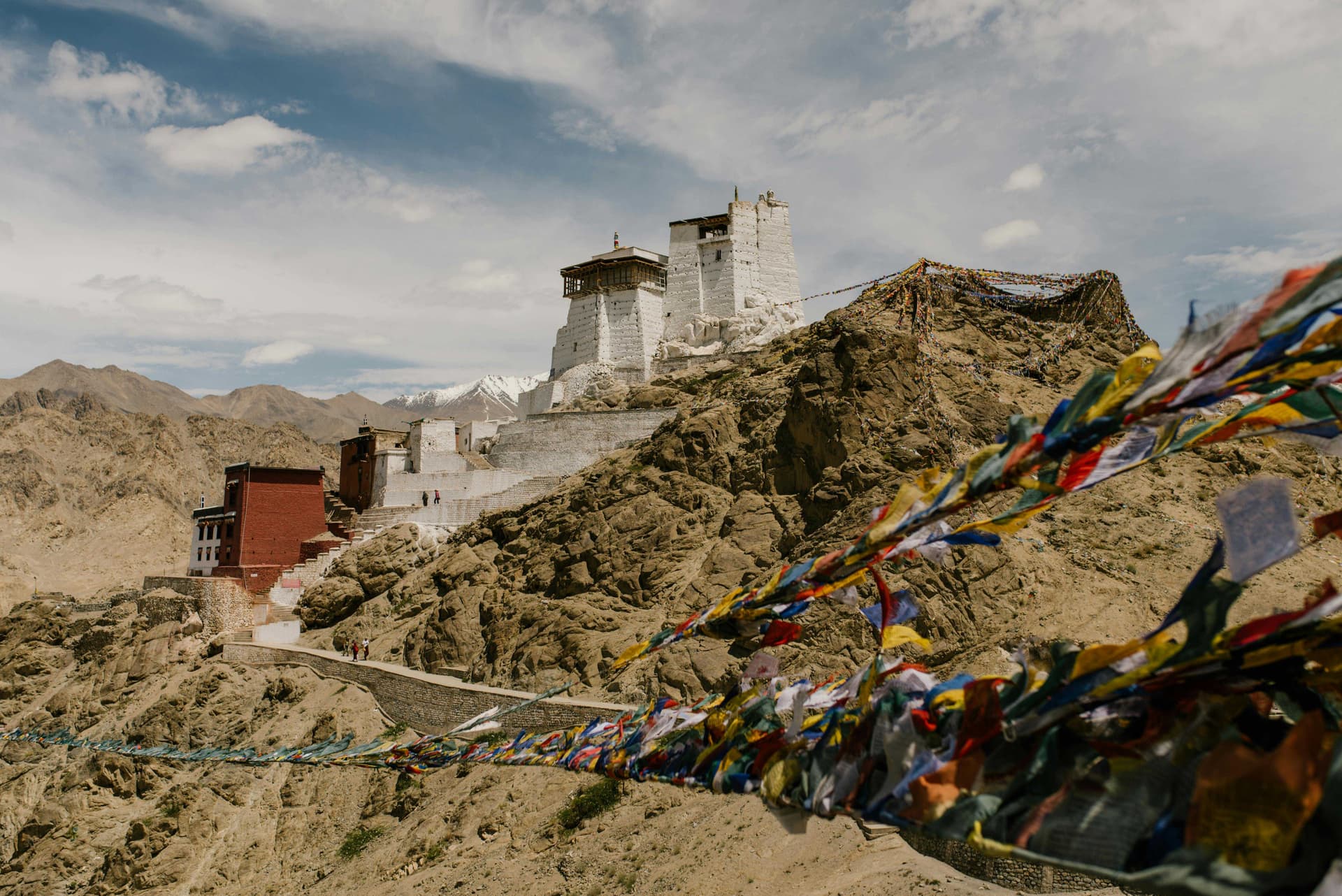
When your legs need a break from steep ascents but you still want to stay active outdoors, the eastern valley road offers long, scenic walks between ancient fortifications. Start at 6:00am with the Thiksey Monastery Morning Visit, from Rs 10. Watching the monks gather on the roof for morning prayers as the sun hits the yellow walls is worth the early alarm.
From Thiksey, you can walk four kilometres along the dusty valley margin to the Shey Palace and Monastery Tour, from Rs 15. The path cuts between willow trees and old chortens. In the late afternoon, catch a shared taxi across the river for the Stok Palace Museum Evening Tour, from Rs 25. The walk up to Stok Palace gives you a sharp view back across the valley floor toward the Ladakh Range, and the museum houses royal crowns and ancient silk thangkas.
Refuelling after days on the mountain
After three days of pounding dusty tracks, your body needs serious calories and a change of pace. Walk up the steep stone ramps to Explore Leh Palace, from Rs 200. The nine-storey mudbrick complex was built in the sixteenth century and offers nine levels of narrow corridors and high wooden balconies overlooking the old quarter.
Afterward, book the 3 Hours Private Food Tasting in Tukcha, about 3 hours, from Rs 2,719. Tukcha is a quiet residential neighborhood just a ten-minute walk west of the main bazaar. The experience takes about three hours and pairs you with local cooks who prepare traditional Ladakhi skyu—a thick, handmade pasta stew cooked with root vegetables—and fresh steamed momos stuffed with spiced meat or local greens. It is the best way to spend an evening while your legs recover for your next trek.
3 Hours Private Food Tasting in Tukcha
Ready-made plans
Start a trip to Leh
Day-by-day plans built on real bookable activities. Copy one and make it yours.