
Zhejiang
· CN

Zhejiang

Zhejiang, China

Discover the Enchanting Province of Zhejiang, China Nestled on China's eastern coast, Zhejiang beckons travelers with a captivating blend of natural beauty, cultural riches, and modern marvels. From ancient water towns a…

#Eastern China#Coastal#Manufacturing hub#Historic sites#Scenic landscapes
1/11

Top hotels & flights

Hand-picked stays and the best fares into Zhejiang.

Top Hotels in Zhejiang

Top Flights to Zhejiang

Popular activities

Tours, tickets and experiences travelers book most in Zhejiang.

Tours

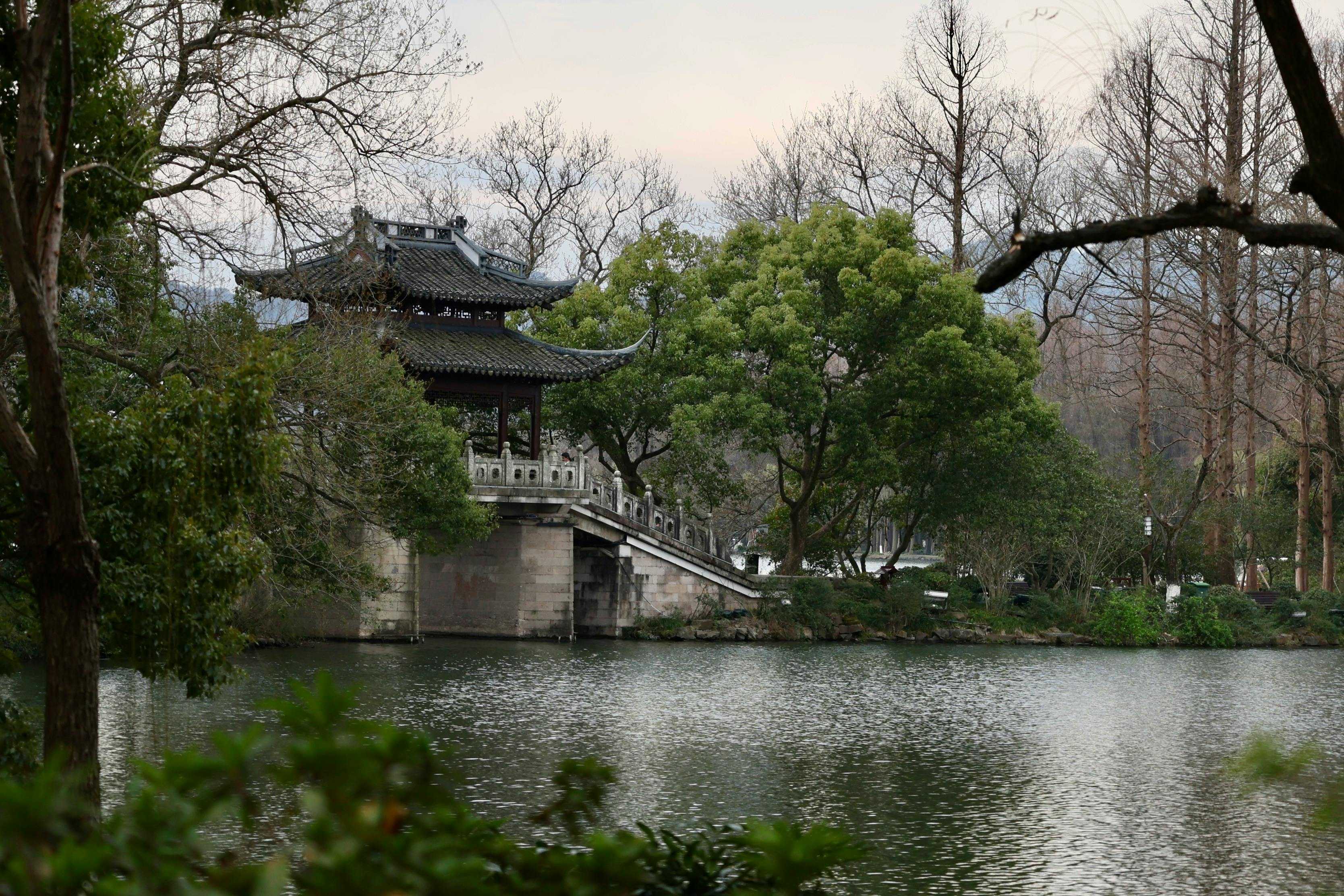
West Lake Scenic Area

Explore the famous West Lake, a UNESCO World Heritage site known for its beautiful natural scenery and cultural significance.

Wuzhen Water Town

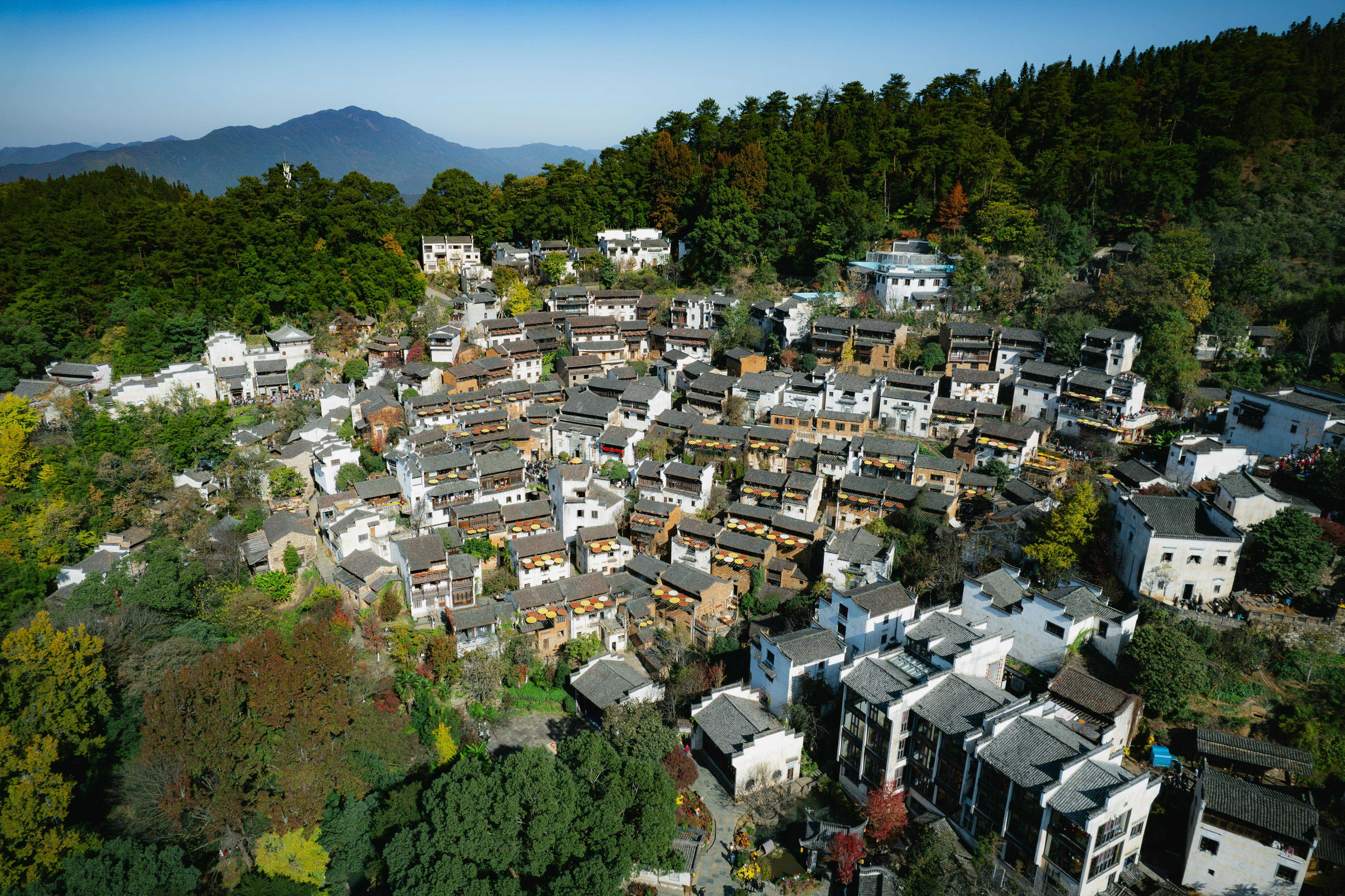
Experience the traditional architecture and canals of one of China's most famous water towns.

Shopping

Hangzhou Silk City

A bustling market specializing in silk products, from traditional to modern designs.

Outdoor

Xixi National Wetland Park

Enjoy the diverse ecology of Xixi Wetland, with its water towns and rural landscapes.

Location videos

Real reels from travelers, plus longer watches to get the full picture.

From travelers
Watch & explore

Practical info

The essentials for planning your time in Zhejiang.

Currency
¥ | CNY | Chinese Yuan Renminbi
Population
65.4 million
Languages
Chinese, Wu, Gan, Huizhou

Local guide

What travelers love, what to watch for, and a deeper read on Zhejiang.

What people love

Zhejiang, located in eastern China, is a province known for its rich cultural heritage, picturesque landscapes, and vibrant cities. Here are some of the pros of traveling to Zhejiang:

  1. Scenic Beauty: Zhejiang is home to stunning natural scenery, including the famous West Lake in Hangzhou, lush tea plantations in Longjing, and the beautiful water town of Wuzhen. Visitors can enjoy boat rides, hiking, and exploring the charming countryside.

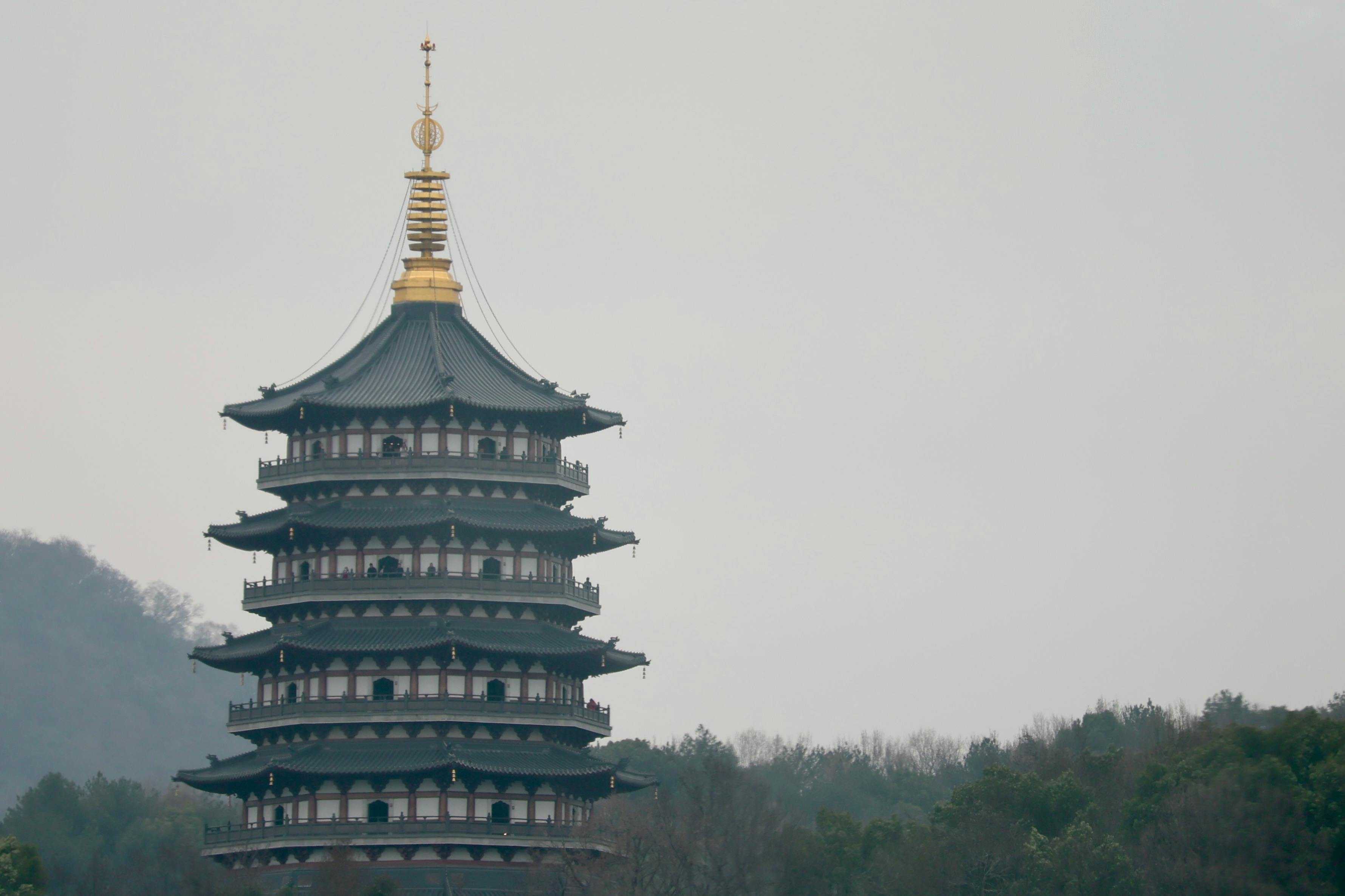
  2. Cultural Attractions: Zhejiang has a long history and is dotted with historical and cultural sites such as ancient temples, pagodas, and traditional architecture. The province also boasts a strong tradition of arts and crafts, including silk production and intricate woodcarvings.

  3. Gourmet Delights: Zhejiang cuisine is renowned for its fresh seafood, delicate flavors, and use of local ingredients. Visitors can savor dishes such as Dongpo pork, West Lake vinegar fish, and Longjing tea-infused cuisine.

  4. Dynamic Cities: Zhejiang is home to dynamic cities like Hangzhou, Ningbo, and Wenzhou, which offer a mix of modern amenities and historical charm. Visitors can explore bustling markets, vibrant nightlife, and innovative architecture.

  5. Shopping: Zhejiang is a shopping paradise, with markets, boutiques, and malls offering a wide range of goods, including silk products, tea, handicrafts, and fashion items.

  6. Ease of Transportation: Zhejiang has a well-developed transportation network, making it easy to travel within the province and to other parts of China. High-speed trains, buses, and domestic flights connect major cities and tourist destinations.

Overall, traveling to Zhejiang offers a delightful blend of natural beauty, cultural experiences, and culinary delights, making it a rewarding destination for visitors seeking an authentic taste of China.

What to know

Some potential cons of traveling to Zhejiang, China, could include:

  1. Language barrier: English is not widely spoken in Zhejiang, so communication may be challenging for travelers who do not speak Mandarin or another local dialect.

  2. Air pollution: Zhejiang, like many other regions in China, has issues with air pollution, which may affect air quality and visibility during your trip.

  3. Crowded tourist sites: Zhejiang is a popular tourist destination, so attractions and landmarks may be crowded, especially during peak travel seasons.

  4. Traffic congestion: Major cities in Zhejiang, such as Hangzhou and Ningbo, can experience heavy traffic congestion, which may impact travel times and transportation options.

  5. Potential health risks: Travelers to Zhejiang should be aware of potential health risks, such as food safety concerns and water quality issues. It's recommended to drink bottled water and eat at reputable establishments.

Please note that these are general cons and may vary depending on individual preferences and travel experiences.

Zhejiang is a province located in the eastern part of China, facing the East China Sea. It is known for its rich history, cultural heritage, and significant economic development.

Ancient and Early History

  • Prehistoric Period: Archaeological findings suggest that human activities in Zhejiang date back to the Neolithic period, with the Hemudu Culture (approximately 5000–4500 BCE) being one of the earliest known cultures in the area.
  • Spring and Autumn Period (771–476 BCE): During this time, the region was part of the state of Yue, which was famously led by King Goujian. Goujian is known for his perseverance and for eventually defeating the state of Wu after being defeated and captured by them.

Imperial China

  • Qin Dynasty (221–206 BCE): Zhejiang was incorporated into the Qin Empire, marking the beginning of its integration into a unified Chinese state.
  • Han Dynasty (206 BCE–220 CE): The region continued to develop, with significant agricultural and cultural advancements.
  • Tang Dynasty (618–907): Zhejiang became an important cultural and economic center. The Grand Canal, completed during this period, enhanced trade and communication.
  • Song Dynasty (960–1279): This was a particularly prosperous era for Zhejiang. The provincial capital, Hangzhou, became the capital of the Southern Song Dynasty. Marco Polo later described Hangzhou as "the finest and most splendid city in the world."

Modern Era

  • Qing Dynasty (1644–1912): Zhejiang remained a vital economic region, producing silk and tea, which were important for trade.
  • Republic of China (1912–1949): During the early 20th century, Zhejiang was involved in various political and military conflicts as China went through periods of warlordism and the struggle between the Nationalists and Communists.

People’s Republic of China

  • Economic Reforms: Since the late 20th century, Zhejiang has experienced rapid economic growth, becoming one of the most developed provinces in China. It is known for its entrepreneurial spirit and vibrant private economy.
  • Cultural and Technological Hub: Today, Zhejiang is a center for innovation and technology, with cities like Hangzhou being home to major companies like Alibaba.

Significant Figures

  • King Goujian of Yue: A legendary figure known for his resilience and strategic acumen.
  • Lu Xun (1881–1936): A prominent writer and critic, considered one of the most influential figures in modern Chinese literature, hailing from Shaoxing, Zhejiang.

Important Landmarks

  • West Lake in Hangzhou: A UNESCO World Heritage Site known for its natural beauty and historical significance.
  • Lingyin Temple: One of the largest and wealthiest Buddhist temples in China, located in Hangzhou.
  • Moganshan: A scenic mountain area famous for its bamboo forests and villas.
  • Wuzhen: A historic water town that showcases traditional Chinese architecture and culture.

Zhejiang's history is marked by its cultural richness, economic vitality, and significant contributions to China's development.