Zambia
· ZM

Zambia

Zambia

Zambia: Untamed Beauty and Adventure Await Zambia, the beating heart of Southern Africa, is a land where untamed wilderness meets vibrant culture, and adventure awaits around every corner. Home to the mighty Victoria Fa…

#Southern Africa#Landlocked country#Victoria Falls#Safari destination#Copper production
1/7

Top hotels & flights

Hand-picked stays and the best fares into Zambia.

Top Hotels in Lusaka

Top Flights to Lusaka

Popular activities

Tours, tickets and experiences travelers book most in Zambia.

Tours

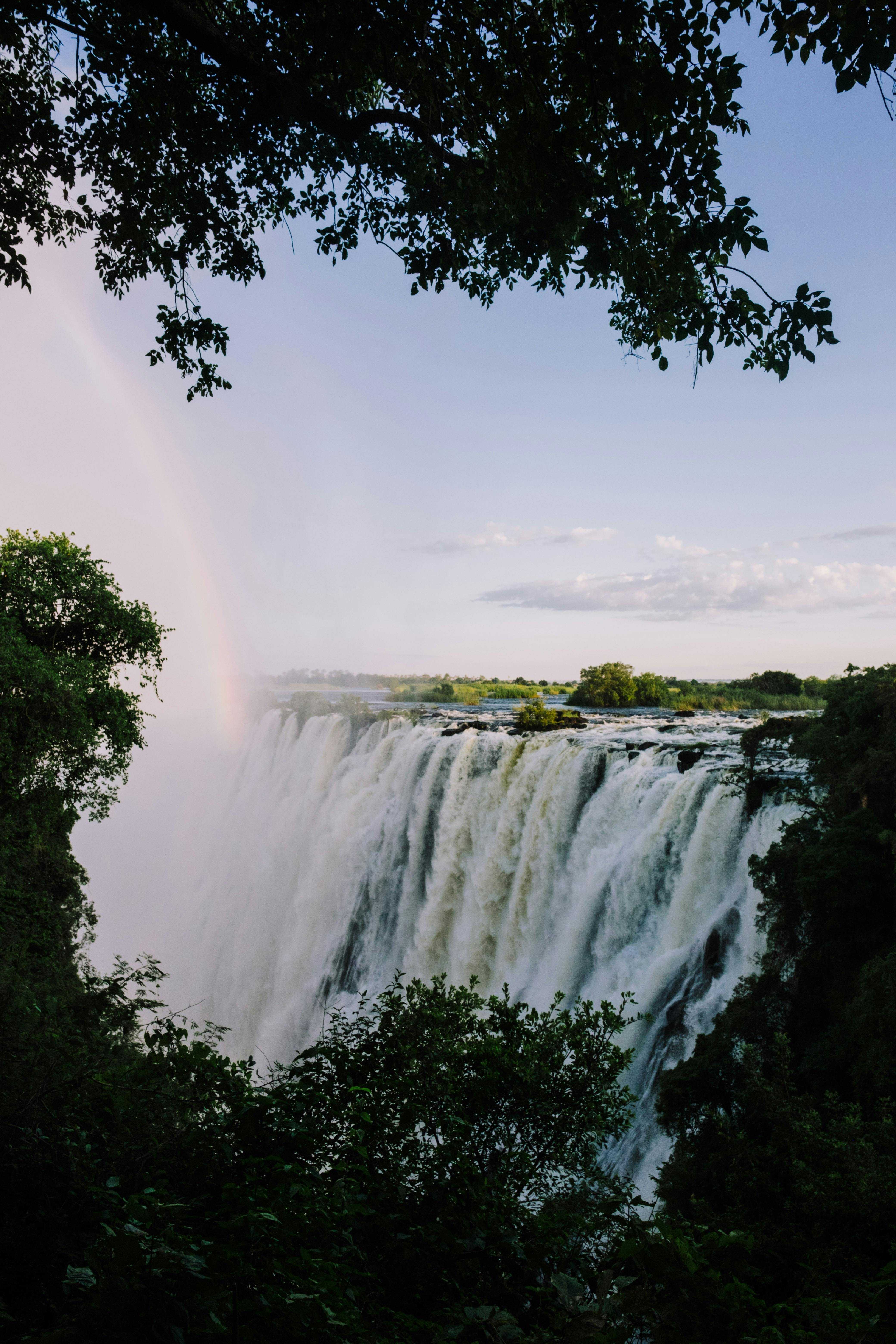
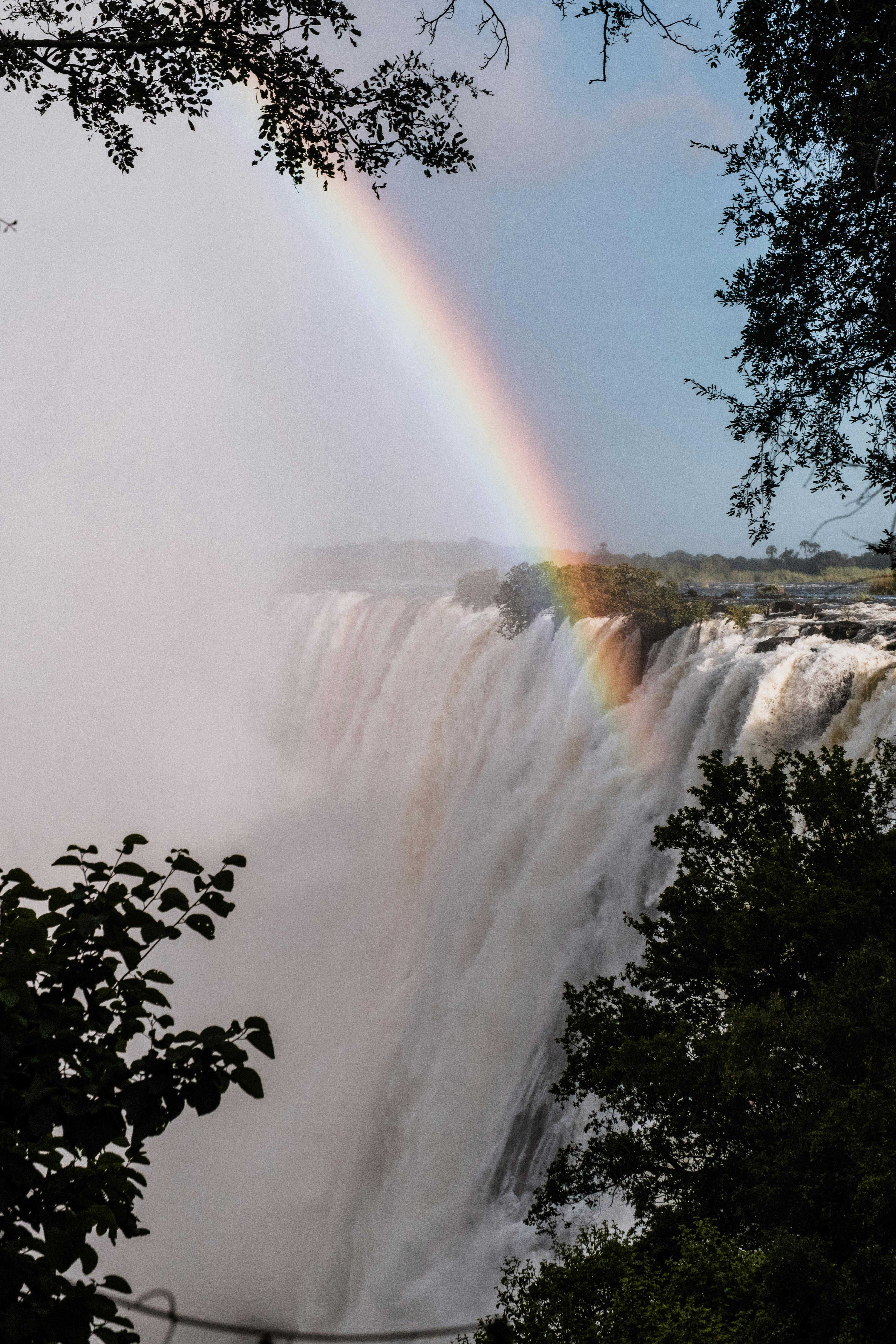
Victoria Falls Adventure

Experience the breathtaking Victoria Falls, one of the Seven Natural Wonders of the World, with various thrilling activities.

Livingstone Cultural Tour

Discover the rich cultural heritage of Livingstone, the tourist capital of Zambia.

Shopping

Lusaka City Shopping Spree

Enjoy a day of shopping and entertainment in Zambia's bustling capital city, Lusaka.

Outdoor

Kafue National Park Safari

Explore the wilderness in one of Africa's largest national parks with diverse wildlife and bird species.

Lower Zambezi National Park Canoe Safari

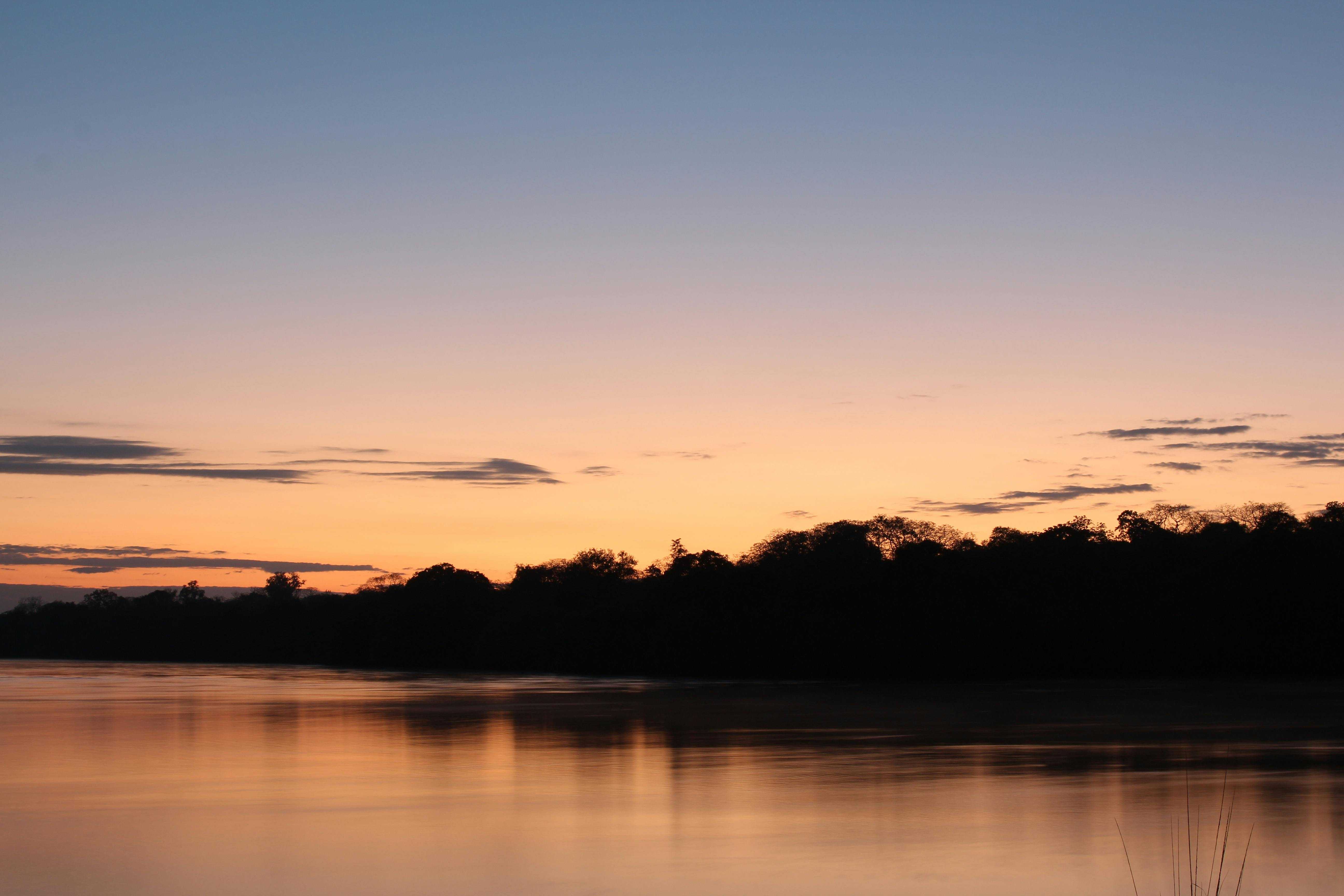
Paddle along the Zambezi River in a canoe safari, observing wildlife in a peaceful setting.

Location videos

Real reels from travelers, plus longer watches to get the full picture.

From travelers
Watch & explore

Practical info

The essentials for planning your time in Zambia.

Currency
ZMW | Zambian Kwacha | Zambian Kwacha
Population
20.6 million
Languages
English, Bemba, Nyanja, Tonga, Lozi, Chewa, Nsenga, Tumbuka, Ngoni, Lalani
Average weather
Zambia
Jan
rain
26°18°
Feb
rain
26°18°
Mar
rain
27°17°
Apr
cloud
27°15°
May
clear
25°11°
Jun
clear
23°9°
Jul
clear
23°8°
Aug
sun
26°11°
Sep
hot
30°15°
Oct
hot
32°19°
Nov
rain
30°19°
Dec
rain
27°18°

Local guide

What travelers love, what to watch for, and a deeper read on Zambia.

What people love

There are several pros to traveling to Zambia, located in southern Africa. Here are some detailed points:

  1. Natural Beauty: Zambia is known for its stunning natural landscapes, including the famous Victoria Falls, one of the largest waterfalls in the world. The country also boasts diverse wildlife and several national parks, such as South Luangwa and Lower Zambezi, offering excellent opportunities for safaris and nature enthusiasts.

  2. Adventure Activities: Zambia is a great destination for adventure seekers. Visitors can enjoy activities such as bungee jumping, white-water rafting on the Zambezi River, and walking safaris to get up close to wildlife.

  3. Rich Culture and Heritage: Zambia has a rich cultural heritage with over 70 different ethnic groups, each with its own traditions, music, and art. Visitors can immerse themselves in the local culture by visiting villages, attending traditional ceremonies, and trying local cuisine.

  4. Friendly People: Zambians are known for their warm hospitality and friendliness towards visitors. Travelers can expect to be welcomed with open arms and experience the renowned African hospitality during their stay in Zambia.

  5. Affordability: Compared to other African safari destinations, Zambia offers relatively affordable travel options, including accommodation, transportation, and activities. This makes it a budget-friendly destination for those looking to experience the beauty of Africa without breaking the bank.

Overall, traveling to Zambia offers a unique and memorable experience for those seeking adventure, wildlife encounters, cultural immersion, and natural beauty in a welcoming and affordable setting.

What to know

Some potential cons of traveling to Zambia may include:

  1. Health risks: Malaria is prevalent in Zambia, so travelers need to take necessary precautions such as taking antimalarial medication and using mosquito repellent.

  2. Safety concerns: Certain areas of Zambia, especially in urban areas like Lusaka, may have high crime rates. Travelers should be cautious and take measures to ensure their safety.

  3. Infrastructure challenges: Zambia's infrastructure, including roads and public transportation, may not be as developed as in some other countries. This can make getting around more challenging.

  4. Political instability: Zambia has experienced political unrest in the past, which could potentially affect travelers. It's important to stay informed about the current political situation before traveling.

  5. Language barrier: While English is the official language in Zambia, there are many local languages spoken throughout the country. Travelers may encounter communication challenges in more remote areas.

It's important to research and plan for these potential cons before traveling to Zambia to ensure a safe and enjoyable trip.

Zambia, a landlocked country in Southern Africa, has a rich history that spans several centuries. Here's a detailed account of its history, significant events, historical figures, and important landmarks:

Early History

  • Pre-Colonial Period: The region that is now Zambia was inhabited by various indigenous groups, including the Khoisan, Batwa, and later Bantu-speaking peoples who migrated from the Congo basin. These groups formed complex societies and were skilled in ironworking, agriculture, and trade.

Colonial Era

  • British Colonization: In the late 19th century, Zambia, then known as Northern Rhodesia, became a British protectorate. It was administered by the British South Africa Company under the leadership of Cecil Rhodes, from whom the territory derived its name.

  • Economic Development: The British exploited the region's rich mineral resources, particularly copper, leading to significant economic changes. The Copperbelt region became one of the world's major copper mining areas.

Path to Independence

  • Rise of Nationalism: By the mid-20th century, nationalist movements were gaining momentum. Key figures such as Kenneth Kaunda and Simon Kapwepwe led the struggle for independence, advocating for African self-rule.

  • Independence: On October 24, 1964, Zambia gained independence from Britain, with Kenneth Kaunda becoming the first President. The country adopted a non-aligned stance during the Cold War, promoting unity and development.

Post-Independence Era

  • Kenneth Kaunda's Rule (1964-1991): Kaunda's United National Independence Party (UNIP) ruled Zambia for nearly three decades. The government initially adopted socialist policies, nationalizing key sectors. However, economic challenges, including declining copper prices, led to hardship and discontent.

  • Transition to Multiparty Democracy: In 1991, faced with mounting pressure, Kaunda allowed for multiparty elections. Frederick Chiluba of the Movement for Multi-Party Democracy (MMD) won the elections, marking a significant political shift.

Recent History

  • Economic Reforms and Challenges: Chiluba's government implemented economic reforms, including privatization and liberalization, but faced allegations of corruption.

  • Political Instability: Subsequent administrations faced challenges, including political unrest, economic difficulties, and struggles with corruption. Leaders like Levy Mwanawasa, Rupiah Banda, Michael Sata, and Edgar Lungu each left their mark on the country's political landscape.

  • Current Developments: In 2021, Hakainde Hichilema of the United Party for National Development (UPND) was elected President, promising economic reform and anti-corruption measures.

Significant Landmarks

  • Victoria Falls: One of the most famous landmarks in Zambia, shared with Zimbabwe, is Victoria Falls. Known locally as Mosi-oa-Tunya, meaning "The Smoke That Thunders," it is one of the largest and most famous waterfalls in the world.

  • The Copperbelt: This region is historically significant due to its vast copper mines, which have been central to Zambia's economy.

  • Lake Kariba: The world's largest man-made lake and reservoir, located on the border between Zambia and Zimbabwe, plays a key role in the country's hydroelectric power production.

  • National Parks: Zambia is home to several national parks, including South Luangwa, Kafue, and Lower Zambezi, known for their wildlife and conservation efforts.

Zambia's history is a tapestry of indigenous culture, colonial influence, and the struggle for self-determination, marked by resilience and a rich cultural heritage.