


Top Hotels in Yilan
Top Flights to Yilan
Top Activities in Yilan
Good to know
Practical info
Weather, costs and getting around.
Scored from each month’s typical high and its usual conditions.
Yilan, Taiwan experiences a humid subtropical climate with plenty of rainfall throughout the year. Summers (June to August) are warm and humid with average temperatures around 25-30°C (77-86°F). Winters (December to February) are mild and cooler, with temperatures ranging from 12-18°C (54-64°F). Rain is frequent, particularly from October to December, so it's advisable to carry an umbrella or raincoat. The spring (March to May) and autumn (September to November) months offer pleasant weather, making them ideal times for travel.
All 12 monthshighs, lows and conditions


Know before you go
Local guide
A deeper read on Yilan.
What people love
Yilan, located in northeastern Taiwan, is known for its stunning natural landscapes, hot springs, and vibrant cultural scene. Here are some pros of traveling to Yilan:
-
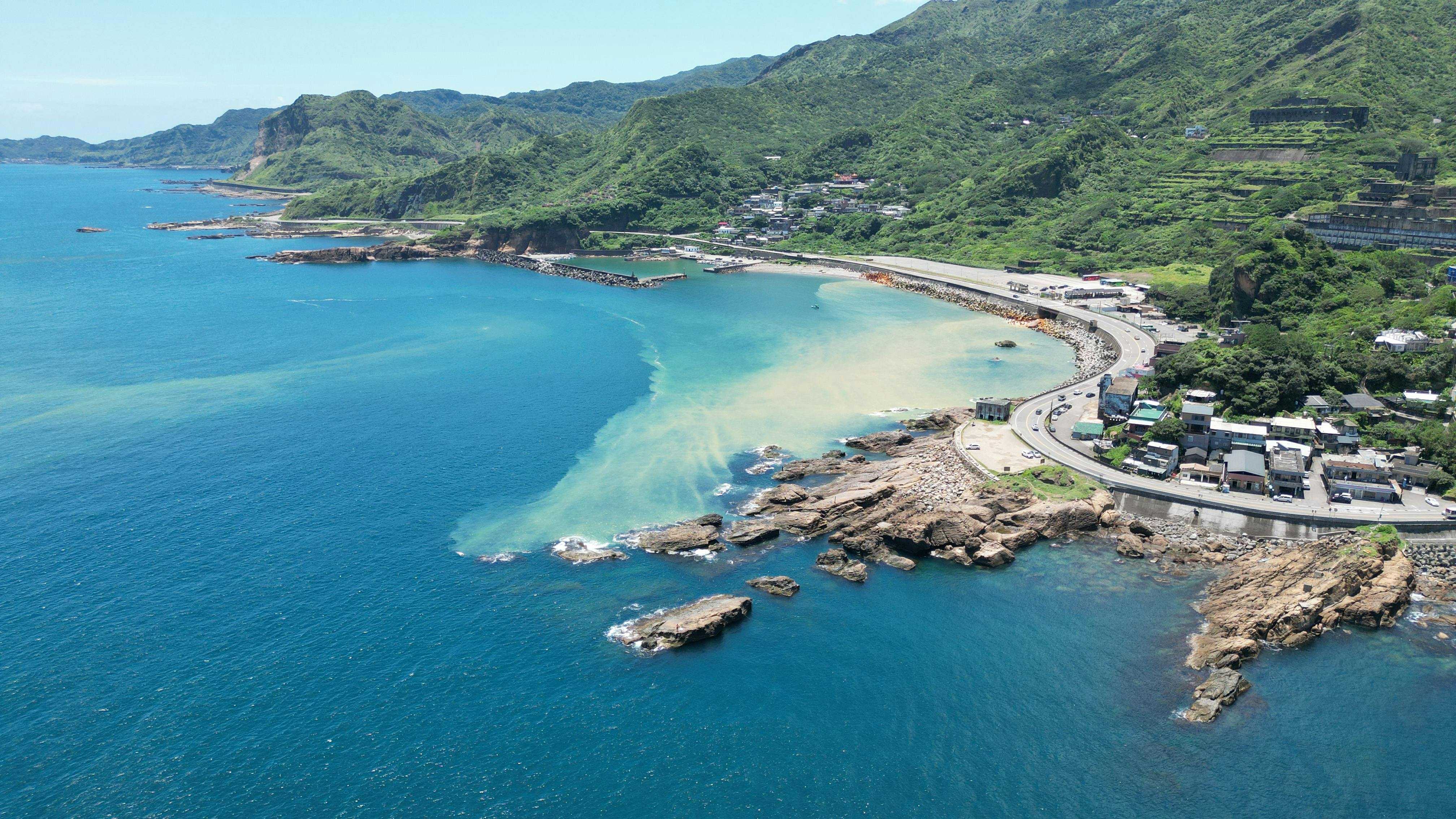
Natural Beauty: Yilan is blessed with beautiful natural scenery, including lush green mountains, scenic coastline, and picturesque rice paddies. Visitors can enjoy outdoor activities such as hiking, cycling, and relaxing by the beach.
-
Hot Springs: Yilan is famous for its hot springs, which are believed to have healing properties. Visitors can indulge in a relaxing soak in natural hot springs or enjoy spa treatments at the many resorts in the area.
-
Cultural Experiences: Yilan has a rich cultural heritage, with influences from indigenous tribes, Hakka settlers, and early Chinese immigrants. Visitors can explore traditional temples, historic buildings, and museums to learn more about the local culture and history.
-
Food: Yilan is known for its delicious food, including fresh seafood, traditional Hakka dishes, and local specialties such as sticky rice cakes and scallion pancakes. Foodies will enjoy exploring the night markets and trying different local delicacies.
-
Family-Friendly Attractions: Yilan offers a variety of family-friendly attractions, such as water parks, farm stays, and interactive museums. Families with children will find plenty of activities to keep everyone entertained.
Overall, Yilan is a great destination for travelers looking to relax in natural surroundings, experience local culture, and enjoy delicious food.
What to know
Yilan, located in Yilan County, Taiwan, is a beautiful destination known for its stunning natural landscapes, hot springs, and cultural attractions. However, there are some potential cons or considerations to keep in mind when traveling to Yilan:
-
Limited public transportation: Yilan is not as well-connected by public transportation compared to other major cities in Taiwan. This means getting around may be more challenging, especially if you are not familiar with the local bus or train schedules.
-
Language barrier: While English is spoken in some tourist areas, you may encounter language barriers when communicating with locals in Yilan. It's a good idea to learn some basic Mandarin phrases to help you navigate and communicate during your visit.
-
Limited nightlife: Yilan is more known for its natural beauty and outdoor activities rather than a vibrant nightlife scene. If you are looking for a destination with a bustling nightlife, Yilan may not be the ideal choice for you.
-
Weather considerations: Yilan experiences a subtropical climate with frequent rainfall, especially during the wet season. Be prepared for unpredictable weather conditions and plan your activities accordingly.
-
Limited dining options: While Yilan offers a variety of delicious local cuisine, the dining options may be limited compared to larger cities in Taiwan. If you have specific dietary preferences or restrictions, it's advisable to research restaurants in advance.
Overall, while Yilan offers a unique and tranquil travel experience, it's important to consider these potential cons to ensure a smooth and enjoyable trip.