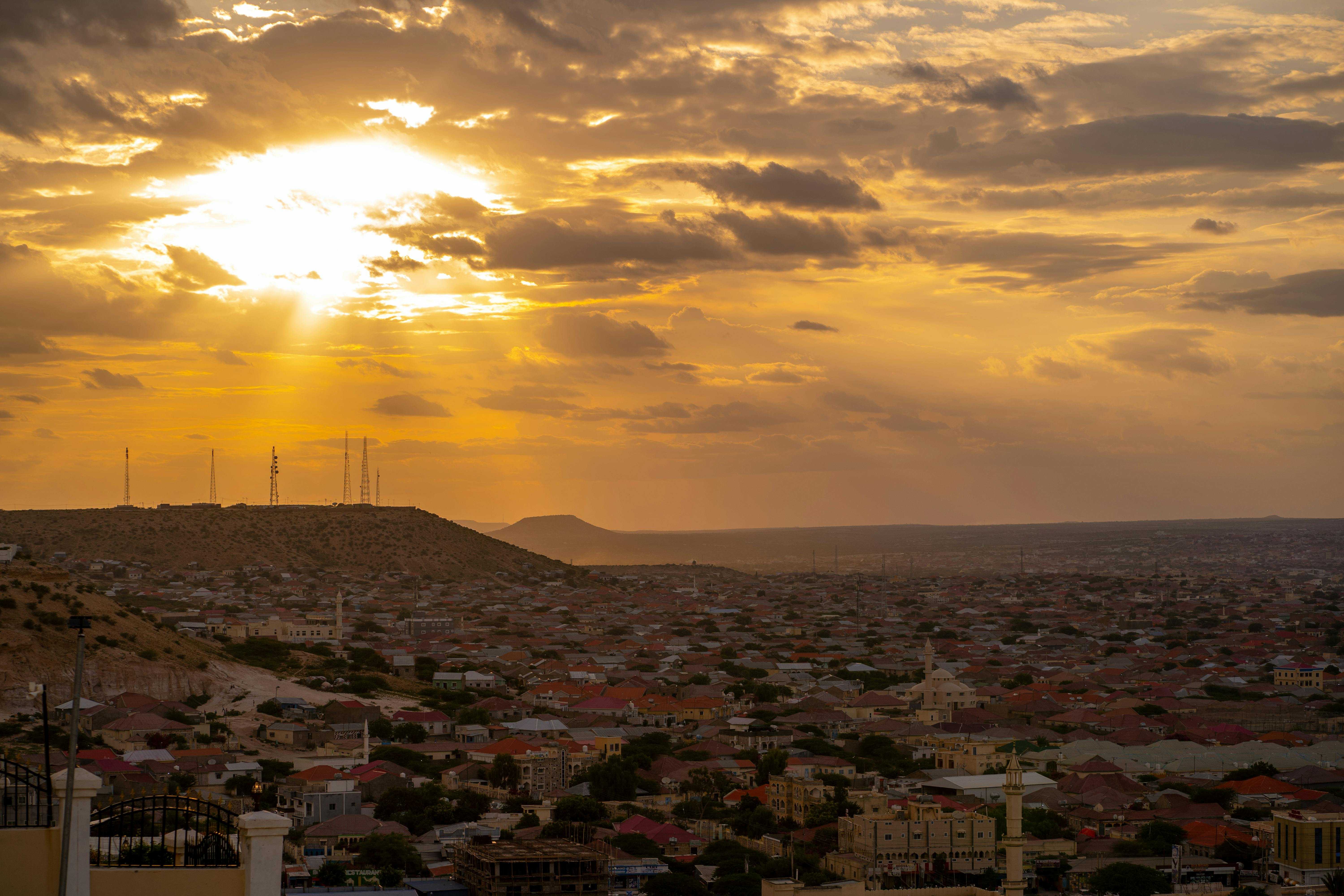
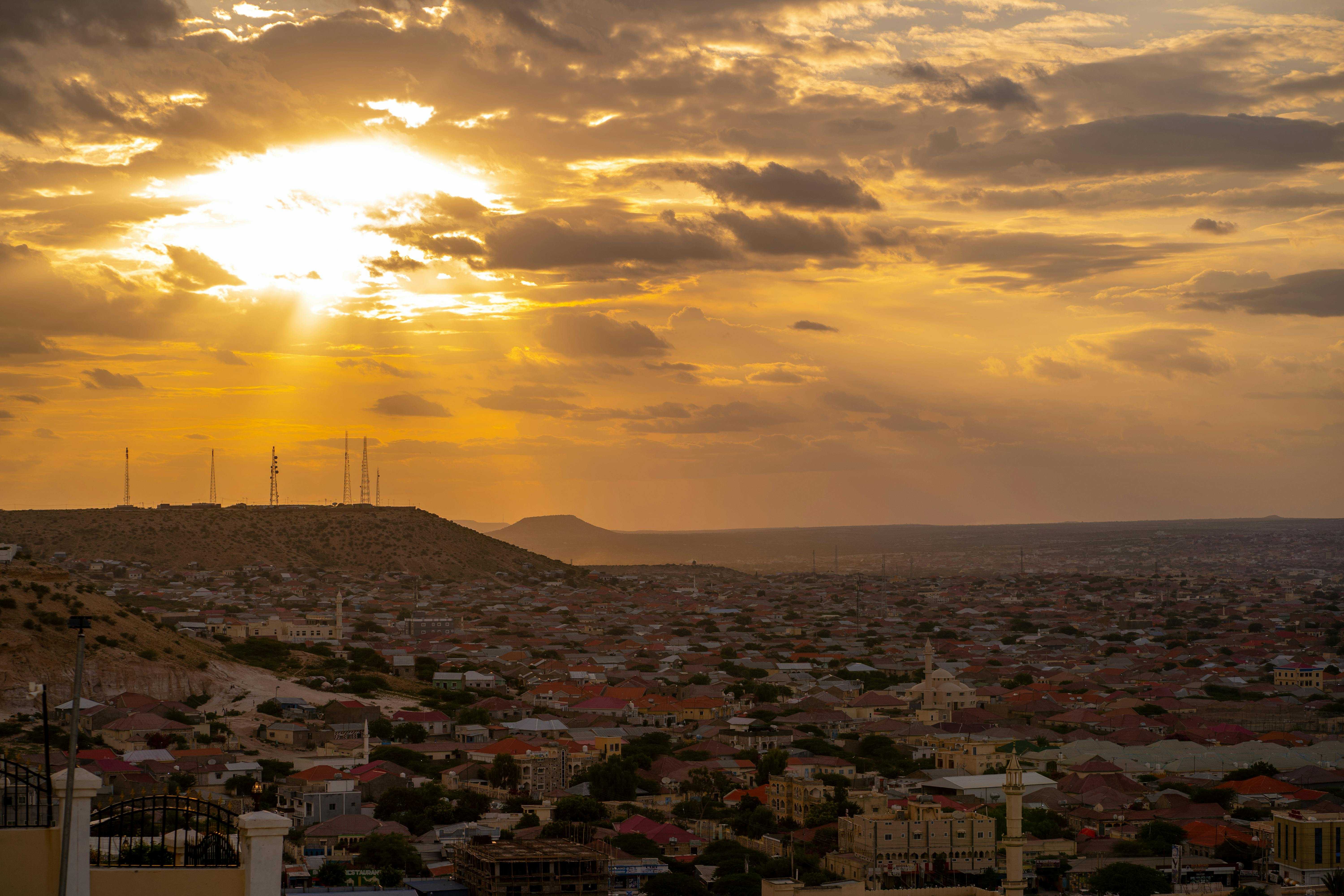

Explore Woqooyi Galbeed
Top cities in Woqooyi Galbeed
Pick a city to open its guide.
See it for yourself
Location videos
Reels and longer watches.
Good to know
Practical info
Weather, costs and getting around.
Know before you go
Local guide
A deeper read on Woqooyi Galbeed.
What people love
Information about traveling specifically to Woqooyi Galbeed, a region in Somaliland (a self-declared independent state that is internationally recognized as an autonomous region of Somalia), can be limited. However, I can provide some general insights about the area and potential reasons why one might consider visiting:
-
Cultural Heritage: Woqooyi Galbeed is home to rich Somali culture and traditions. Visitors can experience the local way of life, traditional music, dance, and cuisine.
-
Historical Sites: The region, particularly its capital Hargeisa, offers historical and cultural sites. The Laas Geel cave paintings, located near Hargeisa, are among the oldest and most well-preserved rock art in Africa, depicting ancient life and animals.
-
Economic Activity: As one of the more stable and economically active regions in Somaliland, visitors can observe local markets and businesses. Hargeisa has vibrant markets like the Hargeisa Central Market, where visitors can shop for local goods and crafts.
-
Natural Beauty: The region features unique landscapes, including semi-arid terrain, mountains, and valleys. The countryside offers opportunities for hiking and exploring nature.
-
Friendly People: Many travelers to Somaliland report that the people are welcoming and hospitable, eager to share their culture and stories with visitors.
-
Developing Infrastructure: While still developing, the infrastructure in Woqooyi Galbeed, especially in Hargeisa, is improving, with more accommodations and services becoming available for travelers.
-
Safety: Compared to other parts of Somalia, Somaliland, including Woqooyi Galbeed, is considered relatively stable and safe for travelers, with its own government and police force.
It's important to note that travel to any region in Somaliland should be planned carefully, with attention to current travel advisories and local conditions. Travelers should ensure they have the necessary permissions and take appropriate safety precautions.
What to know
Traveling to Woqooyi Galbeed in Somalia has various potential risks and cons due to the unstable security situation in the country. Some of the potential cons of traveling to Woqooyi Galbeed, or any part of Somalia, include:
-
Security Concerns: Somalia has experienced ongoing conflict and political instability for many years, leading to a high level of violence, terrorism, and crime. There is a risk of kidnapping, armed conflict, and terrorist attacks in various parts of the country, including Woqooyi Galbeed. The presence of militant groups such as Al-Shabaab further exacerbates the security situation.
-
Lack of Infrastructure: Somalia has limited infrastructure and basic services, including healthcare, transportation, and communication systems. Travelers may face challenges in accessing medical care, reliable transportation, and communication facilities in case of emergencies.
-
Health Risks: Somalia has a high prevalence of communicable diseases such as malaria, cholera, and other waterborne diseases. The healthcare system in the country is weak, and access to quality medical care may be limited in remote areas like Woqooyi Galbeed.
-
Limited Consular Assistance: Due to the security risks and limited diplomatic presence in Somalia, consular assistance from foreign governments may be limited in case of emergencies. Travelers may face challenges in receiving timely help and support from their home country's embassy or consulate.
-
Travel Restrictions: Several governments, including the United States and the United Kingdom, have issued travel advisories warning against all travel to Somalia, including Woqooyi Galbeed. Travelers may face difficulties obtaining travel insurance and may be at risk of invalidating their insurance coverage by traveling to high-risk areas.
-
Unpredictable Political Situation: Somalia's political landscape is complex and volatile, with frequent changes in government and ongoing disputes between various factions. Travelers may find themselves caught up in political unrest or demonstrations that could turn violent.
Please note that the security situation and travel advisories for Somalia can change rapidly, so it is essential to stay informed and seek updated information from official sources before considering travel to Woqooyi Galbeed or any other part of Somalia.
Would you like more specific information on any of these points?