
Wallonia
· BE

Wallonia

Wallonia, Belgium

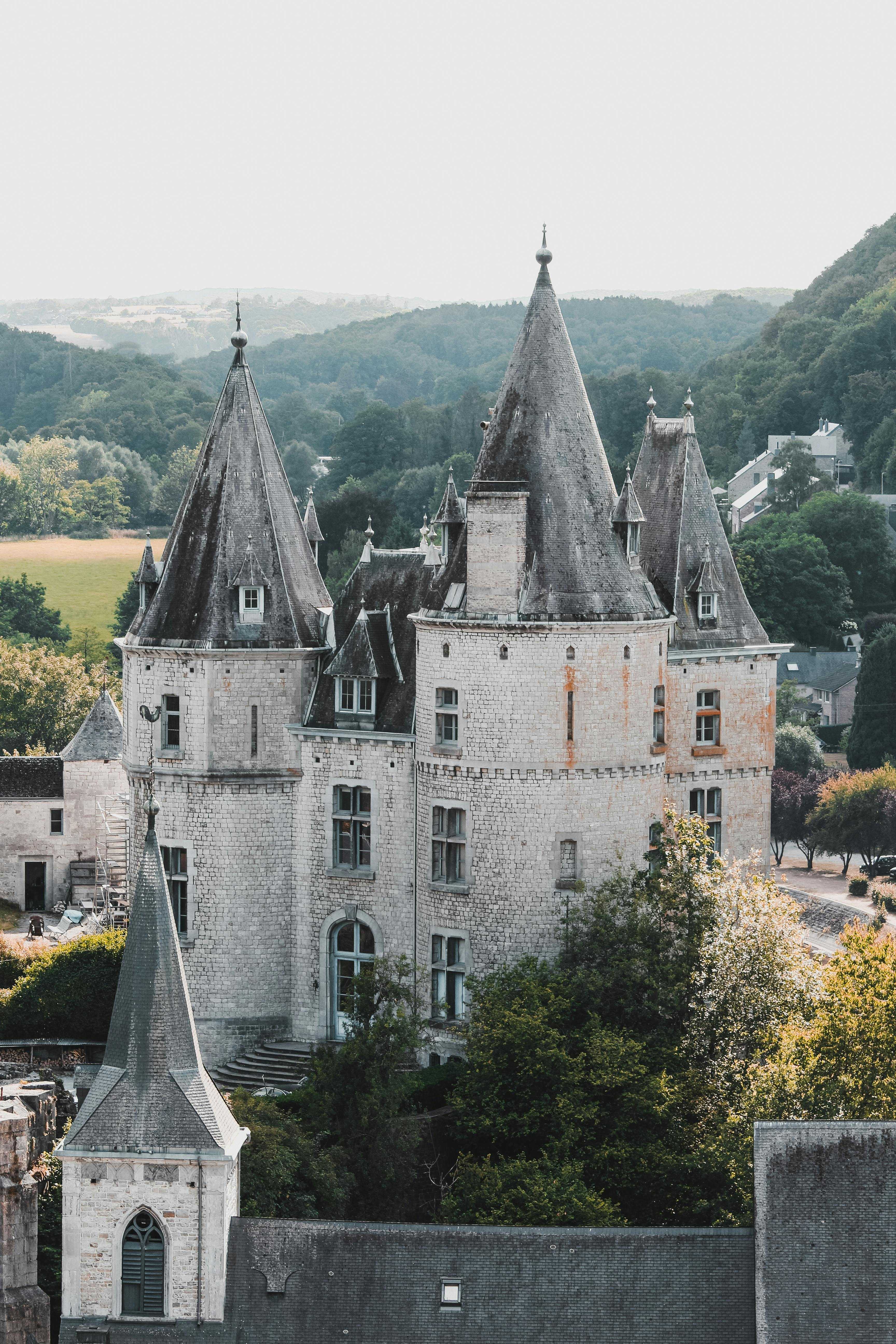
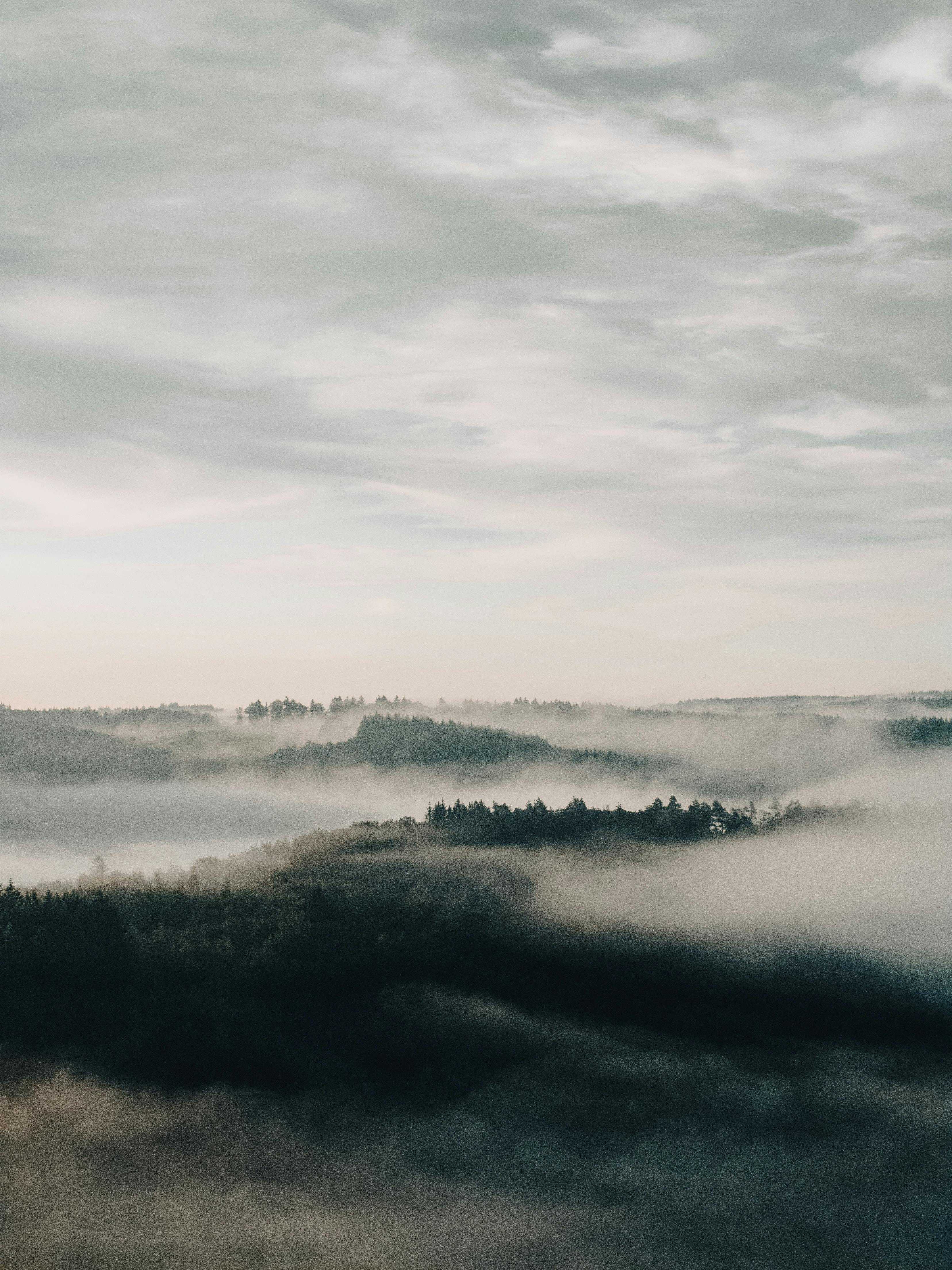
Wallonia: Where History Echoes in Verdant Valleys Escape the ordinary and discover Wallonia, the French-speaking region of Belgium. Nestled amidst rolling hills, dense forests, and charming villages, Wallonia offers a c…

#French-speaking#Cultural#Historic#Scenic#Charming
1/9

Top hotels & flights

Hand-picked stays and the best fares into Wallonia.

Top Hotels in Wallonia

Top Flights to Wallonia

Popular activities

Tours, tickets and experiences travelers book most in Wallonia.

Tours

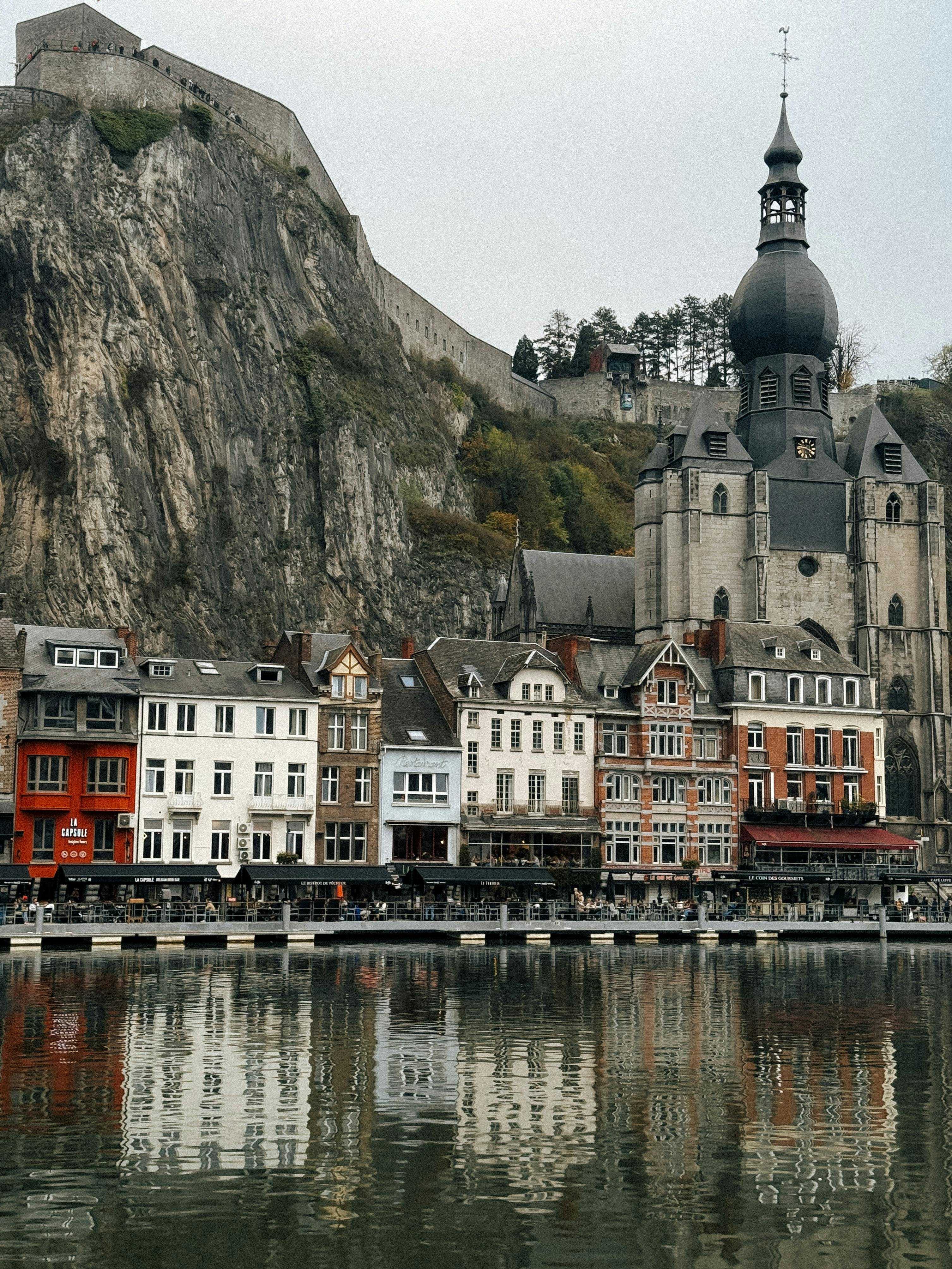
Explore Historical Cities in Wallonia

Discover the rich history and architecture of Wallonia's charming cities.

Shopping

Shopping in Liège

Experience a diverse range of shops, from boutiques to large shopping centers.

Outdoor

Kayaking on the Lesse River

Enjoy a thrilling kayaking adventure surrounded by stunning landscapes.

Location videos

Real reels from travelers, plus longer watches to get the full picture.

From travelers
Watch & explore

Practical info

The essentials for planning your time in Wallonia.

Currency
€ | EUR | Euro
Population
3.7 million
Languages
French, French, German, Dutch

Local guide

What travelers love, what to watch for, and a deeper read on Wallonia.

What people love

Wallonia, located in Belgium, offers a unique travel experience with its charming cities, stunning natural landscapes, and rich history. Here are some pros of traveling to Wallonia:

  1. Beautiful Scenery: Wallonia is known for its picturesque countryside, rolling hills, and lush forests. Travelers can enjoy outdoor activities such as hiking, cycling, and exploring the Ardennes region.

  2. Historic Cities: Wallonia is home to historic cities such as Namur, Liege, and Mons, where visitors can explore medieval architecture, charming old town areas, and cultural attractions like museums and galleries.

  3. Culinary Delights: Wallonia is famous for its delicious cuisine, including specialties like waffles, chocolate, beer, and savory dishes such as waterzooi and stoemp. Foodies will enjoy sampling the local fare at restaurants, markets, and food festivals.

  4. Rich Culture: Wallonia has a vibrant cultural scene, with festivals, concerts, and events happening throughout the year. Visitors can explore art galleries, theaters, and music venues to experience the region's creative spirit.

  5. Relaxing Spa Towns: Wallonia is home to several spa towns, such as Spa and Chaudfontaine, where travelers can relax and rejuvenate in thermal baths, wellness centers, and luxury spas.

  6. Accessible Location: Wallonia is easily accessible from major cities like Brussels and offers good transportation links, making it a convenient destination for travelers looking to explore the region.

Overall, traveling to Wallonia in Belgium offers a mix of natural beauty, cultural experiences, and culinary delights that are sure to appeal to a wide range of travelers.

What to know

Traveling to Wallonia in Belgium may have some potential cons, including:

  1. Language Barrier: Wallonia is primarily a French-speaking region, so if you do not speak French, you may encounter communication challenges. English is not as widely spoken in some areas of Wallonia, which can make it difficult to navigate and interact with locals.

  2. Limited Tourist Infrastructure: Compared to other regions in Belgium, Wallonia may have less developed tourist infrastructure. This could mean fewer accommodation options, limited public transportation, and fewer tourist services available, especially in smaller towns or rural areas.

  3. Weather: Wallonia experiences a temperate maritime climate, which means it can be quite rainy and cloudy, especially during certain seasons. Be prepared for potentially unpredictable weather and plan accordingly.

  4. Limited Tourist Attractions: While Wallonia is known for its natural beauty and historic sites, it may have fewer tourist attractions compared to other regions in Belgium such as Flanders. Depending on your interests, you may find fewer museums, cultural events, or nightlife options in some parts of Wallonia.

  5. Rural Areas: Wallonia is known for its picturesque countryside and charming villages, but if you prefer urban environments or bustling city life, you may find Wallonia's rural areas to be too quiet or lacking in amenities and entertainment options.

It's important to note that these cons may vary depending on your personal preferences and travel style. Some travelers may find these aspects of Wallonia charming and authentic, while others may consider them drawbacks.

Wallonia is the predominantly French-speaking region located in the southern part of Belgium. Its history is rich and varied, reflecting the complex tapestry of European history. Here is a detailed overview:

Ancient and Medieval Period

  • Pre-Roman and Roman Period: Before Roman conquest, the region was inhabited by Celtic tribes, including the Eburones. Julius Caesar's conquest of Gaul in the first century BCE brought the area under Roman control. Wallonia was part of the Roman province of Gallia Belgica.

  • Frankish and Carolingian Era: After the fall of the Western Roman Empire, the region was absorbed into the Frankish Empire. The Carolingian dynasty, with Charlemagne as one of its most famous rulers, had its roots in this area, with Aachen (in modern-day Germany) being the empire's seat of power, near Wallonia.

Middle Ages to Early Modern Period

  • Feudal Fragmentation: During the Middle Ages, Wallonia was divided into several feudal entities, including the Prince-Bishopric of Liège, the County of Namur, and the Duchy of Brabant. These regions often shifted allegiances between the French and the Holy Roman Empires.

  • Rise of Burgundians and Habsburgs: In the late Middle Ages, the Burgundian Netherlands, which included Wallonia, were ruled by the Dukes of Burgundy. Following the death of Charles the Bold, the last Valois Duke of Burgundy, the Habsburgs inherited the region through marriage.

  • Spanish and Austrian Netherlands: Wallonia became part of the Spanish Netherlands after the Habsburgs divided their empire. Following the War of Spanish Succession, it came under Austrian control.

Industrial Revolution

  • 19th Century Industrialization: Wallonia was one of the first regions on the European continent to industrialize, particularly in coal mining and steel production. The Sillon industriel (industrial valley) became the heart of this transformation, with cities like Charleroi and Liège at the forefront.

  • Belgian Independence: In 1830, Belgium gained independence from the Netherlands, and Wallonia became part of the newly formed country. The region's industrial strength played a significant role in the early economic success of Belgium.

20th Century to Present

  • World Wars: Wallonia was heavily affected by both World Wars. During World War I, it was the site of several battles, including the Battle of Liège. In World War II, the Ardennes region was the focal point of the Battle of the Bulge.

  • Federalization of Belgium: In the latter half of the 20th century, Belgium underwent a series of state reforms, moving from a unitary state to a federal one. Wallonia gained considerable autonomy with its own parliament and government in the process.

Significant Figures

  • Charlemagne: Though more closely associated with Aachen, Charlemagne's legacy is tied to the region's early history.
  • Georges Simenon: A celebrated author from Liège, known for his Inspector Maigret novels.
  • André Renard: A prominent trade union leader who played a significant role in the labor movements of the mid-20th century.

Important Landmarks

  • Belfry of Mons and other belfries: Recognized as UNESCO World Heritage Sites, these belfries are important symbols of municipal power.
  • Citadel of Namur: A historical fortress offering insights into the military history of the region.
  • The Grand Hornu: An example of early industrial architecture, now a cultural center and museum.
  • Battle of the Bulge sites: The Ardennes region hosts several museums and memorials dedicated to this pivotal WWII battle.

Wallonia's history is marked by its strategic location in Europe, its industrial prowess, and its role in the broader Belgian and European context.