Virgin Islands
· VI

Virgin Islands

Virgin Islands, U.S. Virgin Islands

The Virgin Islands, located in the Caribbean Sea, is a tropical paradise consisting of over 50 beautiful islands, with the main islands being St. Thomas, St. John, and St. Croix. As a United States territory, the Virgin …

#Caribbean#Island#Beach#Tropical#Tourism
1/3

Top hotels & flights

Hand-picked stays and the best fares into Virgin Islands.

Top Hotels in Virgin Islands

Top Flights to Virgin Islands

Popular activities

Tours, tickets and experiences travelers book most in Virgin Islands.

Tours

Virgin Islands National Park

Explore the stunning landscapes of Virgin Islands National Park, offering hiking trails, pristine beaches, and rich flora and fauna.

Shopping

Cruz Bay Shopping

Bustling shopping area featuring a mix of local boutiques, handmade crafts, and souvenirs.

Outdoor

Coral World Ocean Park

An interactive marine park that offers the chance to explore ocean life and enjoy various water activities.

Location videos

Real reels from travelers, plus longer watches to get the full picture.

From travelers
Watch & explore

Practical info

The essentials for planning your time in Virgin Islands.

Currency
$ | USD | US Dollar
Population
The approximate estimated total population of the U.S. Virgin Islands is '87 thousand'.
Languages
English, Spanish, Creole

Local guide

What travelers love, what to watch for, and a deeper read on Virgin Islands.

What people love

The Virgin Islands, located in the Caribbean, offer a stunning natural beauty with crystal-clear turquoise waters, white sandy beaches, and lush tropical landscapes. Traveling to the U.S. Virgin Islands specifically has several advantages:

  1. No passport required: As a U.S. territory, American citizens do not need a passport to travel to the U.S. Virgin Islands, making it an easy and convenient destination.

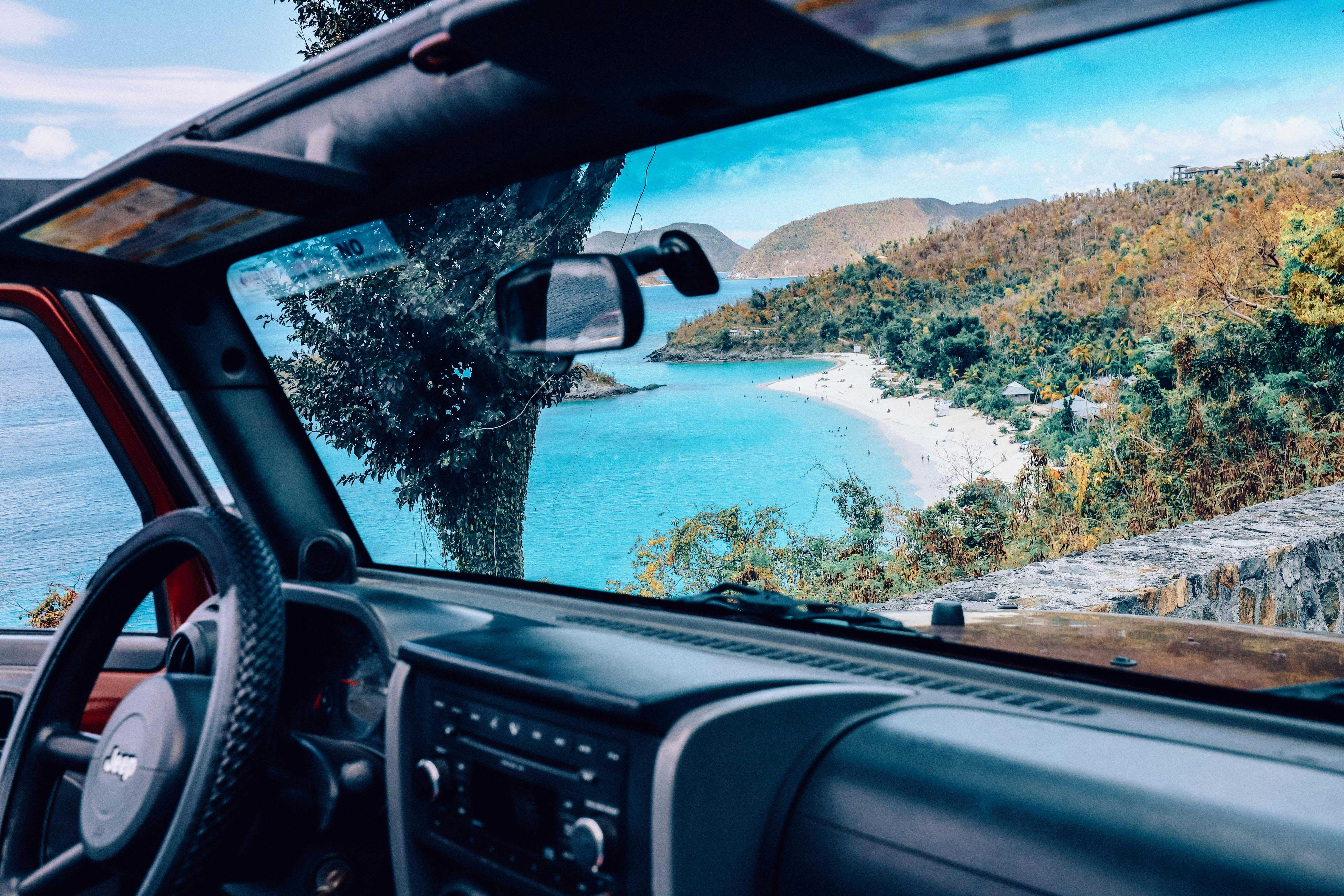
  2. Beautiful beaches: The Virgin Islands are famous for their pristine beaches, such as Magens Bay Beach on St. Thomas and Trunk Bay Beach on St. John. Visitors can relax, swim, snorkel, and enjoy water sports in these picturesque settings.

  3. Diverse cultures: The U.S. Virgin Islands have a rich history influenced by African, European, and Caribbean cultures, offering visitors a unique blend of traditions, music, and cuisine to explore.

  4. Outdoor activities: The islands provide ample opportunities for outdoor adventures, including hiking in national parks, snorkeling or diving in coral reefs, sailing, and fishing.

  5. Duty-free shopping: The islands offer duty-free shopping, making it a great place to purchase luxury goods, jewelry, and souvenirs at affordable prices.

  6. Safety: The U.S. Virgin Islands are relatively safe for tourists, with low crime rates compared to some other Caribbean destinations.

Overall, traveling to the Virgin Islands, U.S. Virgin Islands, offers a perfect mix of relaxation, adventure, culture, and natural beauty in a convenient and safe environment.

What to know

Some potential cons of traveling to the Virgin Islands located in the U.S. Virgin Islands could include:

  1. Cost: The Virgin Islands can be a pricey destination, with higher costs for accommodations, dining, and activities compared to other Caribbean destinations.

  2. Limited Accessibility: Getting to the Virgin Islands can be more challenging and expensive than traveling to other destinations, as it usually involves connecting flights from major hubs like Miami or Atlanta.

  3. Hurricanes: The Caribbean region, including the Virgin Islands, is prone to hurricanes during the Atlantic hurricane season (June to November), which could disrupt travel plans and pose safety risks.

  4. Crowds: Some popular tourist areas in the Virgin Islands, particularly in St. Thomas and St. John, can get crowded during peak tourist seasons, leading to longer wait times and less privacy.

  5. Crime: While the U.S. Virgin Islands are generally safe for tourists, like any destination, visitors should exercise caution and be aware of their surroundings to avoid petty theft or scams.

It's essential to research further and stay updated on travel advisories before planning a trip to the Virgin Islands.

The U.S. Virgin Islands, an unincorporated territory of the United States, have a rich and complex history influenced by various European powers and the indigenous peoples who originally inhabited the islands. Here is a detailed history:

Pre-Columbian Era

  • Indigenous Peoples: The islands were originally inhabited by the Ciboney, Arawak, and later the Caribs. These groups had complex societies with their own cultures and traditions.

European Colonization

  • 1493: Christopher Columbus is credited with the European discovery of the islands during his second voyage to the Americas. He named them “The Virgin Islands” in honor of Saint Ursula and her 11,000 virgins.
  • 17th Century: The islands became a focal point for European colonization. The Danish West India Company established settlements on Saint Thomas in 1671, and later on Saint John in 1717 and Saint Croix in 1733.
  • Danish West Indies: Denmark-Norway formally took control, and the islands became known as the Danish West Indies. The economy was heavily reliant on sugarcane plantations and the labor of enslaved Africans.

Slavery and Emancipation

  • 1733 Slave Rebellion: One of the earliest and significant slave revolts occurred on Saint John, where enslaved Africans took control of the island for several months.
  • 1848 Emancipation: Enslavement was abolished in the Danish West Indies following a large-scale revolt led by figures like Moses "Buddhoe" Gottlieb.

Transfer to the United States

  • 1917: The United States purchased the islands from Denmark for $25 million in gold, motivated by their strategic location near the Panama Canal. The islands were named the U.S. Virgin Islands.
  • U.S. Citizenship: In 1927, the inhabitants were granted U.S. citizenship.

20th Century to Present

  • Tourism: The economy shifted from agriculture to tourism, becoming a significant source of revenue.
  • Civil Rights: The islands have seen movements for greater self-governance, leading to the establishment of a territorial government and the election of a governor.

Significant Historical Figures

  • Christopher Columbus: Credited with the European discovery of the islands.
  • Moses "Buddhoe" Gottlieb: A key leader in the 1848 slave rebellion on Saint Croix.
  • David Hamilton Jackson: A labor leader who fought for civil rights and workers’ rights in the early 20th century.

Important Landmarks

  • Fort Christiansvaern: Located in Christiansted on Saint Croix, it is one of the best-preserved colonial fortifications in the Caribbean.
  • Fort Frederik: Located in Frederiksted on Saint Croix, it is known for its role in the 1848 Emancipation.
  • Estate Whim Plantation Museum: Offers a glimpse into the sugar plantation history of the islands.
  • Virgin Islands National Park: Covers a significant portion of Saint John, known for its natural beauty and historical ruins.

The U.S. Virgin Islands continue to be a vibrant territory with a unique blend of cultures and a significant place in Caribbean and American history.