


Virginia
· US

Virginia

Virginia, United States

Virginia: Where History Meets Adventure, and Beauty Knows No Season Virginia beckons travelers with a tapestry woven from rich history, breathtaking natural beauty, and vibrant modern life. Step back in time at Jamestow…

#East Coast#Historic#Colonial#Southern#Atlantic Ocean
1/6

Top hotels & flights

Hand-picked stays and the best fares into Virginia.

Top Hotels in Virginia

Top Flights to Virginia

Popular activities

Tours, tickets and experiences travelers book most in Virginia.

Tours

Colonial Williamsburg

A living-history museum and private foundation presenting part of a historic district in Williamsburg, Virginia.

Mount Vernon

The historic home of George Washington, located on the banks of the Potomac River.

Luray Caverns

The largest caverns in Eastern America with cathedral-sized rooms and towering stone formations.

Arlington National Cemetery

A United States military cemetery in Arlington County, Virginia, across the Potomac River from Washington, D.C.

Shopping

Tysons Corner Center

The largest shopping mall in the Washington Metropolitan Area and receives about 22 million visitors annually.

The Historic Downtown Mall in Charlottesville

One of the longest pedestrian malls in the country, featuring shops, cafes, and entertainment.

Outdoor

Exploring Shenandoah National Park

Experience the beauty of Shenandoah National Park with its breathtaking vistas and abundant wildlife.

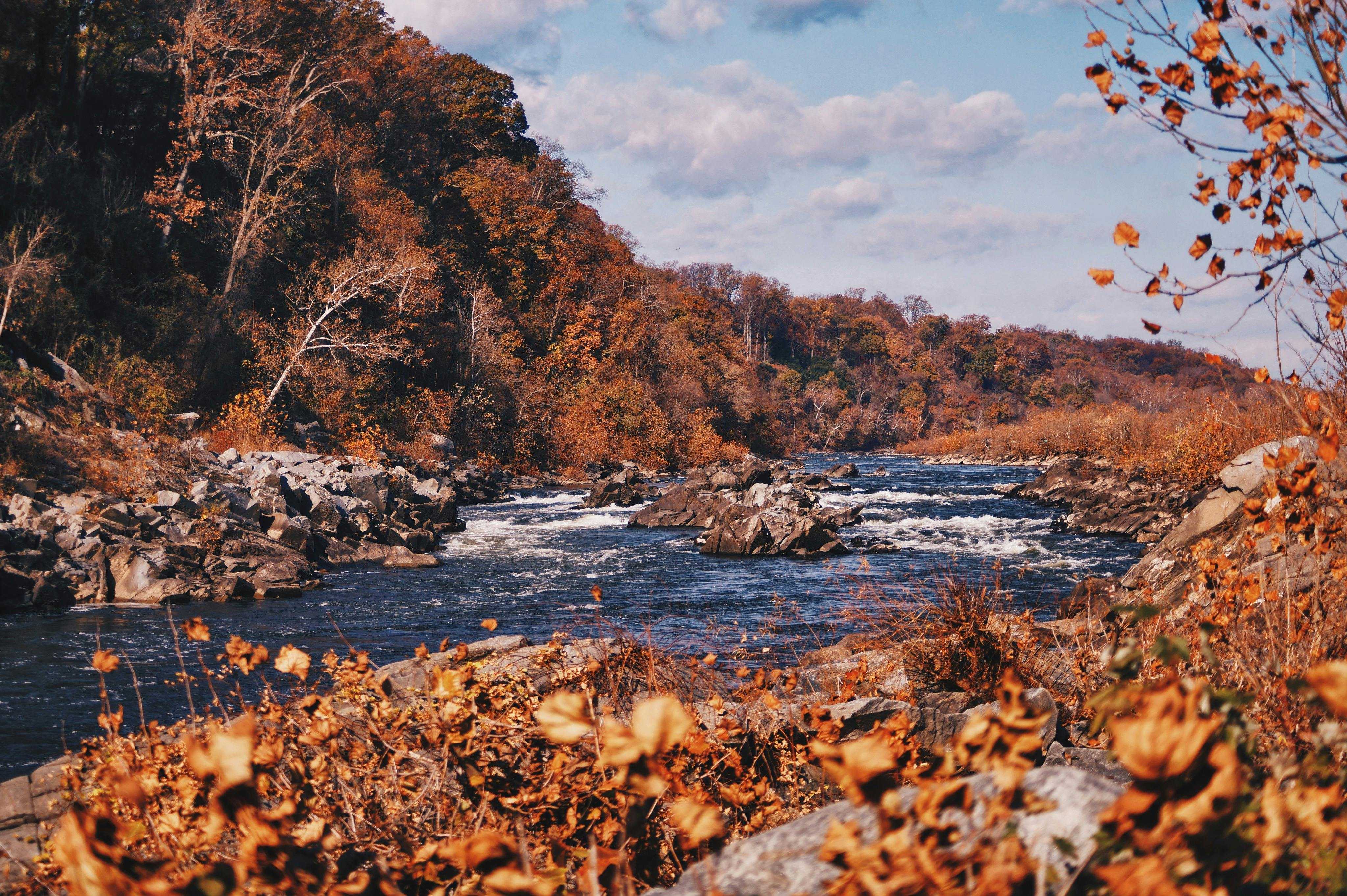
Great Falls Park

Great Falls Park offers amazing views of the waterfalls and numerous hiking trails just 15 miles from the nation's capital.

Virginia Beach Oceanfront

A prime destination with a 3-mile long boardwalk lined with shops, restaurants, and hotels.

Virginia Safari Park

A drive-thru zoo that allows visitors to get up close and personal with animals from the comfort of their own car.

Location videos

Real reels from travelers, plus longer watches to get the full picture.

From travelers

Practical info

The essentials for planning your time in Virginia.

Currency
$ | USD | US Dollar
Population
Approximately 8.7 million.
Languages
English, English

Local guide

What travelers love, what to watch for, and a deeper read on Virginia.

What people love

Virginia, located in the United States, offers a wide range of attractions and activities for travelers. Here are some pros of traveling to Virginia:

  1. Historical Sites: Virginia is rich in history, being one of the original 13 colonies. Visitors can explore historical sites such as Colonial Williamsburg, Monticello (Thomas Jefferson's home), and the Jamestown Settlement.

  2. Natural Beauty: Virginia is known for its beautiful landscapes, including the Blue Ridge Mountains, Shenandoah National Park, and the Chesapeake Bay. Outdoor enthusiasts can enjoy activities such as hiking, biking, and kayaking in these picturesque settings.

  3. Culinary Delights: Virginia is a food lover's paradise, with a thriving culinary scene that includes fresh seafood from the Chesapeake Bay, award-winning wineries in the Shenandoah Valley, and Southern comfort food like BBQ and biscuits.

  4. Vibrant Cities: Virginia is home to bustling cities such as Richmond, Norfolk, and Alexandria, each offering a unique blend of history, culture, and entertainment. Visitors can explore museums, galleries, shops, and restaurants in these vibrant urban centers.

  5. Diverse Attractions: Whether you're interested in history, nature, food, or arts and culture, Virginia has something for everyone. From the iconic Arlington National Cemetery to the quirky art scene in Richmond's Carytown district, there are endless opportunities for exploration and discovery in the state.

Overall, traveling to Virginia offers a diverse and enriching experience for visitors looking to immerse themselves in history, nature, and culture.

What to know

Some potential cons of traveling to Virginia in the United States could include:

  1. Weather: Virginia can experience extreme weather conditions, including hot and humid summers, as well as occasional hurricanes and heavy rainfall. Visitors may need to be prepared for varying weather conditions.

  2. Traffic: Virginia is known for heavy traffic congestion, especially in major cities such as Washington D.C., Richmond, and Virginia Beach. Travelers may encounter delays and long commute times during peak hours.

  3. Cost of living: Certain areas in Virginia, particularly urban centers, can have a high cost of living. This could impact travelers in terms of accommodation, dining, and entertainment expenses.

  4. Crowded tourist attractions: Popular tourist destinations in Virginia, such as Colonial Williamsburg, Shenandoah National Park, and Arlington National Cemetery, can get crowded during peak travel seasons. Visitors may have to deal with long lines and crowded spaces.

  5. Limited public transportation: While some areas in Virginia have well-developed public transportation systems, many parts of the state rely heavily on cars for transportation. Travelers may find it challenging to navigate certain areas without a vehicle.

  6. Historical context: Virginia has a complex history, including its role in slavery and the Civil War. Some visitors may find certain historical sites or monuments controversial or uncomfortable.

It's important to note that these potential cons may vary depending on individual preferences and travel experiences. It's always a good idea to research and plan ahead to mitigate any challenges during your trip to Virginia.

Virginia, officially known as the Commonwealth of Virginia, is a state located in the southeastern region of the United States. It has a rich history, being one of the original 13 colonies that formed the United States. Here's a detailed history of Virginia, highlighting significant events, historical figures, and important landmarks:

Early History and Colonial Period

  1. Indigenous Peoples: Before European settlement, Virginia was inhabited by various indigenous tribes, including the Powhatan Confederacy, a group of Algonquian-speaking peoples.

  2. 1607 - Jamestown Settlement: The first permanent English settlement in North America was established at Jamestown in 1607. It was founded by the Virginia Company of London and became the capital of the colony for nearly 100 years.

  3. Pocahontas and John Smith: Pocahontas, the daughter of Powhatan, played a significant role in the early years of the colony, notably in her interactions with John Smith and the settlers, which are surrounded by myth and historical accounts.

  4. Tobacco Economy: The introduction of tobacco by John Rolfe in 1612 transformed Virginia’s economy, leading to the establishment of plantations and the importation of enslaved Africans to work the land.

  5. House of Burgesses: In 1619, the Virginia House of Burgesses was established, marking the beginning of representative government in the American colonies.

Revolutionary War Period

  1. American Revolution: Virginia played a crucial role in the American Revolution. Key figures include Thomas Jefferson, who authored the Declaration of Independence, and Patrick Henry, known for his "Give me liberty, or give me death!" speech.

  2. Yorktown: The Siege of Yorktown in 1781 was the last major battle of the American Revolutionary War, where British General Cornwallis surrendered to American and French forces, effectively ending the conflict.

Post-Independence and Civil War

  1. Statehood: Virginia became the 10th state to ratify the Constitution on June 25, 1788.

  2. Civil War: During the American Civil War (1861-1865), Virginia was a major battleground. Richmond served as the capital of the Confederate States, and several key battles, including the Battle of Bull Run and the Siege of Petersburg, occurred on its soil.

  3. Robert E. Lee and Stonewall Jackson: Prominent Confederate generals such as Robert E. Lee and Thomas "Stonewall" Jackson were Virginians who played significant roles in the war.

Reconstruction to Modern Era

  1. Reconstruction: After the Civil War, Virginia underwent a period of Reconstruction before being readmitted to the Union in 1870.

  2. Civil Rights Movement: Virginia was a focal point during the Civil Rights Movement, with notable events such as the Massive Resistance policy against school desegregation and the actions of civil rights attorneys like Oliver Hill.

Important Landmarks and Figures

  • Mount Vernon: The plantation home of George Washington, located in Fairfax County, is a major historical site.
  • Monticello: Thomas Jefferson's plantation home in Charlottesville is a UNESCO World Heritage Site.
  • Colonial Williamsburg: A living-history museum and private foundation presenting part of a historic district in the city of Williamsburg, Virginia.

Virginia's history is marked by its pivotal role in American independence, its contributions to the founding and development of the United States, and its ongoing influence in American political, cultural, and social life.