Venezuela
· VE

Venezuela

Venezuela

Venezuela: Adventure Awaits in the Shadow of Giants Venezuela, a land where the Andes Mountains meet the Caribbean Sea, pulses with raw beauty and untamed adventure. Here, towering tepuis (table-top mountains) pierce th…

#South America#Caribbean Sea#Tropical climate#Angel Falls#Political unrest
1/12

Top hotels & flights

Hand-picked stays and the best fares into Venezuela.

Top Hotels in Caracas

Top Flights to Caracas

Popular activities

Tours, tickets and experiences travelers book most in Venezuela.

Tours

Angel Falls Expedition

A thrilling journey to the world's highest waterfall, located in the heart of the Canaima National Park, offering breathtaking views and an exhilarating experience for nature lovers.

Mérida Cable Car

Ascend to the peaks of the Andes mountains on the world's highest and longest cable car ride.

Shopping

Colonia Tovar

A charming town with German-inspired architecture, offering unique cultural experiences and local food.

Outdoor

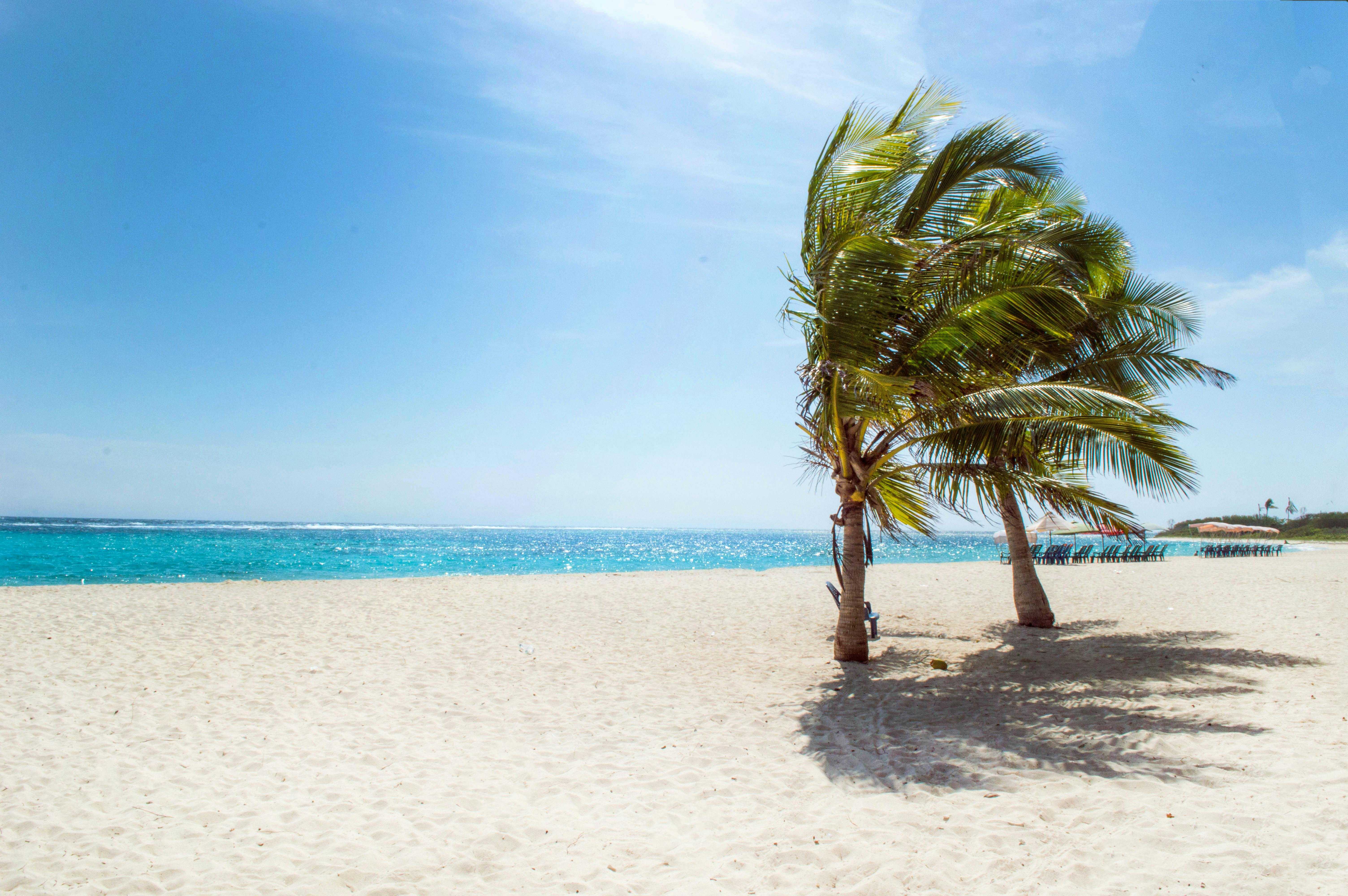
Los Roques Archipelago

A paradise of white sand beaches and crystal-clear waters, ideal for water sports and relaxation.

Choroni Beach Getaway

A picturesque beach destination known for its vibrant local culture and natural beauty.

Location videos

Real reels from travelers, plus longer watches to get the full picture.

From travelers
Watch & explore

Practical info

The essentials for planning your time in Venezuela.

Currency
Bs. | VED | Bolívar Digital Bolivarian Republic of Venezuela
Population
28.5 million
Languages
Spanish, Spanish, English
Average weather
Venezuela
Jan
sun
28°18°
Feb
sun
28°18°
Mar
sun
29°19°
Apr
cloud
29°20°
May
rain
30°21°
Jun
rain
30°21°
Jul
rain
30°21°
Aug
rain
30°21°
Sep
rain
30°21°
Oct
rain
30°21°
Nov
cloud
29°20°
Dec
sun
28°19°

Local guide

What travelers love, what to watch for, and a deeper read on Venezuela.

What people love

Traveling to Venezuela can offer a range of unique experiences and attractions. Here are some pros of traveling to Venezuela:

  1. Natural Beauty: Venezuela is known for its stunning natural landscapes, including the majestic Angel Falls (the world's highest waterfall), the beautiful Canaima National Park, and the pristine beaches of the Caribbean coast.

  2. Adventure Opportunities: The country offers a variety of adventure activities such as trekking, hiking, wildlife watching, and water sports like diving and snorkeling.

  3. Cultural Heritage: Venezuela has a rich cultural heritage with influences from indigenous, African, and European traditions. Visitors can explore traditional villages, music, dance, and delicious cuisine.

  4. Affordability: Traveling in Venezuela can be relatively affordable compared to other destinations, offering budget-friendly options for accommodation, food, and transportation.

  5. Warm Climate: Venezuela enjoys a tropical climate, making it an ideal destination for those looking to escape colder weather and enjoy sunshine throughout the year.

  6. Hospitality: Venezuelans are known for their warm and welcoming nature, making visitors feel at home and providing a hospitable environment for travelers.

Please note that the current situation in Venezuela, including political instability and economic challenges, may impact travel to the country. It is important to stay informed about travel advisories and safety considerations before planning a trip to Venezuela.

What to know

Traveling to Venezuela comes with several cons due to the current economic and political situation in the country. Here are some of the potential drawbacks:

  1. Safety Concerns: Venezuela has high levels of crime, including violent crime, theft, and kidnapping. Tourists are often targeted, especially in popular tourist areas. It is recommended to exercise caution and be vigilant at all times.

  2. Political Unrest: Venezuela has been experiencing political turmoil and instability in recent years, leading to protests, demonstrations, and clashes between authorities and civilians. Travelers may find themselves caught in the middle of such situations, which can be dangerous.

  3. Economic Challenges: Venezuela is facing a severe economic crisis, with hyperinflation, shortages of basic goods, and a lack of essential services. This can make it challenging for travelers to access necessities and services during their stay.

  4. Health Risks: Venezuela has limited healthcare infrastructure and access to medical supplies. Travelers may face difficulties in obtaining medical assistance in case of illness or injury. Additionally, certain diseases such as malaria and dengue fever are prevalent in some areas.

  5. Currency Issues: Venezuela has strict currency controls and a fluctuating exchange rate, making it challenging for travelers to access and manage their finances while in the country. It is advisable to plan and budget carefully for the trip.

  6. Infrastructure Problems: Venezuela's infrastructure, including transportation networks and public services, may be unreliable and inadequate. This can lead to difficulties in getting around the country and accessing essential services.

It is essential for travelers to stay informed about the current situation in Venezuela and take necessary precautions to ensure their safety and well-being while visiting the country. It is also recommended to check travel advisories issued by official sources before planning a trip to Venezuela.

Please note that the situation in Venezuela is constantly evolving, and it is advisable to seek up-to-date information from reliable sources before making any travel plans.

Venezuela, officially known as the Bolivarian Republic of Venezuela, is a country located on the northern coast of South America. The history of Venezuela is rich and complex, shaped by a variety of cultures, political movements, and natural resources. Here is a detailed overview of Venezuela's history:

Pre-Columbian Period:

  • The area of present-day Venezuela was originally inhabited by indigenous peoples, including the Caribs, Arawaks, and Chibchas.
  • These indigenous groups developed advanced societies with complex social structures, agriculture, and trade networks.

Spanish Colonization:

  • In 1498, Christopher Columbus became the first European to reach the coast of Venezuela during his third voyage to the Americas.
  • Spanish conquistadors, such as Diego de Losada and Alonso de Ojeda, began exploring and colonizing the region in the early 16th century.
  • The Spanish established several settlements, including Coro and Caracas, and exploited the native populations for labor in mining and agriculture.

Independence Movement:

  • Venezuela played a key role in the independence movement against Spanish colonial rule led by figures such as Simón Bolívar and Francisco de Miranda.
  • The Venezuelan War of Independence began in 1810 and culminated in Venezuela's independence from Spain in 1821.
  • Bolívar, known as the "Liberator," played a central role in the independence struggle and went on to become one of Latin America's most prominent leaders.

19th and 20th Centuries:

  • Venezuela experienced political instability and military dictatorships throughout the 19th and 20th centuries.
  • The country's economy became heavily reliant on oil production following the discovery of significant oil reserves in the early 20th century.
  • In 1958, a democratic government was established, ending a period of military rule.
  • Political and social tensions persisted, leading to periods of unrest and civil conflict.

Modern History:

  • Hugo Chávez, a charismatic military officer, was elected president in 1998 and initiated a socialist-inspired political project known as the Bolivarian Revolution.
  • Chávez implemented social welfare programs and nationalized key industries, including the oil sector.
  • Following Chávez's death in 2013, his successor Nicolás Maduro faced mounting economic challenges, political unrest, and international criticism.
  • Venezuela has experienced a severe economic crisis marked by hyperinflation, shortages of basic goods, and mass emigration of its population.

Important Landmarks:

  • Angel Falls: Located in Canaima National Park, Angel Falls is the world's highest uninterrupted waterfall, plunging over 3,200 feet.
  • Ciudad Bolívar: Founded in 1764, Ciudad Bolívar is a historic city on the Orinoco River, known for its colonial architecture and cultural heritage.
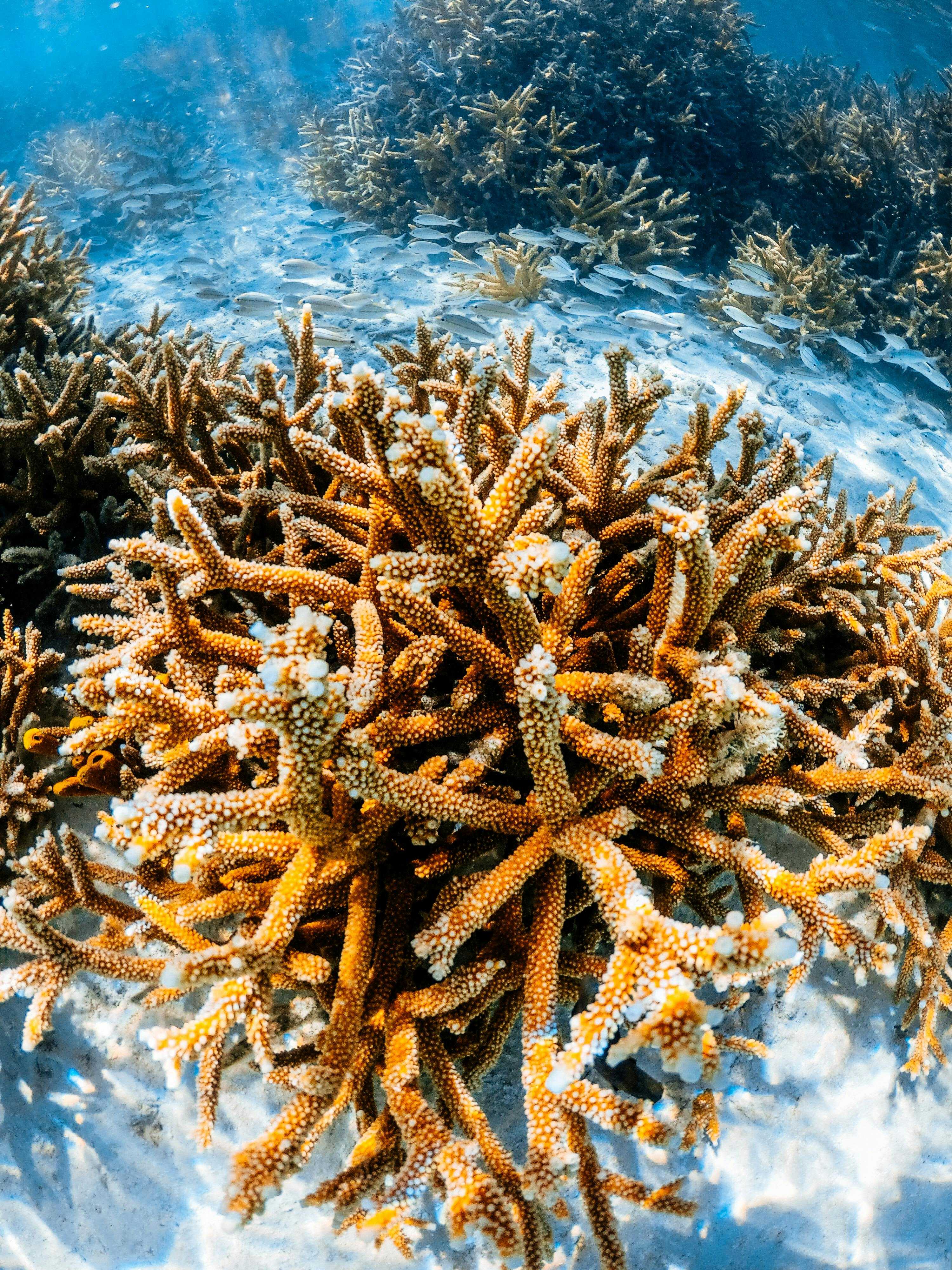
  • Los Roques Archipelago: A pristine marine park featuring coral reefs, white sandy beaches, and crystal-clear waters, popular for diving and water sports.

Please note that this overview provides a broad outline of Venezuela's history and landmarks. For more in-depth information, further research is recommended.