Vanuatu
· VU

Vanuatu

Vanuatu

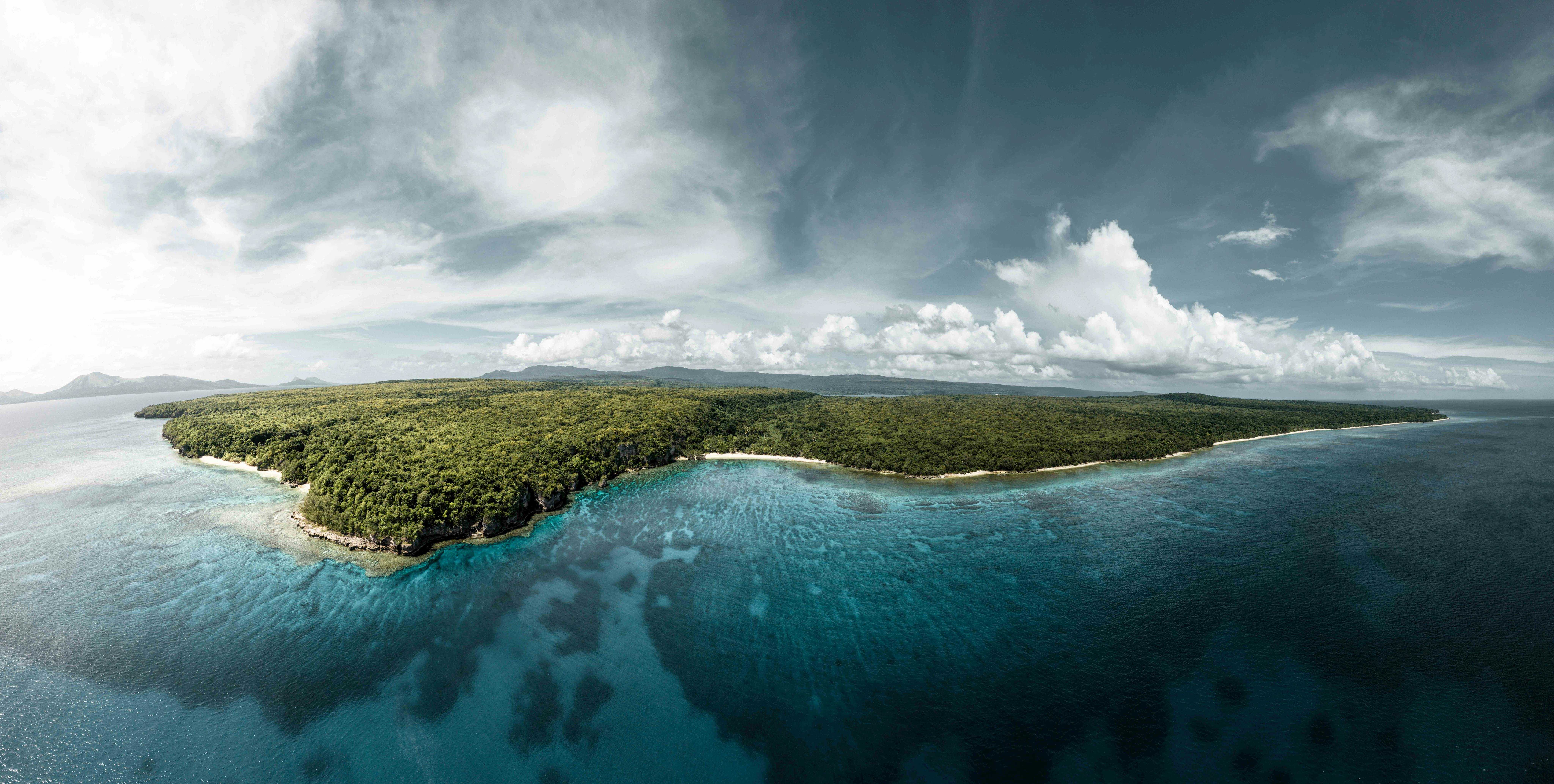
Escape to Paradise: Unveiling the Untamed Beauty of Vanuatu Immerse yourself in the heart of the South Pacific, where emerald islands rise dramatically from turquoise waters, and ancient traditions intertwine with vibran…

#Island nation#South Pacific#Tropical climate#Volcanic islands#Coral reefs
1/3

Top hotels & flights

Hand-picked stays and the best fares into Vanuatu.

Top Hotels in Port Vila

Top Flights to Port Vila

Popular activities

Tours, tickets and experiences travelers book most in Vanuatu.

Tours

Efate Island Sightseeing Tour

Explore the beauty of Efate Island, its beaches, and historical sites.

Tanna Island Volcano Tour

Witness the active volcano, Mount Yasur, on Tanna Island.

Shopping

Port Vila Market Shopping

Explore the local market in Port Vila for authentic Vanuatuan crafts and produce.

Outdoor

Moso Island Snorkeling Adventure

Snorkeling adventure in the crystal clear waters of Moso Island.

Espiritu Santo Beach Adventure

Relax and enjoy water activities on the stunning beaches of Espiritu Santo.

Location videos

Real reels from travelers, plus longer watches to get the full picture.

Watch & explore

Practical info

The essentials for planning your time in Vanuatu.

Currency
VT | VUV | Vanuatu Vatu
Population
The approximate estimated total population of Vanuatu is '0.3 million'.
Languages
Bislama, English, French, Bislama
Average weather
Vanuatu
Jan
rain
30°24°
Feb
rain
30°24°
Mar
rain
30°24°
Apr
rain
29°23°
May
cloud
28°22°
Jun
cloud
27°21°
Jul
cloud
26°20°
Aug
cloud
26°20°
Sep
sun
27°20°
Oct
sun
28°21°
Nov
sun
29°22°
Dec
rain
30°23°

Local guide

What travelers love, what to watch for, and a deeper read on Vanuatu.

What people love

Vanuatu is a beautiful island nation located in the South Pacific Ocean, known for its stunning natural beauty and rich cultural heritage. Here are some pros of traveling to Vanuatu:

  1. Breathtaking Scenery: Vanuatu is home to lush rainforests, pristine beaches, and stunning coral reefs. Visitors can enjoy activities such as snorkeling, diving, hiking, and exploring active volcanoes.

  2. Rich Culture: The people of Vanuatu have a unique and vibrant culture, with traditional ceremonies, dances, and rituals that visitors can experience. The locals are known for their warm hospitality and welcoming nature.

  3. Adventure Activities: Vanuatu offers a wide range of adventure activities for thrill-seekers, including zip-lining through the jungle, horseback riding, and exploring underwater caves. The island is also a popular destination for surfing and fishing.

  4. Relaxation and Wellness: With its tranquil beaches and luxurious resorts, Vanuatu is the perfect place to unwind and relax. Visitors can indulge in spa treatments, yoga classes, and wellness retreats to rejuvenate both body and mind.

  5. Unique Cuisine: Vanuatu boasts a diverse culinary scene, with an emphasis on fresh seafood, tropical fruits, and organic produce. Visitors can enjoy traditional dishes such as lap lap (a local specialty made with root vegetables and coconut milk) and experience the flavors of the Pacific.

  6. Cultural Experiences: Travelers to Vanuatu can immerse themselves in the local culture by visiting traditional villages, attending cultural festivals, and learning about the history of the islands. The Vanuatu Cultural Center in Port Vila is a great place to start.

Overall, Vanuatu is a tropical paradise that offers a perfect blend of adventure, relaxation, and cultural immersion for travelers seeking a unique and unforgettable experience.

Enjoy your trip to Vanuatu!

What to know

Traveling to Vanuatu, like any destination, has its cons. Here are some potential drawbacks of traveling to Vanuatu:

  1. Natural Disasters: Vanuatu is situated in a region prone to natural disasters such as cyclones, earthquakes, and volcanic eruptions. Travelers should stay informed about the current situation and be prepared for any emergencies.

  2. Limited Infrastructure: Some parts of Vanuatu, especially in the outer islands, may have limited infrastructure in terms of transportation, healthcare facilities, and communication networks. This can make traveling around the country challenging.

  3. Health Concerns: As a tropical destination, Vanuatu has risks of mosquito-borne diseases such as dengue fever and malaria. Travelers should take necessary precautions, such as using insect repellent and taking anti-malarial medication.

  4. Language Barrier: While English and French are widely spoken in Vanuatu, the local languages such as Bislama may be predominant in some areas. Communication can be a challenge in remote villages or with older generations.

  5. High Cost: Traveling to Vanuatu can be relatively expensive, especially when it comes to accommodation, dining, and activities. Budget travelers may find it challenging to explore the country without overspending.

  6. Limited Activities: While Vanuatu offers stunning natural beauty and outdoor activities, the range of tourist attractions and entertainment options may be limited compared to more developed destinations. Travelers seeking a vibrant nightlife or shopping experiences may find Vanuatu lacking in these areas.

  7. Cultural Sensitivities: Vanuatu is home to diverse indigenous cultures with unique customs and traditions. Travelers should be respectful of local customs, dress modestly, and seek permission before taking photos of people or sacred sites.

It's important to note that despite these potential drawbacks, Vanuatu also offers unparalleled natural beauty, rich cultural experiences, and warm hospitality that can make it a rewarding travel destination for many visitors.

Vanuatu, officially known as the Republic of Vanuatu, is an island nation located in the South Pacific Ocean. Its history is rich with a mix of indigenous culture, European exploration, and colonial influence. Here is a detailed history of Vanuatu:

Pre-European Contact

  • Early Settlements: The islands of Vanuatu were first settled by Austronesian-speaking peoples around 3,000 years ago. These early inhabitants are believed to have originated from Southeast Asia, bringing with them Lapita culture, which is characterized by distinctive pottery.

European Exploration and Colonization

  • 1606 - Pedro Fernandes de Queirós: The first European to reach the islands was the Portuguese navigator Pedro Fernandes de Queirós, sailing for Spain, who arrived at Espiritu Santo in 1606. He believed he had found the great southern continent, Terra Australis.

  • 18th Century - Captain James Cook: In 1774, British explorer Captain James Cook visited the islands, naming them the New Hebrides, a name that remained until independence.

  • 19th Century - Missionaries and Traders: Throughout the 19th century, missionaries, traders, and settlers began to arrive. The islands became a source of labor for plantations in Australia and Fiji, a practice known as "blackbirding."

Condominium Rule

  • 1906 - Joint Colonial Administration: In 1906, the United Kingdom and France agreed to administer the New Hebrides as a joint colonial condominium, a unique form of governance in which both countries exercised equal authority.

Path to Independence

  • 1940s-1970s - Nationalist Movements: After World War II, a movement for independence began to grow. The push was led by various political groups, most notably the New Hebrides National Party (later the Vanua'aku Pati) under Walter Lini.

  • 1980 - Independence: On July 30, 1980, Vanuatu gained independence from France and the United Kingdom. Walter Lini became the first Prime Minister, and the country joined the United Nations later that year.

Post-Independence

  • 1980s-1990s - Political Developments: The post-independence period was marked by political instability, with frequent changes in government and leadership struggles.

  • 1994 - First President: Jean-Marie Léyé became the first President of Vanuatu, a role that is largely ceremonial.

Recent History

  • 2000s - Economic and Environmental Challenges: Vanuatu has faced several challenges, including natural disasters like cyclones and earthquakes, as well as economic dependencies on agriculture and tourism.

  • 2015 - Cyclone Pam: In March 2015, Cyclone Pam, one of the most intense tropical cyclones in the South Pacific, struck Vanuatu, causing widespread devastation.

Important Landmarks

  • Mount Yasur: An active volcano on Tanna Island, it is one of the most accessible active volcanoes in the world and a major tourist attraction.

  • Port Vila: The capital city on the island of Efate, known for its harbor and as a center of commerce and tourism.

  • Chief Roi Mata’s Domain: A UNESCO World Heritage Site, it encompasses the burial site and other important locations associated with the legendary Chief Roi Mata, a significant historical figure in Vanuatu's culture.

Vanuatu's history is characterized by its rich indigenous heritage and the complex interplay of colonial influences, leading to its current status as a vibrant and independent nation in the Pacific.