Uruguay
· UY

Uruguay

Uruguay

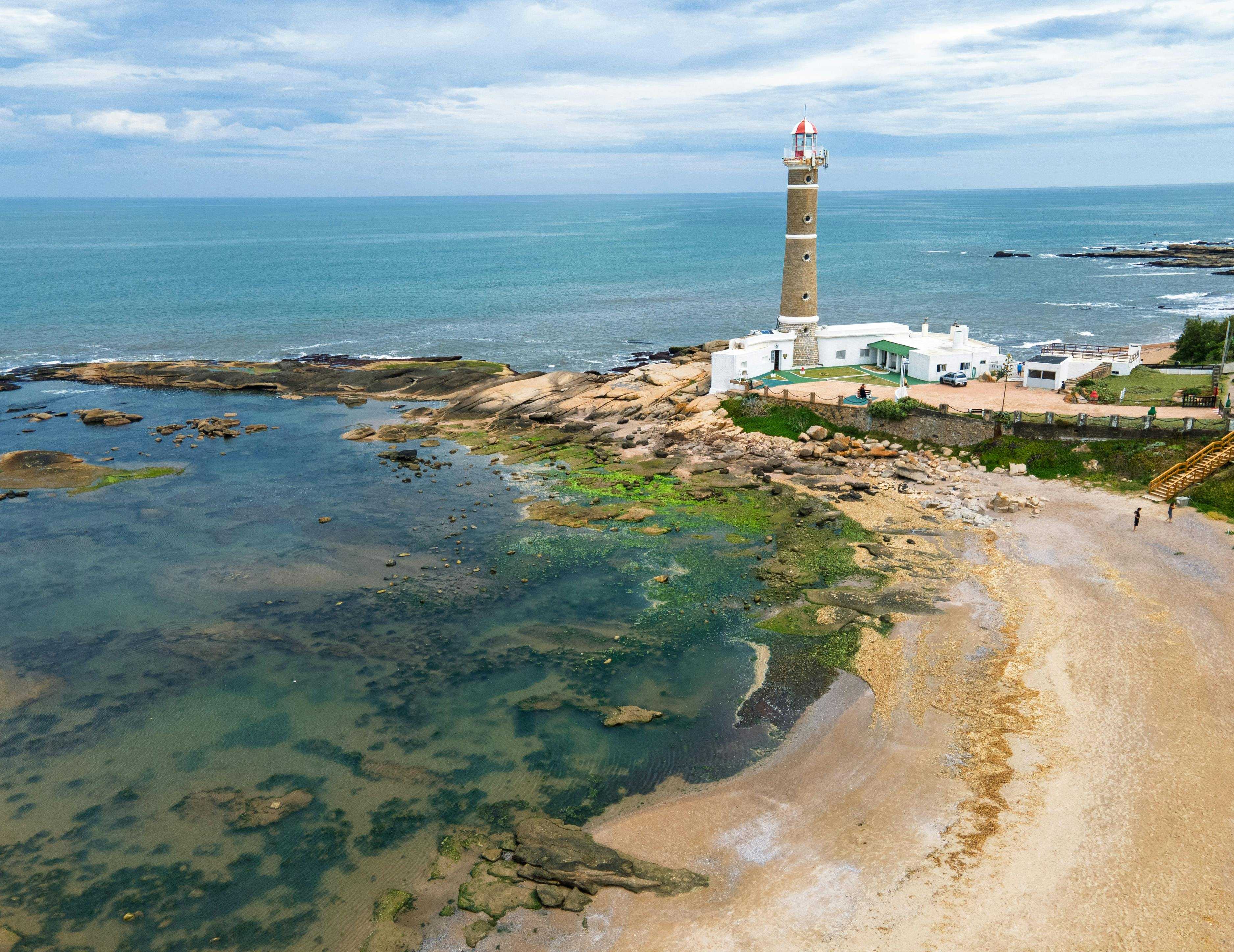
Discover the Enchanting Allure of Uruguay Nestled between the vibrant giants of Brazil and Argentina, Uruguay may be small, but it's brimming with charm, culture, and captivating landscapes. This hidden gem of South Amer…

#South America#Montevideo#Spanish-speaking#Beaches#Gaucho culture
1/9

Top hotels & flights

Hand-picked stays and the best fares into Uruguay.

Top Hotels in Montevideo

Top Flights to Montevideo

Popular activities

Tours, tickets and experiences travelers book most in Uruguay.

Tours

Montevideo City Tour

Explore the vibrant capital of Uruguay, Montevideo, known for its rich history and cultural sights.

Colonia del Sacramento Visit

Step back in time with a visit to Colonia del Sacramento, a UNESCO World Heritage site.

Shopping

Mercado del Puerto Experience

Discover Uruguay's culinary delights and vibrant market culture at Mercado del Puerto.

Outdoor

Punta del Este Beach Day

Enjoy a relaxing day at the famous beaches of Punta del Este, known for their beauty and vibrant atmosphere.

Cabo Polonio Wildlife Exploration

Experience the unique ecosystem and wildlife of Cabo Polonio, a rustic and remote part of Uruguay.

Location videos

Real reels from travelers, plus longer watches to get the full picture.

Watch & explore

Practical info

The essentials for planning your time in Uruguay.

Currency
$U | UYU | Uruguayan Peso Oriental Republic of Uruguay
Population
The approximate estimated total population of Uruguay is 3.5 million.
Languages
Spanish, Spanish
Average weather
Uruguay
Jan
sun
28°18°
Feb
sun
27°18°
Mar
sun
25°16°
Apr
cloud
22°13°
May
cloud
18°10°
Jun
rain
15°7°
Jul
cold
15°6°
Aug
cloud
16°7°
Sep
cloud
18°9°
Oct
clear
21°11°
Nov
sun
24°14°
Dec
sun
27°17°

Local guide

What travelers love, what to watch for, and a deeper read on Uruguay.

What people love

Uruguay is a beautiful country located in South America with many unique attractions and experiences to offer travelers. Some of the pros of traveling to Uruguay include:

  1. Safety: Uruguay is known for being one of the safest countries in South America, making it a great destination for solo travelers and families.

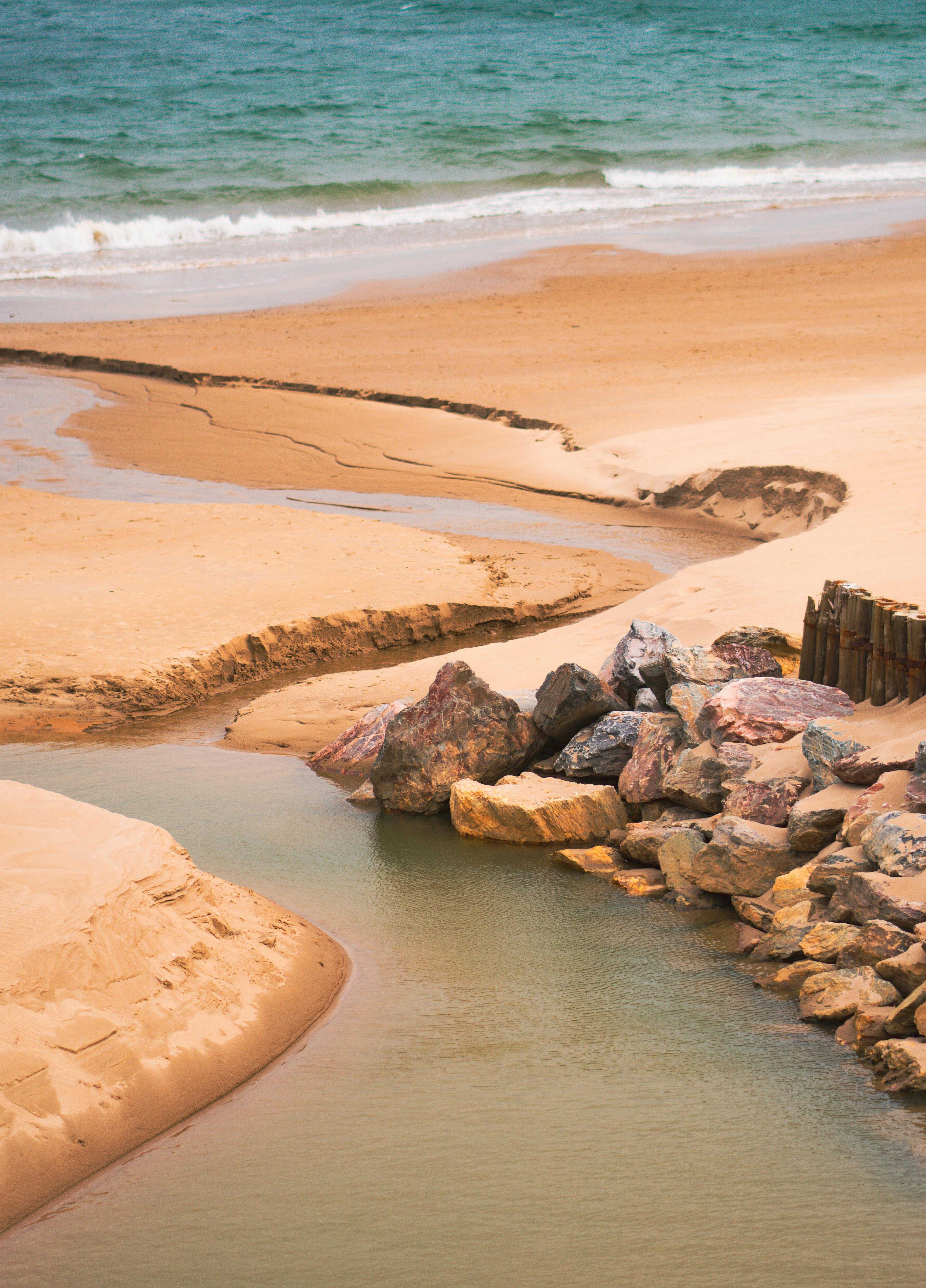
  2. Beaches: Uruguay boasts stunning beaches along its coastline, such as Punta del Este and La Paloma, which are perfect for sunbathing, swimming, and water sports.

  3. Culture: Uruguay has a rich cultural heritage, with influences from European and African traditions. Visitors can explore historic sites, museums, and art galleries to learn more about the country's history and culture.

  4. Food and Wine: Uruguay is famous for its delicious cuisine, including traditional dishes like asado (barbecue) and empanadas. The country also produces excellent wine, particularly in the region of Canelones.

  5. Nature: Uruguay is home to diverse landscapes, including rolling hills, rivers, and wetlands. Visitors can enjoy outdoor activities such as hiking, birdwatching, and horseback riding in the country's national parks and nature reserves.

Overall, Uruguay offers a safe and welcoming environment for travelers, with a mix of cultural experiences, beautiful natural scenery, and delicious food and wine to enjoy.

What to know

Uruguay is a beautiful country with many attractions, but like any destination, it also has some cons that travelers should be aware of. Here are some potential drawbacks of traveling to Uruguay:

  1. Cost: Uruguay can be relatively expensive compared to other countries in South America. Accommodation, dining, and transportation costs can add up quickly, especially in popular tourist areas like Punta del Este.

  2. Language barrier: While many Uruguayans speak English, particularly in tourist areas, the primary language spoken in Uruguay is Spanish. Travelers who do not speak Spanish may encounter some difficulties communicating with locals.

  3. Weather: Uruguay experiences four distinct seasons, with hot summers and cool winters. Travelers should be prepared for the weather conditions during their visit and pack accordingly.

  4. Safety concerns: While Uruguay is generally considered to be a safe country for travelers, like any destination, there is some risk of petty crime such as pickpocketing, especially in crowded tourist areas. Travelers should take common-sense precautions to protect themselves and their belongings.

  5. Limited public transportation: While Uruguay has a decent public transportation system in major cities like Montevideo, it may not be as extensive or reliable as in some other countries. Renting a car or using taxis may be necessary for getting around in certain areas.

Overall, Uruguay is a wonderful destination with much to offer travelers, but it is important to be aware of these potential cons before planning your trip.

Uruguay, officially known as the Oriental Republic of Uruguay, is a country located in the southeastern region of South America. Here's a detailed history of Uruguay, including significant events, historical figures, and important landmarks:

Pre-Colonial and Colonial Period

  • Pre-Colonial Era: Before the arrival of Europeans, the area that is now Uruguay was inhabited by indigenous peoples, primarily the Charrúa, Minuán, Guaraní, and Chaná tribes.

  • 1516: The first European to explore the region was Spanish explorer Juan Díaz de Solís, who arrived at the Río de la Plata estuary. His expedition did not lead to immediate colonization.

  • Early 17th Century: The Spanish established settlements in the region, but it was not heavily populated due to the lack of precious metals and the resistance of indigenous peoples.

  • 1680: The Portuguese established Colonia del Sacramento, a fort and settlement on the Río de la Plata, challenging Spanish dominance in the region.

18th and Early 19th Century

  • 1726: The Spanish founded Montevideo as a counter to the Portuguese presence in Colonia. Montevideo grew to become an important port city.

  • 1808-1814: During the Peninsular War, Spanish control weakened, and local movements for independence began to emerge in the region.

  • 1811: José Gervasio Artigas, a national hero, led the struggle for Uruguayan independence from Spanish and Portuguese rule. He is known as the "father of Uruguayan nationhood."

  • 1825: The Thirty-Three Orientals, a group of revolutionaries led by Juan Antonio Lavalleja, launched an uprising against Brazilian control (Uruguay had been annexed by Brazil in 1821).

  • 1828: After a series of conflicts, the Treaty of Montevideo was signed, and Uruguay was recognized as an independent state, with the mediation of Britain.

Mid to Late 19th Century

  • 1830: Uruguay adopted its first constitution, establishing a constitutional republic.

  • 1839-1851: The country was embroiled in the Guerra Grande, a civil war between the Colorado and Blanco parties, which also involved neighboring countries like Argentina and Brazil.

  • 1851: The war ended with a peace treaty that stabilized the political environment and allowed for economic development.

  • 1857: The first bank in Uruguay, the Banco Comercial, was established, signifying growing economic activity.

20th Century

  • 1903-1907 and 1911-1915: Under the presidency of José Batlle y Ordóñez, Uruguay implemented significant social and economic reforms, including the establishment of a welfare state, secularization of the government, and modernization of the economy and infrastructure.

  • 1930: Uruguay hosted and won the first FIFA World Cup, marking a significant moment in its national pride and international recognition.

  • 1950: Uruguay won the FIFA World Cup again, famously defeating Brazil in the final match, known as "Maracanazo."

  • 1951: A new constitution was implemented, introducing a colegiado, or executive council, that replaced the presidential system. This system was later abolished in 1967.

  • 1960s-1970s: Uruguay faced economic difficulties and political instability, leading to the rise of the Tupamaros, a left-wing urban guerrilla group. This period culminated in a military coup in 1973.

  • 1973-1985: Uruguay was under a military dictatorship, during which human rights abuses were prevalent.

Contemporary Period

  • 1985: Democracy was restored, and Julio María Sanguinetti became the first democratically elected president since the dictatorship.

  • 2004: Tabaré Vázquez of the left-wing Broad Front (Frente Amplio) coalition was elected president, marking a significant shift in Uruguayan politics.

  • 2010: José Mujica, a former Tupamaro leader, was elected president. His leadership was characterized by progressive policies and a focus on social welfare.

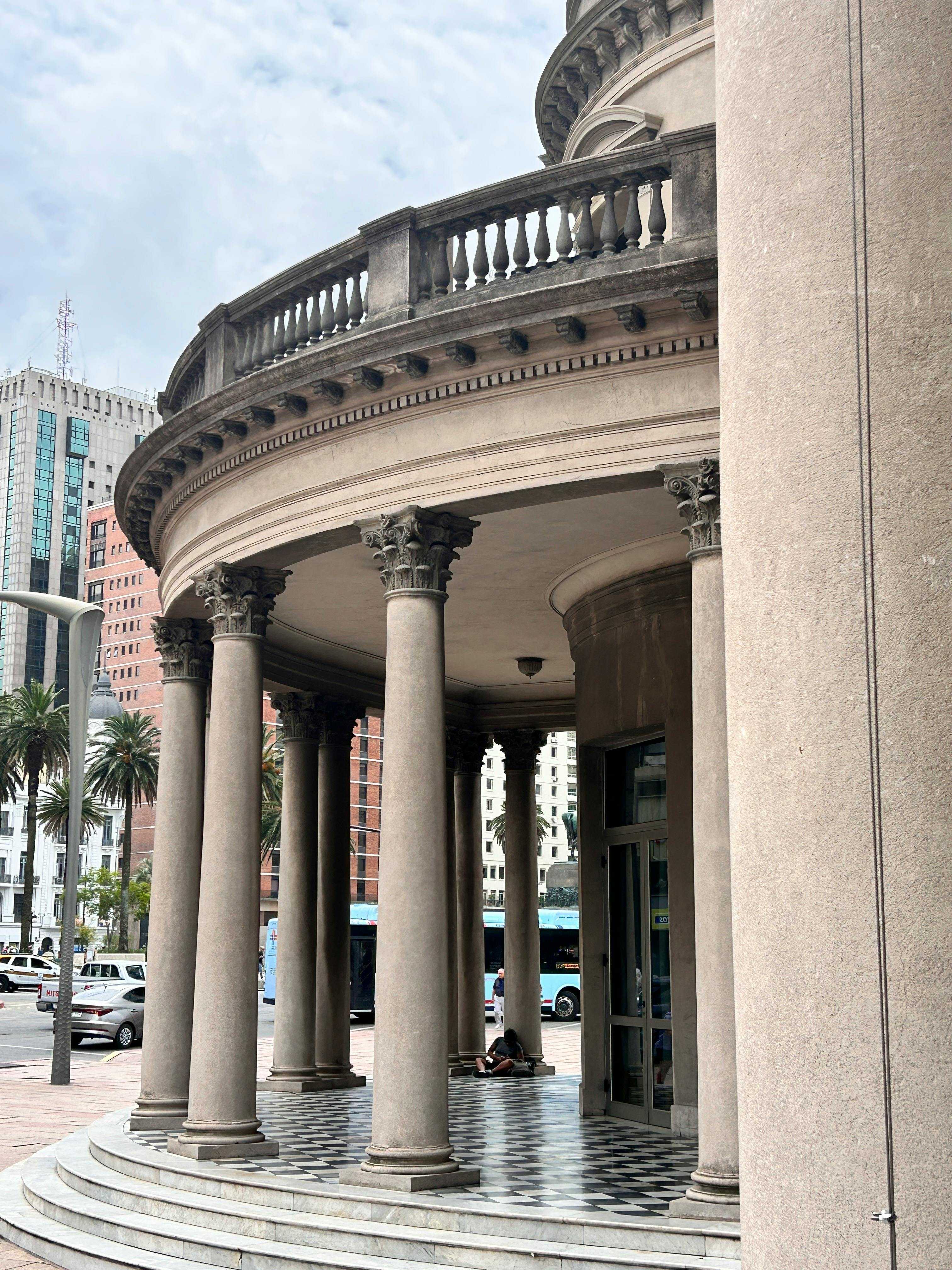
  • Significant Landmarks: Important landmarks in Uruguay include the historic district of Colonia del Sacramento, a UNESCO World Heritage site; the Solís Theatre in Montevideo; and the Legislative Palace, home to the country's parliament.

Uruguay is known for its stable democracy, progressive social policies, and high standard of living. It continues to play a significant role in regional politics and international diplomacy.