
Tuscany
State · Italy

Tuscany

Tuscany, Italy

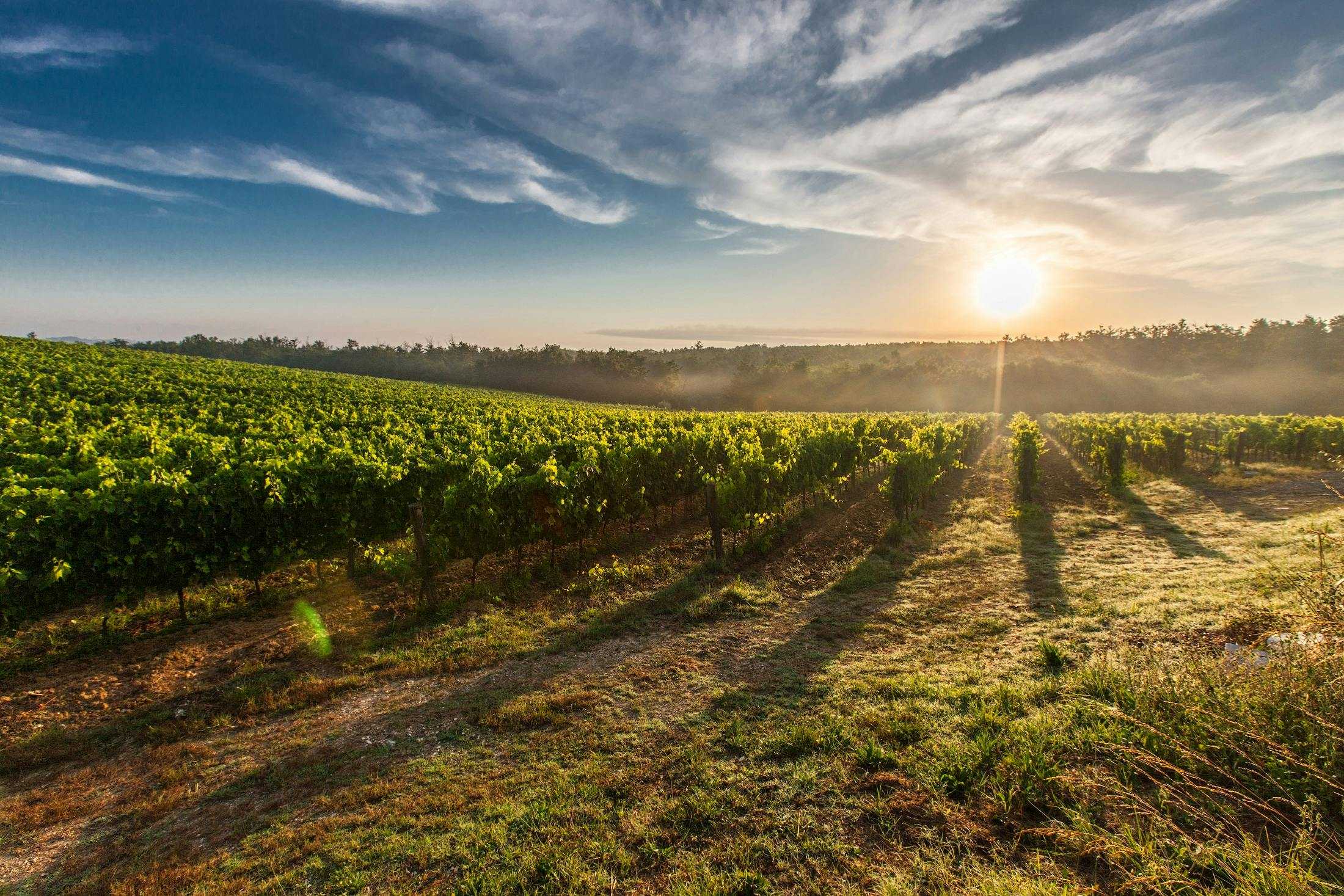
Tuscany is the quintessential Italian experience, a region where rolling hills, cypress-lined roads, and sun-drenched vineyards meet unparalleled…

#Wine country#Countryside#Historic architecture#Mediterranean climate#Art and culture

Explore Tuscany

Top cities in Tuscany

Pick a city to open its guide.

See it for yourself

Location videos

Reels and longer watches.

Featured for Tuscany

Traveller clips picked out for this place.

Watch & explore

Good to know

Practical info

Weather, costs and getting around.

Tuscany, Italy Open in Google Maps
Currency
€ | EUR | Euro
Population
3.67 million (2022)
Density
160 / km²
Local time
Languages
Italian mainly · English, French, German
Budget / day
€90 - €350
Also known as
Toscana

Know before you go

Local guide

A deeper read on Tuscany.

What people love

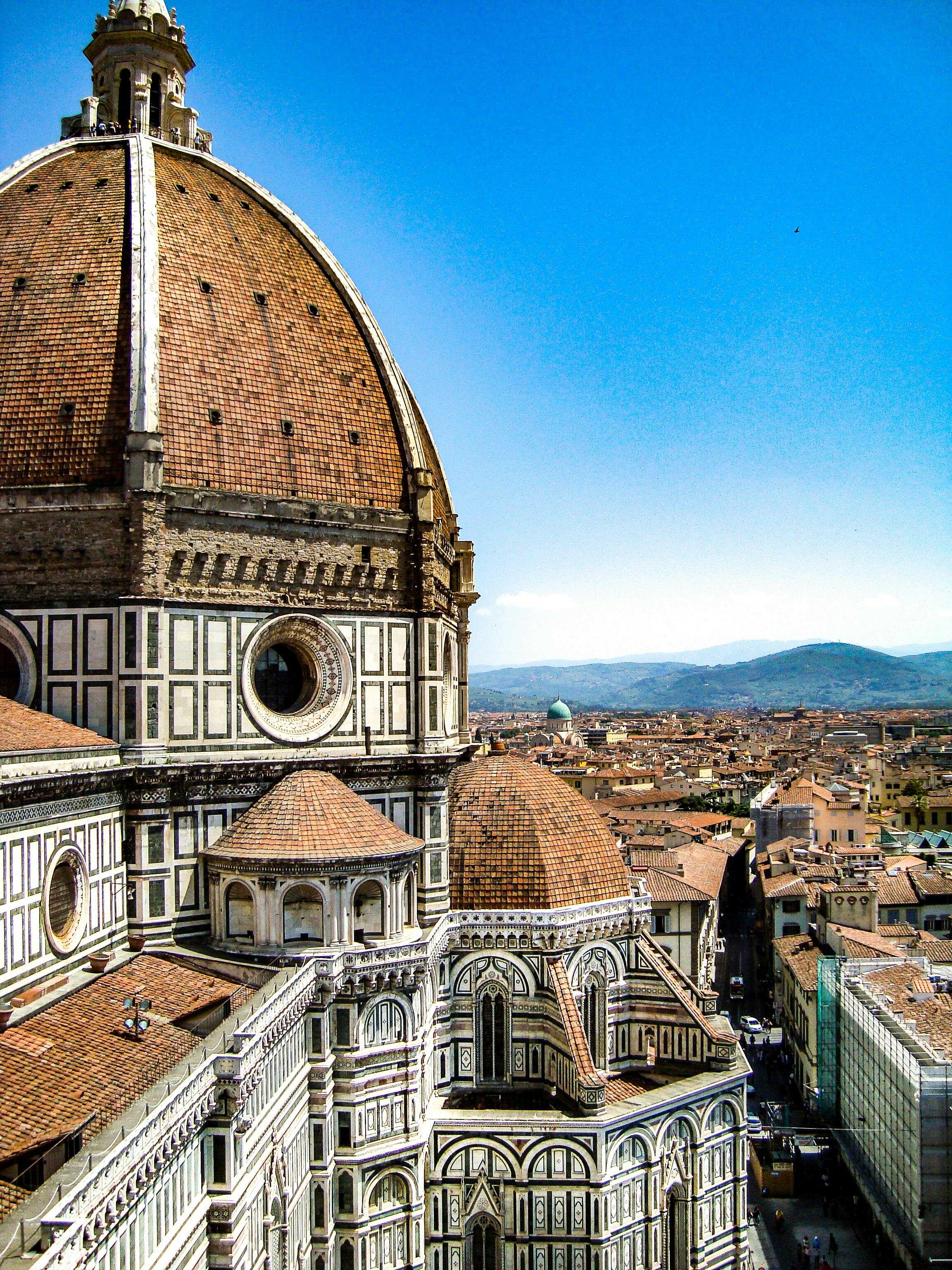
Tuscany boasts an unparalleled mix of world-class art, historic architecture, and breathtaking landscapes. It is home to iconic cities like Florence and Siena, offering deep dives into Renaissance history. The region is a culinary paradise, famous for its exceptional wines, fresh olive oil, and rustic local dishes. Visitors can easily transition from exploring world-renowned museums to relaxing in the tranquil, picturesque countryside of the Val d'Orcia or enjoying the beautiful Tyrrhenian coastline.

What to know

Tuscany is one of Italy's most popular destinations, meaning major cities like Florence and Pisa become heavily crowded during the peak summer months. This high demand also drives up prices for accommodation, dining, and tours. Navigating the region without a rental car can be challenging if you want to explore rural vineyards and smaller hill towns, as public transport is mostly limited to larger cities. Additionally, the summer heat can be intense, making midday sightseeing exhausting.

Tuscany, a region in central Italy, has a rich history dating back to ancient times. The area was first inhabited by the Etruscans, who established a powerful civilization in the region around 800 BC. The Etruscans were skilled artisans and traders, known for their advanced metalworking and pottery techniques.

In the 4th century BC, Tuscany became part of the Roman Republic and later the Roman Empire. The region flourished under Roman rule, with the construction of roads, aqueducts, and impressive buildings such as the amphitheater in Florence.

During the medieval period, Tuscany was divided into various city-states, including Florence, Siena, and Pisa, each known for their wealth, art, and culture. The rivalry between these city-states often led to conflicts but also fostered a rich artistic and intellectual environment. The Renaissance, a period of great cultural and artistic flourishing, began in Tuscany in the 14th century, with figures like Leonardo da Vinci, Michelangelo, and Galileo Galilei making significant contributions to art, science, and philosophy.

Tuscany played a crucial role in the unification of Italy in the 19th century, with Florence serving as the capital of the Kingdom of Italy from 1865 to 1871. The region saw significant economic development and industrialization during this time.

Today, Tuscany is known for its picturesque landscapes, historic cities, and world-renowned art and architecture. Florence, the capital of Tuscany, is home to iconic landmarks such as the Duomo, the Uffizi Gallery, and the Ponte Vecchio. The city of Pisa is famous for its leaning tower, while Siena is known for its medieval architecture and annual Palio horse race.

Tuscany's wine regions, including Chianti and Montalcino, are celebrated for producing some of Italy's finest wines. The region also boasts a diverse culinary tradition, with dishes like ribollita, pappa al pomodoro, and bistecca alla fiorentina showcasing the local flavors.

Overall, Tuscany's history is a tapestry of art, culture, and innovation, making it a beloved destination for travelers and a source of inspiration for artists and thinkers throughout the centuries.