Tunisia
· TN

Tunisia

Tunisia

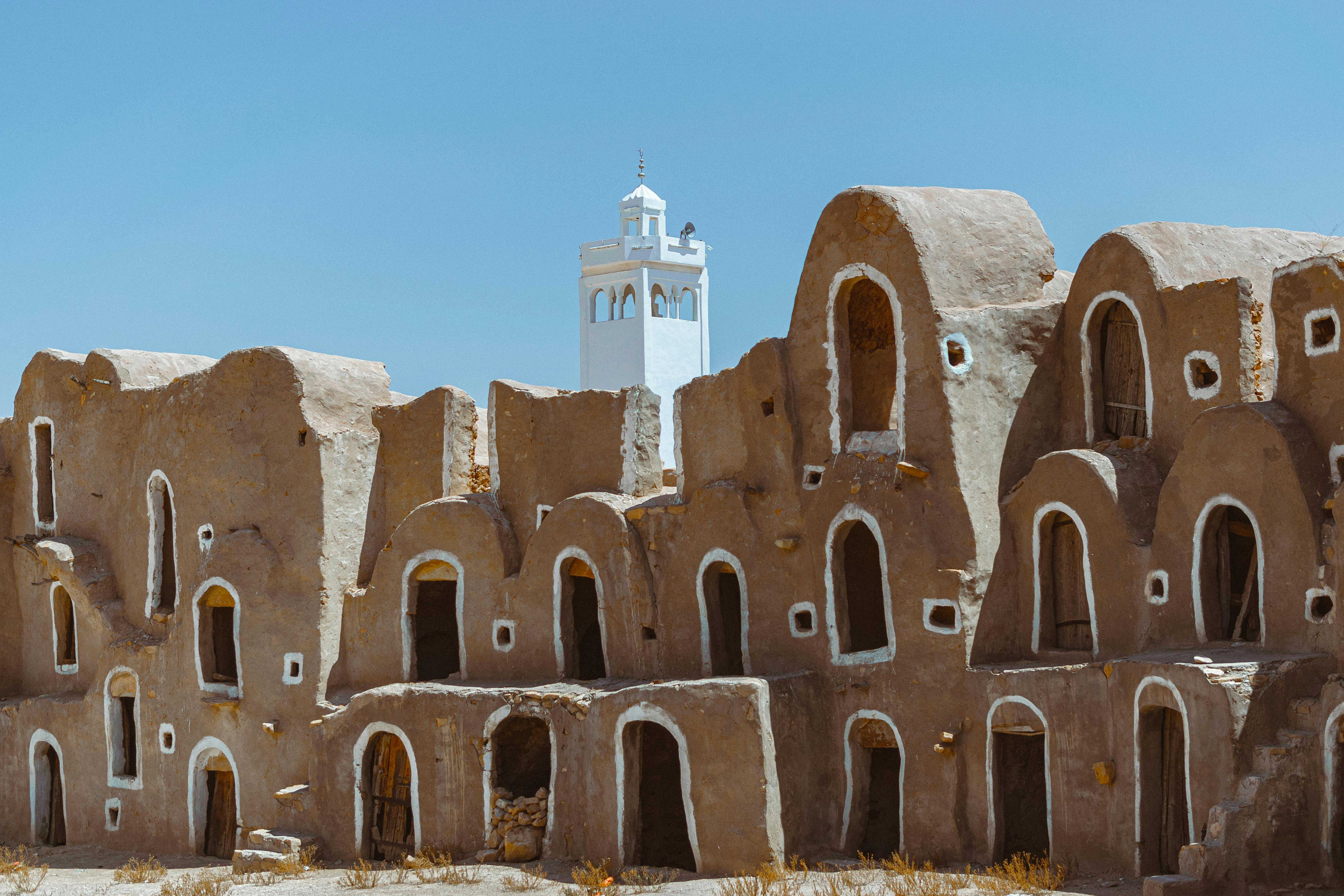
Tunisia: Where Ancient Ruins Meet Azure Waters Tunisia, a jewel nestled between the Mediterranean Sea and the Sahara Desert, offers a tapestry of experiences woven from ancient history, vibrant culture, and breathtaking …

#North Africa#Mediterranean coast#Historical sites#Desert landscape#Cultural diversity
1/11

Top hotels & flights

Hand-picked stays and the best fares into Tunisia.

Top Hotels in Tunis

Top Flights to Tunis

Popular activities

Tours, tickets and experiences travelers book most in Tunisia.

Tours

Explore the Ancient Ruins of Carthage

Discover the history of the ancient city of Carthage with its impressive ruins and artifacts.

Shopping

Medina of Tunis Shopping Experience

Explore the vibrant, bustling markets in the historic Medina of Tunis.

Outdoor

Sahara Desert Adventure

Embrace the beauty and vastness of the Sahara Desert through thrilling outdoor adventures.

Location videos

Real reels from travelers, plus longer watches to get the full picture.

From travelers
Watch & explore

Practical info

The essentials for planning your time in Tunisia.

Currency
DT | TND | Tunisian Dinar Republic of Tunisia
Population
12.4 million
Languages
Arabic, French, English
Average weather
Tunisia
Jan
rain
16°7°
Feb
rain
17°8°
Mar
cloud
19°10°
Apr
clear
22°12°
May
sun
26°16°
Jun
sun
30°20°
Jul
hot
34°23°
Aug
hot
34°24°
Sep
sun
31°21°
Oct
clear
27°18°
Nov
cloud
21°13°
Dec
rain
17°9°

Local guide

What travelers love, what to watch for, and a deeper read on Tunisia.

What people love

Traveling to Tunisia has several pros that make it a popular destination for tourists. Here are some detailed advantages of visiting Tunisia:

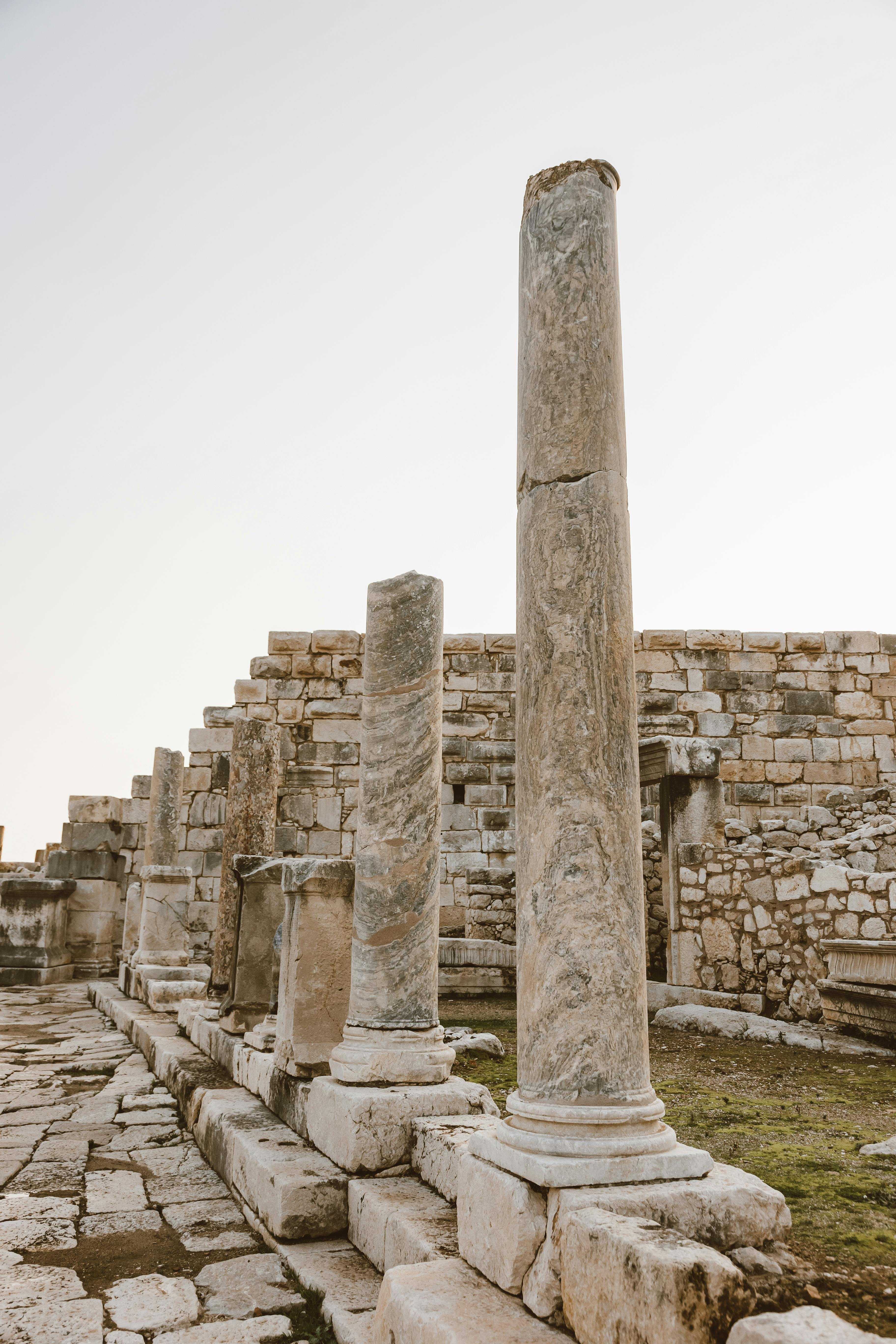
  1. Rich History and Culture: Tunisia has a diverse history and culture influenced by various civilizations such as Roman, Arab, and French. Visitors can explore ancient ruins like Carthage, the Roman amphitheater in El Djem, and the Medina of Tunis, a UNESCO World Heritage Site.

  2. Beautiful Beaches: Tunisia boasts stunning Mediterranean beaches along its coastline, such as Hammamet and Djerba. Travelers can relax on the sandy shores, enjoy water sports, or explore underwater marine life through snorkeling or diving.

  3. Desert Adventures: The Sahara Desert covers a large part of Tunisia, offering unique experiences like camel treks, desert safaris, and visits to oases and Berber villages. The mesmerizing landscapes of the desert are a must-see for nature enthusiasts.

  4. Affordable Destination: Tunisia is known for being a budget-friendly travel destination compared to other Mediterranean countries. Accommodation, transportation, and dining options are relatively inexpensive, allowing travelers to enjoy a great vacation without breaking the bank.

  5. Delicious Cuisine: Tunisian cuisine is a blend of Mediterranean, Arab, and Berber influences, featuring dishes like couscous, brik (fried pastry), and merguez sausages. Food lovers can indulge in flavorful local specialties and explore vibrant markets to taste fresh produce and spices.

  6. Friendly Locals: Tunisians are known for their warm hospitality and friendliness towards tourists. Travelers can interact with locals, learn about their traditions, and immerse themselves in the local way of life, creating memorable experiences during their trip.

Overall, Tunisia offers a unique blend of history, culture, natural beauty, and affordability, making it an attractive destination for travelers seeking a diverse and enriching vacation experience.

Enjoy your trip to Tunisia!

What to know

Traveling to Tunisia, like any other destination, has its drawbacks. Here are some potential cons of traveling to Tunisia:

  1. Security Concerns: While Tunisia is generally considered safe for tourists, there have been isolated incidents of terrorism in the past. Visitors should stay updated on the current security situation and follow any travel advisories issued by their government.

  2. Political Unrest: Tunisia has experienced political instability in recent years, which can sometimes lead to protests and demonstrations. Travelers should avoid participating in such events and stay informed about the local political situation.

  3. Language Barrier: Arabic is the official language of Tunisia, and while many locals in tourist areas speak some English, it can still be challenging to communicate in other parts of the country. Learning some basic Arabic phrases can be helpful.

  4. Cultural Differences: Tunisia is a Muslim-majority country with conservative cultural norms. Visitors should be respectful of local customs and dress modestly, especially when visiting religious sites.

  5. Scams and Touts: Like in many tourist destinations, there may be individuals looking to take advantage of unsuspecting travelers. Be cautious of scams, especially in popular tourist areas, and avoid touts offering services that seem too good to be true.

  6. Infrastructure Challenges: While Tunisia has a developing tourism industry, some areas may lack modern infrastructure and amenities that travelers are accustomed to. This can include issues with transportation, accommodations, and healthcare facilities in more remote areas.

  7. Seasonal Challenges: Tunisia can experience extreme weather conditions, with hot summers and occasional winter rainfall. Travelers should plan their trip accordingly to avoid discomfort due to weather conditions.

It's important to note that these cons should not deter you from visiting Tunisia, as it is a beautiful and culturally rich destination with much to offer. By being aware of these potential drawbacks and taking necessary precautions, you can have a safe and enjoyable trip to Tunisia.

Tunisia, located in North Africa, has a rich and diverse history that spans several millennia. Here's a detailed overview of its history, significant events, historical figures, and important landmarks:

Ancient History

  • Carthage (814-146 BC): The ancient city of Carthage, located near modern-day Tunis, was founded by Phoenician settlers from Tyre around 814 BC. Carthage became a major power in the Mediterranean, known for its maritime prowess and commerce. The city was involved in a series of conflicts known as the Punic Wars against Rome. Notable figures from this period include Hannibal Barca, the Carthaginian general famous for crossing the Alps to fight the Romans.

  • Roman Era (146 BC - 439 AD): After the Third Punic War, Carthage was destroyed in 146 BC, and Tunisia became part of the Roman Empire as the province of Africa Proconsularis. The region became a major agricultural hub, producing grain and olive oil for the empire. Significant Roman sites include the ruins of Dougga, El Jem (home to a large Roman amphitheater), and the rebuilt city of Carthage.

Medieval Period

  • Vandal and Byzantine Rule (439-698 AD): The Vandals, a Germanic tribe, captured Carthage in 439 AD and established a kingdom in North Africa. In 533 AD, the Byzantine Empire under Emperor Justinian I reconquered the region, incorporating it into the empire.

  • Islamic Conquest and Arab Rule (698-1574 AD): Arab Muslim armies conquered the region in the late 7th century, bringing Islam and integrating Tunisia into the Islamic Caliphates. The Aghlabids, Fatimids, and later the Zirids were significant dynasties during this period. The city of Kairouan, founded in 670 AD, became an important center of Islamic learning and culture.

Ottoman and Colonial Period

  • Ottoman Rule (1574-1881): The Ottoman Empire took control of Tunisia in 1574, and it became a province ruled by a Bey. The Ottomans allowed significant local autonomy, and Tunisia maintained relative stability and prosperity under their rule.

  • French Protectorate (1881-1956): In 1881, France established a protectorate over Tunisia, exerting control over its political and economic affairs. This period saw significant infrastructure development but also the growth of a nationalist movement seeking independence.

Modern History

  • Independence and the Bourguiba Era (1956-1987): Tunisia gained independence from France on March 20, 1956. Habib Bourguiba, a leading figure in the nationalist movement, became the first President of Tunisia. His policies emphasized modernization, secularization, and women's rights.

  • Ben Ali Era (1987-2011): In 1987, Zine El Abidine Ben Ali assumed the presidency in a bloodless coup. His rule was marked by economic growth but also political repression and corruption.

  • Jasmine Revolution and Democratic Transition (2011-present): In December 2010, protests erupted after the self-immolation of Mohamed Bouazizi, a street vendor in Sidi Bouzid, sparking the Jasmine Revolution. This led to Ben Ali's ousting in January 2011 and initiated a wave of uprisings across the Arab world. Tunisia transitioned to a democracy, adopting a new constitution in 2014. It remains one of the few successful outcomes of the Arab Spring, despite ongoing economic and political challenges.

Important Landmarks

  • Carthage: The archaeological site of ancient Carthage, a UNESCO World Heritage Site, includes the Antonine Baths, the Byrsa Hill, and the Punic ports.

  • El Jem Amphitheater: A well-preserved Roman amphitheater, it is one of the largest in the world and a testament to the region's Roman history.

  • Kairouan: Known for the Great Mosque of Kairouan, it is considered the fourth holiest city in Islam.

  • Sidi Bou Said: A picturesque town known for its blue and white architecture, offering stunning views of the Mediterranean Sea.

Tunisia's history is characterized by its strategic location and cultural exchanges, making it a melting pot of various civilizations and influences throughout history.