Togo
· TG

Togo

Togo

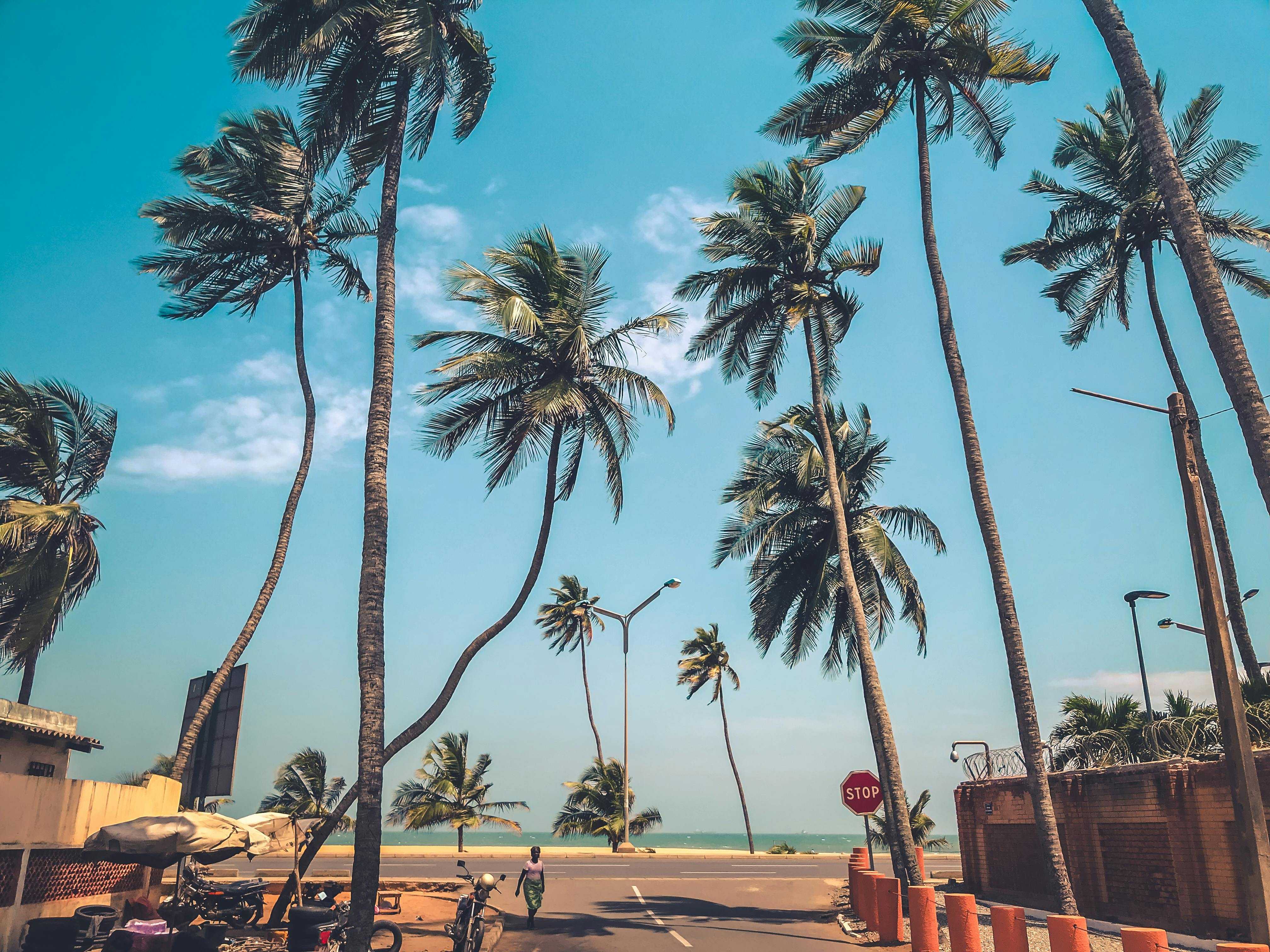
Togo: Where West African Soul Meets Untamed Beauty Nestled between Ghana and Benin on the Gulf of Guinea, Togo is a hidden gem of West Africa, waiting to be discovered. This small but mighty nation pulsates with a vibra…

#West Africa#French-speaking country#Lomé#Economic challenges#Rich culture and traditions
1/6

Top hotels & flights

Hand-picked stays and the best fares into Togo.

Top Hotels in Lome

Top Flights to Lome

Popular activities

Tours, tickets and experiences travelers book most in Togo.

Tours

Koutammakou, Land of the Batammariba

Visit the UNESCO World Heritage site, Koutammakou, known for its traditional mud tower-houses.

Togoville Cultural Tour

Discover the historical and cultural roots of Togo in the quaint town of Togoville by Lake Togo.

Shopping

Lomé Grand Market Exploration

Experience the bustling atmosphere of Lomé's largest market, filled with local crafts, textiles, and food.

Artisanal Roadside Market Tour in Kpalimé

A vibrant shopping experience featuring local artisans' crafts, paintings, and textiles in Kpalimé.

Aného Grand Marché Visit

Immerse yourself in the traditional Togolese shopping experience at Aného's central marketplace.

Outdoor

Fazao-Malfakassa National Park Adventure

A thrilling outdoor adventure in Togo's largest national park, home to diverse wildlife and beautiful landscapes.

Mount Agou Hiking

Trek to the summit of Mount Agou, Togo's highest peak, offering panoramic views of the surrounding landscape.

Location videos

Real reels from travelers, plus longer watches to get the full picture.

From travelers
Watch & explore

Practical info

The essentials for planning your time in Togo.

Currency
CFA franc | XOF | West African CFA franc
Population
As of the most recent estimates, Togo's approximate estimated total population is 8.6 million.
Languages
French, French, Ewe, Kabiye
Average weather
Togo
Jan
hot
32°23°
Feb
hot
33°24°
Mar
hot
33°25°
Apr
rain
32°25°
May
rain
31°24°
Jun
rain
30°23°
Jul
cloud
29°22°
Aug
cloud
28°21°
Sep
rain
29°22°
Oct
rain
30°23°
Nov
hot
31°23°
Dec
hot
32°23°

Local guide

What travelers love, what to watch for, and a deeper read on Togo.

What people love

Togo is a country located in West Africa with a unique culture and diverse landscapes. Some of the pros of traveling to Togo include:

  1. Rich Cultural Heritage: Togo is home to various ethnic groups with distinct traditions, music, dance, and art. Travelers can immerse themselves in the local culture by visiting traditional villages, attending cultural festivals, and exploring local markets.

  2. Beautiful Beaches: Togo has a coastline along the Gulf of Guinea with sandy beaches that are perfect for relaxation and water activities. Popular beach destinations in Togo include Lome Beach and Aneho Beach.

  3. Ecotourism Opportunities: Togo has several national parks and wildlife reserves where travelers can experience the country's biodiversity. The Fazao Malfakassa National Park and Kéran National Park are great places to see a variety of flora and fauna.

  4. Vibrant Markets: Togo is known for its bustling markets where visitors can shop for local handicrafts, textiles, and fresh produce. The Lomé Grand Market is one of the largest markets in the country and a must-visit for tourists.

  5. Friendly Locals: Togo is known for its warm and welcoming people who are eager to share their culture and traditions with visitors. Travelers can interact with locals, learn about their way of life, and make meaningful connections during their trip.

Overall, traveling to Togo offers a unique and authentic experience for those looking to explore a lesser-known destination in West Africa.

What to know

Traveling to Togo, located in West Africa, may have some potential cons that travelers should be aware of:

  1. Health and Safety Concerns: Togo, like many developing countries, may have issues with sanitation, hygiene, and access to healthcare. Travelers should take precautions to avoid waterborne diseases, malaria, and other health risks.

  2. Political Instability: Togo has experienced political unrest and demonstrations in the past, which could potentially impact travelers. It's important to stay informed about the current political situation and avoid large gatherings or protests.

  3. Petty Crime: Petty crime, such as pickpocketing and theft, can occur in Togo, especially in crowded tourist areas. Travelers should be vigilant with their belongings and avoid displaying signs of wealth.

  4. Road Safety: Togo's road infrastructure may be poor in some areas, with hazards such as potholes, lack of street lighting, and reckless driving. Travelers should exercise caution when using public transportation or driving themselves.

  5. Language Barrier: While French is the official language of Togo, not all locals may speak English. Travelers who do not speak French may face communication challenges during their stay.

  6. Limited Tourist Infrastructure: Togo may have limited tourist infrastructure compared to more popular travel destinations. This could mean fewer accommodation options, restaurants, and tour operators, which may impact the overall travel experience.

It's important for travelers to research and plan their trip to Togo carefully to mitigate these potential cons and have a safe and enjoyable experience.

Togo is a small country located in West Africa, bordered by Ghana to the west, Benin to the east, and Burkina Faso to the north. Its southern border is the Gulf of Guinea. Here is a detailed history of Togo, including significant events, historical figures, and important landmarks:

Pre-Colonial Period

  • Early Societies: The area now known as Togo was originally inhabited by various ethnic groups, including the Ewe, Mina, and Kabye people. These groups established small kingdoms and engaged in trade with neighboring regions.

European Arrival and Colonial Era

  • Portuguese Exploration: The Portuguese were among the first Europeans to explore the coast of Togo in the late 15th century. However, they did not establish any significant settlements.
  • Slave Trade: From the 16th to the 18th centuries, the region that is now Togo was part of the broader West African area involved in the trans-Atlantic slave trade.
  • German Protectorate (1884-1914): In 1884, the German explorer Gustav Nachtigal signed treaties with local chiefs, thereby establishing the region as a German protectorate known as Togoland. Under German rule, infrastructure such as railways and roads were developed.
  • World War I: During World War I, British and French forces invaded Togoland. By 1916, the territory was divided between Britain and France.

French Togoland

  • League of Nations Mandate: In 1920, the League of Nations divided Togoland into two mandates: British Togoland (which was later integrated into Ghana) and French Togoland.
  • French Administration: French Togoland was administered as a League of Nations mandate and later a United Nations Trust Territory under French control.

Path to Independence

  • Sylvanus Olympio: A key figure in Togo's independence movement was Sylvanus Olympio, who became the first President of Togo. He was instrumental in advocating for Togo's independence from France.
  • Independence (1960): On April 27, 1960, Togo gained independence from France, with Sylvanus Olympio as its first president.

Political Instability and Military Rule

  • 1963 Coup: In January 1963, Sylvanus Olympio was assassinated during a military coup led by Emmanuel Bodjollé and Etienne Eyadéma (later known as Gnassingbé Eyadéma).
  • Gnassingbé Eyadéma: Eyadéma seized power in 1967 and established a one-party state, ruling Togo for 38 years until his death in 2005. His rule was characterized by human rights abuses and economic challenges.

Contemporary Togo

  • Faure Gnassingbé: Following Eyadéma's death, his son Faure Gnassingbé became president. His presidency has been marked by calls for democratic reforms and periodic protests.
  • Recent Developments: Togo has seen political reforms, although tensions remain. Economic growth has focused on agriculture and mining.

Important Landmarks

  • Koutammakou: A UNESCO World Heritage Site, this cultural landscape is home to the Batammariba people and is known for its traditional mud tower-houses.
  • Lomé: The capital city, known for its vibrant markets, the Lomé Grand Market, and the National Museum of Togo.
  • Kpalimé: A town near the Ghanaian border, known for its natural beauty and as a center for arts and crafts.

Togo's history is marked by its colonial past and the challenges of building a stable, democratic nation. The country continues to work towards political stability and economic development.