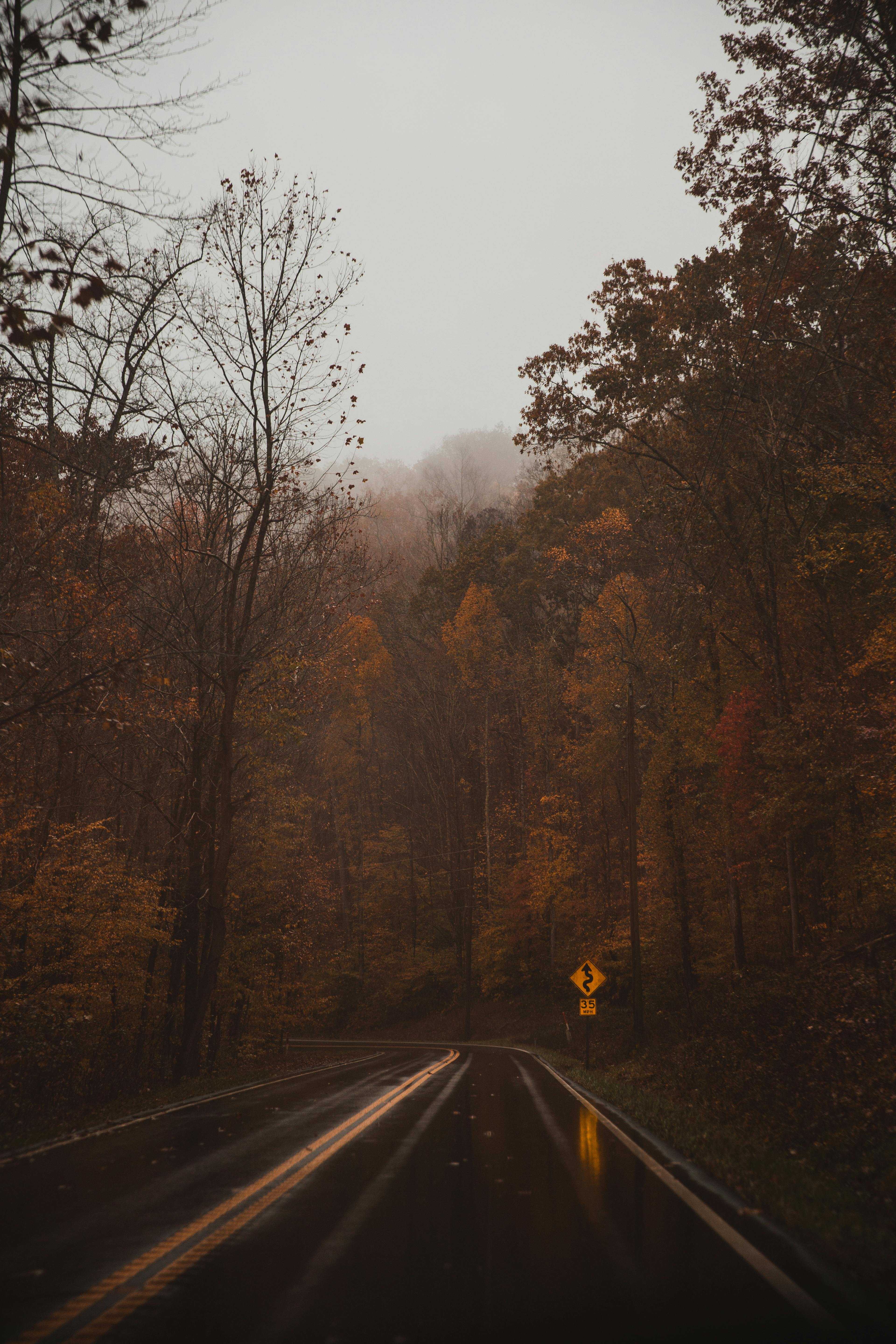



Tennessee
· US

Tennessee

Tennessee, United States

Tennessee: Where Music Meets Mountains and History Whispers in the Wind Tennessee, the heart of the American South, is a state brimming with soulful melodies, breathtaking landscapes, and a vibrant tapestry of history. W…

#Southern cuisine#Music#Country music#Great Smoky Mountains#Elvis Presley
1/8

Top hotels & flights

Hand-picked stays and the best fares into Tennessee.

Top Hotels in Tennessee

Top Flights to Tennessee

Popular activities

Tours, tickets and experiences travelers book most in Tennessee.

Tours

Visit Graceland in Memphis

Tour the legendary home of Elvis Presley, the King of Rock and Roll, and immerse yourself in music history.

Visit the Parthenon in Nashville

Explore a full-scale replica of the Parthenon in Greece, situated in Nashville's Centennial Park.

Shopping

Shopping at Opry Mills in Nashville

Enjoy a shopping spree at Tennessee's largest outlet and retail destination with dining and entertainment options.

Outdoor

Explore the Great Smoky Mountains

Discover the beauty of the most visited national park in the United States, offering breathtaking views and diverse wildlife.

Rafting on the Ocoee River

Experience the thrill of whitewater rafting on one of the top rivers in the country.

Practical info

The essentials for planning your time in Tennessee.

Currency
$ | USD | US Dollar
Population
The approximate estimated total population of Tennessee is '7.3 million'.
Languages
English, English

Local guide

What travelers love, what to watch for, and a deeper read on Tennessee.

What people love

Traveling to Tennessee, located in the United States, offers a variety of attractions and experiences that can appeal to a wide range of interests. Some of the pros of visiting Tennessee include:

  1. Music Scene: Tennessee is known as the birthplace of country music and is home to iconic music cities such as Nashville (Music City) and Memphis. Visitors can explore legendary music venues, attend live performances, and immerse themselves in the rich musical history of the state.

  2. Outdoor Activities: Tennessee boasts diverse natural landscapes, including the Great Smoky Mountains National Park, which offers opportunities for hiking, camping, and wildlife viewing. Visitors can also enjoy activities such as whitewater rafting, fishing, and horseback riding in Tennessee's scenic outdoor spaces.

  3. Historical Sites: Tennessee is steeped in history, with attractions such as the Civil War battlefields at Shiloh National Military Park and the historic sites of the Civil Rights Movement in Memphis. Visitors can explore museums, historic homes, and landmarks that offer insights into the state's past.

  4. Culinary Delights: Tennessee is known for its Southern cuisine, including mouthwatering barbecue, hot chicken, and traditional comfort foods. Visitors can sample local dishes at restaurants, food festivals, and farmers' markets throughout the state.

  5. Friendly Locals: Tennessee is known for its hospitality and friendly locals who are often eager to share their love for their state with visitors. Travelers can expect warm welcomes and genuine interactions as they explore the diverse communities of Tennessee.

Overall, traveling to Tennessee offers a blend of music, outdoor adventures, history, culinary experiences, and Southern charm that can make for a memorable and enjoyable trip.

Enjoy your trip to Tennessee!

What to know

Some potential cons of traveling to Tennessee could include:

  1. Weather: Tennessee can experience extreme weather conditions, including storms, tornadoes, and high humidity during the summer months. It's important to be prepared for unpredictable weather patterns.

  2. Traffic: Major cities in Tennessee, such as Nashville and Memphis, can have heavy traffic congestion, especially during rush hours. This could impact travel times and cause delays.

  3. Tourist crowds: Popular tourist destinations in Tennessee, like the Great Smoky Mountains National Park and Graceland, can get very crowded, especially during peak travel seasons. This may lead to longer wait times and difficulty finding accommodations.

  4. Limited public transportation: Tennessee is a state that relies heavily on cars for transportation, so public transportation options may be limited in certain areas. Renting a car may be necessary to get around efficiently.

  5. Health concerns: Like many other states, Tennessee has its share of health concerns, including issues related to air quality, water quality, and tick-borne diseases. Travelers should take precautions to protect themselves.

  6. Limited nightlife options: While cities like Nashville and Memphis are known for their vibrant music scene, other parts of Tennessee may have limited nightlife options compared to larger urban areas.

  7. Cultural differences: Travelers from different cultural backgrounds may encounter some cultural differences in Tennessee, such as regional accents, dialects, and customs. It's important to be respectful and open-minded when interacting with locals.

Overall, Tennessee is a beautiful state with a lot to offer visitors, but it's always good to be aware of potential challenges before traveling there.

Tennessee, located in the southeastern region of the United States, has a rich history that spans pre-European settlement to the present day. Here's a detailed historical overview:

Early History and Native American Presence

  • Pre-European Contact: Before European settlers arrived, the area now known as Tennessee was inhabited by various Native American tribes, including the Cherokee, Chickasaw, and Shawnee. These tribes had complex societies with rich cultures and were integral to the region's development.

European Exploration and Settlement

  • 16th Century: The first European explorer to visit the area was likely Hernando de Soto in the 1540s. French and Spanish explorers also laid claim to parts of the region during the 17th century.
  • 18th Century: By the mid-1700s, long hunters and traders, including figures like Daniel Boone, explored the Tennessee region, paving the way for permanent European settlements.

State Formation and Early Statehood

  • 1796: Tennessee was admitted to the Union as the 16th state on June 1. It was the first state created from territory under the jurisdiction of the federal government.

19th Century Developments

  • Early 1800s: Notable figures from Tennessee during this period include President Andrew Jackson, who became a national hero after the Battle of New Orleans during the War of 1812.
  • 1830s: The Indian Removal Act led to the forced relocation of Native Americans, including the Cherokee, along the Trail of Tears. This tragic event passed through parts of Tennessee.
  • Civil War Era (1861-1865): Tennessee was the last state to join the Confederacy and the first to be readmitted to the Union. The state was deeply divided, with significant battles such as the Battle of Shiloh and the Battle of Stones River occurring on its soil.

Post-Civil War and 20th Century

  • Reconstruction and Beyond: Tennessee underwent significant changes during Reconstruction, with efforts to rebuild the economy and integrate freed slaves into society.
  • 1920: Tennessee played a critical role in the women's suffrage movement, becoming the "Perfect 36" as the state that provided the final ratification needed for the 19th Amendment, granting women the right to vote.
  • Great Depression and World War II: Tennessee, like much of the country, was affected by the Great Depression. During World War II, the state became an industrial hub, notably with the development of the Oak Ridge National Laboratory as part of the Manhattan Project.

Modern Era

  • Civil Rights Movement: Tennessee was a significant player in the Civil Rights Movement. The sit-ins in Nashville and the assassination of Dr. Martin Luther King Jr. in Memphis in 1968 are notable events.
  • Cultural Development: Tennessee is famous for its contributions to music, particularly in Nashville, known as "Music City," and Memphis, home of the blues. The Grand Ole Opry and Beale Street are iconic landmarks in this regard.

Important Landmarks

  • Great Smoky Mountains National Park: Straddling the border between North Carolina and Tennessee, it is the most visited national park in the United States.
  • Graceland: Elvis Presley's home in Memphis is a major tourist attraction.
  • Andrew Jackson's Hermitage: The former home of President Andrew Jackson in Nashville.

Notable Historical Figures

  • Andrew Jackson: 7th President of the United States, military leader.
  • James K. Polk: 11th President of the United States, known for territorial expansion.
  • Davy Crockett: Frontiersman, soldier, and politician, famous for his role in the Texas Revolution.

Tennessee's history is a tapestry of cultural, social, and political evolution, marked by its role in the formation and development of the United States. The state's landmarks and historical sites continue to attract visitors, and its contributions to American music and culture are celebrated worldwide.