

Tanzania
· TZ

Tanzania

Tanzania

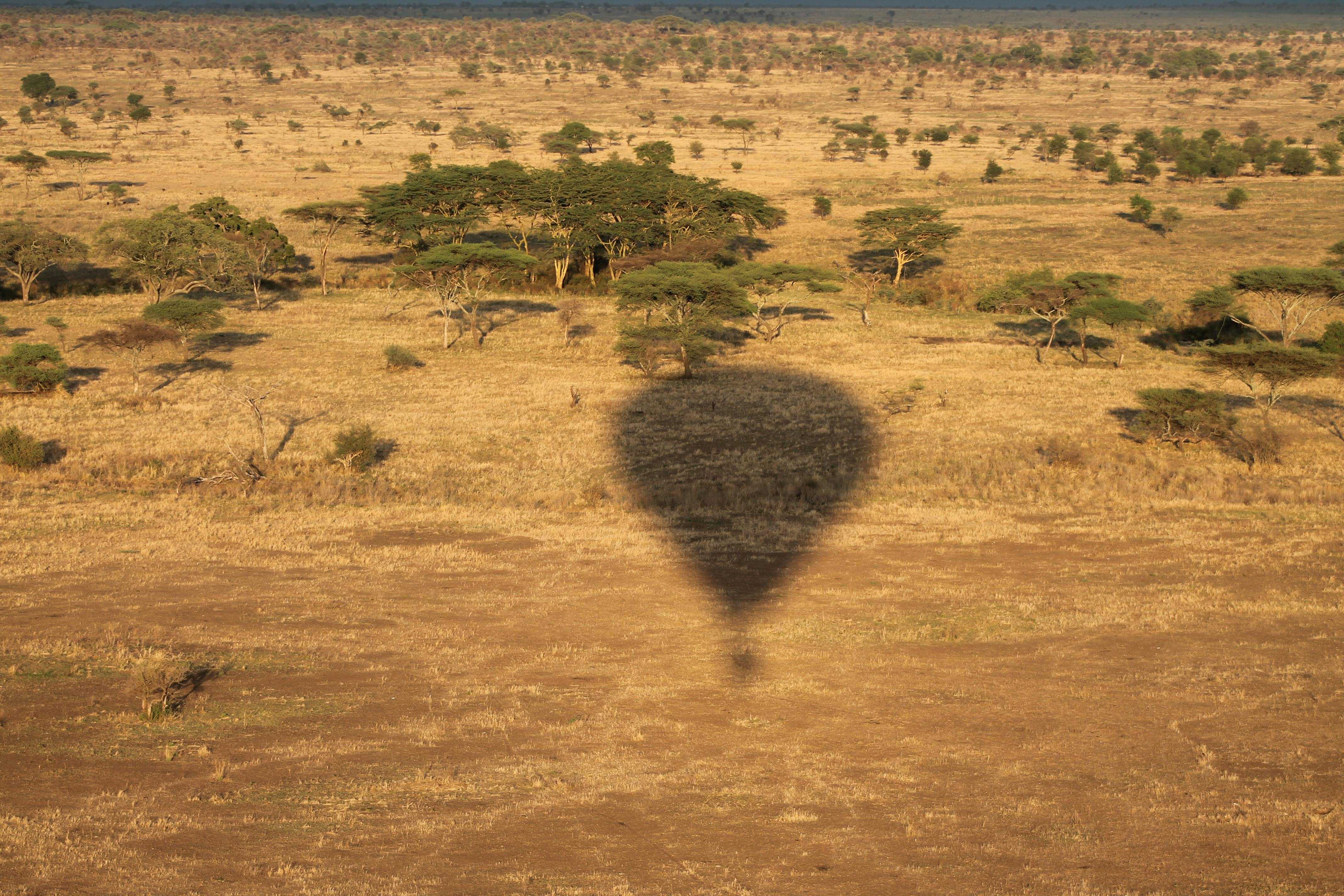
Tanzania, a captivating East African nation, is renowned for its breathtaking landscapes, abundant wildlife, and vibrant culture. Home to the iconic Mount Kilimanjaro, Africa\'s highest peak, Tanzania offers thrilling sa…

#East Africa#Safari destination#Mount Kilimanjaro#Indian Ocean coast#Cultural diversity
1/5

Top hotels & flights

Hand-picked stays and the best fares into Tanzania.

Top Hotels in Zanzibar

Top Flights to Zanzibar

Popular activities

Tours, tickets and experiences travelers book most in Tanzania.

Tours

Stone Town Tour

Experience the cultural heart of Zanzibar with its narrow alleys and historical buildings.

Ngorongoro Crater Visit

Visit the world's largest inactive volcanic caldera.

Arusha Cultural Heritage Centre Visit

Discover Tanzanian art and culture at this cultural centre.

Shopping

Dar es Salaam Shopping Experience

Explore the vibrant markets and modern malls of Dar es Salaam.

Outdoor

Mikumi National Park Safari

Discover the wildlife of Mikumi National Park near Morogoro.

Mount Kilimanjaro Trek

Trek to the summit of Africa's highest peak, Mount Kilimanjaro.

Zanzibar Beach Relaxation

Enjoy the pristine beaches and warm waters of Zanzibar.

Lake Victoria Exploration

Explore Africa's largest lake by area, shared by three countries.

Ruaha National Park Adventure

Embark on an adventure in one of Africa's largest national parks.

Location videos

Real reels from travelers, plus longer watches to get the full picture.

From travelers
Watch & explore

Practical info

The essentials for planning your time in Tanzania.

Currency
TSh | Tanzanian shilling | Tanzanian shilling
Population
approximately 58.3 million
Languages
Swahili, English
Average weather
Tanzania
Jan
rain
31°23°
Feb
rain
31°23°
Mar
rain
30°23°
Apr
rain
28°22°
May
cloud
27°21°
Jun
cloud
26°19°
Jul
clear
26°18°
Aug
clear
27°18°
Sep
clear
28°19°
Oct
sun
29°20°
Nov
rain
30°22°
Dec
rain
31°23°

Local guide

What travelers love, what to watch for, and a deeper read on Tanzania.

What people love

Traveling to Tanzania offers a unique opportunity to experience diverse landscapes, rich wildlife, and vibrant cultures. Here are some detailed pros of traveling to Tanzania:

  1. Safari Adventures: Tanzania is home to world-renowned national parks such as Serengeti, Ngorongoro Crater, and Tarangire, offering incredible opportunities to witness the Big Five (lion, elephant, buffalo, leopard, rhino) and other wildlife in their natural habitats.

  2. Mount Kilimanjaro: As the highest peak in Africa, climbing Mount Kilimanjaro is a bucket-list adventure for many travelers. The trek through different ecological zones provides breathtaking views and a sense of accomplishment upon reaching the summit.

  3. Zanzibar: This picturesque island off the coast of Tanzania boasts pristine beaches, crystal-clear waters, and a rich history influenced by Arab, Indian, and European cultures. Visitors can enjoy water activities, explore historic Stone Town, and indulge in delicious seafood.

  4. Cultural Diversity: Tanzania is home to over 120 ethnic groups, each with its own traditions, languages, and customs. Travelers have the opportunity to interact with local communities, learn about traditional ways of life, and participate in cultural events and ceremonies.

  5. Friendly Locals: Tanzanians are known for their warm hospitality and welcoming nature. Interacting with locals provides a chance to learn about their way of life, gain insights into their perspectives, and forge meaningful connections.

  6. Affordability: Compared to other safari destinations, Tanzania offers relatively affordable options for accommodation, food, and transport, making it an attractive choice for budget-conscious travelers.

  7. Conservation Efforts: Tanzania has a strong commitment to wildlife conservation, with initiatives aimed at protecting endangered species, preserving natural habitats, and promoting sustainable tourism practices.

Overall, traveling to Tanzania offers a blend of adventure, culture, and natural beauty that appeals to a wide range of travelers seeking an unforgettable African experience.

What to know

Some potential cons of traveling to Tanzania include:

  1. Health and Safety Concerns: Tanzania faces various health risks such as malaria, yellow fever, and other tropical diseases. Travelers should take necessary precautions such as vaccinations and medication before visiting.

  2. Political Unrest: Tanzania has experienced sporadic political unrest and demonstrations in the past. Travelers should stay informed about the current political situation and avoid any potentially risky areas.

  3. Crime: Like any other destination, Tanzania has its share of crime, including petty theft and scams targeting tourists. Travelers should remain vigilant and take precautions to ensure their safety and belongings.

  4. Infrastructure and Services: Some areas of Tanzania may lack reliable infrastructure and services, including transportation, healthcare, and communication. Travelers should be prepared for potential delays or inconveniences.

  5. Wildlife Encounters: While Tanzania is known for its incredible wildlife and safaris, encounters with wild animals can be dangerous if not approached with caution. It is essential to follow the guidance of experienced guides and adhere to safety protocols.

  6. Cultural Sensitivities: Tanzania is a diverse country with various cultures and traditions. Travelers should respect local customs, traditions, and dress codes to avoid unintentionally causing offense.

It's important to conduct thorough research and consider these factors before traveling to Tanzania to ensure a safe and enjoyable experience.

Tanzania, officially known as the United Republic of Tanzania, is a country located in East Africa. It was formed as a union between Tanganyika and Zanzibar in 1964, making it one of the youngest countries in Africa. Here is a brief history of Tanzania, including significant events, historical figures, and important landmarks:

Significant Events:

  1. Colonial Era: Tanzania was colonized by various European powers, including Germany and Britain. German East Africa (Tanganyika) was established in the late 19th century, while Zanzibar was under British influence.
  2. World War I: During World War I, Tanganyika was a battleground between German and British forces. After the war, Tanganyika became a British mandate under the League of Nations.
  3. Independence: Tanganyika gained independence from Britain in 1961, with Julius Nyerere becoming the country's first Prime Minister. Zanzibar also gained independence from British rule in 1963.
  4. Union of Tanganyika and Zanzibar: In 1964, Tanganyika and Zanzibar merged to form the United Republic of Tanzania under the leadership of Julius Nyerere.
  5. Arusha Declaration: In 1967, Nyerere introduced the Arusha Declaration, outlining socialist policies and the concept of Ujamaa (familyhood) as the basis for Tanzania's development.
  6. Liberation Movements: Tanzania supported various liberation movements in Southern Africa, including the African National Congress (ANC) in South Africa and the Zimbabwe African National Union (ZANU) in Zimbabwe.
  7. Multi-Party Democracy: Tanzania transitioned to a multi-party democracy in the 1990s, ending decades of one-party rule under the Chama Cha Mapinduzi (CCM) party.
  8. Economic Reforms: Tanzania has implemented economic reforms to promote growth and development, including privatization and liberalization policies.

Historical Figures:

  1. Julius Nyerere: Known as the "Father of the Nation," Nyerere was Tanzania's first President and a key figure in the country's independence and socialist development policies.
  2. Abeid Karume: A leader in Zanzibar's struggle for independence, Karume played a significant role in the union between Tanganyika and Zanzibar.
  3. Salim Ahmed Salim: A prominent Tanzanian diplomat and politician, Salim served as the Secretary-General of the Organization of African Unity (OAU) and the African Union (AU).

Important Landmarks:

  1. Mount Kilimanjaro: Africa's highest peak, located in northern Tanzania, is a popular destination for climbers and tourists.
  2. Serengeti National Park: Known for its wildlife and the annual wildebeest migration, the Serengeti is a UNESCO World Heritage Site.
  3. Zanzibar Stone Town: The historic center of Zanzibar City, with its ancient architecture and cultural heritage, is a UNESCO World Heritage Site.

Information not available.