
Sonora
· MX

Sonora

Sonora, Mexico

Sonora: Where the Desert Meets the Sea in a Blaze of Adventure Escape to Sonora, Mexico, a land where rugged desert landscapes meet the sparkling Sea of Cortez, creating a captivating tapestry of adventure, history, and …

#Mexico#Sonora#Northwestern Mexico#Desert climate#Copper mining region
1/7

Top hotels & flights

Hand-picked stays and the best fares into Sonora.

Top Hotels in Sonora

Top Flights to Sonora

Popular activities

Tours, tickets and experiences travelers book most in Sonora.

Tours

Visit Hermosillo Cathedral

A beautiful cathedral in Hermosillo, showcasing stunning architecture and history.

Shopping

Shopping in Plaza Sendero

A modern shopping mall offering a variety of stores, dining options, and entertainment.

Outdoor

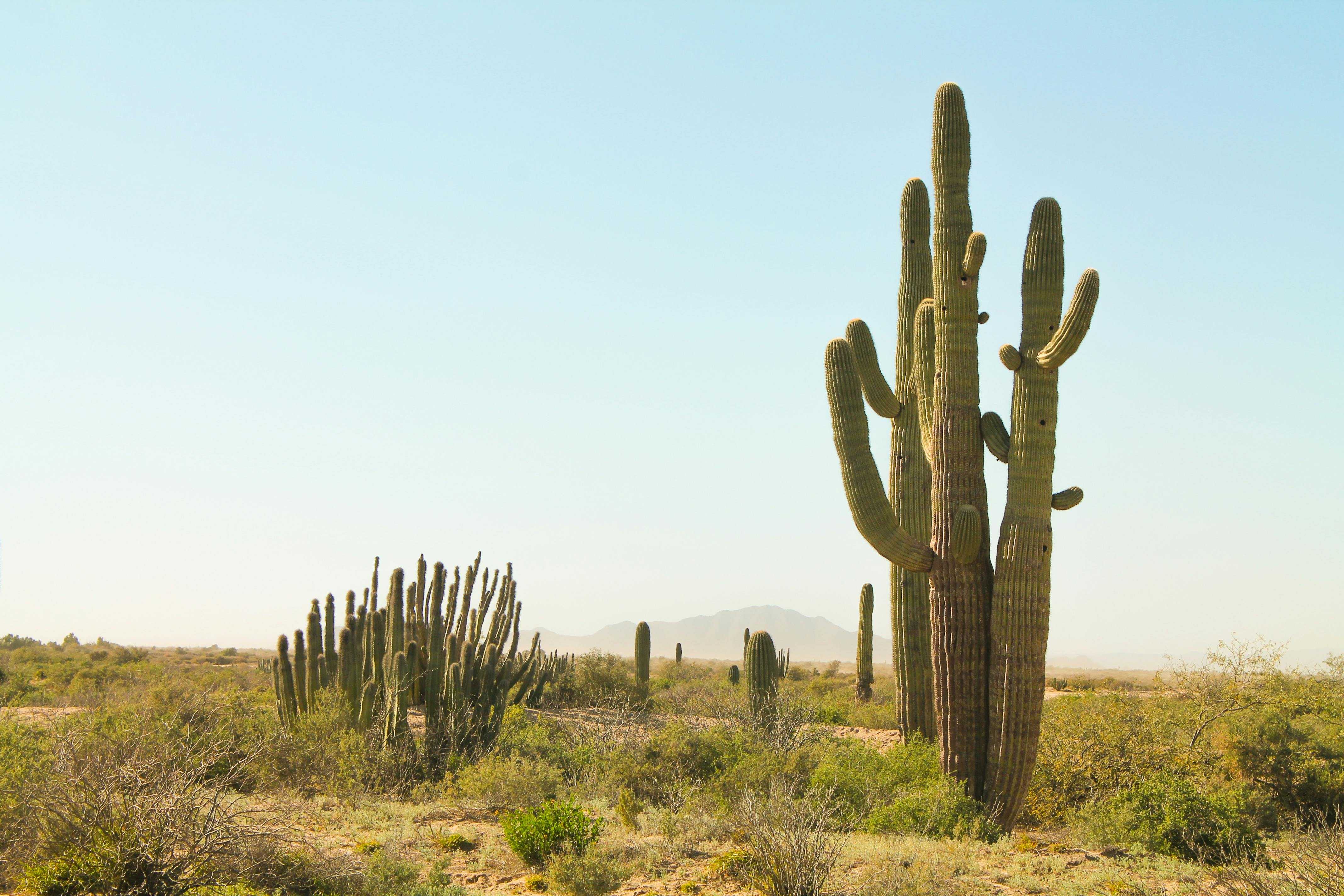
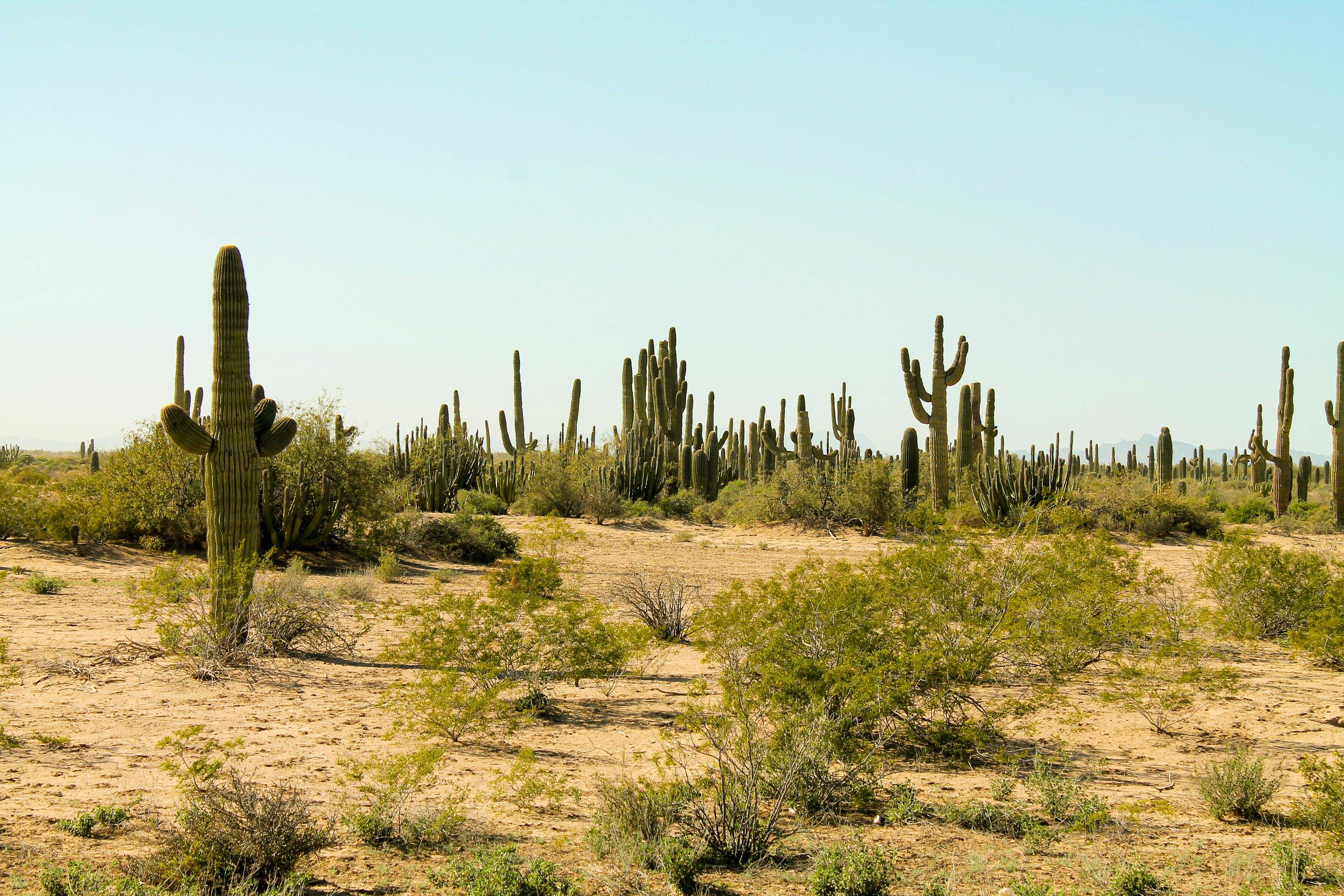
Explore the Sonoran Desert

Discover the unique flora and fauna of the Sonoran Desert with guided tours and trails.

Location videos

Real reels from travelers, plus longer watches to get the full picture.

From travelers
Watch & explore

Practical info

The essentials for planning your time in Sonora.

Currency
$ | MXN | Mexican Peso
Population
As of the most recent estimates, the approximate total population of Sonora, Mexico is 3.1 million.
Languages
Spanish, Yaqui, Mayo, Seri

Local guide

What travelers love, what to watch for, and a deeper read on Sonora.

What people love

Sonora, Mexico offers a unique and diverse travel experience with several advantages for visitors. Here are some pros of traveling to Sonora:

  1. Natural Beauty: Sonora is known for its stunning landscapes, including the Sierra Madre mountains, desert regions, and beautiful beaches along the Sea of Cortez. Outdoor enthusiasts can enjoy activities like hiking, birdwatching, and water sports.

  2. Rich Culture: Sonora has a rich cultural heritage, with a blend of indigenous traditions and Spanish influences. Visitors can explore historic sites, museums, and local artisan markets to learn more about the region's history and traditions.

  3. Culinary Delights: Sonora is famous for its delicious regional cuisine, including dishes like carne asada, machaca, and flour tortillas. Foodies will enjoy trying authentic Sonoran dishes and experiencing the local flavors.

  4. Adventure Opportunities: Sonora offers a range of adventurous activities for thrill-seekers, such as off-roading in the desert, zip-lining through canyons, and exploring cave systems. The diverse terrain of Sonora provides ample opportunities for outdoor adventures.

  5. Friendly Locals: Visitors to Sonora often praise the warmth and hospitality of the local people. Travelers can expect to be welcomed with open arms and experience the genuine friendliness of Sonoran residents.

  6. Unique Festivals and Events: Sonora hosts a variety of festivals and events throughout the year, celebrating traditions, music, and local culture. Attending these events can provide insight into the vibrant spirit of the region.

Overall, traveling to Sonora, Mexico can offer a memorable and enriching experience for those looking to explore a diverse and culturally rich destination.

What to know

Some potential cons of traveling to Sonora, Mexico, include:

  1. Safety Concerns: Sonora has experienced incidents of violence related to drug trafficking and organized crime. Travelers should exercise caution, especially in border areas and remote regions.

  2. Extreme Weather: Sonora has a desert climate with very hot temperatures during the summer months. Travelers need to be prepared for the intense heat and take precautions to avoid heat-related illnesses.

  3. Limited Infrastructure: Some parts of Sonora may have limited infrastructure and services, especially in rural areas. Travelers may encounter challenges with transportation, communication, and access to amenities.

  4. Language Barrier: While many people in tourist areas speak English, travelers may encounter difficulties communicating in Spanish in more remote regions of Sonora.

  5. Health Risks: Travelers to Sonora should be aware of potential health risks such as food and waterborne illnesses, mosquito-borne diseases like Zika, and altitude sickness in mountainous areas.

It's important to research and stay informed about the specific region of Sonora you plan to visit and take necessary precautions to ensure a safe and enjoyable trip.

Sonora is a state located in the northwest region of Mexico, bordered by the U.S. state of Arizona to the north, the Gulf of California to the west, and the Mexican states of Chihuahua, Sinaloa, and Baja California. The state's capital is Hermosillo, and its largest city is also Hermosillo.

Pre-Colonial and Early Colonial History:

  • Indigenous Peoples: Before the arrival of Europeans, the region was inhabited by various indigenous groups, including the Yaqui, Mayo, Seri, Opata, and Pima tribes. These groups had rich cultures and traditions, with economies based on agriculture, hunting, and gathering.
  • Spanish Exploration and Colonization: The first Europeans to explore Sonora were Spanish explorers in the mid-16th century. Francisco Vásquez de Coronado's expedition passed through the area in 1540. However, significant settlement did not begin until the Jesuit missionaries arrived in the late 17th century.

17th to 19th Century:

  • Jesuit Missions: The Jesuits established missions throughout Sonora to convert the indigenous peoples to Christianity and integrate them into the colonial economy. This led to the establishment of several towns and the spread of European influence.
  • Yaqui Uprisings: The Jesuit presence and Spanish colonization efforts often led to conflicts with indigenous groups, particularly the Yaqui, who resisted Spanish control. The Yaqui Wars spanned several centuries, with intermittent periods of peace and conflict.
  • Mexican Independence: Sonora became part of the newly independent nation of Mexico in 1821. Like many regions of Mexico, Sonora experienced political instability throughout the 19th century.

Late 19th to Early 20th Century:

  • Porfiriato and Industrialization: During the rule of Porfirio Díaz (1876-1911), Sonora underwent significant economic changes, with the development of mining and agriculture, driven by foreign investment. The city of Cananea became notable for its copper mines.
  • Cananea Strike of 1906: This labor strike by Mexican workers at the Cananea Consolidated Copper Company was a significant precursor to the Mexican Revolution. The strike highlighted the poor working conditions and unequal treatment of Mexican workers compared to American laborers.
  • Mexican Revolution: Sonora played a crucial role in the Mexican Revolution (1910-1920). Several prominent revolutionary leaders hailed from Sonora, including Álvaro Obregón and Plutarco Elías Calles, who later became presidents of Mexico.

Mid to Late 20th Century:

  • Modernization and Growth: Post-revolution, Sonora continued to develop its agricultural sector, particularly with the introduction of irrigation projects. The state's economy diversified, with growth in manufacturing and tourism, especially in coastal areas like Puerto Peñasco.
  • Urban Development: Cities such as Hermosillo and Ciudad Obregón grew rapidly, becoming important economic and cultural centers in the region.

Significant Figures:

  • Álvaro Obregón: A key figure in the Mexican Revolution, Obregón later became President of Mexico (1920-1924). He was instrumental in the post-revolutionary reconstruction of the country.
  • Plutarco Elías Calles: Another Sonoran revolutionary leader who served as President of Mexico (1924-1928) and played a significant role in the establishment of the Partido Nacional Revolucionario, the precursor to the Institutional Revolutionary Party (PRI).

Important Landmarks:

  • Misión de Nuestra Señora de la Purísima Concepción de Caborca: A historic Jesuit mission located in the town of Caborca, reflecting the region's colonial past.
  • San Carlos: A popular tourist destination known for its beautiful beaches and marine life on the Gulf of California.
  • Sierra del Pinacate: A UNESCO World Heritage site known for its unique volcanic and desert landscapes, part of the Gran Desierto de Altar Biosphere Reserve.

Sonora's rich history is a tapestry of indigenous heritage, colonial legacy, revolutionary fervor, and modern economic development, making it an integral part of Mexico's national story.