
Slovenia
· SI

Slovenia

Slovenia

Slovenia: Where the Alps meet the Adriatic, and fairytales come to life. Tucked between Italy, Austria, Hungary, and Croatia, Slovenia is a hidden gem waiting to be discovered. This small but mighty country boasts a stun…

#Europe#Central Europe#Mountainous#Tourism#Adriatic Sea
1/10

Top hotels & flights

Hand-picked stays and the best fares into Slovenia.

Top Hotels in Ljubljana

Top Flights to Ljubljana

Popular activities

Tours, tickets and experiences travelers book most in Slovenia.

Tours

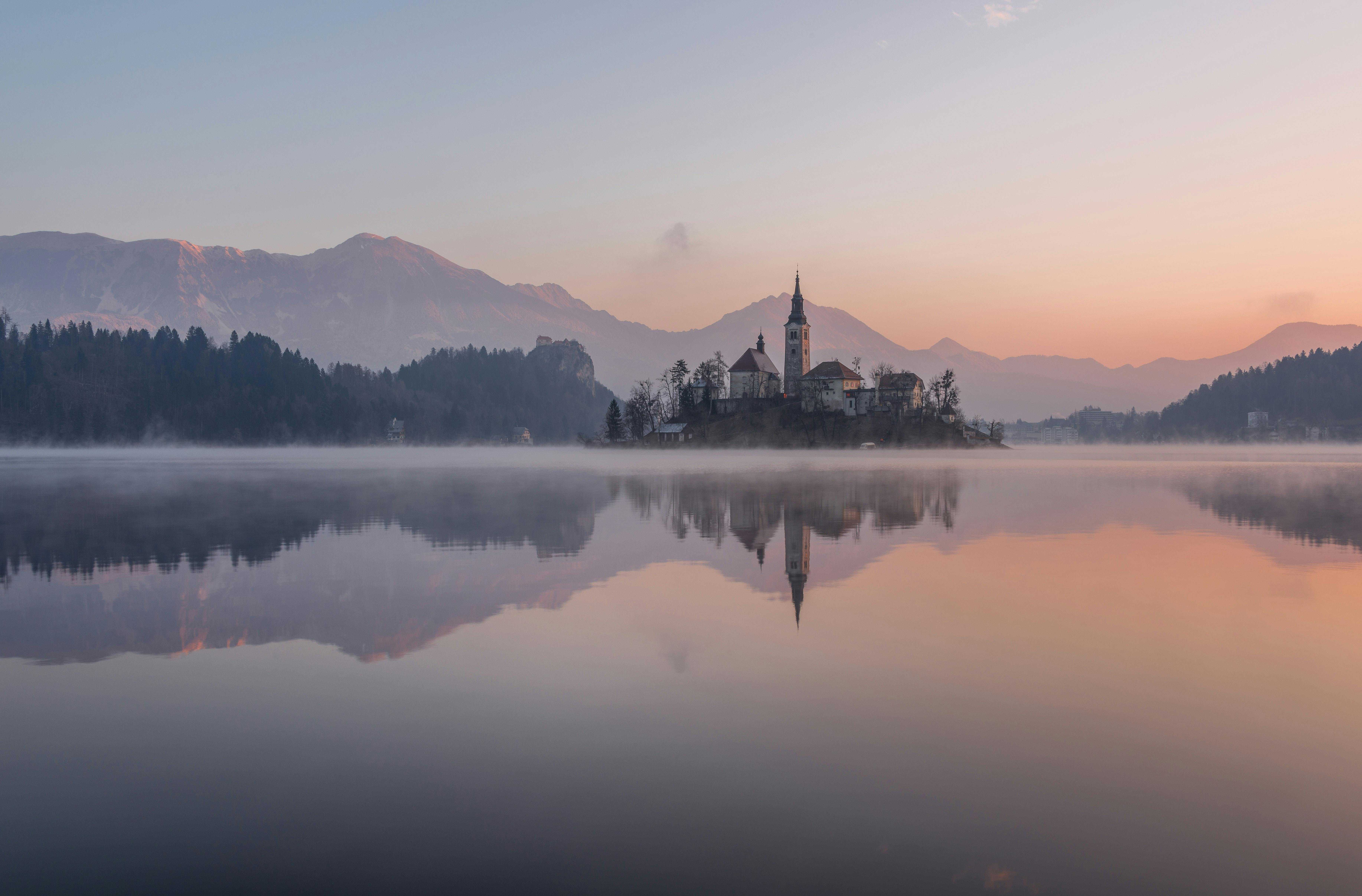
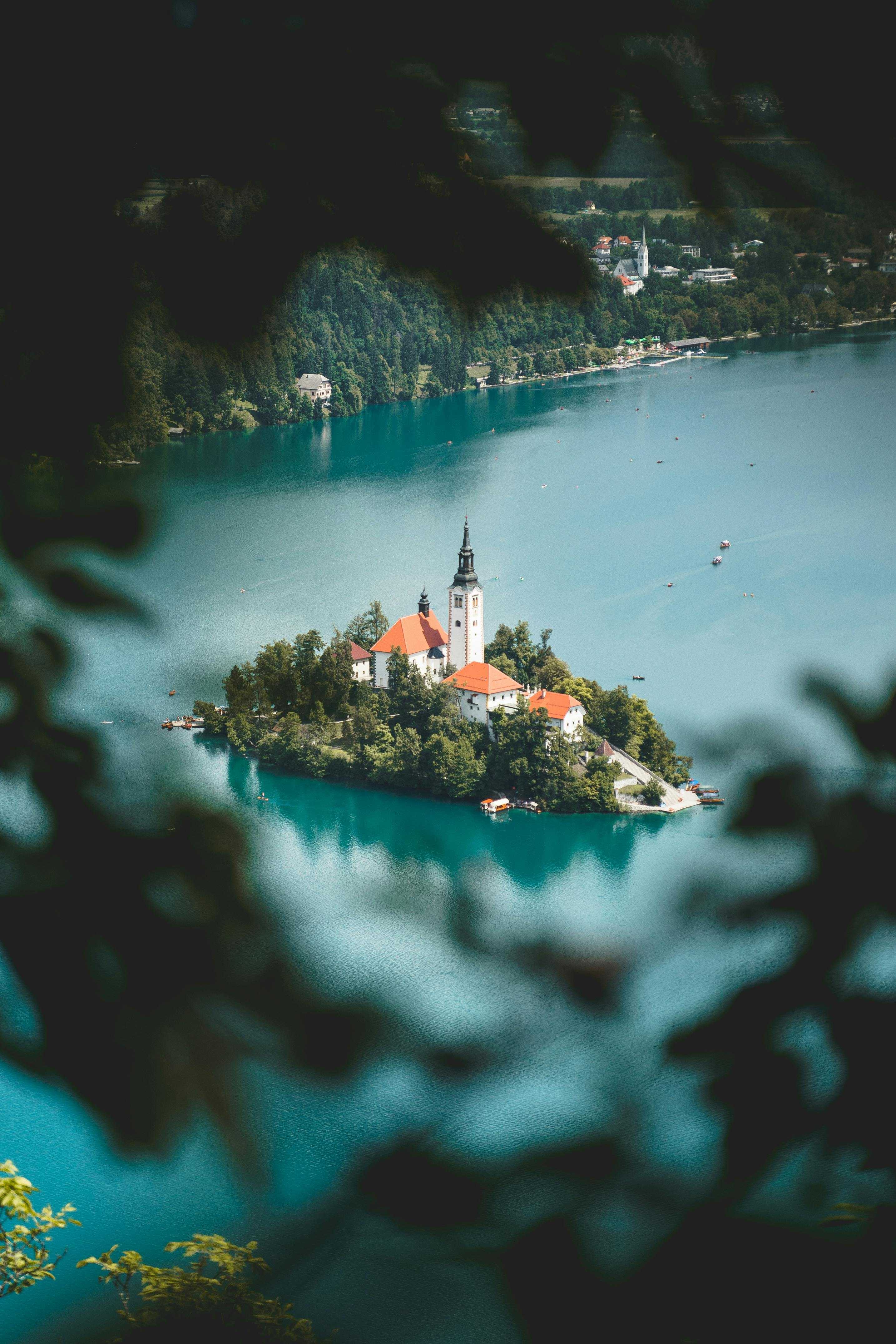
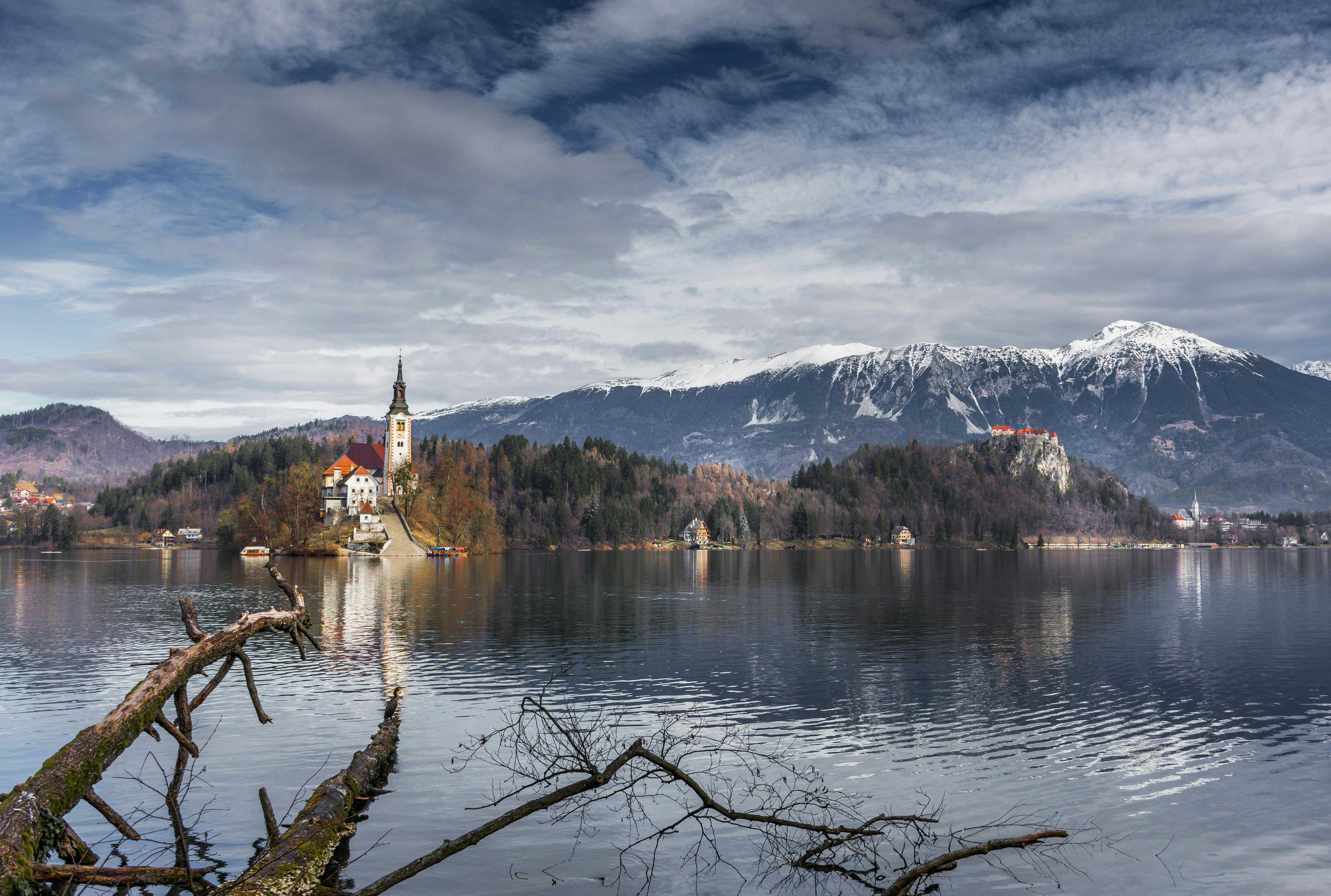
Explore Lake Bled

Visit the picturesque Lake Bled surrounded by lush forests and enjoy a boat ride to Bled Island.

Ljubljana Old Town Tour

Explore the historical center of Slovenia's capital with a guided walking tour.

Visit Postojna Cave

Discover the fascinating underground world of Postojna Cave with guided tours available.

Shopping

Shopping in Ljubljana

Experience a variety of shopping options in the capital city, from luxury brands to local crafts.

Outdoor

Hiking in Triglav National Park

Enjoy hiking trails through the Julian Alps within Slovenia's only national park.

Piran Coastal Walk

Stroll along the Slovenian coast in the charming town of Piran.

Maribor Wine Tour

Discover the rich wine culture in Maribor with tastings in local vineyards.

Visit Lake Bohinj

Relax by the stunning glacial Lake Bohinj in the Julian Alps, perfect for swimming and kayaking.

Karst Region Wine and Culinary Tour

Explore the Karst region's unique wines and gastronomy with guided tours.

Vintgar Gorge Walk

Take a scenic walk through the Vintgar Gorge and enjoy views of waterfalls and pools.

Location videos

Real reels from travelers, plus longer watches to get the full picture.

From travelers
Watch & explore

Practical info

The essentials for planning your time in Slovenia.

Currency
€ | EUR | Euro Republic of Slovenia
Population
The approximate estimated total population of Slovenia is 2.1 million.
Languages
Slovenian, Italian, Hungarian
Average weather
Slovenia
Jan
snow
3°-3°
Feb
cloud
6°-2°
Mar
rain
11°1°
Apr
rain
15°5°
May
cloud
20°10°
Jun
sun
24°14°
Jul
hot
27°16°
Aug
hot
27°16°
Sep
sun
22°12°
Oct
cloud
16°7°
Nov
rain
9°3°
Dec
snow
4°-1°

Local guide

What travelers love, what to watch for, and a deeper read on Slovenia.

What people love

Slovenia is a beautiful and diverse country located in Central Europe, known for its stunning natural landscapes, charming cities, rich history, and warm hospitality. Here are some pros of traveling to Slovenia:

  1. Breathtaking natural beauty: Slovenia is home to numerous natural wonders, including the picturesque Lake Bled, the stunning Julian Alps, the vibrant green forests of Triglav National Park, and the crystal-clear waters of the Soca River. Outdoor enthusiasts will appreciate the opportunities for hiking, biking, skiing, and other outdoor activities in Slovenia's diverse landscape.

  2. Charming cities and towns: Slovenia's capital city, Ljubljana, is a vibrant and charming city with a lively cultural scene, historic architecture, and a relaxed atmosphere. Other must-visit destinations include the medieval coastal town of Piran, the historic town of Ptuj, and the picturesque village of Škofja Loka.

  3. Rich history and culture: Slovenia has a rich history that is reflected in its medieval castles, charming villages, and ancient ruins. Visitors can explore historic sites such as Predjama Castle, Škocjan Caves, and the UNESCO-listed Škocjan Caves. The country also has a strong cultural heritage, with traditional festivals, music, and cuisine that showcase Slovenia's unique identity.

  4. Safe and friendly destination: Slovenia is known for being a safe and welcoming destination for travelers. The locals are friendly and hospitable, and the country has a low crime rate, making it a great place to explore without feeling unsafe.

  5. Easy to travel around: Slovenia is a relatively small country, which makes it easy to travel around and explore its various regions. The country has a well-developed transportation network, including trains, buses, and highways, making it convenient to visit different parts of Slovenia.

Overall, Slovenia offers a unique blend of natural beauty, cultural heritage, and warm hospitality, making it a fantastic destination for travelers looking to experience the best of Europe in a more off-the-beaten-path setting.

Enjoy your trip to Slovenia!

What to know

Slovenia is a beautiful country with many attractions and advantages for travelers, but like any destination, there are also some potential drawbacks to be aware of. Here are some cons of traveling to Slovenia:

  1. Limited public transportation: While Slovenia has a fairly efficient and reliable public transportation system in major cities like Ljubljana, it can be more limited in rural areas and smaller towns. Renting a car may be necessary to explore certain regions of the country.

  2. Language barrier: Slovenian is the official language of Slovenia, and while many people speak English, especially in tourist areas, you may encounter some language barriers when traveling off the beaten path or interacting with locals who are less fluent in English.

  3. Crowds in tourist hotspots: Popular tourist attractions like Lake Bled and the Postojna Cave can get very crowded, especially during the peak tourist season. To avoid the crowds, consider visiting these places early in the morning or during the off-peak season.

  4. High prices in tourist areas: Like many tourist destinations, prices for accommodation, dining, and activities can be higher in popular tourist areas compared to more off-the-beaten-path locations. It's a good idea to budget accordingly and look for deals or less expensive options.

  5. Weather variability: Slovenia has a continental climate with four distinct seasons, which can lead to unpredictable weather patterns. Be prepared for sudden changes in weather, especially if you plan to visit mountainous regions or engage in outdoor activities.

Overall, while these cons are worth considering, they should not deter you from visiting Slovenia, as the country's natural beauty, rich culture, and warm hospitality make it a wonderful destination for travelers.

Slovenia, officially the Republic of Slovenia, is a country located in Central Europe. It is known for its mountains, ski resorts, and lakes. Here is a detailed history and description of Slovenia:

Early History

  • Prehistoric Period: Evidence of human settlement in Slovenia dates back to the Paleolithic era, with significant archaeological findings like the Divje Babe Flute, believed to be the oldest known musical instrument.
  • Roman Era: The region became part of the Roman Empire in the 1st century BC. Important Roman towns included Emona (modern-day Ljubljana), Celeia (Celje), and Poetovio (Ptuj).

Middle Ages

  • Slavic Settlement: In the 6th century, Slavic tribes settled in the area, becoming part of the cultural and ethnic foundation of present-day Slovenes.
  • Carantania: In the 7th century, the independent principality of Carantania was established, which is noted for early forms of democracy and governance.
  • Frankish Rule: In the 8th century, Carantania came under the influence of the Frankish Empire and later the Holy Roman Empire, leading to Christianization.

Habsburg Rule

  • Integration into Habsburg Lands: By the 14th century, most of the Slovenian lands were under the control of the Habsburgs.
  • Cultural Development: The Habsburg rule brought about significant cultural and economic development, including the spread of the Renaissance and Baroque art and architecture.

19th and Early 20th Century

  • National Awakening: The 19th century saw a rise in Slovene national consciousness, influenced by the broader European romantic nationalism.
  • World War I: After the collapse of the Austro-Hungarian Empire in World War I, Slovenia became part of the newly formed Kingdom of Serbs, Croats, and Slovenes, later known as Yugoslavia.

World War II

  • Occupation and Resistance: During World War II, Slovenia was divided between Germany, Italy, and Hungary. A strong resistance movement emerged, leading to significant post-war changes.

Post-war Yugoslavia

  • Socialist Republic: After World War II, Slovenia became a republic within the Socialist Federal Republic of Yugoslavia.
  • Economic Development: Slovenia was one of the most economically advanced republics in Yugoslavia, with a strong industrial base.

Independence and Modern Era

  • Independence: Slovenia declared independence from Yugoslavia on June 25, 1991, following a brief ten-day war.
  • European Union: Slovenia joined the European Union in 2004 and adopted the euro in 2007.
  • NATO Membership: Slovenia became a member of NATO in 2004.

Significant Historical Figures

  • Primož Trubar: A Protestant reformer credited with writing the first books in the Slovene language in the 16th century.
  • Jože Plečnik: A prominent architect known for his work in Ljubljana and other European cities.
  • France Prešeren: A 19th-century poet whose work had a significant impact on Slovene literature and national identity.

Important Landmarks

  • Ljubljana Castle: A medieval castle overlooking the capital city, offering insights into Slovenia’s history.
  • Lake Bled: A picturesque lake with an island and a medieval castle, a major tourist attraction.
  • Postojna Cave: One of the largest cave systems in Europe, known for its stunning formations.
  • Triglav National Park: Named after Mount Triglav, the highest peak in Slovenia and a national symbol.

Slovenia's history is marked by its strategic location at the crossroads of European cultures and its resilience as a nation. The country today is known for its natural beauty, cultural heritage, and vibrant economy.