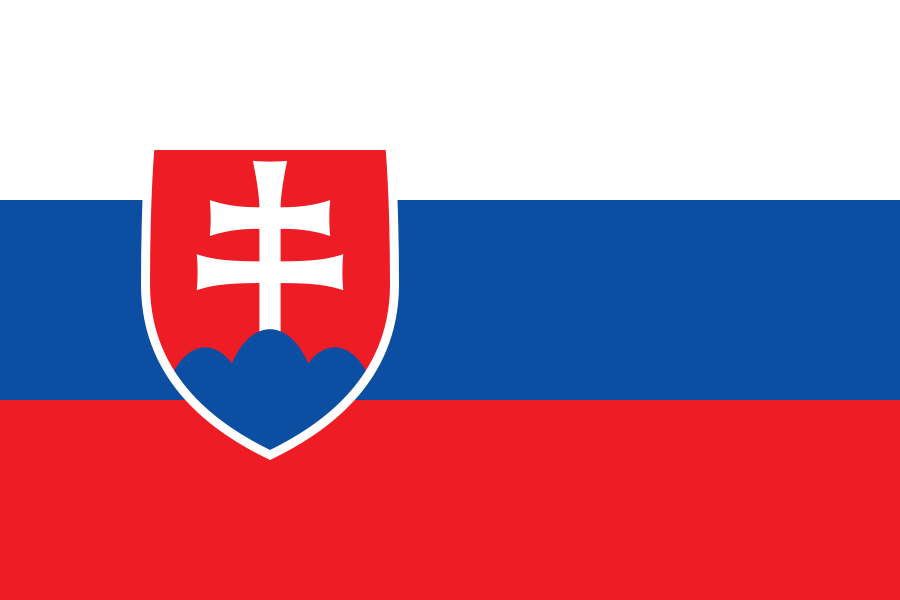
Slovakia
· SK

Slovakia

Slovakia

Discover the Undiscovered: Slovakia, a Hidden Gem in the Heart of Europe Nestled in the heart of Europe, Slovakia (officially the Slovak Republic) is a land of dramatic contrasts and captivating beauty. Often overlooked,…

#Eastern Europe#Landlocked country#Capital: Bratislava#Tatra Mountains#Danube River
1/21

Top hotels & flights

Hand-picked stays and the best fares into Slovakia.

Top Hotels in Bratislava

Top Flights to Bratislava

Popular activities

Tours, tickets and experiences travelers book most in Slovakia.

Tours

Bratislava Castle Tour

Explore the historic Bratislava Castle, offering stunning views of the city and Danube River.

Banská Štiavnica Historical Walk

Walk through the enchanting medieval town of Banská Štiavnica, filled with history and charm.

Shopping

Košice Shopping District

Explore an array of shops in Košice, including local boutiques and international stores.

Outdoor

High Tatras Hiking Adventure

Experience the beauty of the High Tatras with trails for all levels of hikers.

Danube River Cycling

Cycle along the scenic Danube River, enjoying beautiful landscapes and fresh air.

Slovak Paradise National Park Canyoning

Discover stunning gorges and waterfalls in Slovak Paradise, perfect for canyoning enthusiasts.

Location videos

Real reels from travelers, plus longer watches to get the full picture.

From travelers
Watch & explore

Practical info

The essentials for planning your time in Slovakia.

Currency
€ | EUR | Euro Slovak Republic
Population
5.5 million
Languages
Slovak, Hungarian, Romani
Average weather
Slovakia
Jan
snow
1°-5°
Feb
snow
3°-4°
Mar
cloud
8°0°
Apr
rain
14°4°
May
rain
20°9°
Jun
sun
24°13°
Jul
hot
27°15°
Aug
hot
26°14°
Sep
sun
21°11°
Oct
cloud
15°6°
Nov
rain
8°1°
Dec
snow
3°-3°

Local guide

What travelers love, what to watch for, and a deeper read on Slovakia.

What people love

Slovakia is a beautiful country located in Central Europe with a lot to offer for travelers. Here are some pros of traveling to Slovakia:

  1. Scenic Beauty: Slovakia is known for its stunning natural landscapes, including the High Tatra Mountains, lush forests, sparkling lakes, and picturesque villages. Outdoor enthusiasts will enjoy activities such as hiking, skiing, and camping in the country's many national parks.

  2. Rich History and Culture: Slovakia has a rich history dating back to medieval times, with many historic castles, churches, and towns to explore. The capital city of Bratislava is a charming mix of old-world charm and modern amenities, with a vibrant arts and music scene.

  3. Affordable Travel Destination: Compared to other European countries, Slovakia offers good value for money for travelers. Accommodation, food, and transportation are generally more affordable, making it an attractive destination for budget-conscious travelers.

  4. Warm Hospitality: Slovak people are known for their warm hospitality and friendliness towards visitors. You can expect to receive a warm welcome and genuine hospitality during your stay in Slovakia.

  5. Delicious Cuisine: Slovak cuisine is hearty and delicious, with influences from Hungarian, Austrian, and Czech culinary traditions. Don't miss trying traditional dishes such as bryndzové halušky (potato dumplings with sheep cheese) and goulash.

Overall, Slovakia is a hidden gem in Europe with its natural beauty, cultural heritage, affordability, and welcoming atmosphere making it a great destination for travelers seeking an authentic and off-the-beaten-path experience.

Enjoy your trip to Slovakia!

What to know

Traveling to Slovakia has many advantages, but there are also some cons to consider. Here are some of the potential drawbacks of traveling to Slovakia:

  1. Language Barrier: While many people in Slovakia speak English, particularly in tourist areas, the official language is Slovak. If you venture off the beaten path, you may encounter difficulties communicating with locals.

  2. Limited Public Transportation: While major cities like Bratislava have a decent public transportation system, smaller towns and rural areas may have limited options for getting around. Renting a car may be necessary in some cases.

  3. Weather Extremes: Slovakia has a continental climate with hot summers and cold winters. Weather conditions can be unpredictable, so be prepared for sudden changes and pack accordingly.

  4. Tourist Crowds: Popular tourist destinations in Slovakia, such as Bratislava Castle and the High Tatras mountains, can get crowded during peak travel seasons. To avoid the crowds, consider visiting during the off-peak times.

  5. Limited English Signage: While signage in tourist areas is often in English, you may encounter signs and information in Slovak in more remote areas. This can make navigation challenging for non-Slovak speakers.

  6. Limited Vegetarian and Vegan Options: Traditional Slovak cuisine is meat-heavy, so vegetarians and vegans may find limited options in restaurants. However, modern and international cuisine is becoming more popular in larger cities.

  7. Safety Concerns: While Slovakia is generally a safe country for travelers, it is always important to be cautious and aware of your surroundings, especially in tourist areas where pickpocketing can occur.

Overall, while Slovakia offers a unique and beautiful travel experience, it's important to be aware of these potential cons to better prepare for your trip.

Slovakia, officially known as the Slovak Republic, is a landlocked country located in Central Europe. Its capital and largest city is Bratislava. Slovakia has a rich history that dates back to ancient times. Here is a detailed history of Slovakia:

  1. Early History:
  • The territory of present-day Slovakia has been inhabited since the Neolithic era.
  • The region was part of the Celtic Kingdom and later came under Roman influence.
  • In the 5th and 6th centuries, Slavic tribes migrated into the area and formed the foundations of the Slovak nation.
  1. Medieval Period:
  • In the 9th century, the Principality of Nitra was established, which later became part of the Great Moravian Empire.
  • The Great Moravian Empire played a crucial role in the Christianization of the region.
  • Following the fall of the Great Moravian Empire, the territory of Slovakia came under Hungarian rule in the 11th century.
  1. Hungarian Rule:
  • Slovakia remained part of the Kingdom of Hungary for nearly 1,000 years.
  • The Hungarian Kingdom played a significant role in shaping the culture and identity of the Slovak people.
  • During this period, Slovakia experienced periods of prosperity as well as conflicts with neighboring powers.
  1. Austro-Hungarian Empire:
  • In the 19th century, Slovakia was part of the Austro-Hungarian Empire.
  • The region underwent industrialization and economic development during this period.
  • Slovak nationalism and desire for self-determination grew in the late 19th and early 20th centuries.
  1. Czechoslovakia and Independence:
  • After World War I, Slovakia, along with the Czech lands, formed the new state of Czechoslovakia in 1918.
  • Slovakia enjoyed a period of autonomy within Czechoslovakia but also faced political and economic challenges.
  • In 1939, Slovakia declared independence under pressure from Nazi Germany and became a client state known as the Slovak Republic.
  1. World War II and Communist Era:
  • During World War II, Slovakia was a puppet state of Nazi Germany, and many atrocities were committed against the Jewish population.
  • After the war, Slovakia became part of the Communist bloc and was under Soviet influence.
  • The country experienced political repression and economic hardships under Communist rule.
  1. Velvet Revolution and Independence:
  • In 1989, the Velvet Revolution led to the fall of communism in Czechoslovakia.
  • In 1993, Czechoslovakia peacefully split into two separate countries, the Czech Republic and Slovakia, through the "Velvet Divorce."
  • Slovakia gained full independence and became a member of the European Union and NATO in the early 2000s.

Significant Events, Historical Figures, and Landmarks:

  • Significant events in Slovak history include the Slovak National Uprising against Nazi occupation during World War II, which became a symbol of resistance.
  • Historical figures such as Alexander Dubček, a Slovak politician who led the Prague Spring reform movement in Czechoslovakia in 1968, are revered in Slovak history.
  • Important landmarks in Slovakia include Spiš Castle, a UNESCO World Heritage Site, the High Tatras mountain range, and Bratislava Castle, overlooking the capital city.

This overview provides a glimpse into the complex and varied history of Slovakia, from its origins to its modern-day status as an independent European nation.