

Sichuan
· CN

Sichuan

Sichuan, China

Sichuan, located in Southwest China, is renowned for its stunning natural beauty, spicy cuisine, and ancient history. Home to the iconic giant pandas, Sichuan offers a diverse range of experiences. Explore the bustling c…

#Spicy cuisine#Panda conservation#Lush mountains#Sichuan opera#Tea culture
1/15

Top hotels & flights

Hand-picked stays and the best fares into Sichuan.

Top Hotels in Sichuan

Top Flights to Sichuan

Popular activities

Tours, tickets and experiences travelers book most in Sichuan.

Tours

Explore Jiuzhaigou National Park

Discover the stunning beauty of Jiuzhaigou National Park, known for its colorful lakes, snow-capped peaks, and Tibetan culture.

Chengdu Panda Breeding Center

Visit the Chengdu Research Base of Giant Panda Breeding to see pandas in their natural habitat.

Shopping

Shop at Chunxi Road

Experience the bustling shopping street of Chunxi Road in the heart of Chengdu.

Outdoor

Trek Mount Emei

Experience a spiritual journey with a trekking adventure on Mount Emei, a UNESCO World Heritage Site.

Location videos

Real reels from travelers, plus longer watches to get the full picture.

From travelers
Watch & explore

Practical info

The essentials for planning your time in Sichuan.

Currency
¥ | CNY | Chinese Yuan
Population
83.7 million
Languages
Mandarin, Mandarin, Sichuanese

Local guide

What travelers love, what to watch for, and a deeper read on Sichuan.

What people love

Sichuan, located in southwest China, is a beautiful and diverse region that offers a wide range of attractions and experiences for travelers. Some of the pros of traveling to Sichuan include:

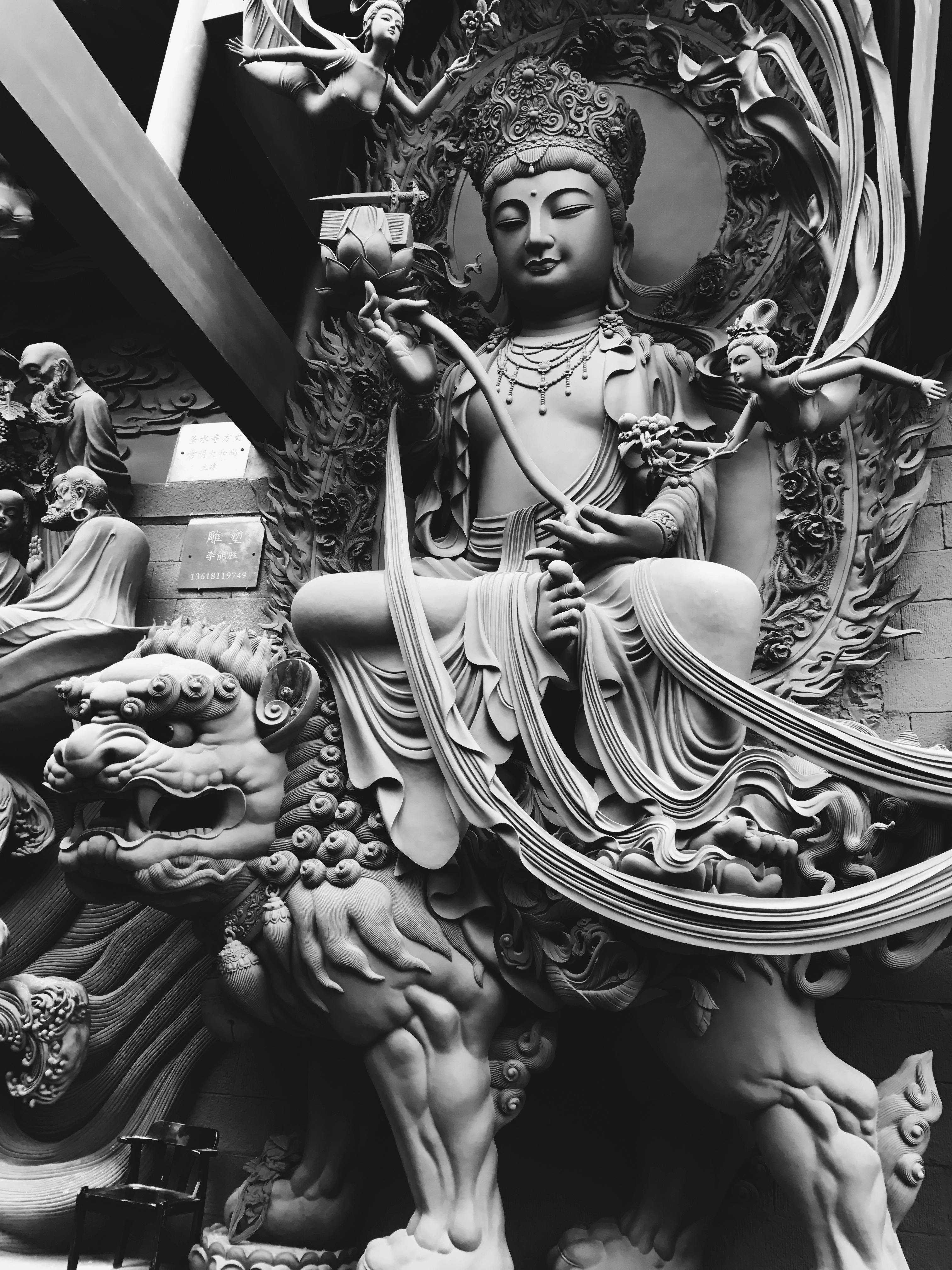
  1. Rich Cultural Heritage: Sichuan is known for its rich cultural heritage, with a history dating back thousands of years. Visitors can explore ancient temples, traditional teahouses, and historic towns that offer a glimpse into the region's fascinating past.

  2. Stunning Natural Beauty: Sichuan is home to breathtaking natural landscapes, including the famous Jiuzhaigou National Park, known for its crystal-clear lakes, waterfalls, and colorful forests. The region also boasts majestic mountains, such as Mount Emei and Mount Siguniang, which offer fantastic hiking and trekking opportunities.

  3. Delicious Cuisine: Sichuan cuisine is renowned for its bold flavors and spicy dishes, such as the famous Sichuan hotpot and mapo tofu. Food lovers will enjoy sampling the local delicacies and exploring the vibrant food markets and restaurants in the region.

  4. Giant Panda Conservation: Sichuan is one of the best places in the world to see giant pandas up close. Visitors can visit the famous Chengdu Research Base of Giant Panda Breeding to learn about panda conservation efforts and observe these adorable creatures in their natural habitat.

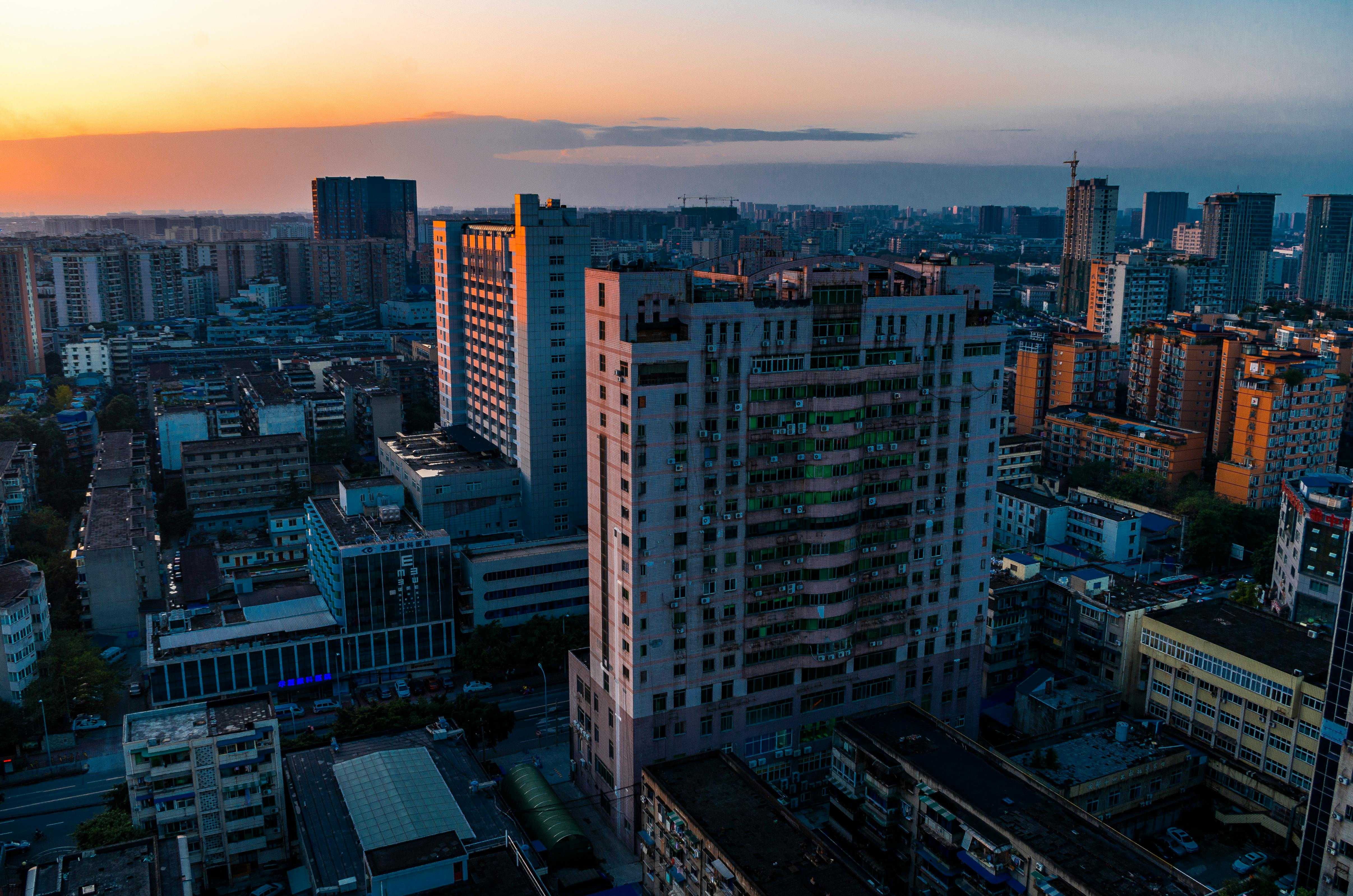
  5. Vibrant Cities: Sichuan is home to vibrant cities like Chengdu, the provincial capital, known for its laid-back atmosphere, bustling markets, and lively nightlife. Visitors can explore the city's ancient temples, modern shopping districts, and traditional tea houses.

Overall, traveling to Sichuan offers a unique blend of cultural experiences, natural beauty, delicious cuisine, and wildlife encounters that make it a must-visit destination for any traveler.

Enjoy your trip to Sichuan!

What to know

Some potential cons of traveling to Sichuan, China could include:

  1. Language barrier: English may not be widely spoken in Sichuan, especially in rural areas. This could make communication with locals and navigating the area more challenging.

  2. Pollution: Like many regions in China, Sichuan can experience high levels of air pollution, particularly in cities like Chengdu. This could potentially impact your health and overall experience while traveling.

  3. Altitude sickness: Some parts of Sichuan, such as areas in the Tibetan plateau, are located at high altitudes. Travelers may experience symptoms of altitude sickness, such as headaches, dizziness, and nausea.

  4. Crowds and traffic: Popular tourist destinations in Sichuan, such as Jiuzhaigou National Park and Emei Mountain, can get very crowded, especially during peak tourist seasons. This could lead to long lines, difficulty finding accommodations, and traffic congestion.

  5. Food safety: While Sichuan cuisine is famous for its bold flavors and spices, travelers should be cautious about food safety and hygiene standards, especially when dining at street food stalls or local restaurants.

It's important to note that these potential cons can vary depending on individual preferences and circumstances. It's always a good idea to research and plan ahead before traveling to any destination to ensure a smooth and enjoyable experience.

Sichuan, a province located in southwestern China, has a rich and diverse history that spans thousands of years. It is known for its fertile lands, cultural heritage, and significant contributions to Chinese history. Below is a detailed history of Sichuan, covering significant events, historical figures, and important landmarks.

Early History and Ancient Times

  • Prehistoric Era: Archaeological findings indicate that Sichuan was inhabited by humans as early as the late Paleolithic period. The Sanxingdui and Jinsha sites have revealed an ancient civilization with unique bronze artifacts, suggesting a highly developed culture around 1200 BC.

  • Shu and Ba Kingdoms: During the Warring States period (475–221 BC), Sichuan was home to the independent states of Shu and Ba. These states were eventually conquered by the state of Qin, which began the process of integrating Sichuan into the broader Chinese empire.

Imperial China

  • Qin Dynasty: Under the Qin Dynasty (221–206 BC), the Dujiangyan Irrigation System was constructed, which is still in use today. This ancient feat of engineering transformed Sichuan into a major agricultural region.

  • Han Dynasty: During the Han Dynasty (206 BC–220 AD), Sichuan became an important part of the Silk Road, facilitating trade between China and the West.

  • Three Kingdoms Period: Sichuan was the heartland of the Shu Han kingdom, one of the three competing states during the Three Kingdoms period (220–280 AD). Liu Bei, a prominent historical figure, established Chengdu as his capital.

  • Tang and Song Dynasties: Sichuan prospered during the Tang (618–907) and Song (960–1279) Dynasties. It became a center for commerce and culture. The development of tea culture and the invention of printing technology were significant contributions from this era.

Modern History

  • Ming and Qing Dynasties: During the Ming (1368–1644) and Qing (1644–1912) Dynasties, Sichuan continued to be an important agricultural and cultural region. It suffered from the devastation of the Manchu conquest in the 17th century but recovered and became a vital part of the Qing Empire.

  • 20th Century: Sichuan was a stronghold for the Kuomintang during the Chinese Civil War. After the establishment of the People's Republic of China in 1949, Sichuan became a major industrial region.

  • Sichuan Earthquake: On May 12, 2008, a massive earthquake struck Sichuan, causing widespread destruction and loss of life. The region has since been undergoing rebuilding and recovery efforts.

Significant Historical Figures

  • Liu Bei: A warlord who founded the Shu Han kingdom during the Three Kingdoms period.
  • Zhuge Liang: A chancellor and regent of the Shu Han kingdom, renowned for his wisdom and strategic acumen.

Important Landmarks

  • Dujiangyan Irrigation System: A UNESCO World Heritage Site and an ancient irrigation system still in use today.
  • Leshan Giant Buddha: A massive stone statue carved into a cliff face during the Tang Dynasty.
  • Mount Emei: One of the Four Sacred Buddhist Mountains of China, famous for its beautiful scenery and historic monasteries.
  • Sanxingdui Museum: Houses artifacts from the ancient Shu civilization, showcasing unique bronze works.

Sichuan's history is characterized by its strategic importance, cultural richness, and resilience in the face of natural disasters. It remains one of China's most culturally vibrant and economically significant provinces.