

Shanxi
· CN

Shanxi

Shanxi, China

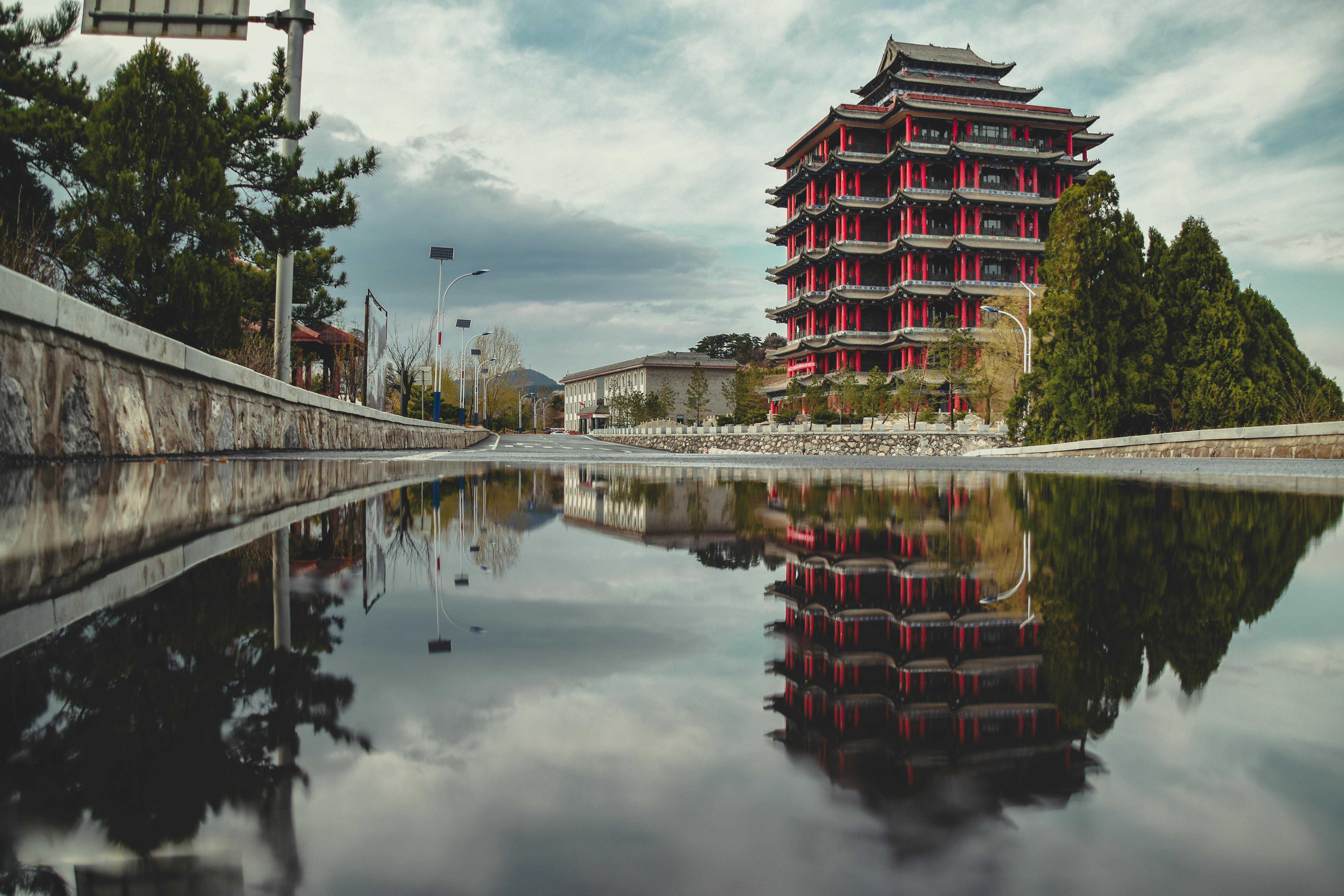
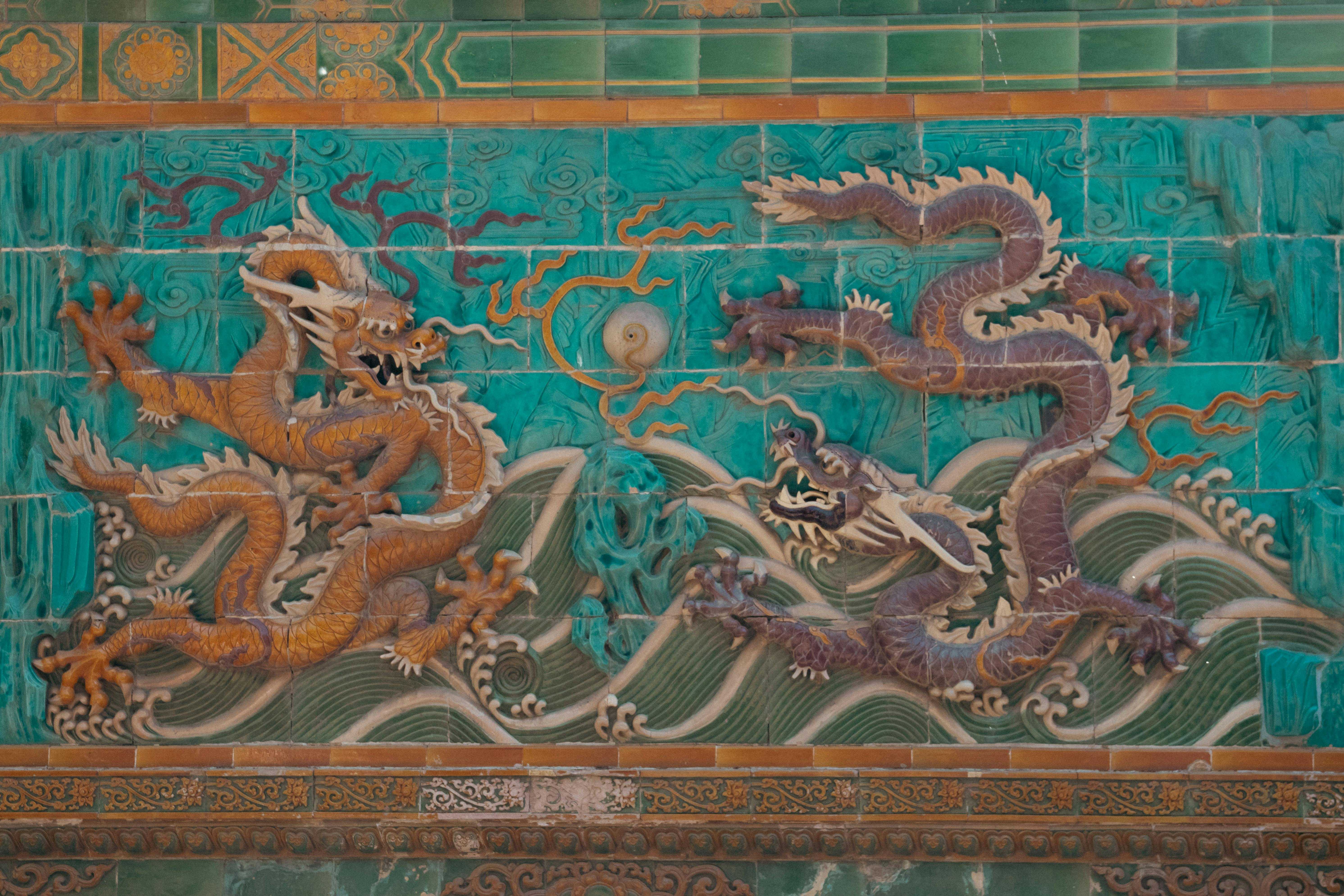
Step Back in Time and Experience the Soul of China in Shanxi Nestled in the heart of North China, Shanxi province is a hidden gem, a living tapestry of ancient history, breathtaking landscapes, and vibrant culture. Forg…

#Northern China#Historic sites#Cuisine#Mountains#Temples
1/15

Top hotels & flights

Hand-picked stays and the best fares into Shanxi.

Top Hotels in Shanxi

Top Flights to Shanxi

Location videos

Real reels from travelers, plus longer watches to get the full picture.

From travelers
Watch & explore

Practical info

The essentials for planning your time in Shanxi.

Currency
¥ | CNY | Chinese Yuan
Population
35.7 million
Languages
Chinese, Chinese

Local guide

What travelers love, what to watch for, and a deeper read on Shanxi.

What people love

Shanxi, located in China, is a province known for its rich history, ancient architecture, and stunning natural landscapes. There are several pros to traveling to Shanxi:

  1. Historical and Cultural Sites: Shanxi is home to many historical and cultural sites, including the ancient city of Pingyao, which is a UNESCO World Heritage Site. Visitors can explore well-preserved traditional Chinese architecture, ancient city walls, and temples.

  2. Mount Wutai: Shanxi is home to Mount Wutai, one of the Four Sacred Mountains of Buddhism in China. This mountain is a pilgrimage site for Buddhists and offers beautiful scenery, temples, and hiking opportunities.

  3. Yungang Grottoes: The Yungang Grottoes are a series of ancient Buddhist cave temples carved into the rock cliffs near Datong. These grottoes are adorned with intricate carvings and statues, making them a must-visit attraction for history and art enthusiasts.

  4. Local Cuisine: Shanxi is known for its delicious cuisine, including hand-pulled noodles, vinegar-flavored dishes, and savory pastries. Food lovers will enjoy exploring the local markets and trying authentic Shanxi dishes.

  5. Natural Beauty: In addition to its cultural attractions, Shanxi also offers beautiful natural landscapes, such as the Hukou Waterfall on the Yellow River and the picturesque Taihang Mountains. Outdoor enthusiasts can enjoy hiking, biking, and exploring the region's scenic beauty.

Overall, traveling to Shanxi offers a unique blend of history, culture, and natural beauty that will appeal to a wide range of travelers.

Enjoy your trip to Shanxi!

What to know

Traveling to Shanxi, China, specifically the province of Shanxi, can have some cons that travelers should be aware of:

  1. Air pollution: Shanxi is known for its heavy industrial activity, particularly in the coal mining sector. This has led to significant air pollution in the region, which can affect air quality and visibility, particularly in urban areas.

  2. Limited English proficiency: English proficiency among the local population in Shanxi may be lower compared to other major cities in China, making communication more challenging for English-speaking travelers.

  3. Traffic congestion: Like many other urban areas in China, traffic congestion can be a problem in Shanxi, especially in larger cities like Taiyuan. This can lead to delays in transportation and difficulty navigating the city.

  4. Limited tourist facilities: While Shanxi has a rich cultural heritage and many historic sites, the region may not have as developed tourist infrastructure as other popular destinations in China. This can mean fewer options for accommodations, dining, and transportation for travelers.

  5. Harsh climate: Shanxi experiences a continental climate with hot summers and cold winters. Travelers should be prepared for extreme temperatures, especially during the winter months when temperatures can drop significantly.

Overall, while Shanxi offers unique cultural and historical attractions, travelers should be aware of these potential cons and plan accordingly to have a comfortable and enjoyable trip.

Shanxi, located in northern China, is a province rich in history and culture. Its strategic location and resource wealth have made it an important region throughout Chinese history. Here is a detailed overview of Shanxi's history, notable figures, and landmarks:

Ancient History:

  1. Prehistoric Times: Shanxi is one of the cradles of Chinese civilization. The region has evidence of human habitation dating back to the Paleolithic era. The Yangshao and Longshan cultures flourished here.

  2. Xia and Shang Dynasties: Shanxi was an important area during these early dynasties, with archaeological sites such as Taosi providing insights into early Chinese state formation and culture.

  3. Zhou Dynasty: During this period, Shanxi was home to the state of Jin, one of the most powerful states of the Spring and Autumn period. The Jin state later fractured into three separate states: Han, Zhao, and Wei, which were key players in the Warring States period.

Imperial Era:

  1. Qin and Han Dynasties: Shanxi was incorporated into the Qin dynasty, which unified China in 221 BCE. During the Han dynasty, Shanxi was a crucial military and economic region, with its capital at Taiyuan serving as a strategic center.

  2. Tang Dynasty: The Tang dynasty (618–907) was founded by Li Yuan (Emperor Gaozu of Tang), who was born in Shanxi. The province flourished as a cultural and economic hub during this time.

  3. Five Dynasties and Ten Kingdoms Period: During this turbulent era, Shanxi was the base for the Later Tang and Later Jin dynasties.

  4. Song and Yuan Dynasties: Shanxi continued to be an important region. The province's merchants became known for their wealth and trading acumen, especially during the Yuan dynasty.

Modern History:

  1. Ming and Qing Dynasties: Shanxi remained a significant economic region, with its merchants playing a crucial role in the national economy. The province was also known for its role in banking, with the Shanxi piaohao (draft banks) becoming prominent.

  2. Republic of China: After the fall of the Qing dynasty, Shanxi was a site of conflict during the Chinese Civil War. Yan Xishan, a warlord, controlled the province for much of the early 20th century.

  3. People's Republic of China: After 1949, Shanxi became a part of the People's Republic of China. The province has continued to develop economically, with a focus on coal mining and energy production.

Notable Historical Figures:

  • Li Yuan (Emperor Gaozu of Tang): Founder of the Tang dynasty.
  • Yan Xishan: A warlord who controlled Shanxi during the early 20th century.

Important Landmarks:

  • Yungang Grottoes: A UNESCO World Heritage site near Datong, famous for its ancient Buddhist cave art and sculptures.
  • Hengshan (Mount Heng): One of the Five Great Mountains of China, known for its natural beauty and religious significance.
  • Pingyao Ancient City: A well-preserved example of a traditional Chinese city during the Ming and Qing dynasties, also a UNESCO World Heritage site.
  • Hanging Temple (Xuankong Si): An architectural marvel built into the side of a cliff near Mount Heng.
  • Jinci Temple: A historical temple near Taiyuan, known for its ancient structures and beautiful water features.

Shanxi continues to be an important cultural and historical region in China, with its rich heritage attracting scholars and tourists alike.