
Shan State
· MM

Shan State

Shan State, Burma

Journey to the Enchanting Heights: Discover Shan State, Myanmar Escape the ordinary and ascend to the breathtaking landscapes of Shan State, a hidden gem nestled amongst the misty mountains of Myanmar (Burma). Here, anci…

#Myanmar#Southeast Asia#Mountains#Ethnic diversity#Buddhist temples
1/2

Top hotels & flights

Hand-picked stays and the best fares into Shan State.

Top Hotels in Shan State

Top Flights to Shan State

Popular activities

Tours, tickets and experiences travelers book most in Shan State.

Tours

Explore Inle Lake

A beautiful freshwater lake surrounded by picturesque mountains offering a range of activities such as boat tours and local market visits.

Visit to Taunggyi

The capital of Shan State, known for vibrant festivals and cultural diversity.

Shopping

Shopping in Nyaung Shwe

A quaint town near Inle Lake, perfect for shopping local crafts and delicacies.

Outdoor

Trek to Kalaw

Experience the lush greenery and scenic views as you trek through the hills to Kalaw.

Hot Air Balloon Ride in Shan Hills

Experience breathtaking views of Shan State from a hot air balloon.

Location videos

Real reels from travelers, plus longer watches to get the full picture.

From travelers
Watch & explore

Practical info

The essentials for planning your time in Shan State.

Currency
K | MMK | Myanmar Kyat
Population
6.1 million
Languages
Shan, Burmese, English, Chinese

Local guide

What travelers love, what to watch for, and a deeper read on Shan State.

What people love

Shan State, located in Myanmar (formerly Burma), is a beautiful region known for its stunning landscapes, diverse cultures, and unique experiences. Here are some pros of traveling to Shan State:

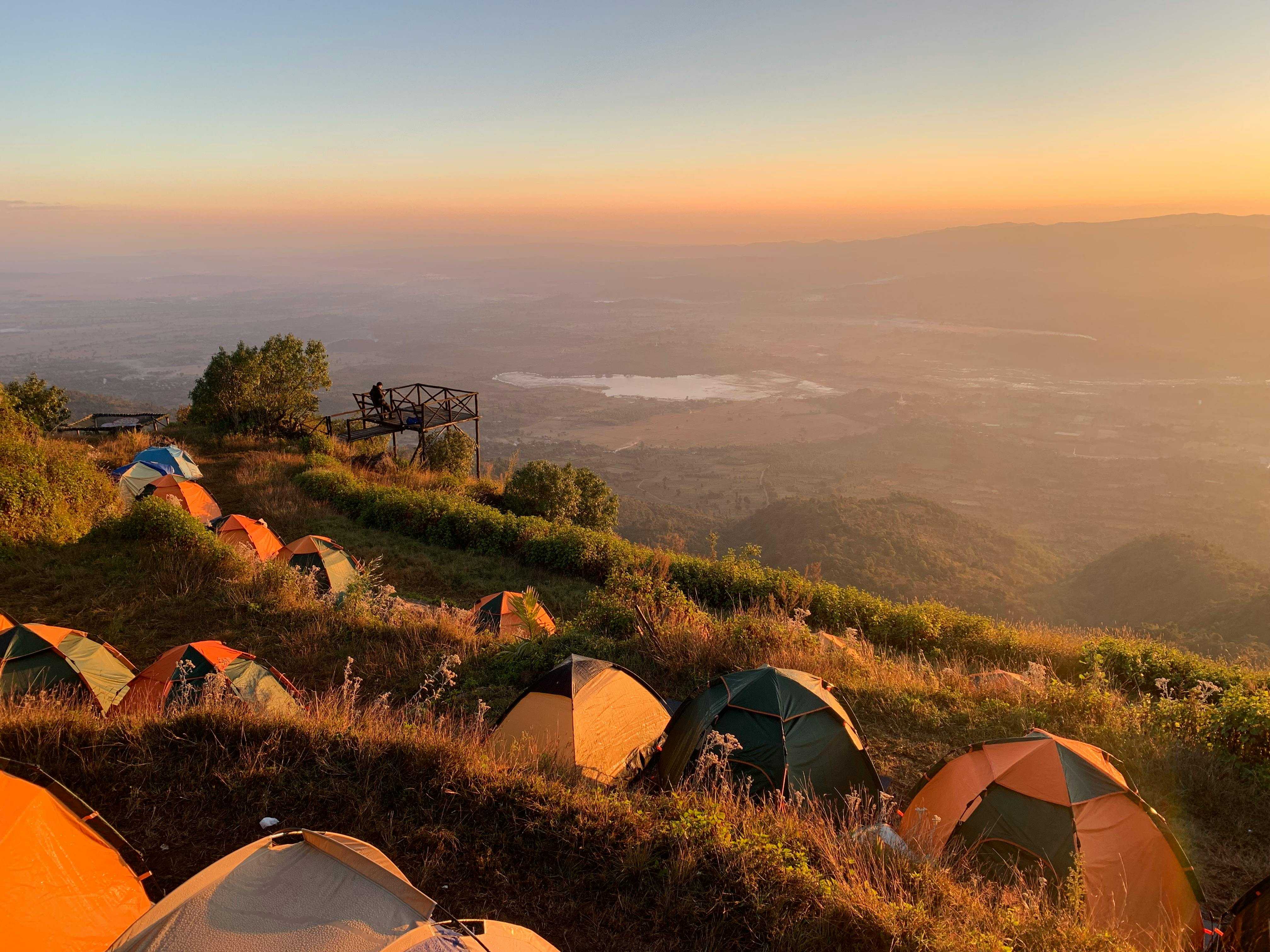
  1. Scenic Beauty: Shan State is renowned for its breathtaking natural beauty, including picturesque mountains, serene lakes, and lush greenery. Travelers can enjoy stunning views while trekking through the Shan Hills or cruising on Inle Lake.

  2. Rich Culture: The region is home to a diverse mix of ethnic groups, each with its own traditions, customs, and languages. Visitors can immerse themselves in the vibrant local culture by exploring traditional villages, attending festivals, and interacting with the friendly locals.

  3. Unique Experiences: Shan State offers a range of unique experiences for travelers, such as visiting ancient temples, exploring historic sites, and sampling delicious local cuisine. You can also learn about the traditional craft techniques of the region, like silk weaving and pottery.

  4. Adventure Opportunities: Outdoor enthusiasts will find plenty of adventure activities to enjoy in Shan State, including hiking, biking, and boating. The region is also a great destination for birdwatching, with a wide variety of bird species to spot in its diverse habitats.

  5. Tranquility and Serenity: Shan State is known for its peaceful and tranquil atmosphere, making it an ideal destination for relaxation and rejuvenation. Whether you're looking to unwind in a spa, meditate in a monastery, or simply enjoy the quietude of nature, Shan State offers a peaceful retreat from the hustle and bustle of city life.

Overall, traveling to Shan State can provide a unique and enriching experience for those seeking to explore a lesser-known region of Myanmar and immerse themselves in its natural beauty and rich cultural heritage.

What to know

Traveling to Shan State in Burma may have some cons to consider:

  1. Political Unrest: Shan State has experienced political instability and armed conflicts between ethnic groups and the Burmese military. This can lead to potential safety concerns for travelers.

  2. Limited Infrastructure: Shan State is less developed compared to other regions in Burma, which may result in limited facilities and services for travelers, such as healthcare, transportation, and accommodation options.

  3. Restricted Areas: Some areas in Shan State may be restricted or off-limits to travelers due to ongoing conflicts or military presence, limiting the ability to explore the region fully.

  4. Cultural Sensitivity: Shan State is home to diverse ethnic groups with their own cultural traditions and practices. Travelers need to be respectful and mindful of local customs to avoid unintentionally causing offense.

  5. Health Risks: As with many rural areas, Shan State may have limited access to healthcare facilities and clean water sources, increasing the risk of health issues such as food-borne illnesses or infectious diseases.

It is important to stay informed about the current situation in Shan State, exercise caution, and consider obtaining up-to-date travel advisories before planning a trip to this region.

Shan State, located in the northeastern part of Myanmar (formerly Burma), is a region rich in history, culture, and diversity. Here is a detailed overview of its history, significant events, historical figures, and landmarks:

Historical Background

  1. Early History: The Shan people, who are part of the Tai ethnic group, migrated from what is today southern China to the region around the 10th century AD. They established several small kingdoms and principalities, often referred to as "Shan States."

  2. Medieval Period: During the 13th century, the Shan States were influenced by the Mongol invasions and later came under the suzerainty of various Burmese kingdoms. The Shan region was known for its strategic importance due to its location and resources.

  3. Colonial Era: In the 19th century, the British colonized Burma, including Shan State. The British established a system of indirect rule, allowing local Shan saophas (princes) to maintain some degree of autonomy under British suzerainty.

  4. World War II: During the war, Shan State became a significant battleground between the Japanese forces and the Allied forces, including the famous Chindits led by Orde Wingate. After the war, the movement for independence in Burma gained momentum.

  5. Post-Independence: After Burma gained independence from Britain in 1948, Shan State was incorporated into the new Union of Burma. However, tensions soon arose due to ethnic diversity and demands for greater autonomy, leading to armed conflicts and insurgencies.

  6. Modern Conflicts: The region has been plagued by ethnic insurgencies, drug trade, and conflicts involving the Burmese military and various Shan ethnic armed groups. The political situation remains complex, with ongoing peace negotiations and attempts at federalism.

Significant Events

  • 1960s and 1970s Insurgency: Various Shan groups, dissatisfied with the central government's policies, took up arms to fight for greater autonomy, leading to decades of conflict.
  • 1988 Uprising: During the nationwide pro-democracy uprising in Burma, Shan State also saw significant protests and political upheaval.
  • Ceasefire Agreements: In the 1990s and 2000s, several ceasefire agreements were signed between the Burmese government and Shan insurgent groups, although peace has been fragile.

Historical Figures

  • Sao Shwe Thaik: The first President of the Union of Burma after independence in 1948, he was a prominent Shan leader and played a crucial role in the early years of the country's history.
  • Shan Saophas: Various saophas (hereditary rulers) have been significant figures in Shan history, maintaining local traditions and authority even during the colonial period.

Important Landmarks

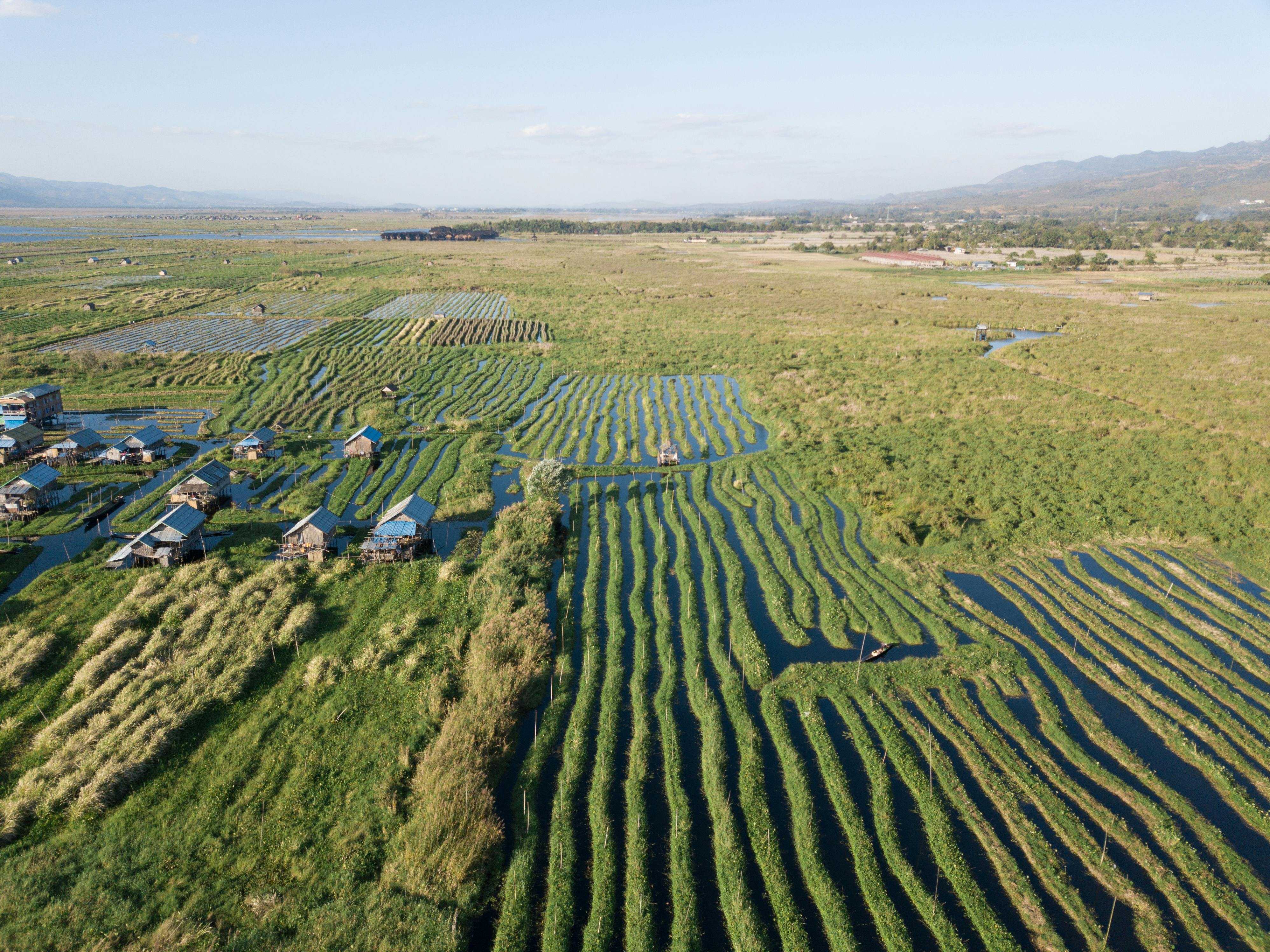
  • Inle Lake: A famous freshwater lake known for its floating villages, gardens, and the unique leg-rowing technique of the local fishermen.
  • Kakku Pagodas: An ancient site with a collection of over 2,000 stupas, showcasing the region's rich Buddhist heritage.
  • Taunggyi: The capital of Shan State, known for its cultural diversity and the annual Tazaungdaing Festival, which includes hot-air balloon competitions.

Shan State remains a region of significant cultural and ethnic diversity, with ongoing challenges related to political autonomy and development. Its rich history and cultural heritage continue to influence its role within Myanmar.