
Senegal
· SN

Senegal

Senegal

Senegal: Rhythms of Africa, Warmth of the World Senegal, the westernmost point of Africa, pulsates with a rhythm all its own. It's a place where vibrant culture meets breathtaking landscapes, where ancient history intert…

#West Africa#Francophone#Dakar#African culture#Atlantic Ocean
1/8

Top hotels & flights

Hand-picked stays and the best fares into Senegal.

Top Hotels in Dakar

Top Flights to Dakar

Popular activities

Tours, tickets and experiences travelers book most in Senegal.

Tours

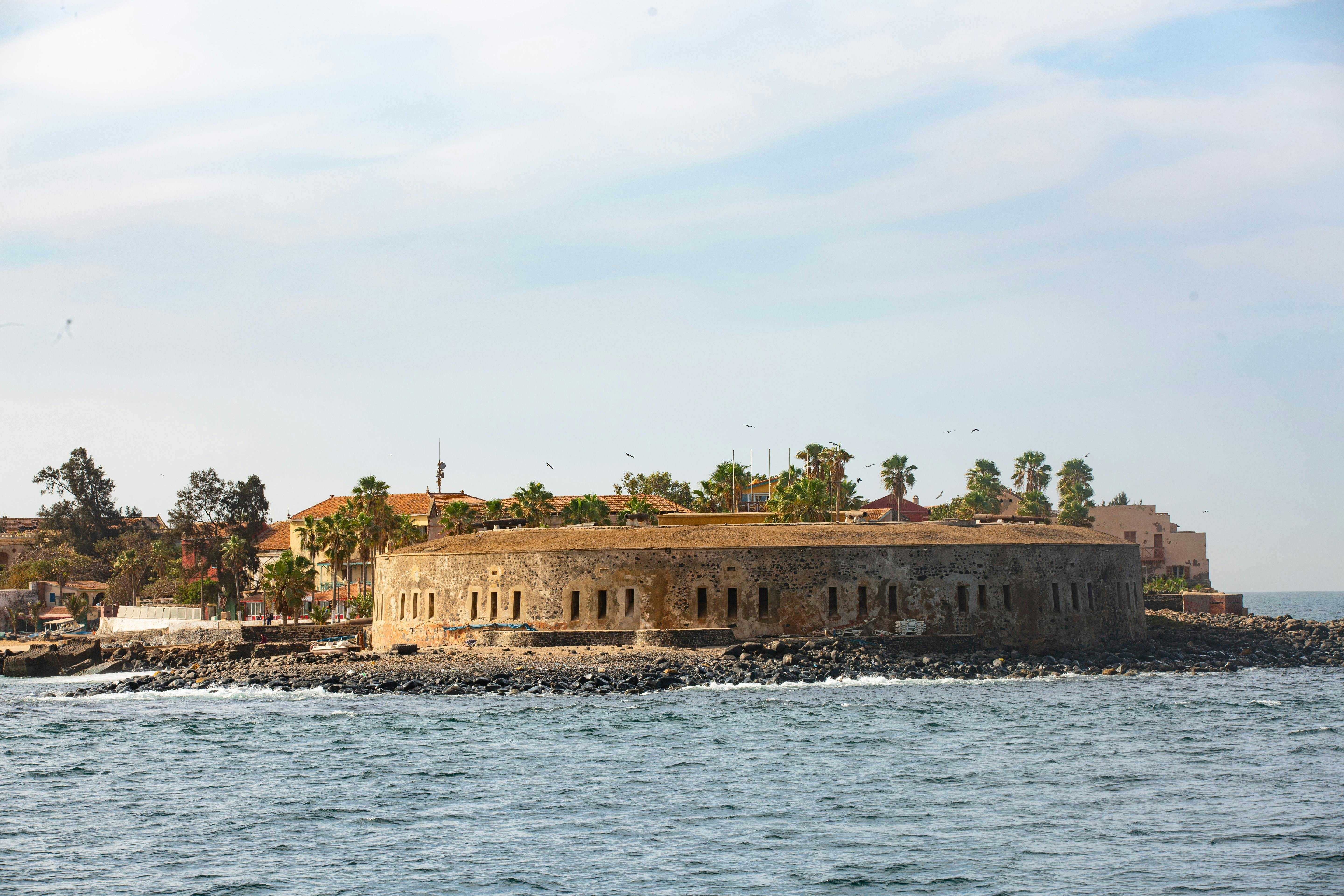
Gorée Island

Explore Gorée Island, a UNESCO World Heritage Site known for its poignant history and colorful colonial buildings.

Dakar City Tour

Discover Dakar's vibrant city life, markets, and historic sites.

Saint-Louis Cultural Tour

Explore the historical city of Saint-Louis with its colonial architecture and rich cultural heritage.

Outdoor

Safari in Niokolo-Koba National Park

Experience the wildlife and natural beauty of one of Senegal's largest national parks.

Lompoul Desert Camping

Enjoy a unique camping experience in Senegal's Lompoul Desert.

Location videos

Real reels from travelers, plus longer watches to get the full picture.

From travelers
Watch & explore

Practical info

The essentials for planning your time in Senegal.

Currency
CFA Franc | XOF | West African CFA Franc
Population
17.5 million
Languages
French, Wolof, Pulaar, Jola, Mandinka, Soninka
Average weather
Senegal
Jan
clear
27°18°
Feb
clear
28°18°
Mar
clear
29°19°
Apr
clear
30°20°
May
hot
31°22°
Jun
hot
31°24°
Jul
rain
30°24°
Aug
rain
29°24°
Sep
rain
30°24°
Oct
hot
31°24°
Nov
clear
30°22°
Dec
clear
28°19°

Local guide

What travelers love, what to watch for, and a deeper read on Senegal.

What people love

Senegal is a diverse and culturally rich country located in West Africa. Traveling to Senegal has several advantages and pros, including:

  1. Rich Culture: Senegal is known for its vibrant culture, music, and art scene. Travelers can immerse themselves in the traditional music of Senegal, such as the energetic rhythms of the sabar drum or the soulful melodies of the kora.

  2. Beautiful Landscapes: Senegal offers a range of beautiful landscapes, from the bustling capital city of Dakar to the quiet beaches of Cap Skirring. Travelers can also explore the stunning natural beauty of places like the Pink Lake (Lac Rose) and the Niokolo-Koba National Park.

  3. History and Heritage: Senegal has a rich history, with several UNESCO World Heritage sites such as the Island of Gorée, a former slave trading post, and the historic city of Saint-Louis. Travelers can learn about Senegal's colonial past and its role in the transatlantic slave trade.

  4. Warm Hospitality: Senegalese people are known for their hospitality and welcoming nature. Travelers can experience the warmth of Senegalese hospitality through interactions with locals, enjoying traditional meals, and participating in cultural activities.

  5. Culinary Delights: Senegalese cuisine is flavorful and diverse, with dishes like thieboudienne (a traditional fish and rice dish), yassa (marinated grilled meat), and accara (black-eyed pea fritters). Travelers can sample these delicious dishes and explore the local food markets.

  6. Ecotourism Opportunities: Senegal offers opportunities for ecotourism, with diverse ecosystems including mangroves, savannas, and wetlands. Travelers can participate in birdwatching, eco-friendly tours, and community-based tourism initiatives.

Overall, traveling to Senegal offers a unique and enriching experience for those looking to explore a country with a rich cultural heritage, diverse landscapes, and warm hospitality.

What to know

Traveling to Senegal has its own set of challenges and cons that visitors should be aware of. Some of the cons of traveling to Senegal include:

  1. Safety concerns: While Senegal is relatively safe compared to some other African countries, travelers should still be cautious, especially in urban areas where petty crime can occur. It is advisable to take precautions such as avoiding walking alone at night and keeping valuables secure.

  2. Health risks: Senegal is a tropical country, and travelers should be aware of the risk of diseases such as malaria, dengue fever, and yellow fever. It is important to take necessary precautions, such as getting vaccinations and taking malaria prophylaxis.

  3. Language barrier: The official language of Senegal is French, and while English is also spoken in tourist areas, communication can still be a challenge in some parts of the country. It is advisable to learn some basic French phrases or carry a translation guide.

  4. Infrastructure challenges: Senegal's infrastructure, including roads and public transportation, may not be as developed as in Western countries. Travelers may encounter issues such as poor road conditions, unreliable public transportation, and limited access to certain areas.

  5. Cultural differences: Senegal has a different cultural and social landscape compared to Western countries, and travelers should be respectful of local customs and traditions. It is important to dress modestly, especially in rural areas and religious sites, and to be mindful of local customs and etiquette.

Overall, while Senegal has much to offer in terms of culture, history, and natural beauty, travelers should be prepared for the challenges that come with visiting a developing country in West Africa.

Senegal, located on the west coast of Africa, has a rich and diverse history that spans from prehistoric times to the present day. Here is a detailed overview of its history:

Pre-Colonial Era

  • Ancient and Medieval Periods: Senegal has been inhabited since prehistoric times. Several archaeological findings suggest that the area was home to early human settlements. The region was later part of the Ghana Empire, which flourished from the 7th to the 13th century, and later the Mali and Songhai Empires. The coastal areas were influenced by the trans-Saharan trade, bringing goods and Islamic culture.

  • Migration and Kingdoms: Between the 11th and 15th centuries, Senegal saw the rise of several kingdoms, including the Tekrur Kingdom, which was one of the first in the region to embrace Islam. Other significant kingdoms included the Jolof Empire, a confederation of states that emerged in the 14th century.

Colonial Era

  • European Arrival: In the 15th century, Portuguese explorers reached the Senegal River, marking the beginning of European interest in the region. The French established a presence in the area in the 17th century, founding the city of Saint-Louis in 1659, which became an important trading post.

  • French Colonization: Over the next few centuries, France expanded its control, and by the 19th century, Senegal became a key part of French West Africa. The French used the area as a base for further expansion into the interior of West Africa.

20th Century and Independence

  • World War II and Aftermath: During World War II, Senegal was a part of Vichy France but was later liberated by the Free French forces. After the war, Senegal began to push for more autonomy.

  • Path to Independence: In 1959, Senegal and the French Sudan (now Mali) formed the Mali Federation, which gained independence from France on June 20, 1960. The federation dissolved on August 20, 1960, and Senegal became a separate independent nation with Léopold Sédar Senghor as the first president.

Post-Independence Era

  • Senghor's Presidency: Senghor was a significant figure in Senegal's history, known for his philosophy of Negritude and his efforts to forge a unique cultural identity for Senegal. He served until 1980, when he resigned and was succeeded by Abdou Diouf.

  • Political Stability and Reform: Senegal has been one of the few African countries to enjoy relative political stability since independence. It has held regular democratic elections, and power has changed hands peacefully between different parties.

Recent Developments

  • Modern Era: In recent years, Senegal has seen significant economic growth and development. The country has invested in infrastructure, education, and healthcare, although challenges remain, including poverty and unemployment.

Significant Historical Figures

  • Léopold Sédar Senghor: Poet, philosopher, and the first president of Senegal, known for his role in the Negritude movement.
  • Cheikh Anta Diop: A historian and anthropologist, Diop was influential in African studies and the understanding of African history and culture.

Important Landmarks

  • Gorée Island: A UNESCO World Heritage site, Gorée Island is known for its role in the transatlantic slave trade.
  • Dakar: The capital city, known for its vibrant culture and historical sites, including the African Renaissance Monument and the Dakar Grand Mosque.
  • Saint-Louis: The former capital of French West Africa, Saint-Louis is recognized for its colonial architecture and historical significance.

Senegal continues to play an important role in regional and international affairs, contributing to peacekeeping and diplomatic efforts in Africa and beyond.