

Saxony-Anhalt
· DE

Saxony-Anhalt

Saxony-Anhalt, Germany

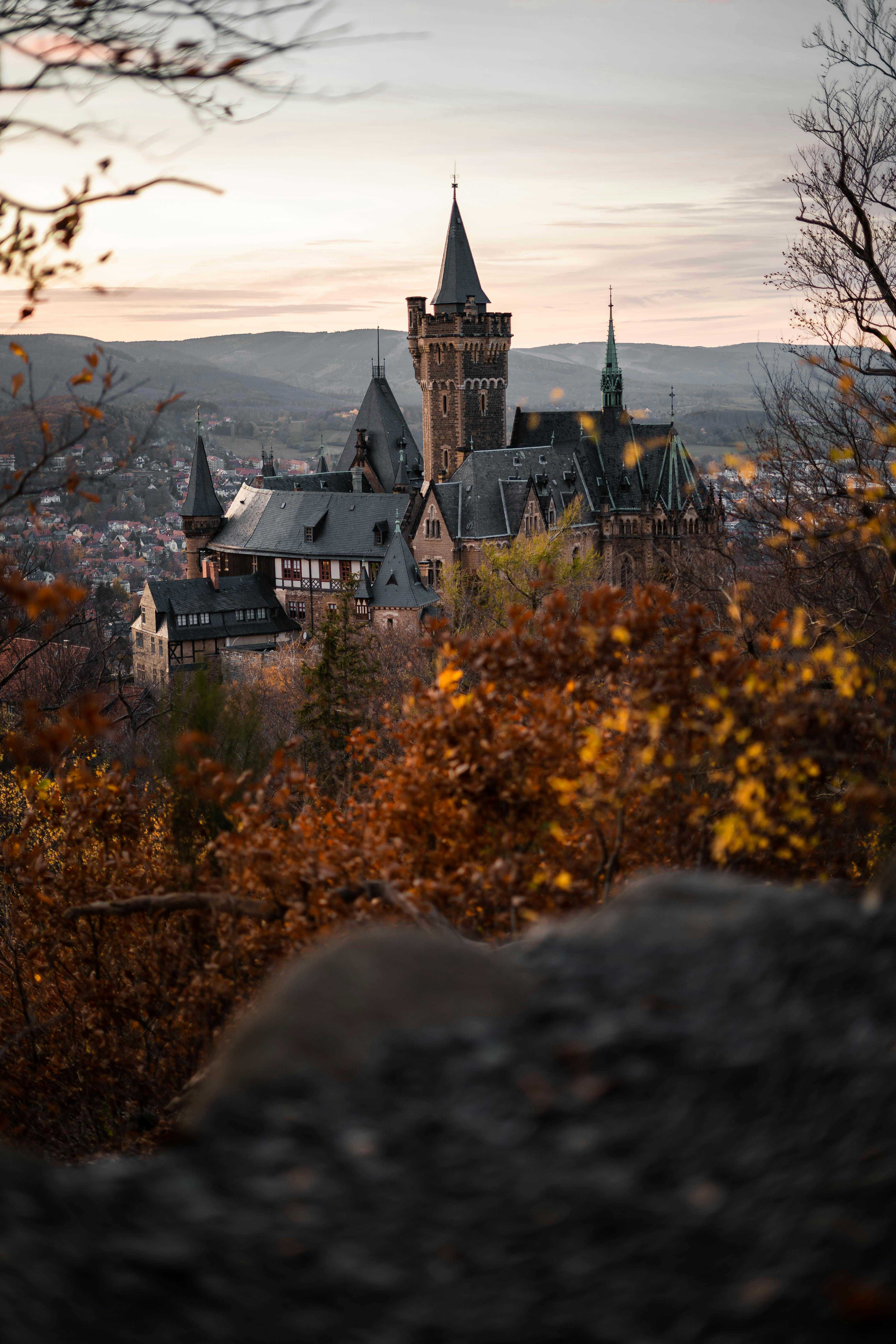
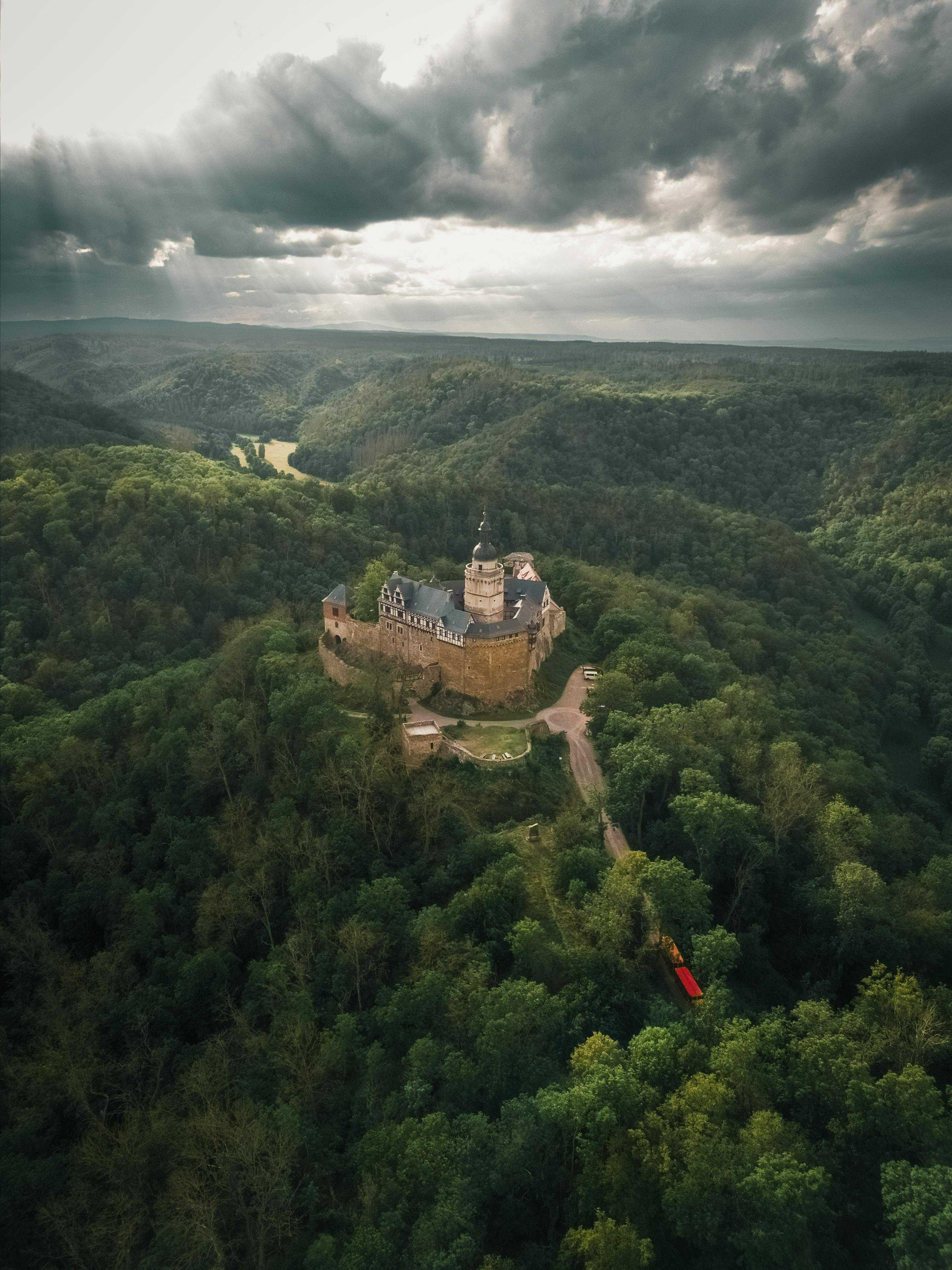
Journey to the Heart of Germany: Discover Saxony-Anhalt Step off the beaten path and into the heart of Germany with a trip to Saxony-Anhalt, a land where historical treasures meet vibrant culture and unspoiled nature. Ne…

#Historic architecture#Cultural heritage#Nature reserves#Industrial history#Central Germany
1/3

Top hotels & flights

Hand-picked stays and the best fares into Saxony-Anhalt.

Top Hotels in Saxony-Anhalt

Top Flights to Saxony-Anhalt

Popular activities

Tours, tickets and experiences travelers book most in Saxony-Anhalt.

Tours

Explore Historical Magdeburg

Discover the rich history of Magdeburg, the capital of Saxony-Anhalt.

Shopping

Shopping Spree in Halle

Enjoy a day of shopping in Halle's bustling shopping streets.

Outdoor

Harz Mountains Adventure

Engage in thrilling outdoor activities in the Harz Mountains.

Location videos

Real reels from travelers, plus longer watches to get the full picture.

From travelers
Watch & explore

Practical info

The essentials for planning your time in Saxony-Anhalt.

Currency
€ | EUR | Euro
Population
2.2 million
Languages
German, German

Local guide

What travelers love, what to watch for, and a deeper read on Saxony-Anhalt.

What people love

Saxony-Anhalt, located in Germany, is a region with a rich history and cultural heritage, offering a variety of attractions and activities for travelers. Here are some of the pros of traveling to Saxony-Anhalt:

  1. Historical Sites: Saxony-Anhalt is home to several UNESCO World Heritage Sites, including the Luther Memorials in Wittenberg, the Bauhaus sites in Dessau, and the Garden Kingdom of Dessau-Wörlitz. History buffs will enjoy exploring these sites and learning about the region's significant contributions to architecture, art, and culture.

  2. Natural Beauty: The region boasts diverse landscapes, including the Harz Mountains, picturesque vineyards along the Saale River, and the scenic Elbe River valley. Outdoor enthusiasts can enjoy hiking, cycling, and water sports in these beautiful surroundings.

  3. Cultural Events: Saxony-Anhalt hosts numerous cultural events throughout the year, such as music festivals, art exhibitions, and historical reenactments. Visitors can immerse themselves in the local culture and experience traditional music, dance, and cuisine.

  4. Culinary Delights: The region is known for its delicious cuisine, featuring hearty dishes like bratwurst, schnitzel, and potato pancakes. Travelers can sample local specialties at charming restaurants and food markets, as well as visit wineries and breweries to taste regional beverages.

  5. Accessibility: Saxony-Anhalt is well-connected by public transportation, making it easy to travel between cities and attractions within the region. The efficient train and bus network allows visitors to explore the area conveniently and affordably.

Overall, traveling to Saxony-Anhalt offers a unique blend of history, culture, nature, and culinary experiences that appeal to a wide range of interests.

What to know

Some potential cons of traveling to Saxony-Anhalt in Germany could include:

  1. Limited tourist infrastructure: Saxony-Anhalt is not as popular of a tourist destination compared to other regions in Germany, so you may find that there are fewer tourist services and amenities available.

  2. Language barrier: While many people in Saxony-Anhalt may speak English, you may encounter some language barriers, especially in more rural areas or smaller towns.

  3. Weather: The weather in Saxony-Anhalt can be quite variable, with cold winters and hot summers. Be prepared for changing weather conditions, especially if you plan to visit outdoor attractions.

  4. Limited nightlife: If you are looking for a vibrant nightlife scene, you may find that Saxony-Anhalt has fewer options compared to larger cities like Berlin or Munich.

  5. Transportation: Public transportation in Saxony-Anhalt may be less frequent or convenient compared to other parts of Germany, so you may need to rely more on private transportation or plan your itinerary carefully.

Overall, while Saxony-Anhalt has its unique charms and attractions, it may not offer the same level of tourist infrastructure and conveniences as more popular destinations in Germany.

Saxony-Anhalt, located in central Germany, has a rich and complex history that has been shaped by various peoples, states, and events over the centuries.

Early History and Middle Ages:

  • Prehistoric and Roman Periods: The region of Saxony-Anhalt was inhabited by various Germanic tribes in prehistoric times. During the Roman Empire, it was on the fringes of Roman influence.
  • The Duchy of Saxony: In the early medieval period, the area became part of the Duchy of Saxony. The Saxons were a powerful and influential group during this time.
  • Ottonian Dynasty: The region gained prominence under the Ottonian dynasty in the 10th century. Otto I, who became Holy Roman Emperor, was buried in Magdeburg, which became an important ecclesiastical center.

The Holy Roman Empire:

  • Magdeburg: Founded by Emperor Otto I, Magdeburg became a central city in the Holy Roman Empire. It gained significant autonomy and wealth as a member of the Hanseatic League.
  • The Reformation: Martin Luther, who initiated the Protestant Reformation, was active in the region. The town of Wittenberg, although technically in Saxony, is closely associated with Saxony-Anhalt's cultural and religious history as Luther nailed his 95 Theses to the door of the All Saints' Church there.

Early Modern Period:

  • Thirty Years' War: Saxony-Anhalt suffered greatly during the Thirty Years' War (1618–1648), which devastated much of central Europe.
  • Brandenburg-Prussia: By the 17th century, parts of Saxony-Anhalt came under the control of Brandenburg-Prussia, which would later become the Kingdom of Prussia.

19th and 20th Centuries:

  • Industrialization: The 19th century saw industrial growth in the region, especially around cities like Halle and Magdeburg.
  • Post-World War I: After World War I, the region was part of the Free State of Prussia within the Weimar Republic.
  • World War II: Saxony-Anhalt was heavily bombed during World War II. Many historic towns and cities were damaged or destroyed.
  • German Democratic Republic: After World War II, the state was part of East Germany. The region was reorganized and became known as the district of Halle and Magdeburg.

Post-Reunification:

  • Reestablishment: After German reunification in 1990, Saxony-Anhalt was reestablished as a federal state.
  • Contemporary Developments: Today, Saxony-Anhalt is known for its cultural heritage, with numerous UNESCO World Heritage Sites, including the Bauhaus Dessau and the Luther memorials in Eisleben and Wittenberg.

Significant Historical Figures:

  • Otto I: Holy Roman Emperor, crucial in the formation of the Holy Roman Empire.
  • Martin Luther: Theologian and religious reformer, whose work had a profound impact on Saxony-Anhalt.

Important Landmarks:

  • Magdeburg Cathedral: A prime example of Gothic architecture and the burial place of Otto I.
  • Bauhaus Dessau: An architectural school that significantly influenced modern design.
  • Lutherstadt Wittenberg: Known for its association with Martin Luther and the Protestant Reformation.
  • Quedlinburg: A UNESCO World Heritage Site known for its well-preserved medieval old town.

Saxony-Anhalt's history is a tapestry of religious reform, architectural innovation, and economic transformation, making it a vital region in Germany's historical narrative.