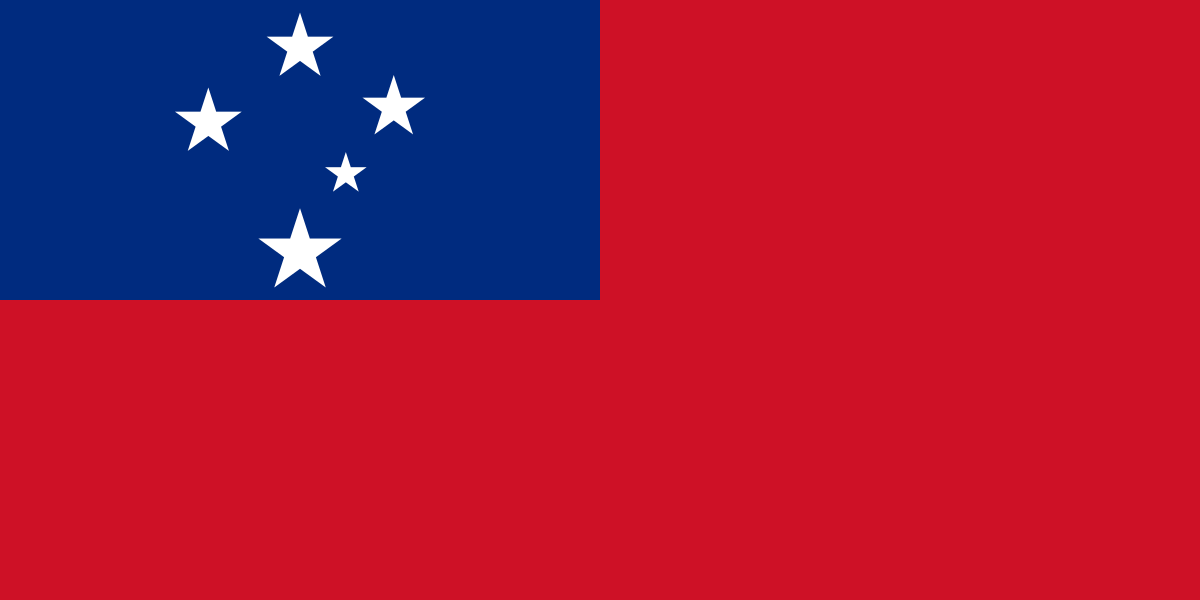
Samoa
· WS

Samoa

Samoa

Escape to Paradise: Unveiling the Untouched Beauty of Samoa Samoa, a heart-shaped jewel nestled in the South Pacific, beckons with the promise of unspoiled beauty and authentic Polynesian culture. This isn't just a vacat…

#Pacific Island#Polynesian culture#Tropical paradise#South Pacific#Beach destination
1/4

Top hotels & flights

Hand-picked stays and the best fares into Samoa.

Top Hotels in Apia

Top Flights to Apia

Popular activities

Tours, tickets and experiences travelers book most in Samoa.

Tours

To Sua Ocean Trench

To Sua Ocean Trench is a stunning natural swimming hole surrounded by lush gardens.

Robert Louis Stevenson Museum

Discover the historical home and museum dedicated to the famous author, Robert Louis Stevenson.

Papapapaitai Falls

An awe-inspiring waterfall located in the Upolu highlands.

Shopping

Apia Market

A bustling market in the capital city of Apia where you can find local goods and crafts.

Outdoor

Lalomanu Beach

Lalomanu Beach is famous for its vibrant coral reefs and relaxed beach atmosphere.

Location videos

Real reels from travelers, plus longer watches to get the full picture.

From travelers
Watch & explore

Practical info

The essentials for planning your time in Samoa.

Currency
$WS | WST | Samoan tālā
Population
The approximate estimated total population of Samoa is 202,000.
Languages
Samoan, English
Average weather
Samoa
Jan
rain
30°24°
Feb
rain
30°24°
Mar
rain
30°24°
Apr
rain
30°24°
May
rain
29°23°
Jun
rain
29°23°
Jul
rain
28°22°
Aug
rain
28°22°
Sep
rain
29°23°
Oct
rain
29°23°
Nov
rain
30°24°
Dec
rain
30°24°

Local guide

What travelers love, what to watch for, and a deeper read on Samoa.

What people love

Samoa, located in the Pacific Ocean, offers a unique and enriching travel experience with several pros for visitors:

  1. Natural Beauty: Samoa is known for its stunning natural beauty, including pristine beaches, lush rainforests, vibrant coral reefs, and majestic waterfalls. Visitors can enjoy activities such as snorkeling, scuba diving, hiking, and swimming in crystal-clear waters.

  2. Rich Culture: Samoan culture is deeply rooted in tradition and hospitality. Travelers have the opportunity to learn about the local customs, traditional dances, and handicrafts. The fa'a Samoa, or Samoan way of life, is a central aspect of the culture and provides a fascinating insight into the local way of living.

  3. Relaxed Atmosphere: Samoa is known for its laid-back and relaxed atmosphere, making it an ideal destination for those looking to unwind and escape the hustle and bustle of everyday life. The pace of life in Samoa is slower, allowing visitors to truly relax and rejuvenate.

  4. Adventure Opportunities: Whether you're interested in surfing, hiking to hidden waterfalls, or exploring volcanic landscapes, Samoa offers a range of adventure activities for thrill-seekers. The islands also provide opportunities for cultural immersion, such as village visits and traditional ceremonies.

  5. Unique Accommodation: From beachfront fales (traditional Samoan houses) to eco-friendly resorts, Samoa offers a range of unique accommodation options that allow visitors to connect with nature and experience authentic Samoan hospitality.

  6. Friendly Locals: Samoans are known for their warmth and friendliness towards visitors. Travelers can expect to be welcomed with open arms and treated with genuine kindness during their stay in Samoa.

Overall, traveling to Samoa offers a blend of natural beauty, rich culture, adventure opportunities, and a chance to unwind in a serene and welcoming environment.

What to know

Traveling to Samoa, like any other destination, comes with certain cons that travelers should be aware of. Here are some potential disadvantages of traveling to Samoa:

  1. Remote Location: Samoa is a remote island nation in the South Pacific, which means travel to and from the country can be time-consuming and expensive. Flights may be limited and connecting flights may be required, which could result in longer travel times.

  2. Limited Infrastructure: While Samoa has been developing its tourism industry, some areas of the country may still have limited infrastructure compared to more developed countries. This could mean limited access to certain amenities or services.

  3. Climate and Weather: Samoa experiences tropical weather, which can include cyclones and heavy rainfall during certain times of the year. Travelers should be prepared for potential weather-related disruptions to their plans.

  4. Health Concerns: Like many tropical destinations, Samoa may have health risks such as mosquito-borne diseases like dengue fever and Zika virus. Travelers should take necessary precautions and consider travel health advisories before visiting.

  5. Language Barrier: While English is widely spoken in Samoa, the official language is Samoan. Travelers who do not speak Samoan may encounter language barriers, especially in more rural areas.

  6. Limited Activities: While Samoa offers beautiful natural landscapes and cultural experiences, the range of activities and attractions may be more limited compared to larger tourist destinations. Travelers looking for a wide variety of entertainment options may find Samoa lacking in that regard.

Remember that these cons are relative and may not outweigh the many unique and rewarding experiences that traveling to Samoa can offer. It's always a good idea to research and prepare accordingly before embarking on your trip.

Samoa, a nation in the central South Pacific, has a rich history marked by cultural traditions, colonial encounters, and a journey to independence. Here's a detailed overview:

Early History

  • Polynesian Settlement: Samoa was first settled around 1000 BCE by Austronesian-speaking people. These early Samoans developed a distinct Polynesian culture, characterized by communal living, a strong social hierarchy, and elaborate tattooing.

Traditional Society

  • Mata'i: The Samoan social structure was built around a system of chiefs (mata'i) who governed through consensus and were custodians of land and resources.
  • Fa'a Samoa: This traditional way of life, which means "The Samoan Way," emphasizes community, family, and respect for elders.

European Contact

  • 1722: Dutch explorer Jacob Roggeveen was the first European to sight the islands.
  • 1830s: Christian missionaries, primarily from the London Missionary Society, began arriving, significantly impacting Samoan culture and religion.

Colonial Era

  • Late 19th Century: Samoa became an area of interest for Germany, the United States, and Britain, leading to tensions and conflicts.
  • 1899: The Tripartite Convention was signed, dividing the Samoan archipelago. The eastern islands became American Samoa, while the western islands came under German control, known as German Samoa.

World War I and New Zealand Administration

  • 1914: New Zealand forces occupied German Samoa at the outbreak of World War I.
  • 1918: The Spanish flu pandemic, exacerbated by New Zealand's administration, devastated the Samoan population, killing about 22% of its people.
  • 1920: Samoa became a League of Nations mandate under New Zealand administration.

Independence Movement

  • Mau Movement: This was a key nationalist movement during the 1920s and 1930s, advocating for independence from colonial rule. Notable figures include Tupua Tamasese Lealofi III, who was killed in a peaceful protest known as Black Saturday in 1929.

Road to Independence

  • 1962: Western Samoa became the first Pacific island nation to gain independence on January 1, 1962. A treaty of friendship with New Zealand was signed the same year.
  • 1962 Constitution: The nation adopted a constitution that established a parliamentary democracy with a blend of traditional and Western elements.

Modern History

  • 1997: The country officially changed its name from Western Samoa to Samoa.
  • 2009: Samoa switched from driving on the right to the left side of the road, aligning more closely with other Commonwealth countries.
  • 2011: The International Date Line was shifted east of the country, allowing Samoa to align its time zone with its key trading partners in Australia and New Zealand.

Significant Figures

  • Malietoa Tanumafili II: The head of state from independence until his death in 2007, he was one of the world's longest-reigning monarchs.
  • Tupua Tamasese Lealofi III: A leader of the Mau movement, he is remembered for his role in the struggle for independence.

Important Landmarks

  • Robert Louis Stevenson Museum: Located in Vailima, this was the home of the famous Scottish author who spent his final years in Samoa.
  • Mulinu'u Peninsula: The political and cultural heart of Samoa, featuring the Parliament House and the Independence Monument.
  • Papaseea Sliding Rocks: A natural rock formation and popular tourist attraction near Apia.
  • To Sua Ocean Trench: A stunning natural swimming hole on the island of Upolu.

Samoa's history is a testament to its resilience and cultural richness, shaped by its indigenous traditions and interactions with global powers.