



Top hotels & flights
Hand-picked stays and the best fares into Samarqand.
Top Hotels in Samarqand
Top Flights to Samarqand
Practical info
The essentials for planning your time in Samarqand.
Local guide
What travelers love, what to watch for, and a deeper read on Samarqand.
What people love
Samarqand, located in Uzbekistan, is a city with a rich history and significant cultural heritage. Here are some of the pros of traveling to Samarqand:
-
Historical significance: Samarqand is one of the oldest inhabited cities in Central Asia, with a history dating back over 2,500 years. It was a key city on the ancient Silk Road and has been an important center of trade and culture for centuries.
-
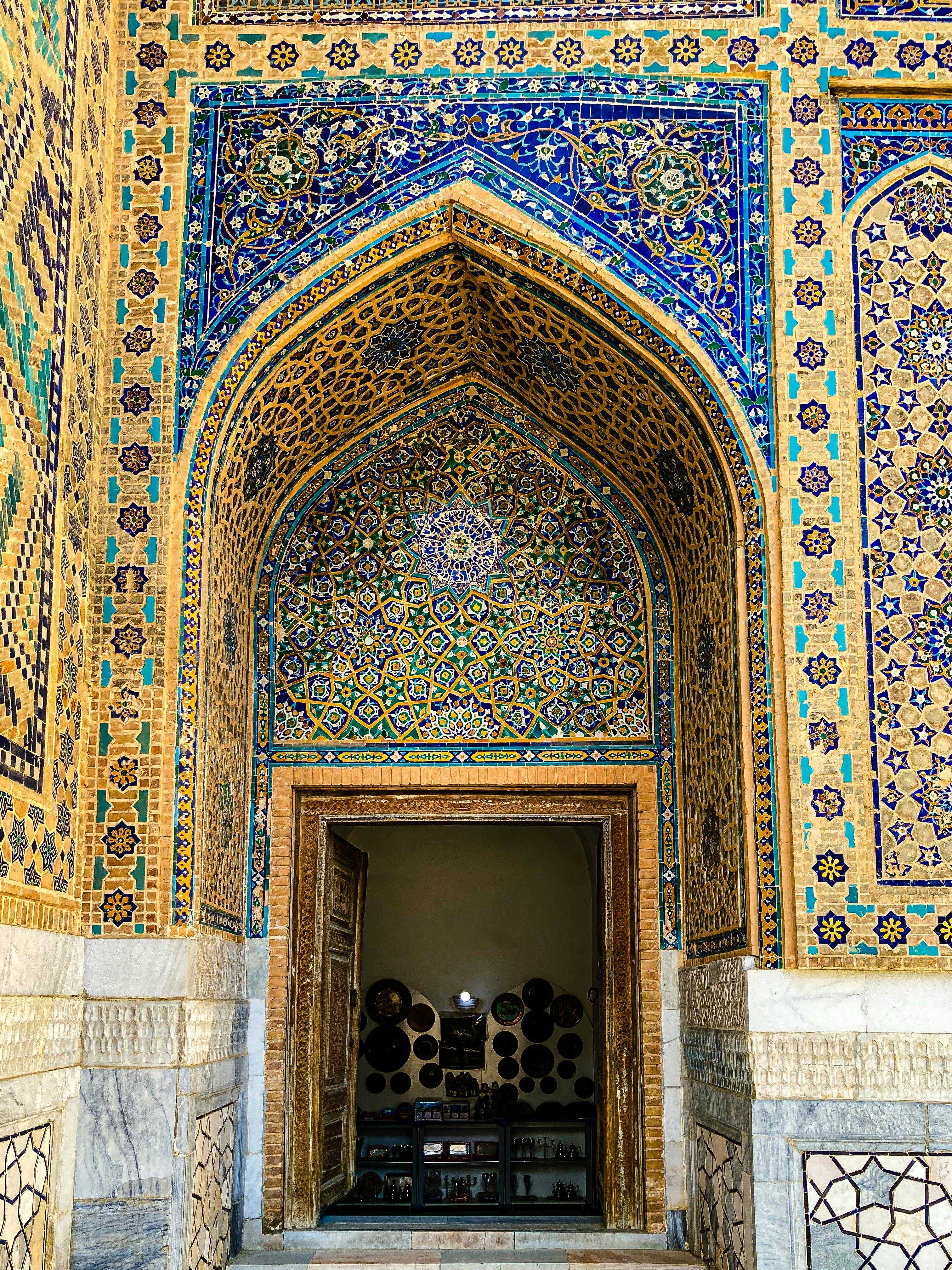
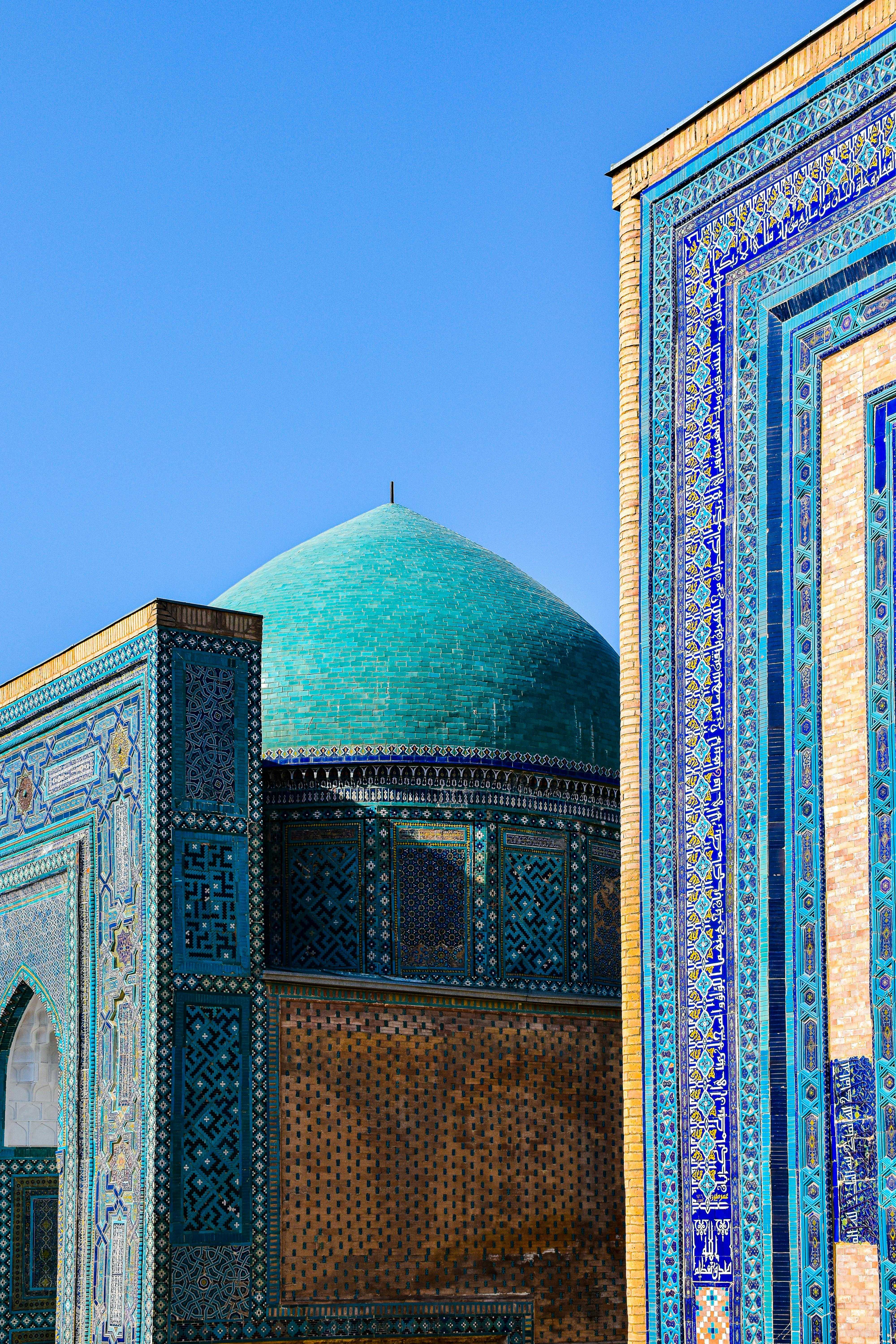
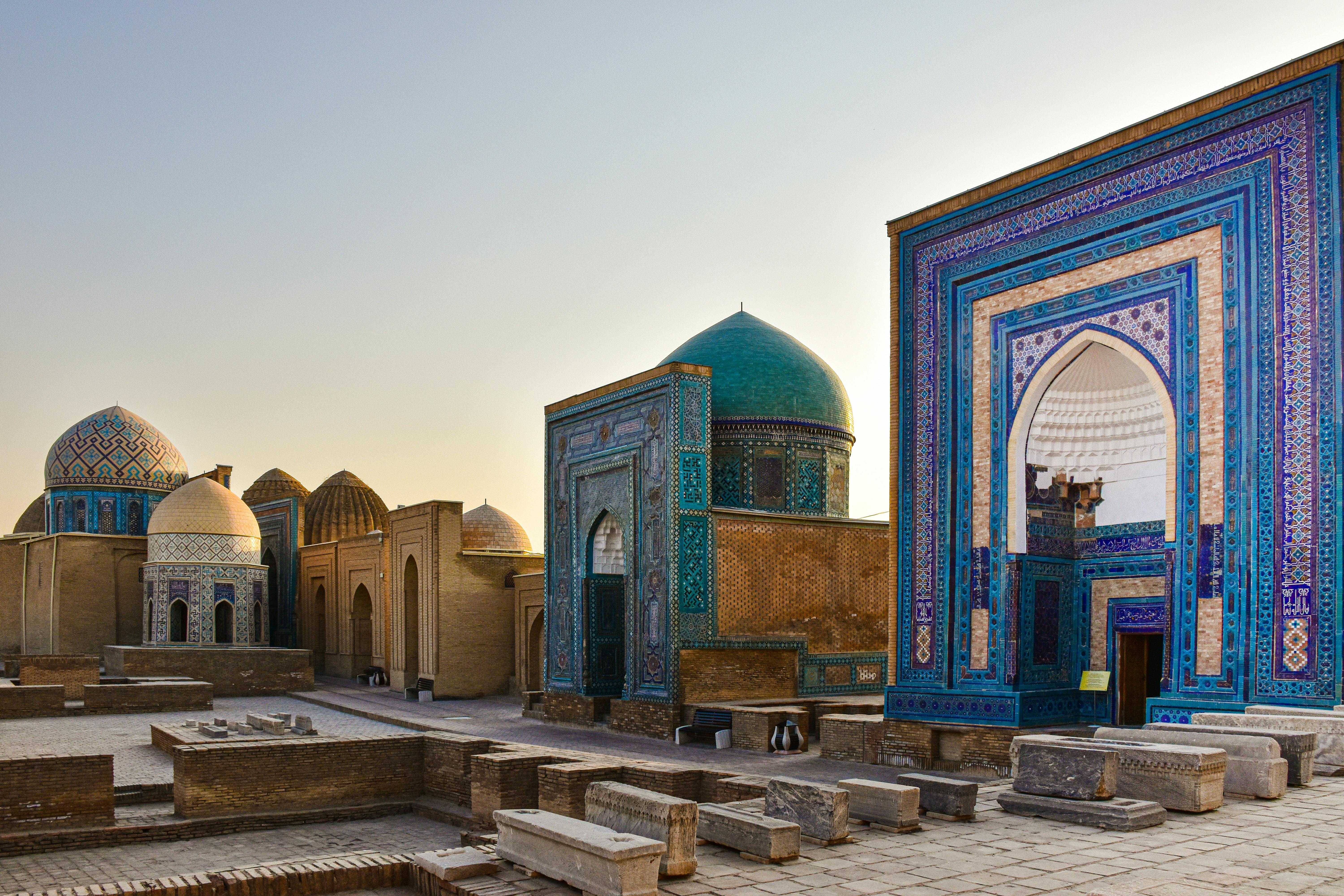
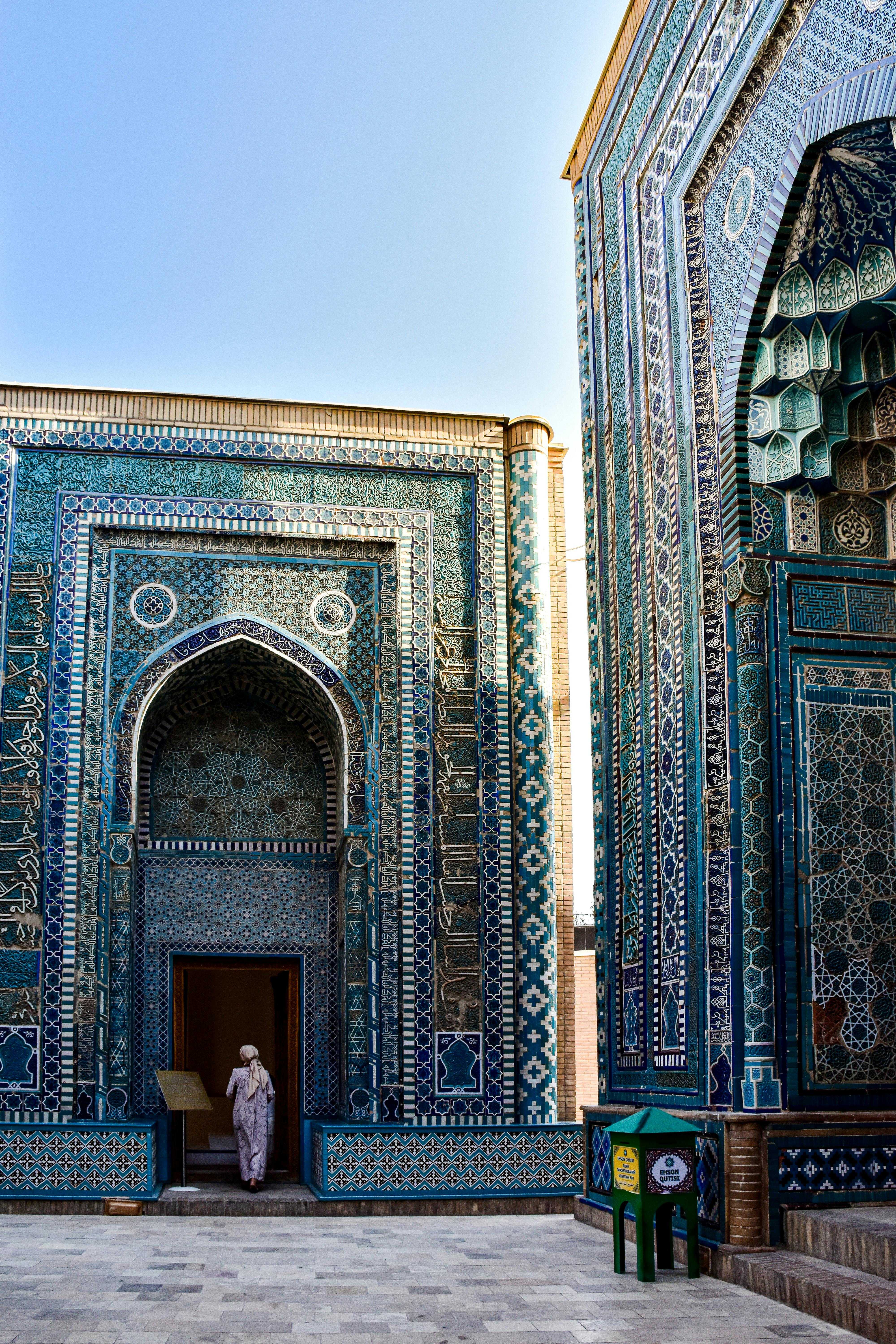
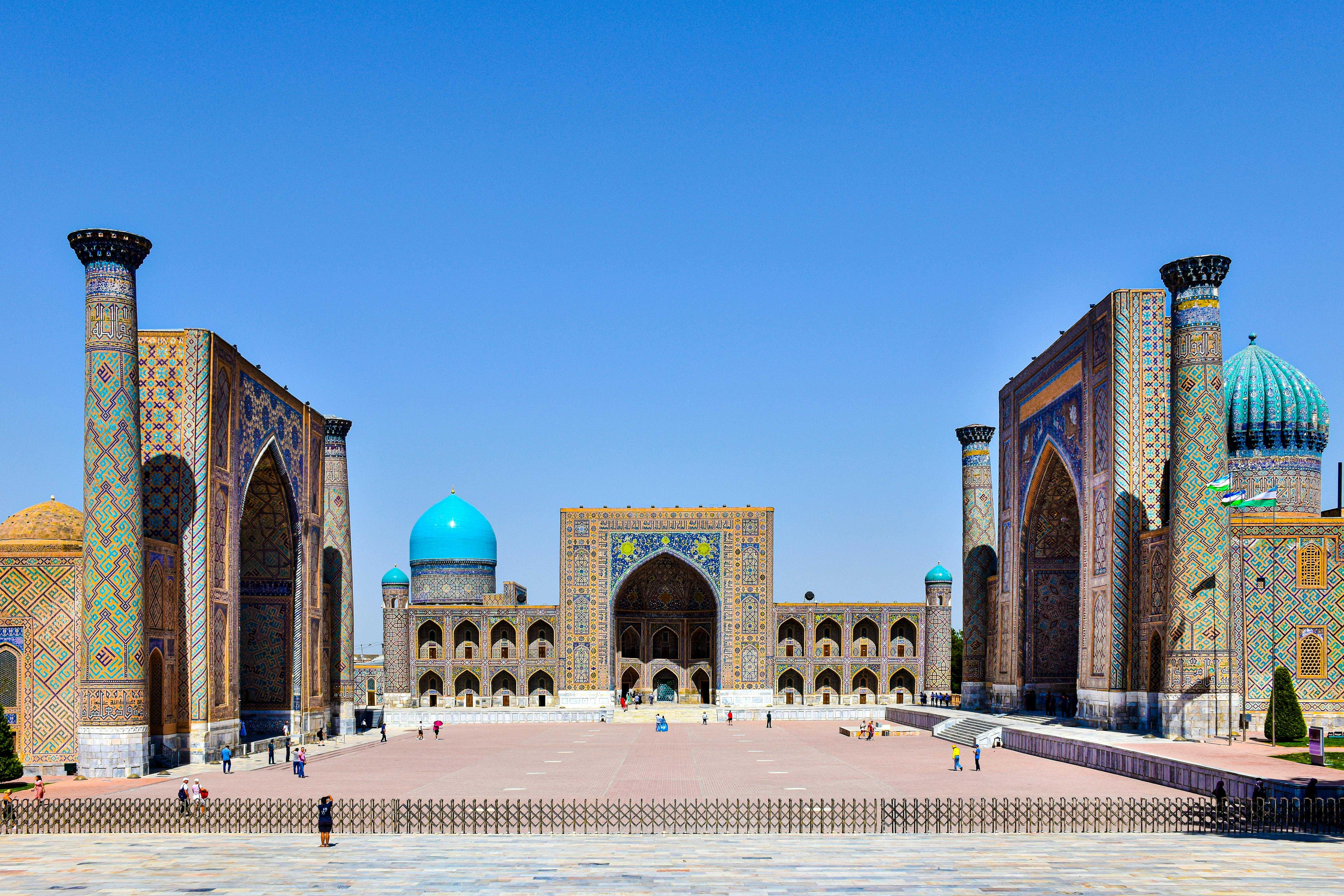
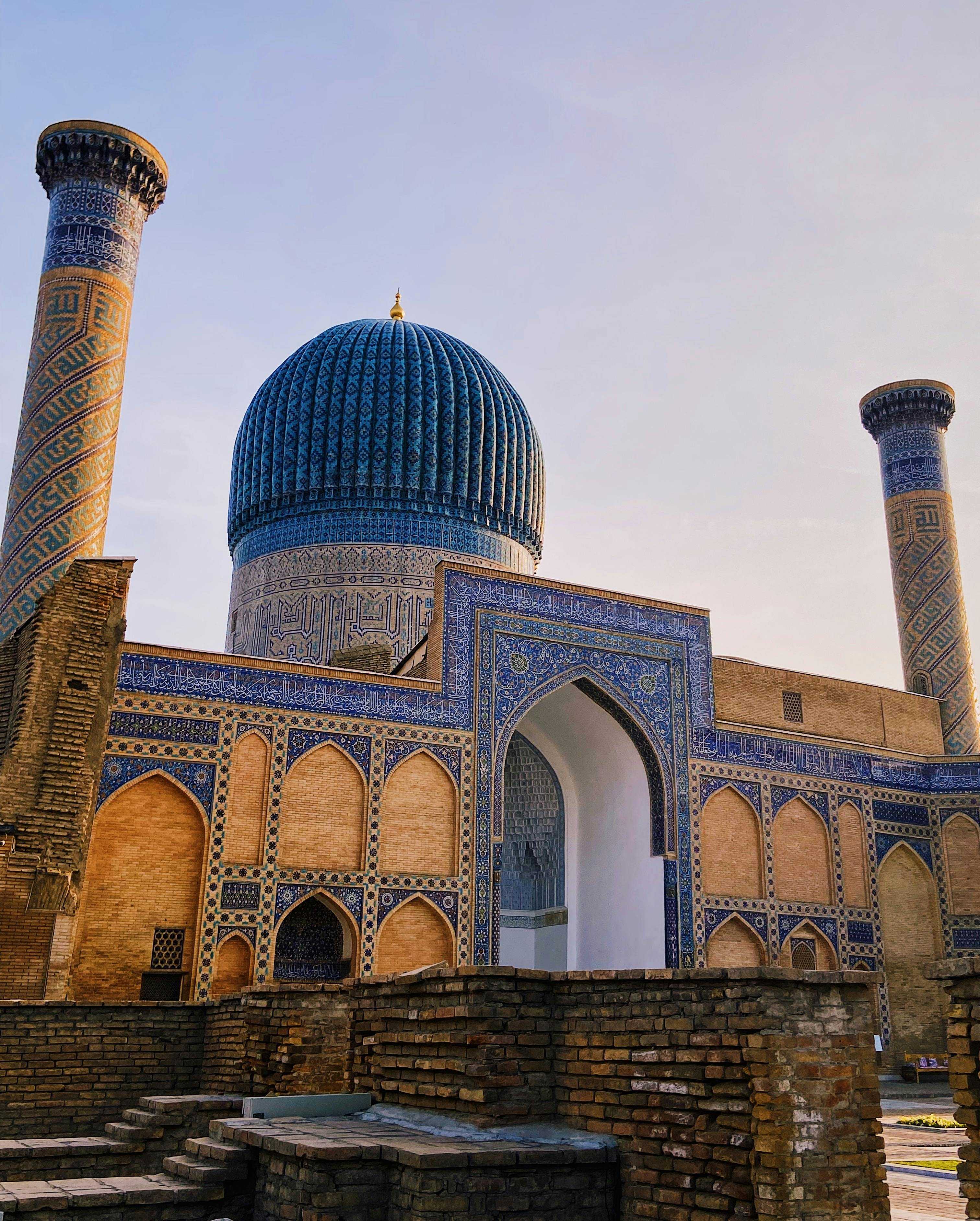
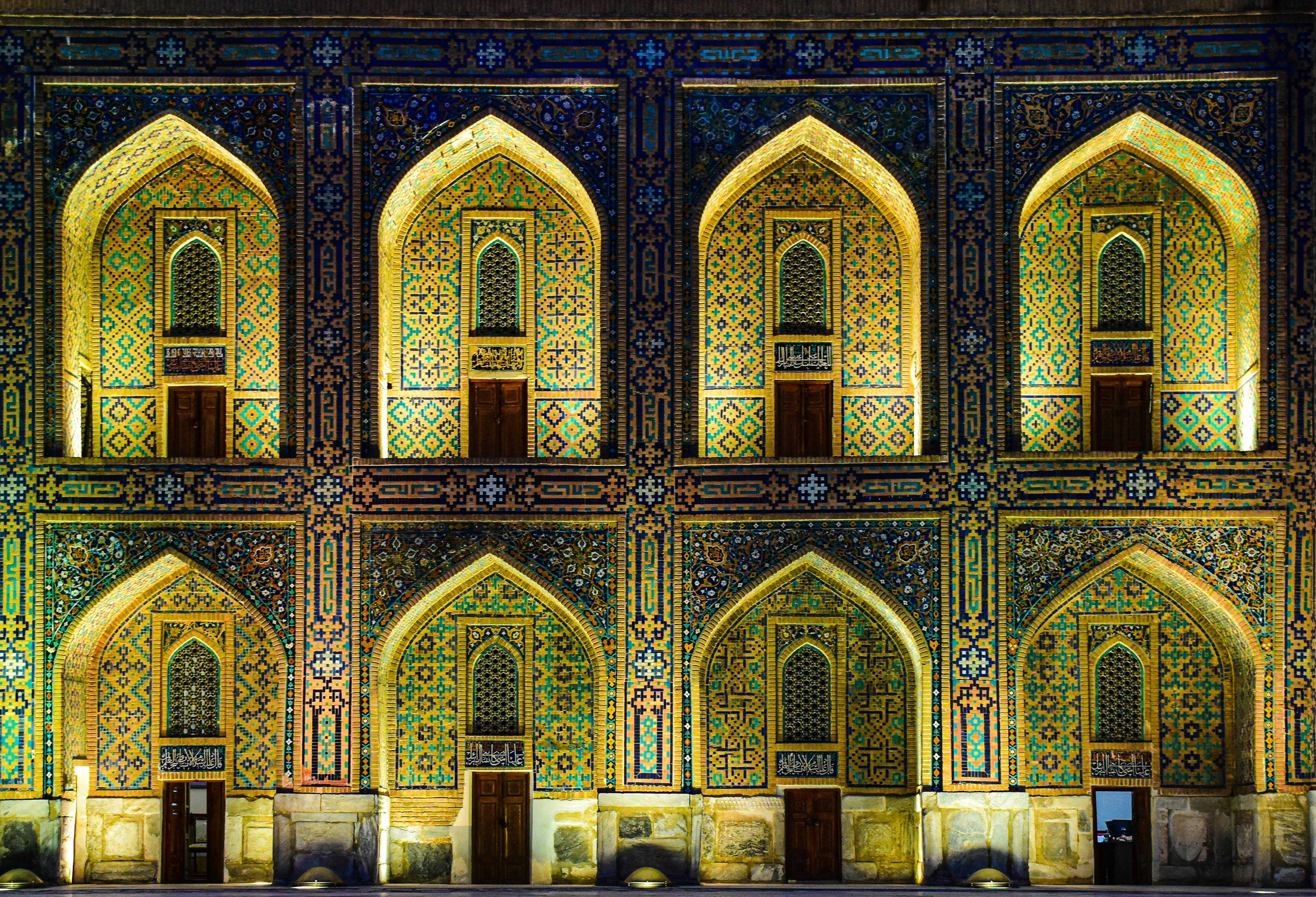
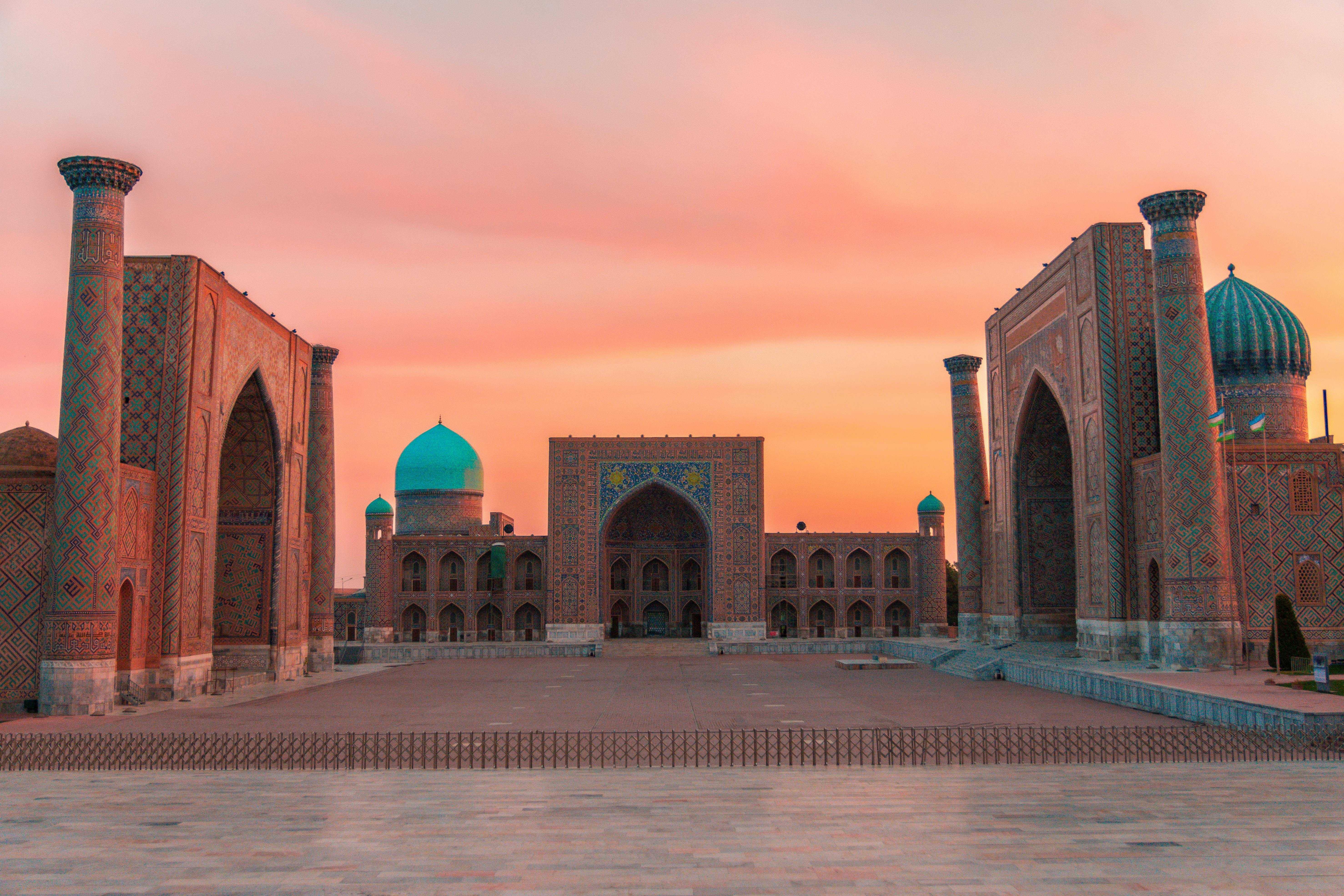
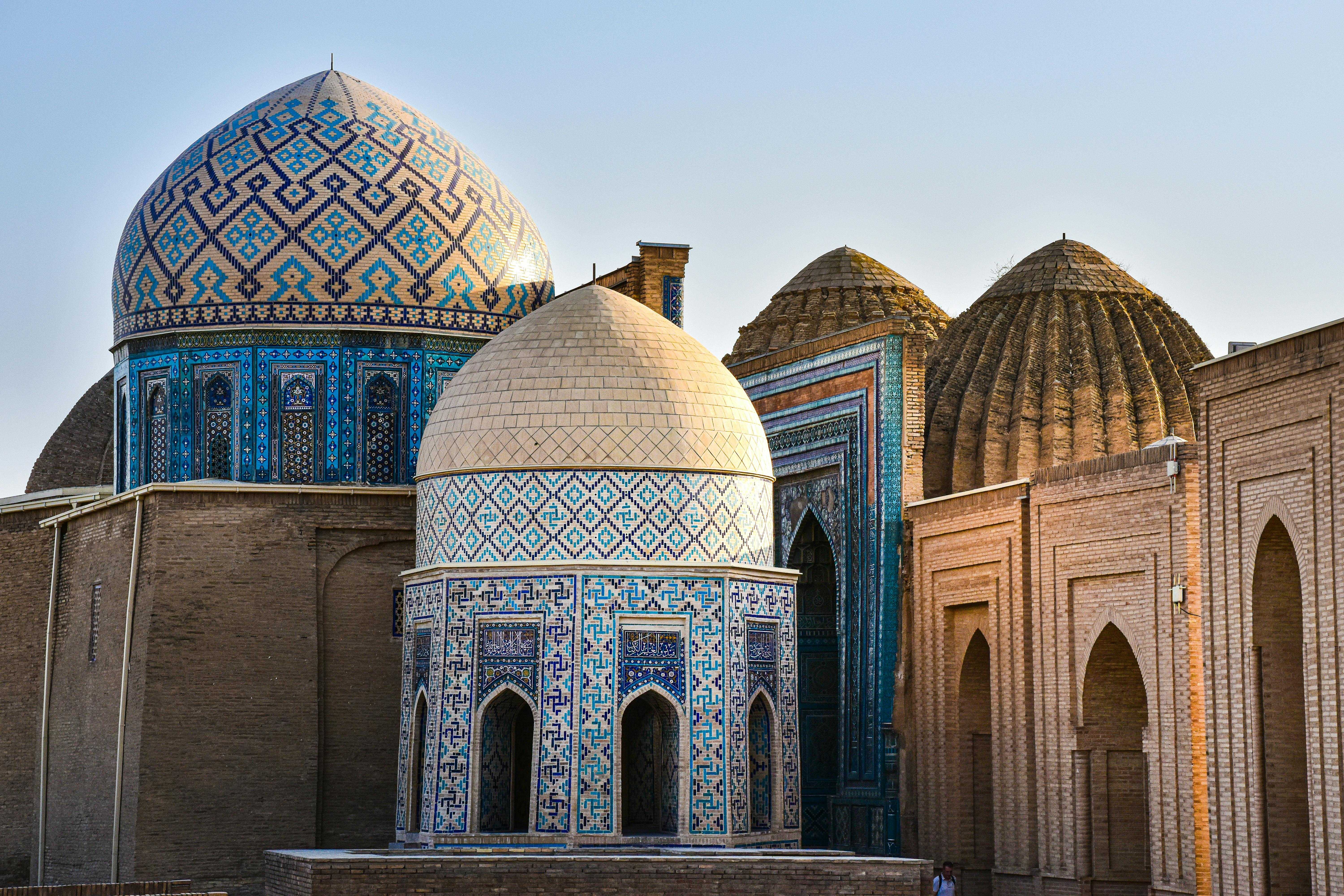
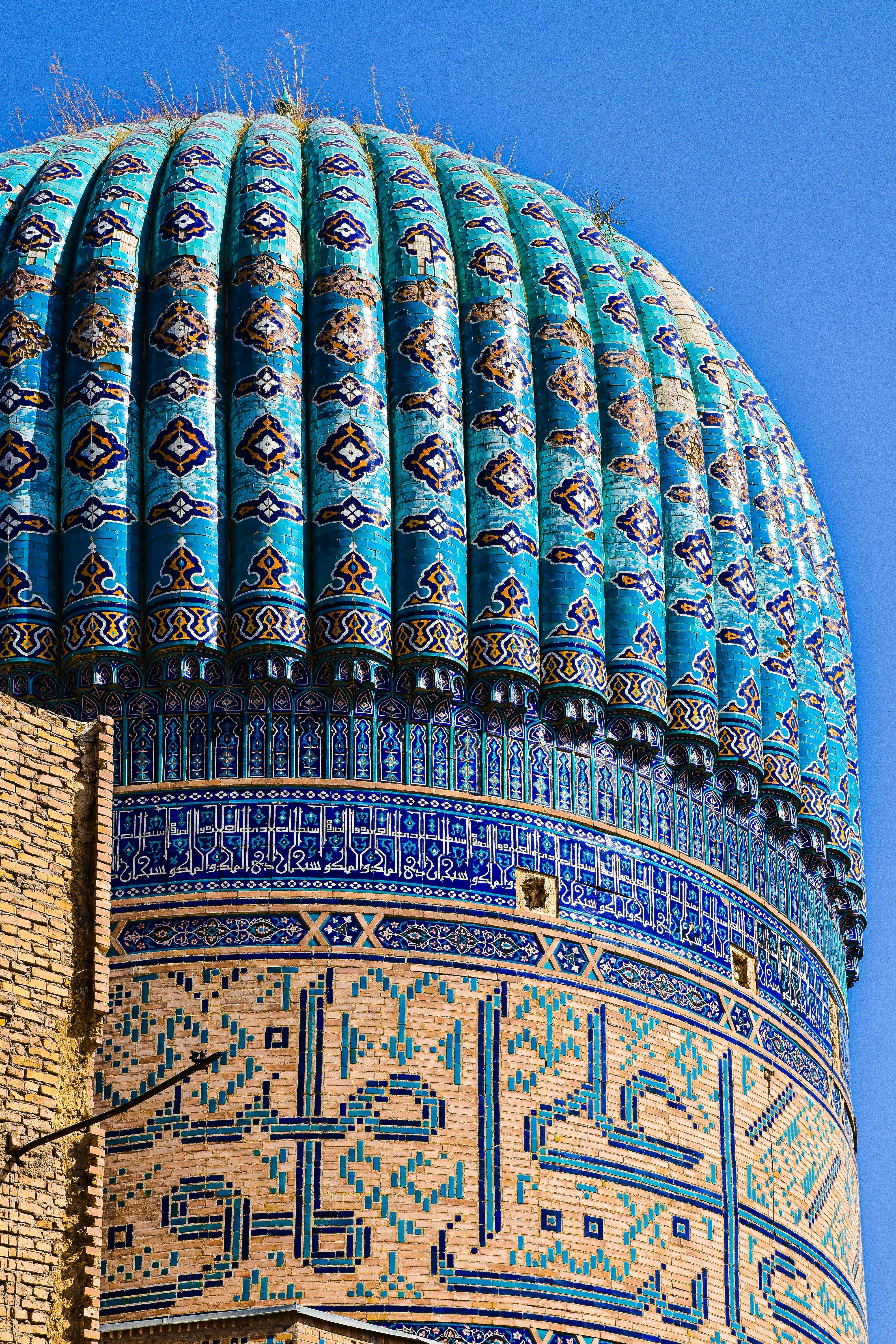
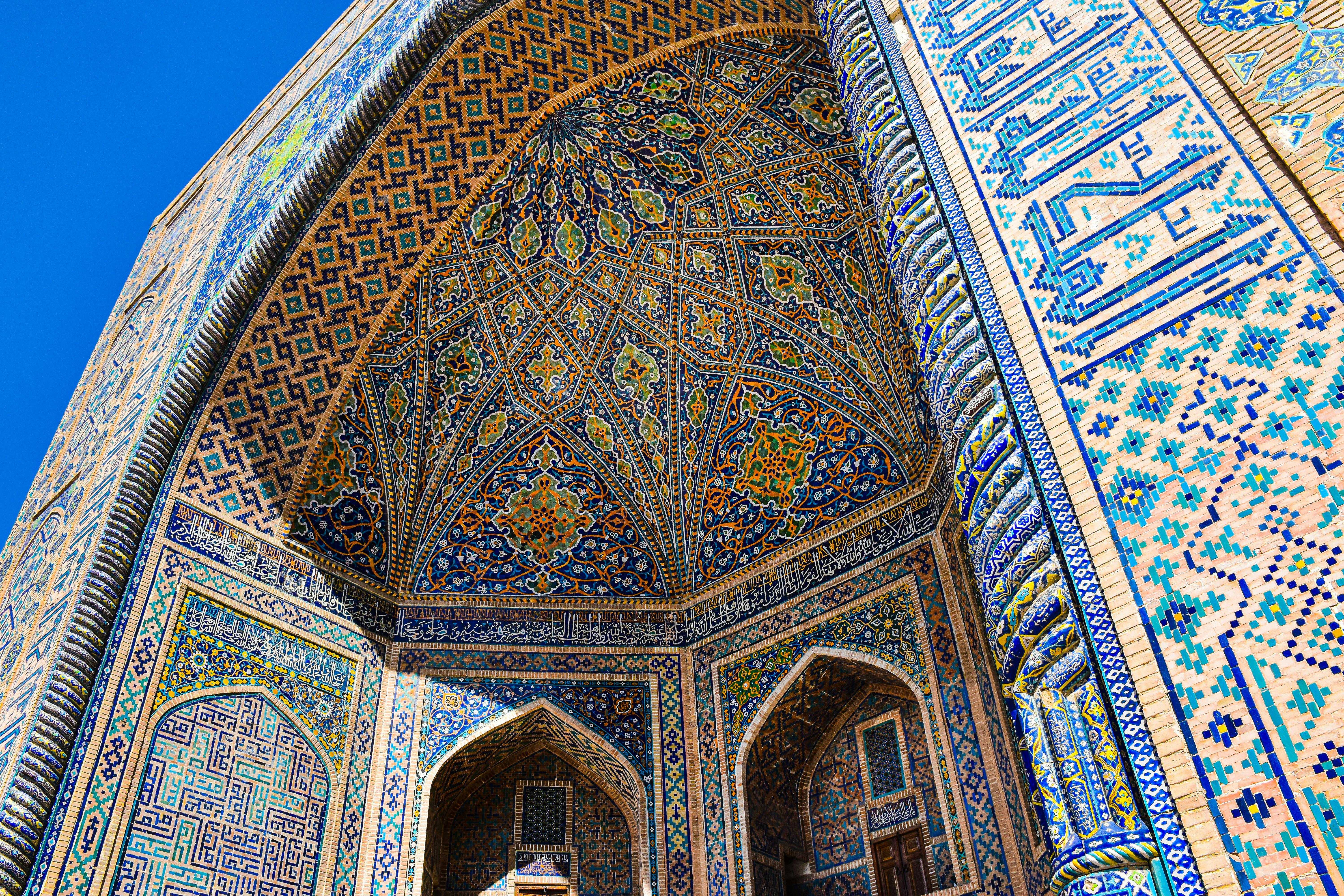
Architectural wonders: Samarqand is known for its stunning Islamic architecture, with many beautiful buildings and monuments dating back to the Timurid dynasty in the 14th and 15th centuries. The Registan Square, Shah-i-Zinda necropolis, and Bibi-Khanym Mosque are just a few examples of the city's architectural treasures.
-
Cultural diversity: Samarqand has been influenced by various cultures and civilizations over the centuries, resulting in a rich and diverse cultural heritage. Visitors can experience a blend of Persian, Turkish, Arabic, and Central Asian influences in the city's art, music, and cuisine.
-
Vibrant markets: Samarqand is home to bustling bazaars where visitors can shop for traditional crafts, textiles, spices, and other local products. The markets offer a glimpse into daily life in Uzbekistan and are a great place to interact with locals and learn about the region's traditions.
-
Hospitality: Uzbek people are known for their warmth and hospitality, and visitors to Samarqand can expect to be welcomed with open arms. Staying in a traditional guesthouse or homestay can provide an authentic cultural experience and a chance to connect with local families.
Overall, traveling to Samarqand offers a unique opportunity to explore a city with a rich history, stunning architecture, and vibrant cultural scene. It is a destination that will appeal to history buffs, architecture enthusiasts, and anyone looking to immerse themselves in the beauty and diversity of Central Asia.
What to know
Traveling to Samarqand, Uzbekistan can have some cons, although it is a beautiful and historically significant city. Here are some potential drawbacks to consider:
-
Distance: Samarqand is located in Central Asia, which may make it a bit far and challenging to reach for some travelers. It may involve long flights and possibly multiple layovers, depending on your starting location.
-
Language Barrier: While some people in Samarqand may speak English, the primary language is Uzbek, and Russian is also commonly spoken. Communication may be a challenge if you are not familiar with these languages.
-
Culture Shock: The culture and customs in Samarqand may be different from what you are used to, particularly if you are coming from a Western country. It's essential to be respectful of local traditions and practices.
-
Weather: Samarqand experiences extreme temperatures, with very hot summers and cold winters. Depending on when you visit, you may need to prepare for these weather conditions.
-
Tourist Crowds: Samarqand is a popular tourist destination, especially for its historical sites such as Registan Square and Shah-i-Zinda. During peak tourist seasons, these places can get crowded, which might take away from the experience.
-
Health Concerns: As with any travel destination, it's essential to be aware of potential health risks such as food and water safety, as well as any necessary vaccinations before visiting Samarqand.
Overall, while Samarqand is a fascinating and beautiful city with a rich history, it's essential to be prepared for the potential challenges that come with traveling to this destination.