
Saarland
State · Germany

Saarland

Saarland, Germany

Discover the Hidden Gem of Germany: Saarland Nestled in the southwest corner of Germany, bordering France and Luxembourg, Saarland is a region of…

#Germany#Saarland#Western Germany#Bordering France#Rich history

Explore Saarland

Top cities in Saarland

Pick a city to open its guide.

See it for yourself

Location videos

Reels and longer watches.

Featured for Saarland

Traveller clips picked out for this place.

Watch & explore

Good to know

Practical info

Weather, costs and getting around.

Saarland, Germany Open in Google Maps
Currency
€ | EUR | Euro
Population
The approximate estimated total population of Saarland, Germany is 0.9 million.
Languages
German mainly · French
Also known as
Saarland, Germany

Know before you go

Local guide

A deeper read on Saarland.

What people love

Saarland, located in southwestern Germany, offers several unique attractions and experiences for travelers. Here are some pros of traveling to Saarland:

  1. Rich History: Saarland has a fascinating history, with influences from both German and French cultures due to its proximity to the French border. Visitors can explore historic sites such as the Saarbrücken Castle, Völklinger Hütte (a UNESCO World Heritage Site), and the Saarlouis Fortress.

  2. Scenic Countryside: The region is known for its picturesque countryside, including lush forests, rolling hills, and charming villages. Outdoor enthusiasts can enjoy hiking, cycling, and nature walks in the Saar-Hunsrück Nature Park or along the Saar River.

  3. Culinary Delights: Saarland is renowned for its delicious cuisine, which combines traditional German flavors with French influences. Visitors can savor local specialties such as Dibbelabbes (a potato dish), Schwenker (grilled pork), and Saarland wines.

  4. Cultural Events: Saarland hosts various cultural events throughout the year, including music festivals, art exhibitions, and traditional folk celebrations. The region also has a vibrant arts scene, with museums, galleries, and theaters showcasing local talent.

  5. Convenient Location: Saarland is well-connected to major cities such as Frankfurt, Cologne, and Paris, making it a convenient base for exploring the surrounding areas. The region is also easily accessible by train, bus, and car.

Overall, traveling to Saarland offers a unique blend of history, nature, culture, and culinary delights that are sure to appeal to a wide range of travelers.

What to know

Saarland, located in Germany, is a relatively small state known for its beautiful landscapes, rich history, and unique culture. However, like any travel destination, there are some potential drawbacks to consider when visiting Saarland:

  1. Limited Tourist Attractions: Saarland is not as popular as other regions in Germany like Bavaria or Berlin, which means it may have fewer tourist attractions and activities compared to other destinations.

  2. Language Barrier: While many people in Saarland speak German, some may not be fluent in English. This language barrier could pose a challenge for English-speaking travelers, especially when trying to communicate with locals or seek assistance.

  3. Weather: Saarland's weather can be unpredictable, with rainy and cloudy days being common. Be prepared for potential inclement weather during your visit.

  4. Limited Public Transportation: While Saarland does have a public transportation system, it may not be as extensive or efficient as in larger cities. Renting a car may be necessary to explore the region fully.

  5. Higher Cost of Living: As a developed region in Germany, Saarland may have a higher cost of living compared to other destinations. Travelers should budget accordingly for accommodations, dining, and activities.

Overall, while Saarland offers a unique experience with its picturesque landscapes and rich history, travelers should be aware of these potential drawbacks before planning their trip.

Saarland, a small federal state in southwestern Germany, has a unique and complex history shaped by its strategic location and mineral resources. Here’s an overview of its historical development, key figures, and landmarks:

Early History

  • Prehistoric and Roman Times: The region was inhabited since prehistoric times. Under Roman rule, it was part of the province of Gallia Belgica, and remnants of Roman settlements, such as the Villa Borg, can still be seen today.
  • Middle Ages: During the medieval period, Saarland was fragmented into various small territories and states, often ruled by local counts and bishops.

The Industrial Era

  • 19th Century: Saarland’s abundant coal deposits became a key driver of industrialization in the 19th century, aligning its economic interests with those of the emerging industries in the Ruhr Valley.

20th Century

  • Post-WWI: After World War I, the Treaty of Versailles placed the Saar Basin under the administration of the League of Nations, with France controlling its coal mines. This arrangement was intended to be temporary, lasting until a plebiscite could determine its future.
  • 1935 Plebiscite: A plebiscite was held in 1935, and the majority of Saarlanders voted to rejoin Germany rather than remain under League control or unify with France.
  • Post-WWII: After World War II, Saarland was separated from Germany and came under French economic control. It was treated as an autonomous territory with a separate currency and customs union with France.
  • Saar Statute and Referendum (1955): A proposed European status under a protectorate was put to a referendum in 1955, but the Saarlanders rejected it.
  • Saarland's Return to Germany (1957): Saarland rejoined West Germany on January 1, 1957, following negotiations between Germany and France, which is celebrated as "Saarland Day."

Modern Era

  • Economic and Cultural Development: Today, Saarland is known for its cultural diversity and strong economic ties with France. It is a center for automotive and steel industries, as well as research and education, with institutions like Saarland University.

Key Historical Figures

  • Johannes Hoffmann: Saarland’s first Minister-President after WWII, Hoffmann played a significant role in Saarland’s political landscape during its time under French control.
  • Oskar Lafontaine: A prominent politician from Saarland, Lafontaine has been influential in both state and national politics, serving as Minister-President of Saarland and later as a leading figure in the Social Democratic Party (SPD).

Important Landmarks

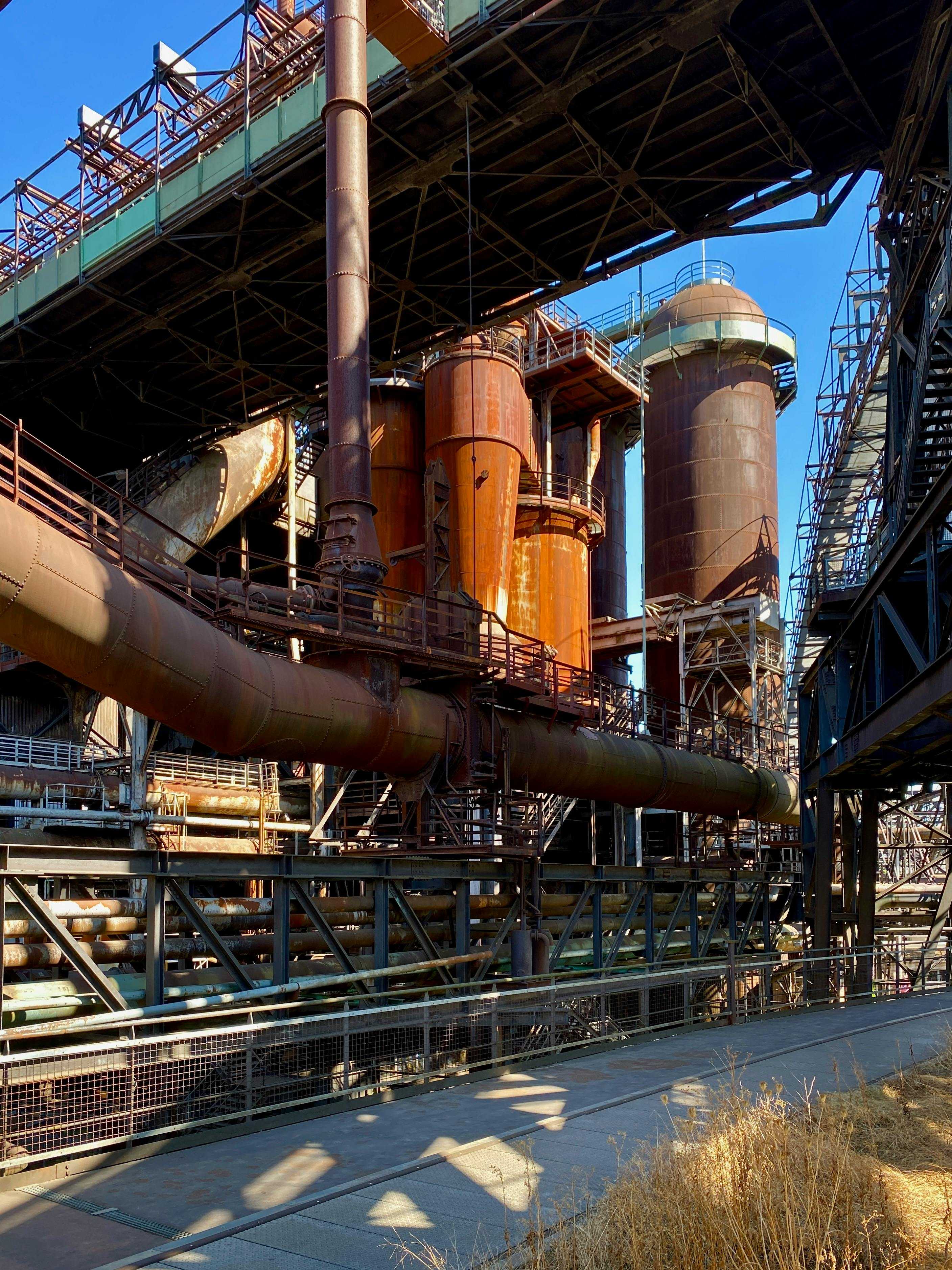
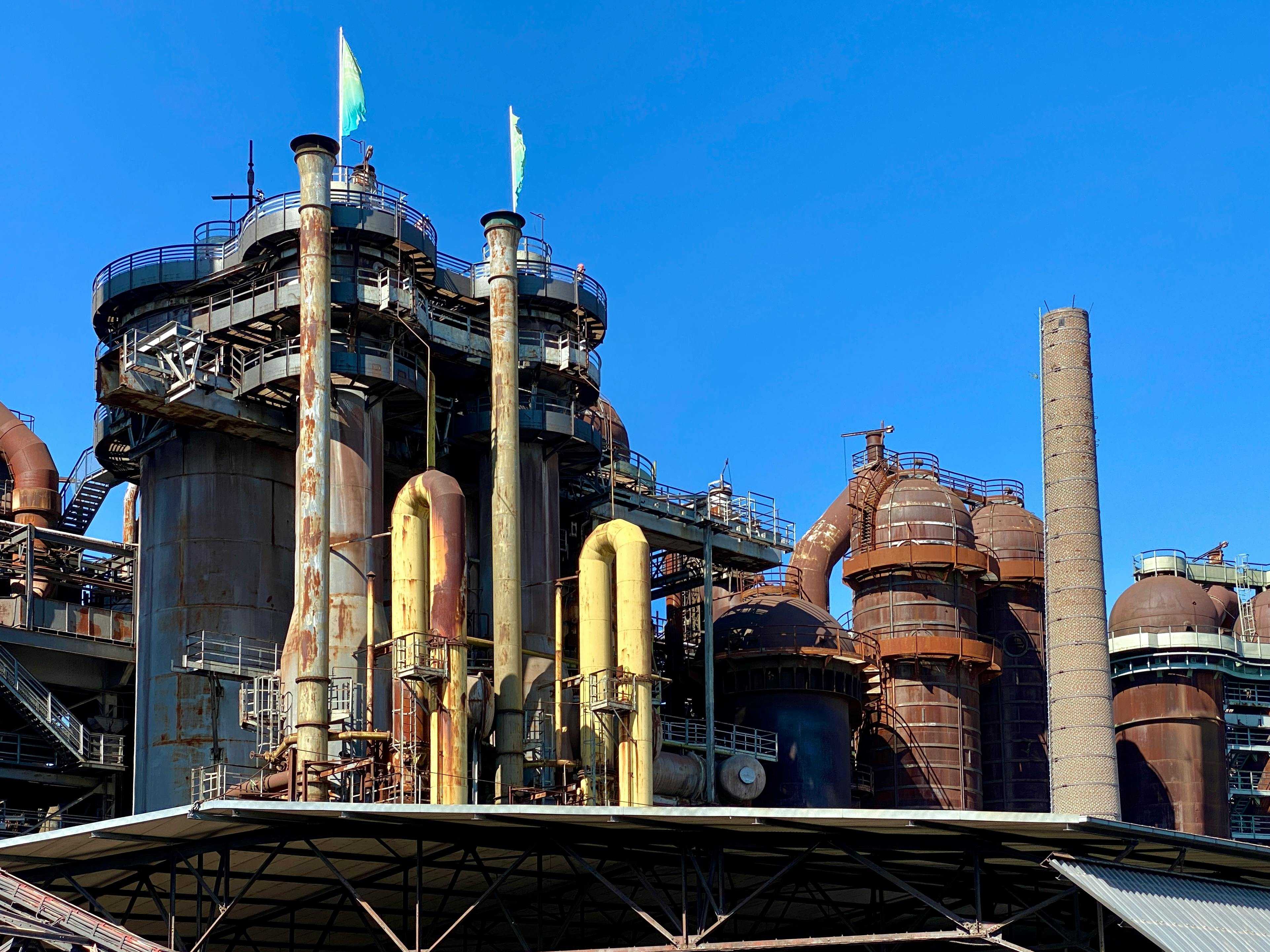
  • Völklingen Ironworks: A UNESCO World Heritage Site, the Völklingen Ironworks is a testament to Saarland's industrial heritage and is one of the best-preserved 19th-century ironworks in Europe.
  • Saarbrücken Castle: Located in the state capital, this castle has historical roots dating back to the medieval period and has been rebuilt and modified over the centuries.
  • Saarland Museum: This museum in Saarbrücken houses important art collections and exhibits, including works from the 19th and 20th centuries.

Saarland’s history is a tapestry of geopolitical shifts, industrial growth, and cultural influences, reflecting its role as a borderland between France and Germany.