
Rutland
· GB

Rutland

Rutland, United Kingdom

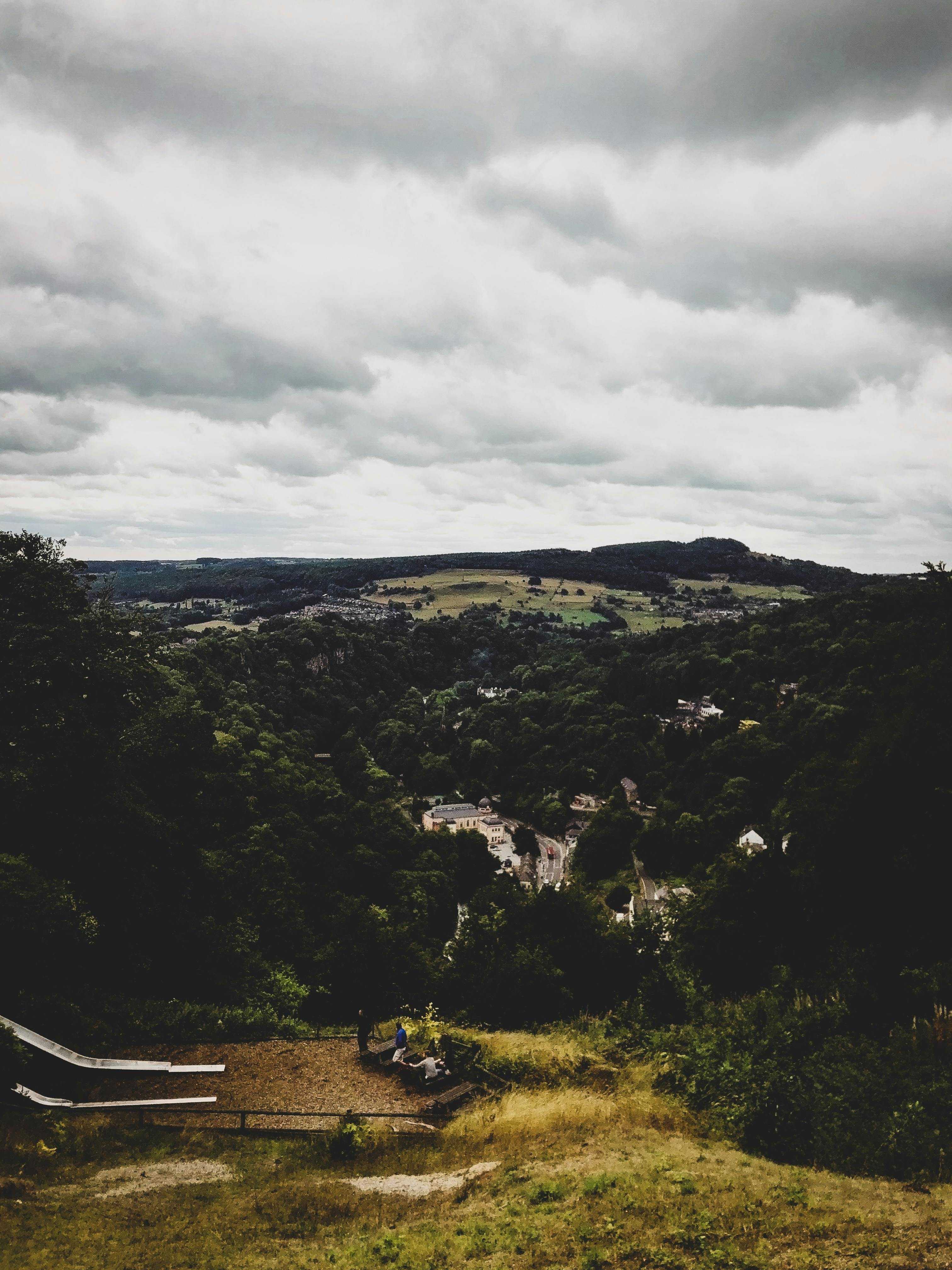
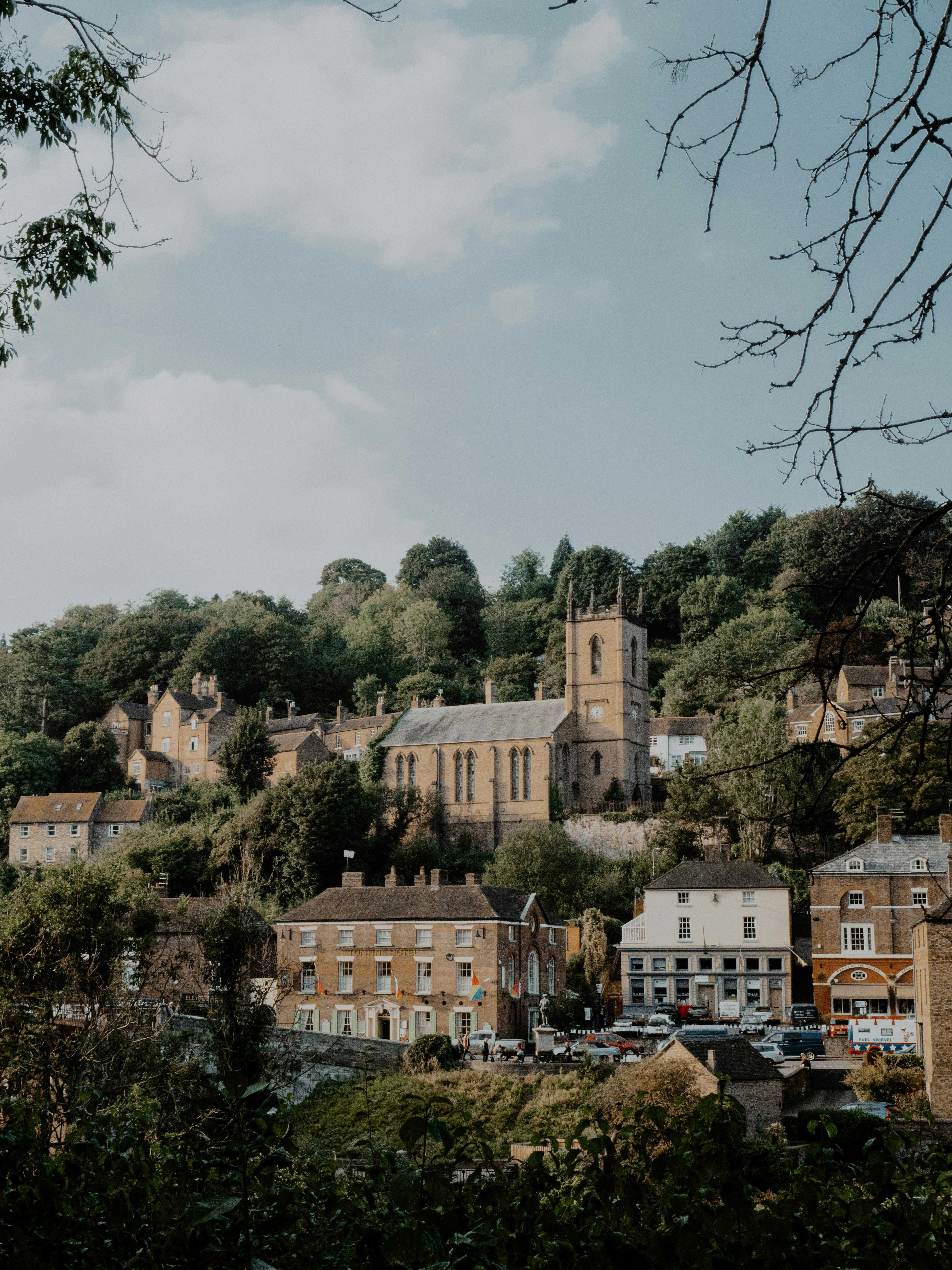
Rutland, located in the heart of the United Kingdom, is a hidden gem waiting to be discovered by tourists seeking a peaceful and picturesque getaway. As England's smallest historic county, Rutland boasts a unique charm t…

#Rural#Historic#Quaint#Countryside#East Midlands
1/2

Top hotels & flights

Hand-picked stays and the best fares into Rutland.

Top Hotels in Rutland

Top Flights to Rutland

Popular activities

Tours, tickets and experiences travelers book most in Rutland.

Tours

Rutland Water Nature Reserve

Explore one of the largest artificial lakes in Europe, perfect for bird watching and leisurely walks.

Oakham Castle

A Norman castle with one of the best preserved great halls in England, featuring unique ceremonial horseshoes.

Barnsdale Gardens

A collection of 38 gardens in an eight-acre park, showcasing various gardening styles and themes.

Normanton Church

A partially submerged church standing as a museum in Rutland Water, offering picturesque views.

Rockingham Castle

A historic castle with stunning views over the Welland Valley, offering tours, gardens, and tea room.

Shopping

Uppingham Market

Browse a variety of stalls offering local produce, crafts, and antiques in a charming market town.

Rutland Cycling

A cycling shop offering a wide range of bikes and accessories, along with rental services for exploring Rutland Water.

Outdoor

Rutland Open Air Theatre

Experience outdoor theater performances in a beautiful natural setting at Tolethorpe Hall.

Egleton Nature Reserve

A tranquil area perfect for bird watchers and nature lovers, part of the Rutland Water complex.

Rutland Falconry and Owl Centre

Unique experiences with various birds of prey, offering flying displays and owl encounters.

Location videos

Real reels from travelers, plus longer watches to get the full picture.

From travelers
Watch & explore

Practical info

The essentials for planning your time in Rutland.

Currency
£ | GBP | Pound Sterling
Population
The estimated total population of Rutland, United Kingdom, is approximately '0.04 million'.
Languages
English, English

Local guide

What travelers love, what to watch for, and a deeper read on Rutland.

What people love

Traveling to Rutland in the United Kingdom can offer a variety of appealing experiences. Here are some of the pros of visiting Rutland:

  1. Natural Beauty: Rutland is renowned for its stunning natural landscapes, including the scenic Rutland Water, one of the largest artificial lakes in Europe. It's a great spot for birdwatching, walking, cycling, and water sports like sailing and kayaking.

  2. Quaint Villages: The county is dotted with charming villages and market towns, such as Oakham and Uppingham, which offer traditional English architecture, boutique shops, and cozy cafes and pubs.

  3. Rich History: The area is rich in history, with attractions like Oakham Castle, known for its collection of ceremonial horseshoes, and the Normanton Church, which is an iconic site often photographed at Rutland Water.

  4. Cultural Events: Rutland hosts a variety of cultural events and festivals throughout the year, offering visitors a taste of local traditions and community spirit.

  5. Local Cuisine: The region is known for its local produce and has a burgeoning food scene. Visitors can enjoy farm-to-table dining experiences, farmers' markets, and local specialties such as Rutland bitter, a traditional ale.

  6. Outdoor Activities: Beyond Rutland Water, the rolling countryside provides excellent opportunities for hiking, cycling, and exploring the great outdoors.

  7. Peaceful Retreat: As England's smallest county, Rutland offers a peaceful and less crowded alternative to more tourist-heavy destinations, making it ideal for those seeking relaxation and tranquility.

Overall, Rutland provides a blend of natural beauty, historical interest, and rural charm, making it an attractive destination for travelers looking to explore England's countryside.

What to know

Rutland, located in the United Kingdom, is a beautiful and charming county known for its picturesque villages, stunning countryside, and historic sites. While there are many positives to traveling to Rutland, there are a few potential cons to consider as well:

  1. Limited public transportation: Rutland is a rural area with limited public transportation options. While there are bus services available, they may not be as frequent or convenient as in larger cities. This can make getting around the area more challenging, especially if you do not have access to a car.

  2. Limited nightlife and entertainment options: Rutland is a quiet and peaceful county, which may not appeal to travelers looking for a vibrant nightlife scene or a wide range of entertainment options. If you are seeking lively bars, nightclubs, or cultural events, you may find Rutland lacking in these areas.

  3. Limited shopping opportunities: Rutland is not known for its shopping options, with fewer retail outlets and shopping centers compared to larger cities. If shopping is an important part of your travel experience, you may find the choices in Rutland to be limited.

  4. Seasonal weather: Like much of the United Kingdom, Rutland can experience unpredictable weather, including rain and cooler temperatures. If you prefer consistent sunny weather for your travels, Rutland's climate may not be ideal for you.

Overall, while Rutland offers a peaceful and scenic setting for travelers seeking a relaxing getaway, it may not be the best destination for those looking for a bustling city atmosphere or a wide range of amenities and activities.

Rutland is a historic county located in the East Midlands of England, United Kingdom. Despite being the smallest historic county in England, it has a rich history characterized by its own unique events, figures, and landmarks.

Early History

  • Prehistoric and Roman Era: Rutland has evidence of prehistoric settlements, with archaeological finds indicating human activity dating back to the Mesolithic period. During the Roman era, the area was of some significance, with a Roman road, now known as the Fosse Way, traversing the region and linking Exeter to Lincoln. Numerous Roman artifacts and villas have been discovered, indicating Roman settlement.

Medieval Period

  • Anglo-Saxon and Norman Influence: During the Anglo-Saxon period, Rutland was part of the kingdom of Mercia. The Domesday Book of 1086 records Rutland as a separate county, the smallest in England.
  • Norman Conquest: Post-Conquest, the county was granted to the Count of Mortain, a half-brother of William the Conqueror. The Normans established several manors and churches, many of which still influence the region's layout today.

Significant Historical Figures

  • Thomas Cecil, 1st Earl of Exeter: A prominent figure in Rutland's history, he was responsible for much of the development in the region during the late 16th and early 17th centuries.
  • Daniel Lambert: Born in Leicester but associated with Rutland, Lambert was known as the heaviest man in England during the early 19th century. His association with the area adds a unique character to its history.

Important Landmarks

  • Oakham Castle: Dating back to the late 12th century, Oakham Castle is one of the finest examples of Norman domestic architecture in England. It is famous for its collection of ceremonial horseshoes, a tradition that continues today.
  • Rutland Water: Created in the 1970s, Rutland Water is one of the largest artificial lakes in Europe. It serves as a nature reserve and a hub for outdoor activities, significantly contributing to local tourism.
  • Normanton Church: Located on the southern shore of Rutland Water, this deconsecrated church is a striking landmark, partially submerged due to the creation of the reservoir.
  • Barnsdale Gardens: Developed by Geoff Hamilton for the BBC television series "Gardener's World," these gardens are a testament to Rutland's horticultural heritage.

Modern History

  • 20th Century Developments: Rutland has retained its rural character despite modernization pressures. It was merged with Leicestershire in 1974 but regained its status as a separate administrative county in 1997.
  • Cultural and Economic Impact: The county is known for its traditional English countryside, attracting tourists and supporting a thriving agricultural economy.

Rutland continues to maintain its charm and historical significance, with its picturesque landscapes and notable architectural and natural landmarks contributing to its unique identity within the United Kingdom.