Rogaland
· NO

Rogaland

Rogaland, Norway

Embrace the Dramatic Beauty of Rogaland, Norway Rugged mountains plunging into deep fjords, charming villages clinging to rocky shores, and a history etched in Viking legend - this is Rogaland, a region in southwest Norw…

#Scenic landscapes#Coastal region#Outdoor activities#Norwegian culture#Historic landmarks
1/13

Top hotels & flights

Hand-picked stays and the best fares into Rogaland.

Top Hotels in Rogaland

Top Flights to Rogaland

Popular activities

Tours, tickets and experiences travelers book most in Rogaland.

Tours

Pulpit Rock (Preikestolen)

A popular cliff offering stunning views over the Lysefjord.

Stavanger Old Town

Charming old wooden houses and cobblestone streets in Stavanger.

Flor & Fjære

A beautiful island garden near Stavanger offering guided tours.

Outdoor

Kjeragbolten

A boulder wedged in the Kjerag mountain, popular for photos.

Location videos

Real reels from travelers, plus longer watches to get the full picture.

Watch & explore

Practical info

The essentials for planning your time in Rogaland.

Currency
kr | NOK | Norwegian Krone
Population
The approximate estimated total population of Rogaland, Norway is '0.5 million'.
Languages
Norwegian, Norwegian

Local guide

What travelers love, what to watch for, and a deeper read on Rogaland.

What people love

Rogaland, located in Norway, offers a wide range of attractions and experiences for travelers. Some of the pros of traveling to Rogaland include:

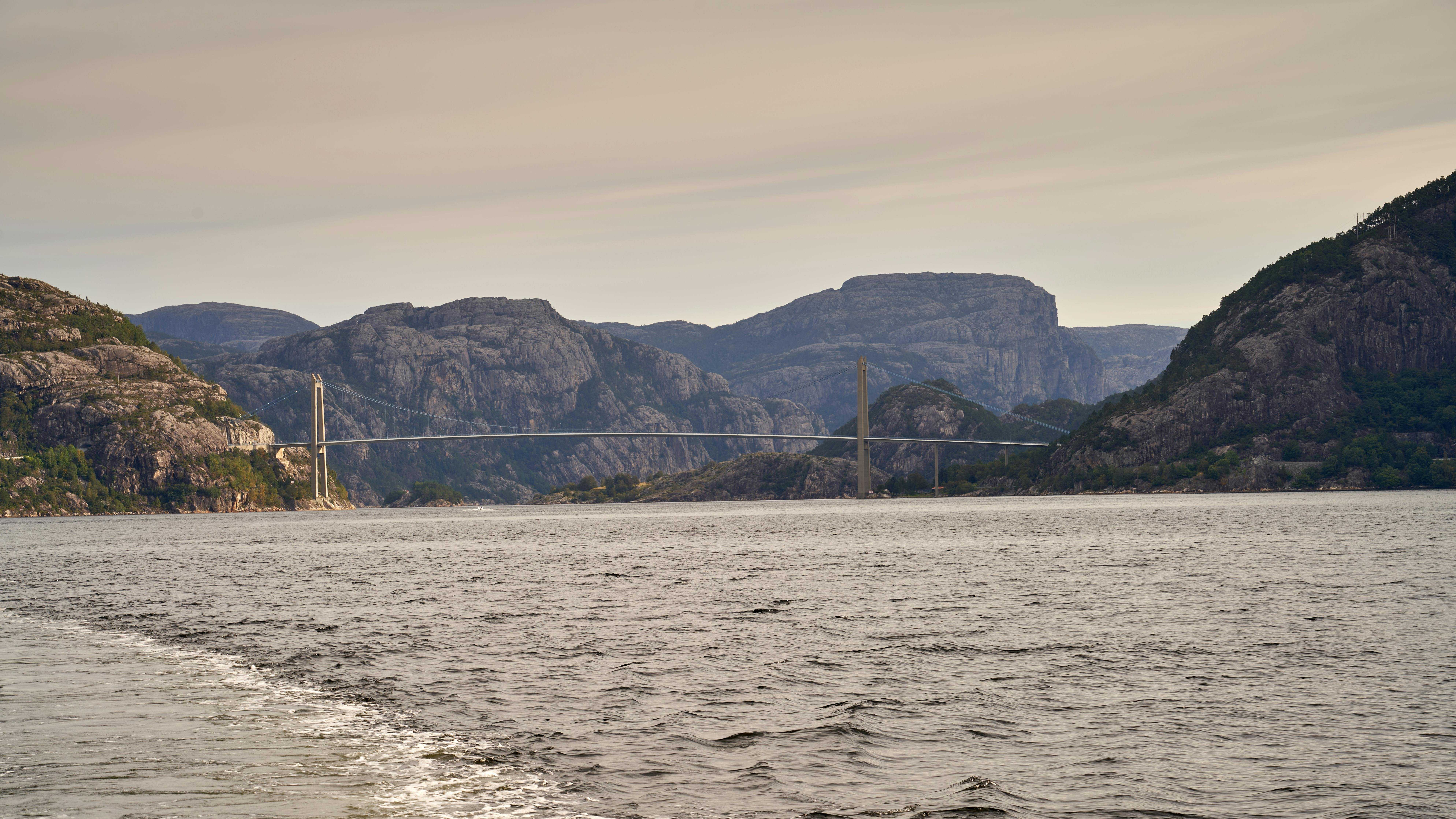
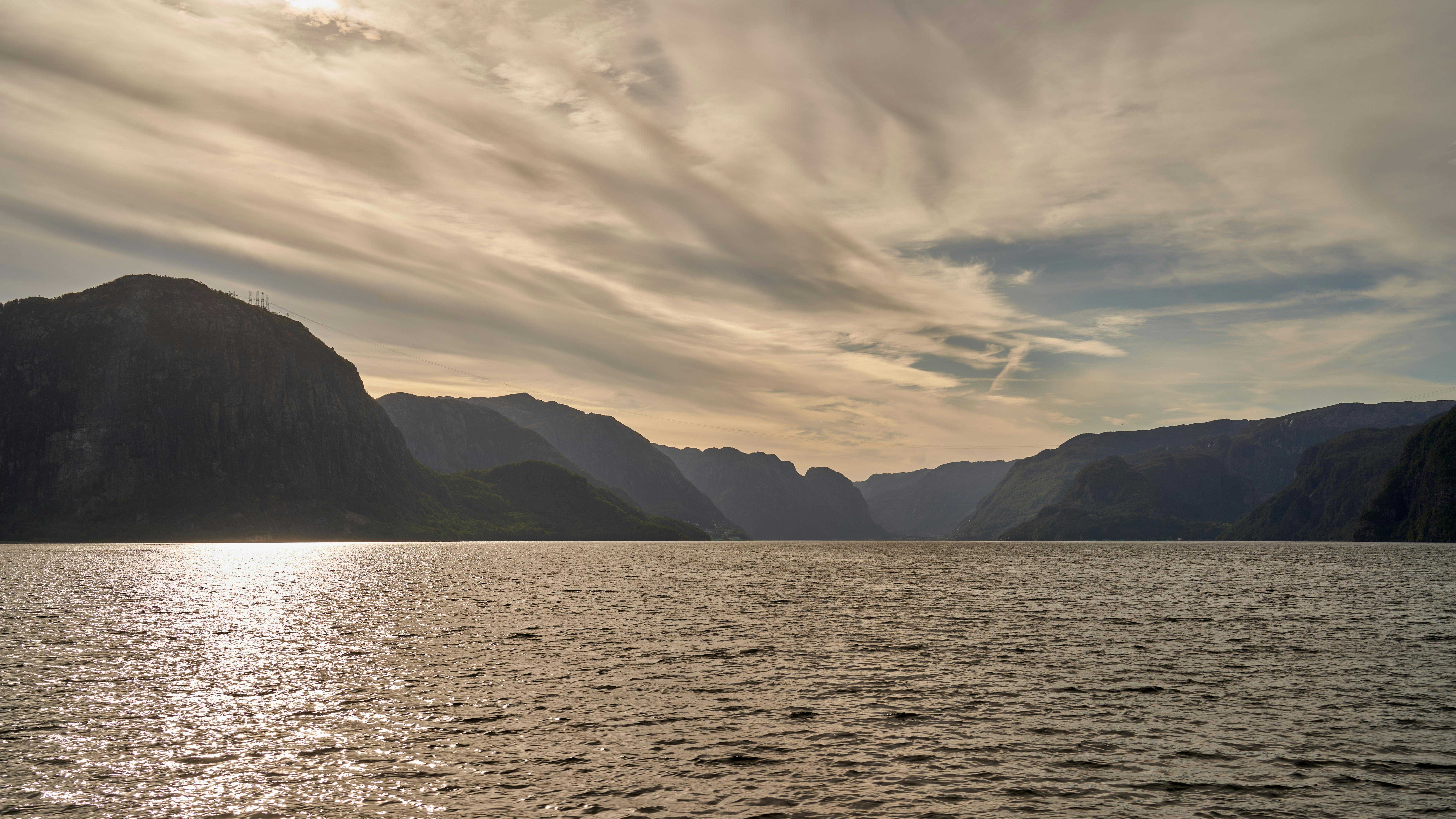
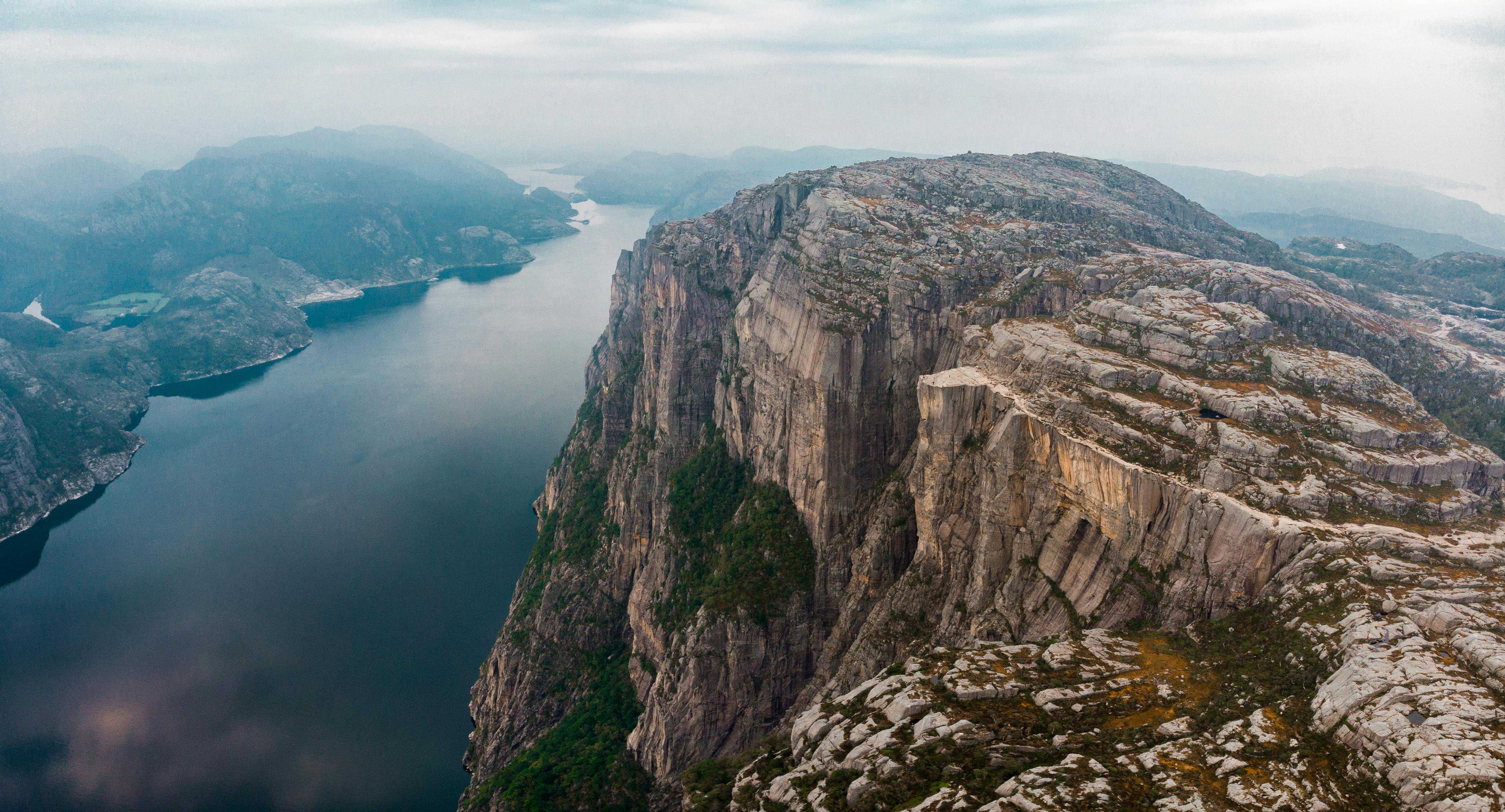
  1. Stunning Natural Beauty: Rogaland is known for its breathtaking natural landscapes, including fjords, mountains, and pristine coastline. The region is home to iconic landmarks such as the Pulpit Rock (Preikestolen) and Kjeragbolten, which offer unparalleled views of the surrounding scenery.

  2. Outdoor Activities: Rogaland is a paradise for outdoor enthusiasts, with plenty of opportunities for hiking, cycling, fishing, and more. The region's diverse terrain provides endless options for adventure seekers looking to explore the great outdoors.

  3. Rich Cultural Heritage: Rogaland has a rich cultural history, with a strong maritime tradition and Viking heritage. Visitors can explore historical sites such as Iron Age farms, ancient burial mounds, and traditional fishing villages to learn more about the region's past.

  4. Vibrant Cities: Rogaland is home to vibrant cities such as Stavanger and Sandnes, which offer a mix of modern amenities and historic charm. Visitors can explore museums, galleries, shopping districts, and restaurants to experience the local culture and cuisine.

  5. Sustainable Tourism: Rogaland is committed to sustainable tourism practices, with a focus on preserving the environment and supporting local communities. Travelers can participate in eco-friendly activities and initiatives to help protect the region's natural resources for future generations.

Overall, traveling to Rogaland offers a unique blend of natural beauty, outdoor adventure, cultural heritage, and sustainable tourism practices that make it a top destination for visitors looking to experience the best of Norway.

What to know

Rogaland, located in Norway, is a beautiful region known for its stunning natural landscapes and outdoor activities. However, there are some potential cons to consider when traveling to Rogaland:

  1. Weather: The weather in Rogaland can be quite unpredictable, with frequent rainfall and cool temperatures, especially in the winter months. This can impact outdoor activities and sightseeing plans.

  2. Cost of living: Norway, in general, is known to be an expensive country to visit. Accommodation, food, and transportation can be pricey in Rogaland, so travelers should be prepared for high costs.

  3. Limited public transportation: While there is public transportation available in Rogaland, it may not be as extensive or convenient as in larger cities. Renting a car may be necessary to explore the region fully.

  4. Crowds: Popular tourist attractions in Rogaland, such as Preikestolen (Pulpit Rock) and Kjeragbolten, can get crowded during peak tourist seasons. This may impact the overall experience and make it challenging to enjoy the attractions fully.

  5. Language barrier: Norwegian is the official language in Rogaland, and while many people speak English, there may still be instances where communication barriers arise, especially in more remote areas.

Overall, while Rogaland offers stunning natural beauty and outdoor adventures, travelers should be prepared for potential challenges such as unpredictable weather, high costs, limited public transportation, crowds at popular attractions, and potential language barriers.

Rogaland is a county in southwestern Norway, known for its rich history and breathtaking landscapes. Its history is intertwined with the broader history of Norway, featuring significant events, notable figures, and landmarks that have shaped the region over centuries.

Early History and Viking Age

Rogaland has been inhabited since the Stone Age, with archaeological finds such as burial mounds and rock carvings indicating early human activity. The region was a significant center during the Viking Age (approximately 793–1066 AD), with its strategic location along the coast making it an important area for trade and exploration.

One of the most significant historical figures associated with Rogaland is Harald Fairhair (Harald Hårfagre), the first King of Norway, who is believed to have unified the country following the Battle of Hafrsfjord around 872 AD. This battle, which is thought to have taken place in the vicinity of Stavanger, was pivotal in the unification of Norway under a single monarch.

Medieval Period

During the medieval period, Rogaland continued to be an important region due to its agricultural potential and its role in maritime activities. The construction of churches, such as the Stavanger Cathedral (Stavanger domkirke) built in the 12th century, marked the spread of Christianity in the area. Stavanger, which became a city in 1125, was also an episcopal seat, further emphasizing its ecclesiastical significance.

Early Modern Period

The early modern period saw Rogaland's economy develop through agriculture, fishing, and shipping. The region was affected by the wars and political changes that swept across Norway and Europe, including the Kalmar Union and later the establishment of the Danish-Norwegian realm. The Protestant Reformation in the 16th century also brought significant religious and cultural changes to the area.

Industrialization and Modern Era

The 19th and 20th centuries were periods of significant change for Rogaland, with industrialization bringing new economic opportunities. Stavanger became a center for the canning industry in the late 19th and early 20th centuries, which played a crucial role in its economic development. The discovery of oil in the North Sea in the late 1960s transformed the region, with Stavanger becoming the oil capital of Norway and a hub for the petroleum industry.

Notable Landmarks

  • Preikestolen (Pulpit Rock): A famous tourist destination, this striking cliff rises 604 meters above the Lysefjorden, offering breathtaking views and attracting hikers from around the world.
  • Kjeragbolten: Another popular hiking destination, known for the boulder wedged between two cliffs, providing a unique and daring photo opportunity.
  • Stavanger Cathedral: The oldest cathedral in Norway, it is a fine example of Romanesque architecture with later Gothic additions.

Cultural Contributions

Rogaland has contributed significantly to Norwegian culture, with a vibrant arts scene in cities like Stavanger. The region hosts several cultural festivals and events, and its museums showcase the area's rich maritime and industrial heritage.

Recent Developments

In recent years, Rogaland has continued to thrive as a key player in Norway's oil and gas industry while also focusing on sustainability and diversification of its economy. The region remains a popular destination for both domestic and international tourists, drawn to its natural beauty and historical significance.

This detailed history highlights Rogaland's importance in Norway's development and its continued relevance in modern times.