
Quebec
State · Canada

Quebec

Quebec, Canada

Step Back in Time in Québec City: Where European Charm Meets North American Spirit Québec City isn't just a place to visit; it's a journey through…

#French-speaking#Cultural#Historic#Bilingual#Scenic

Explore Quebec

Top cities in Quebec

Pick a city to open its guide.

See it for yourself

Location videos

Reels and longer watches.

Featured for Quebec

Traveller clips picked out for this place.

Watch & explore

Good to know

Practical info

Weather, costs and getting around.

Quebec, Canada Open in Google Maps
Currency
$ | CAD | Canadian Dollar
Population
8.8 million
Languages
French mainly · English
Budget / day
$150 - $300
Also known as
Ville de Québec, Kebec, Kébec, La Vieille Capitale, Quebec City

Know before you go

Local guide

A deeper read on Quebec.

What people love

There are several pros to traveling to Quebec located in Quebec, Canada:

  1. Rich History and Culture: Quebec is known for its strong French heritage, which is reflected in its architecture, language, and customs. Visitors can explore historic sites such as Old Quebec, a UNESCO World Heritage site, and learn about the province's diverse cultural influences.

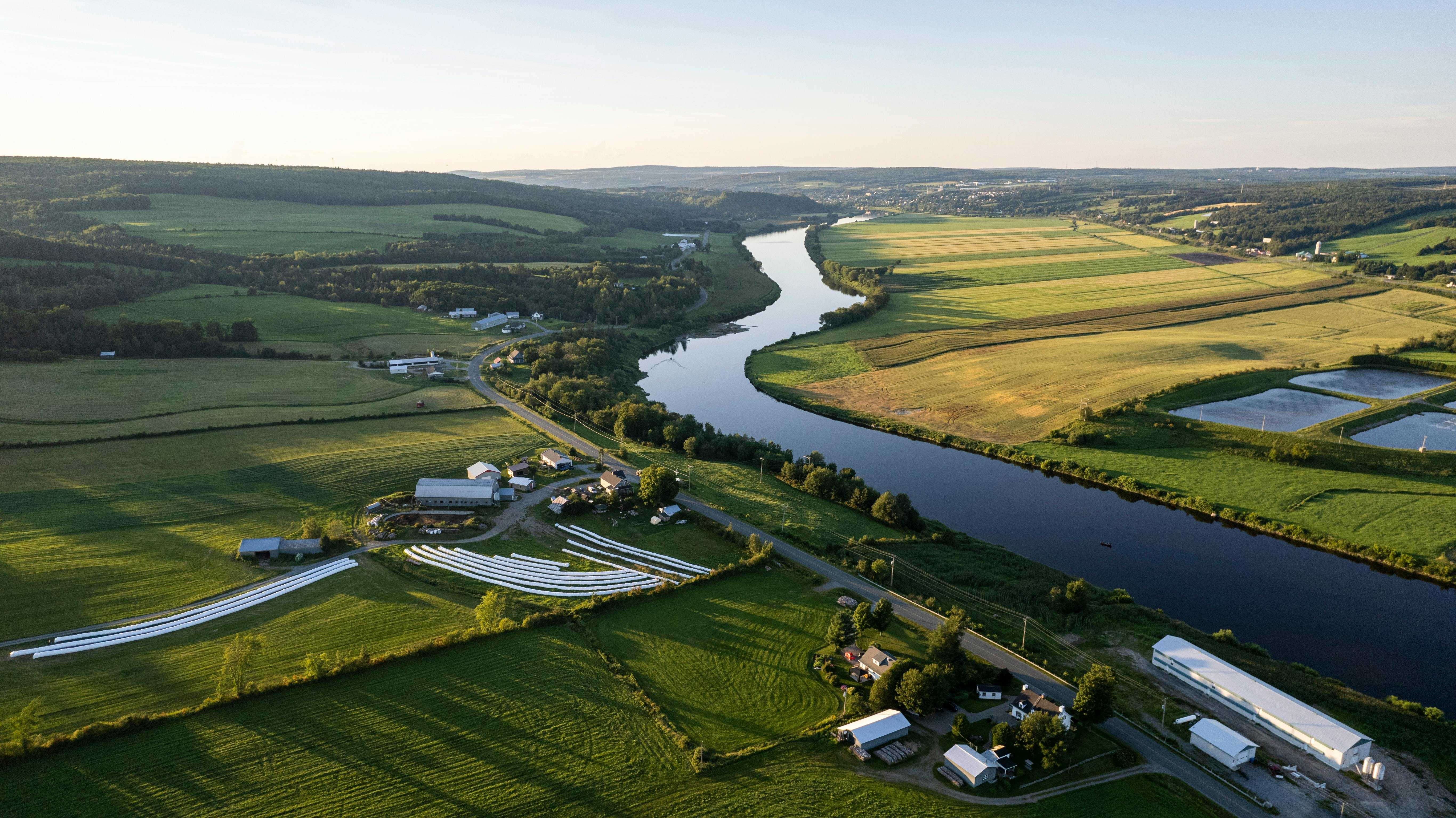
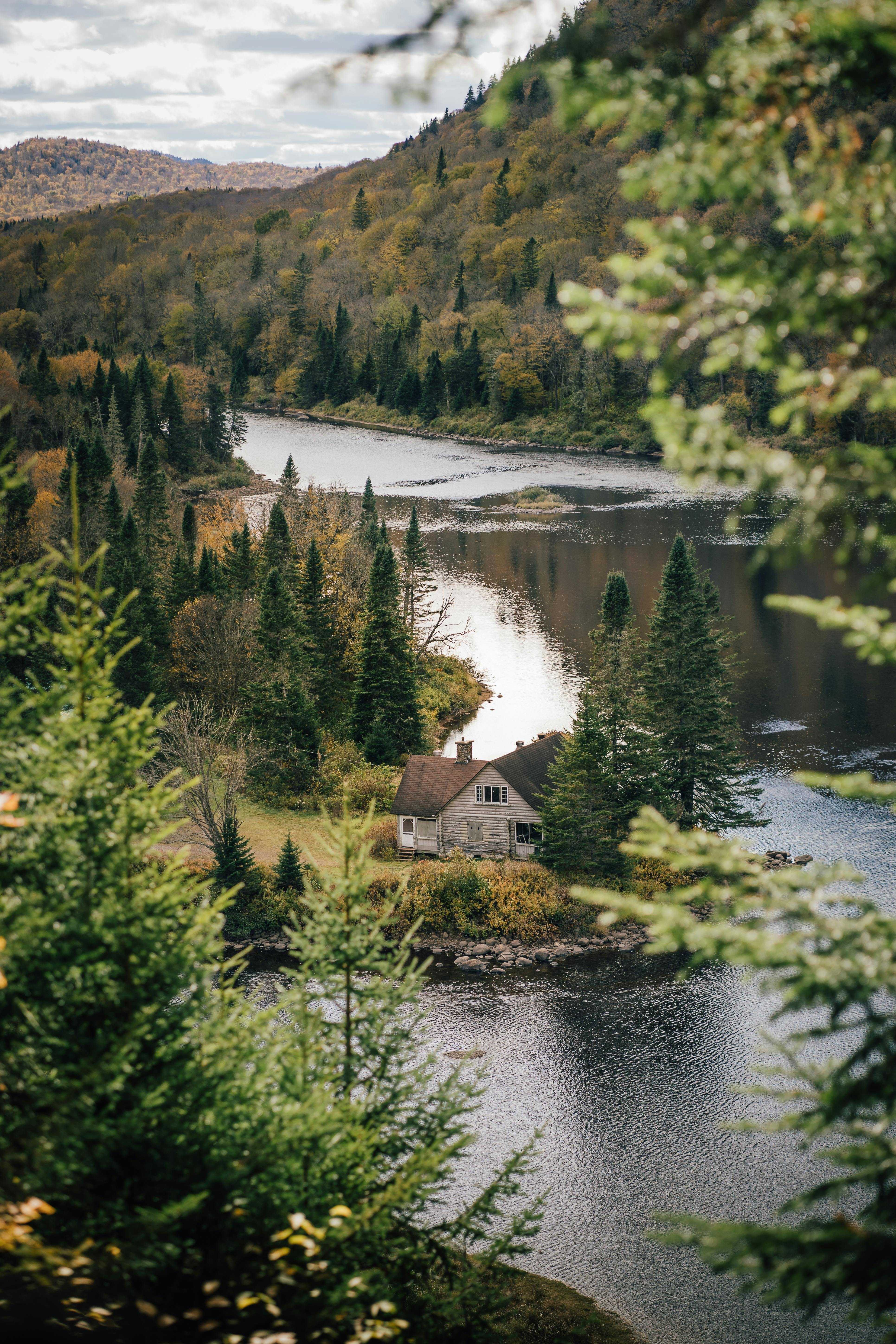
  2. Scenic Beauty: Quebec is home to stunning natural landscapes, including the Laurentian Mountains, the St. Lawrence River, and countless charming villages. Outdoor enthusiasts can enjoy activities such as hiking, skiing, and kayaking in the province's picturesque surroundings.

  3. Vibrant Cities: Quebec is home to vibrant cities such as Montreal and Quebec City, which offer a mix of modern amenities and historic charm. Visitors can explore bustling markets, dine at world-class restaurants, and experience lively arts and cultural scenes.

  4. Culinary Delights: Quebec is known for its delicious cuisine, which blends French, Canadian, and indigenous influences. Visitors can sample local specialties such as poutine, tourtière, and maple syrup, and dine at top-rated restaurants showcasing the province's culinary creativity.

  5. Festivals and Events: Quebec hosts a variety of festivals and events throughout the year, celebrating everything from music and theater to food and winter sports. Visitors can experience unique cultural traditions and entertainment during their stay in the province.

Overall, traveling to Quebec offers a rich cultural experience, beautiful scenery, and a wide range of activities for visitors to enjoy.

What to know

Some potential cons of traveling to Quebec in Canada may include:

  1. Language Barrier: Quebec is a predominantly French-speaking province, so visitors who do not speak French may encounter language barriers, especially outside of major tourist areas.

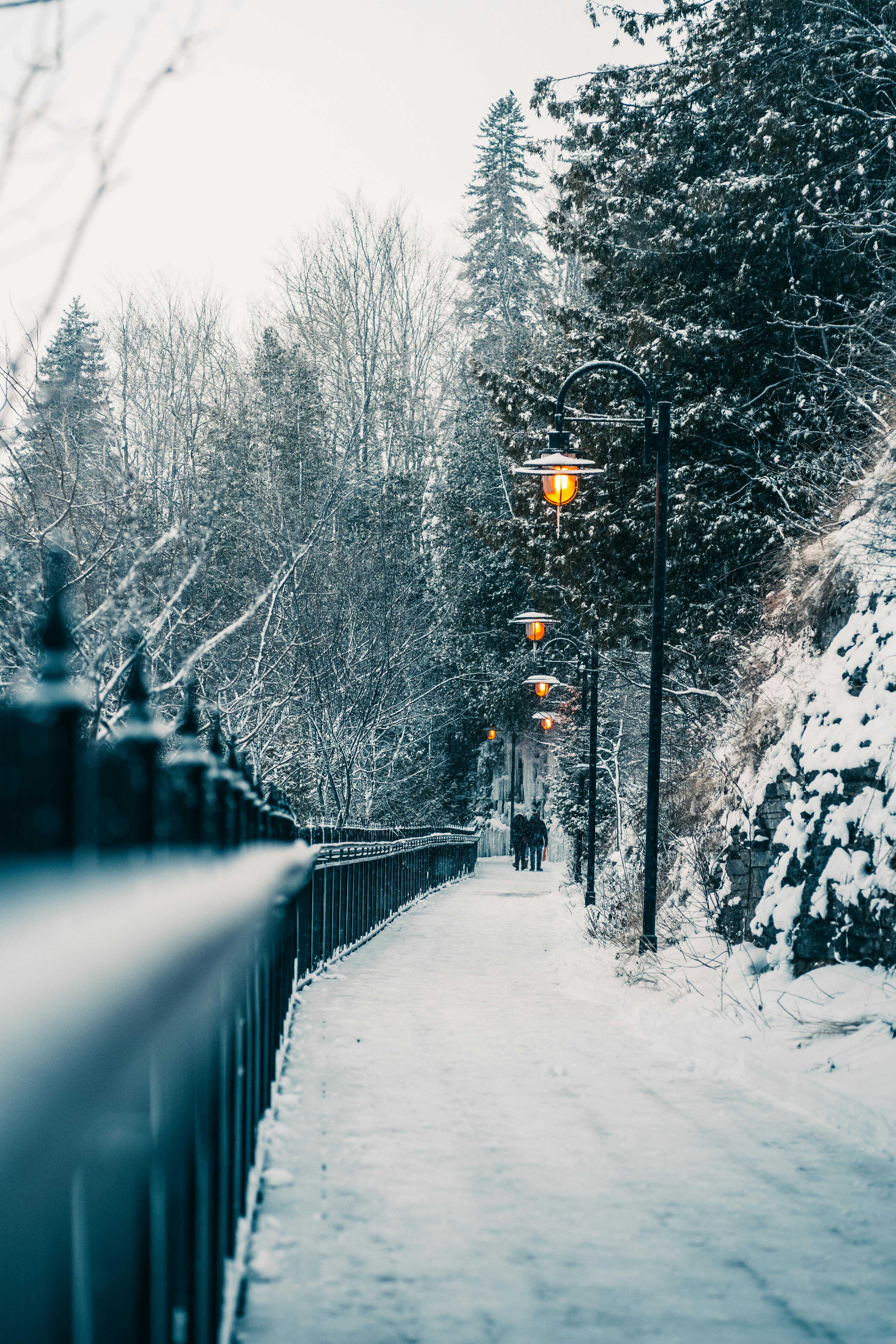
  2. Weather: Quebec experiences cold winters with heavy snowfall, which may not be ideal for travelers who are not accustomed to cold weather or winter sports.

  3. Cost of Living: Quebec can be more expensive compared to other Canadian provinces, particularly in terms of accommodation, dining, and transportation.

  4. Cultural Differences: Quebec has a distinct culture and history that may be different from what some visitors are accustomed to, which could lead to misunderstandings or cultural shock.

  5. Seasonal Tourism: Some attractions and activities in Quebec may be seasonal, so visitors may need to plan their trip accordingly to ensure they can experience everything they want to see and do.

Overall, while Quebec is a beautiful and vibrant destination with much to offer, it's important for travelers to be aware of these potential challenges to have a smooth and enjoyable trip.

Quebec, a province in eastern Canada, has a rich history marked by cultural evolution, economic development, and political change. Here’s a detailed overview:

Pre-European Contact

Before European settlers arrived, various Indigenous groups inhabited the region, including the Algonquin, Iroquois, and Inuit. These communities had complex societies with their own distinct cultures and economies based on hunting, fishing, and agriculture.

16th and 17th Centuries: European Exploration and Settlement

  • 1534: French explorer Jacques Cartier first claimed the area for France. He is credited with naming the region "Canada," derived from the Iroquoian word "kanata," meaning village or settlement.
  • 1608: Samuel de Champlain founded Quebec City, establishing one of the first permanent European settlements in North America. This marked the beginning of New France, with Quebec as its capital.

18th Century: British Conquest

  • 1759: The Battle of the Plains of Abraham took place during the Seven Years' War (1756-1763), where British forces defeated the French near Quebec City. This battle was pivotal in British forces taking control of Quebec.
  • 1763: The Treaty of Paris concluded the Seven Years' War, and France ceded most of its North American territories, including Quebec, to Britain.

19th Century: Growth and Rebellion

  • 1837-1838: The Lower Canada Rebellion, sparked by dissatisfaction with British colonial rule, sought greater autonomy. Although the rebellion was suppressed, it led to the eventual unification of Upper and Lower Canada into the Province of Canada in 1841.
  • 1867: The British North America Act (now the Constitution Act, 1867) created the Canadian Confederation, and Quebec became one of its founding provinces.

20th Century: Cultural and Political Changes

  • 1960s: The Quiet Revolution transformed Quebec society, promoting secularism, the welfare state, and the strengthening of the French language and culture. This period saw significant social and economic reforms.
  • 1970: The October Crisis occurred, involving the kidnapping of officials by the Front de libération du Québec (FLQ), a separatist group. This led to the invocation of the War Measures Act.
  • 1976: The Parti Québécois, a political party advocating for Quebec independence, was elected, leading to a referendum in 1980, which resulted in a vote against sovereignty-association.

Late 20th Century to Present: Continued Evolution

  • 1995: A second referendum on Quebec sovereignty was held, with a narrow margin voting against independence.
  • Modern Quebec is characterized by its vibrant culture, economic development, and ongoing discussions around its political status within Canada.

Significant Historical Figures

  • Samuel de Champlain: Founder of Quebec City and key figure in the establishment of New France.
  • Louis-Joseph Papineau: Leader of the Patriote movement during the Lower Canada Rebellion.
  • René Lévesque: Premier of Quebec and founder of the Parti Québécois.

Important Landmarks

  • Old Quebec (Vieux-Québec): A UNESCO World Heritage Site, home to historic sites like the Château Frontenac and the Citadelle of Quebec.
  • Plains of Abraham: A historic battle site and now a major urban park in Quebec City.
  • Notre-Dame Basilica: Located in Montreal, it is a stunning example of Gothic Revival architecture.

Quebec's history is a rich tapestry of indigenous heritage, European colonization, and modern political evolution, making it a unique and integral part of Canadian and North American history.