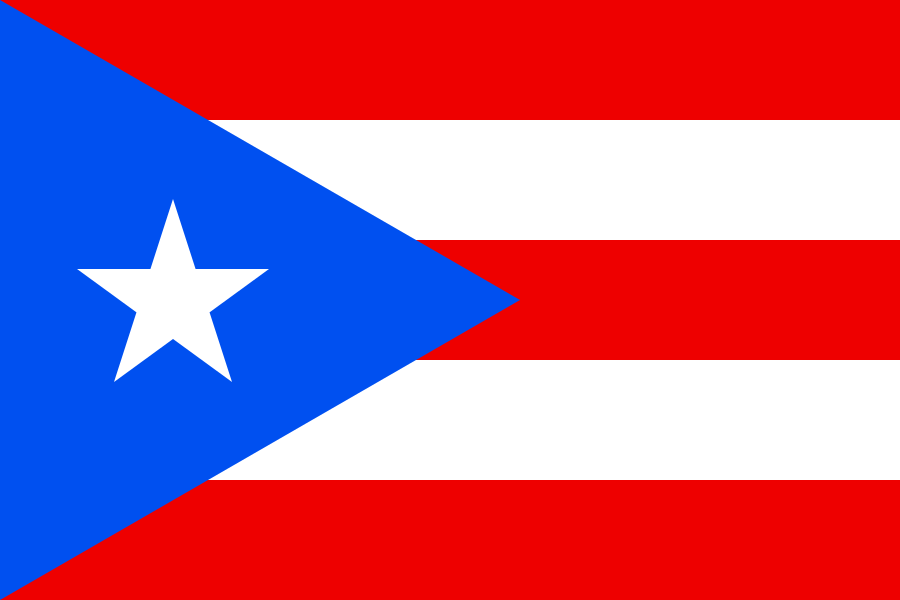
Puerto Rico
· PR

Puerto Rico

Puerto Rico, Puerto Rico

Discover the Enchanting Island of Puerto Rico: Where History Meets Paradise Puerto Rico, the "Island of Enchantment," is a vibrant tapestry of captivating history, dazzling natural beauty, and infectious Latin spirit. Wh…

#Caribbean#Tropical#Island#Spanish-speaking#Tourist destination
1/6

Top hotels & flights

Hand-picked stays and the best fares into Puerto Rico.

Top Hotels in Puerto Rico

Top Flights to Puerto Rico

Popular activities

Tours, tickets and experiences travelers book most in Puerto Rico.

Tours

El Yunque National Forest

Explore the tropical rainforest of El Yunque, the only tropical rainforest in the U.S. National Forest System. Hike trails, see waterfalls, and witness diverse wildlife.

Old San Juan Walking Tour

Discover the colorful historic district of Old San Juan with its cobblestone streets, vibrant buildings, and rich history.

Castillo San Felipe del Morro

Tour this iconic 16th-century citadel with its historic fortifications and commanding views of the ocean.

Shopping

Paseo de la Princesa

Stroll along this beautiful promenade in San Juan, which offers shops, art galleries, and stunning views of San Juan Bay.

Outdoor

Bioluminescent Bay Kayaking

Experience a magical evening kayaking tour in one of Puerto Rico's bioluminescent bays, where the water glows with every paddle stroke.

Cueva Ventana

A natural cave located atop a limestone cliff in Arecibo, offering breathtaking views of the Rio Grande de Arecibo valley.

Location videos

Real reels from travelers, plus longer watches to get the full picture.

From travelers
Watch & explore

Practical info

The essentials for planning your time in Puerto Rico.

Currency
$ | USD | US Dollar
Population
3.2 million
Languages
Spanish, Spanish, English

Local guide

What travelers love, what to watch for, and a deeper read on Puerto Rico.

What people love

Traveling to Puerto Rico, located in the Caribbean, offers numerous benefits and experiences for visitors. Here are some detailed pros of traveling to Puerto Rico:

  1. Beautiful Beaches: Puerto Rico is home to stunning beaches with crystal clear waters and soft sand. Visitors can enjoy activities such as swimming, snorkeling, surfing, and sunbathing on popular beaches like Flamenco Beach in Culebra and Luquillo Beach.

  2. Rich Culture: Puerto Rico has a vibrant cultural scene influenced by its mix of Spanish, African, and Taino heritage. Visitors can explore historic sites such as Old San Juan, colorful buildings, and vibrant street art. The island also hosts numerous festivals and events throughout the year celebrating music, dance, and food.

  3. Outdoor Adventures: Puerto Rico offers a wide range of outdoor activities for nature lovers and adventure seekers. Visitors can hike through El Yunque National Forest, the only tropical rainforest in the U.S. National Forest System, go caving in the Rio Camuy Cave Park, or zipline through lush forests.

  4. Delicious Cuisine: Puerto Rican cuisine is a fusion of flavors influenced by Spanish, African, and Taino cultures. Visitors can enjoy traditional dishes such as mofongo, arroz con gandules, and lechón (roast pork). The island is also known for its refreshing beverages like piña coladas and coquito.

  5. Warm Weather: Puerto Rico enjoys a tropical climate with warm temperatures year-round, making it an ideal destination for those seeking sunshine and relaxation. The island offers plenty of opportunities for outdoor activities and water sports due to its consistent weather.

  6. Convenient Travel: Puerto Rico is a U.S. territory, so U.S. citizens do not need a passport to travel there. Additionally, English is widely spoken, making it easy for visitors to communicate and navigate the island.

Overall, traveling to Puerto Rico offers a blend of natural beauty, rich culture, outdoor adventures, delicious cuisine, and convenience that make it a popular destination for travelers seeking a tropical escape.

What to know

Some potential cons of traveling to Puerto Rico in Puerto Rico include:

  1. Hurricane season: Puerto Rico is located in the Caribbean and is susceptible to hurricanes during the Atlantic hurricane season, which typically runs from June to November. Traveling during this time may pose risks of flight cancellations, disruptions in services, and potential safety concerns.

  2. Language barrier: While English is widely spoken in Puerto Rico, especially in tourist areas, the official language is Spanish. Travelers who do not speak Spanish may encounter communication challenges, particularly in more remote or local areas.

  3. High cost of living: Puerto Rico is considered to have a relatively high cost of living compared to mainland United States. This can impact travelers' budgets, especially when it comes to accommodation, dining, and transportation.

  4. Infrastructure challenges: Puerto Rico has faced issues with its infrastructure, including unreliable power supply and occasional water shortages. Travelers may experience disruptions in services or inconveniences due to these infrastructure challenges.

  5. Zika virus risk: Like many tropical destinations, Puerto Rico has experienced outbreaks of mosquito-borne diseases such as Zika virus. Travelers, especially pregnant women, should take precautions to prevent mosquito bites and stay informed about local health advisories.

Please note that these are potential cons to consider when planning a trip to Puerto Rico. It's always a good idea to conduct thorough research and stay informed about current conditions before traveling.

Puerto Rico, an island in the Caribbean, has a rich history influenced by its indigenous peoples, European colonization, and its current political status. Here's a detailed overview:

Pre-Columbian Era

  • Indigenous Peoples: Before European contact, Puerto Rico was inhabited by the Taíno people, an Arawakan-speaking group. They called the island "Borikén" or "Borinquén."
  • Culture and Society: The Taíno had a rich culture with a social structure, religious beliefs, and agricultural practices.

European Colonization

  • 1493 - Columbus' Arrival: Christopher Columbus arrived on the island during his second voyage to the Americas and claimed it for Spain on November 19, 1493.
  • Early Spanish Settlement: The Spanish established a settlement in 1508, led by Juan Ponce de León, who became the island's first governor.
  • San Juan: The city of San Juan was founded in 1521 and became an important military outpost for the Spanish Empire.

Colonial Era

  • Fortifications: The Spanish built massive fortifications like El Morro and La Fortaleza to protect against invasions.
  • Economic Activity: The economy was based on agriculture, particularly sugar cane and coffee plantations, worked by enslaved Africans and Taíno laborers.
  • Pirate Attacks and Other European Powers: Puerto Rico faced frequent attacks from rival European powers and pirates.

19th Century

  • Revolutionary Movements: The island saw movements for independence and greater autonomy, influenced by other Latin American revolutions.
  • Abolition of Slavery: Slavery was abolished in Puerto Rico in 1873.
  • Grito de Lares (1868): A significant but unsuccessful rebellion against Spanish rule, aiming for independence.

American Period

  • Spanish-American War (1898): Following the war, Puerto Rico was ceded to the United States under the Treaty of Paris.
  • Foraker Act (1900): Established a civil government in Puerto Rico, although the U.S. retained significant control.
  • Jones-Shafroth Act (1917): Granted U.S. citizenship to Puerto Ricans and restructured the island's government.

Mid to Late 20th Century

  • Operation Bootstrap (1940s-1970s): A program to industrialize Puerto Rico, transitioning its economy from agriculture to manufacturing.
  • Commonwealth Status (1952): Puerto Rico became a Commonwealth of the United States, with its own constitution and greater autonomy.
  • Political Movements: Various movements have sought statehood, independence, or a change in the island's political status.

21st Century

  • Economic Challenges: The island has faced economic struggles, including debt crises and high unemployment rates.
  • Hurricane Maria (2017): The devastating hurricane caused significant damage and highlighted issues with infrastructure and government response.

Important Landmarks

  • Old San Juan: Known for its well-preserved colonial architecture and historical sites.
  • El Yunque National Forest: The only tropical rainforest in the U.S. National Forest System.
  • Arecibo Observatory (until 2020): Once the world's largest radio telescope.

Significant Historical Figures

  • Juan Ponce de León: Spanish explorer and first governor of Puerto Rico.
  • Luis Muñoz Marín: First democratically elected governor, instrumental in Operation Bootstrap.
  • Pedro Albizu Campos: Leader of the Puerto Rican Nationalist Party advocating for independence.

Puerto Rico continues to play a unique role as a U.S. territory with its own cultural identity and political challenges.