
Provence-Alpes-Côte d’Azur
· FR

Provence-Alpes-Côte d’Azur

Provence-Alpes-Côte d’Azur, France

Provence-Alpes-Côte d'Azur: Where Lavender Dreams Meet Azure Seas Sun-drenched landscapes, charming villages, and a coastline shimmering with turquoise waters - welcome to Provence-Alpes-Côte d'Azur, a region in southeas…

#Mediterranean climate#Lavender fields#French Riviera#Historic cities#Mountainous terrain
1/3

Top hotels & flights

Hand-picked stays and the best fares into Provence-Alpes-Côte d’Azur.

Top Hotels in Provence-Alpes-Côte d’Azur

Top Flights to Provence-Alpes-Côte d’Azur

Popular activities

Tours, tickets and experiences travelers book most in Provence-Alpes-Côte d’Azur.

Tours

Visit the Lavender Fields of Valensole

Wander through the aromatic lavender fields of the Valensole Plateau, especially beautiful in June and July.

Explore Avignon's Historic Center

Step back in time to explore Avignon's rich history, including the Palace of the Popes and the Pont d'Avignon.

Shopping

Shop at Cours Saleya Market in Nice

Experience the vibrant market in Nice offering flowers, food, and local crafts.

Outdoor

Explore the Calanques National Park

Discover the stunning limestone cliffs, turquoise waters, and hidden inlets along the Mediterranean coast.

Hiking in the Verdon Gorge

Tackle Europe's deepest gorge with stunning views and various hiking trails suitable for all levels.

Skiing in the French Alps

Hit the slopes in one of Europe’s premier skiing destinations, with options for all skill levels.

Location videos

Real reels from travelers, plus longer watches to get the full picture.

From travelers
Watch & explore

Practical info

The essentials for planning your time in Provence-Alpes-Côte d’Azur.

Currency
€ | EUR | Euro
Population
5.1 million
Languages
French, Occitan, Italian

Local guide

What travelers love, what to watch for, and a deeper read on Provence-Alpes-Côte d’Azur.

What people love

Provence-Alpes-Côte d’Azur, located in the south-east of France, is known for its stunning landscapes, picturesque villages, and rich cultural heritage. Here are some of the pros of traveling to Provence-Alpes-Côte d’Azur:

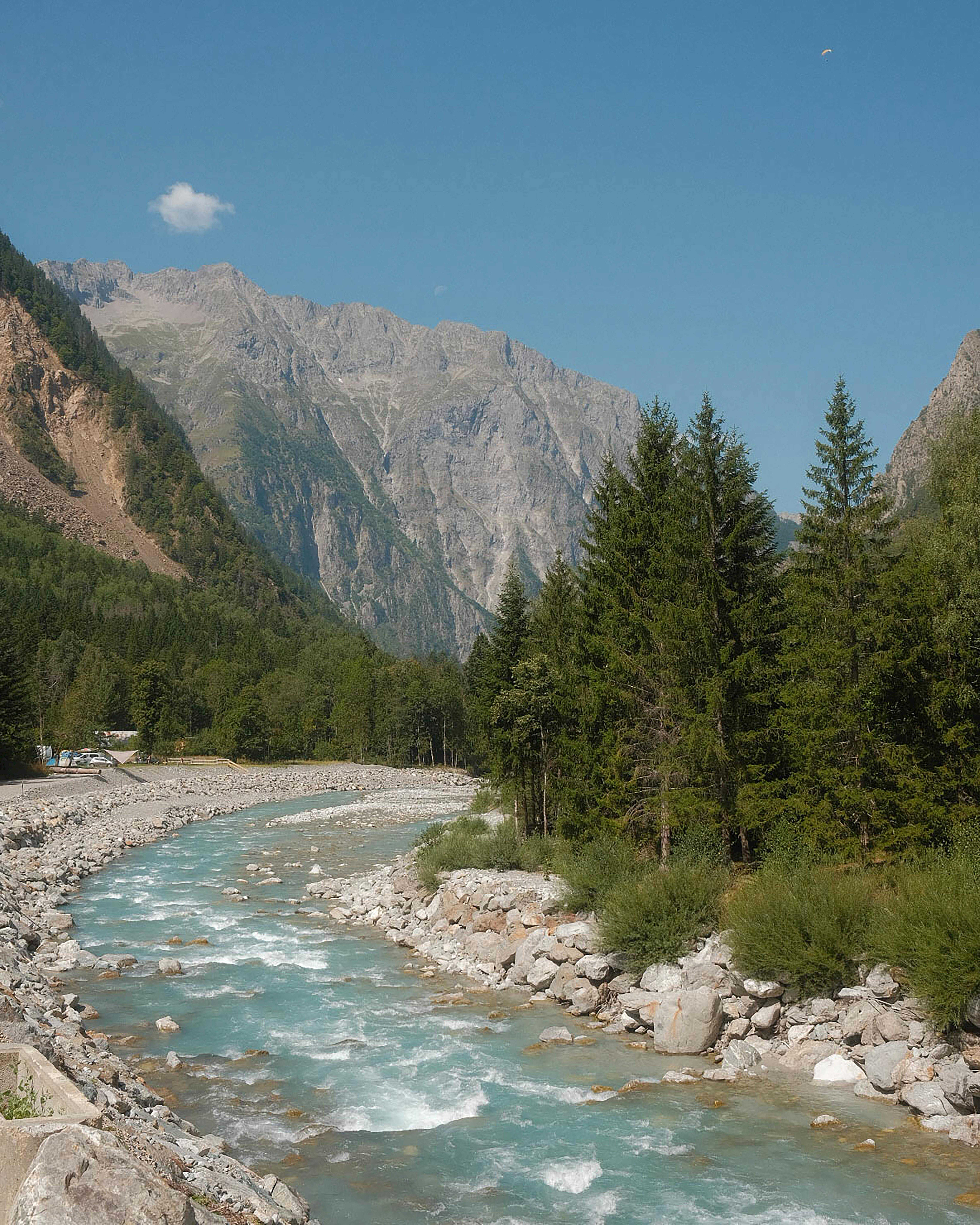
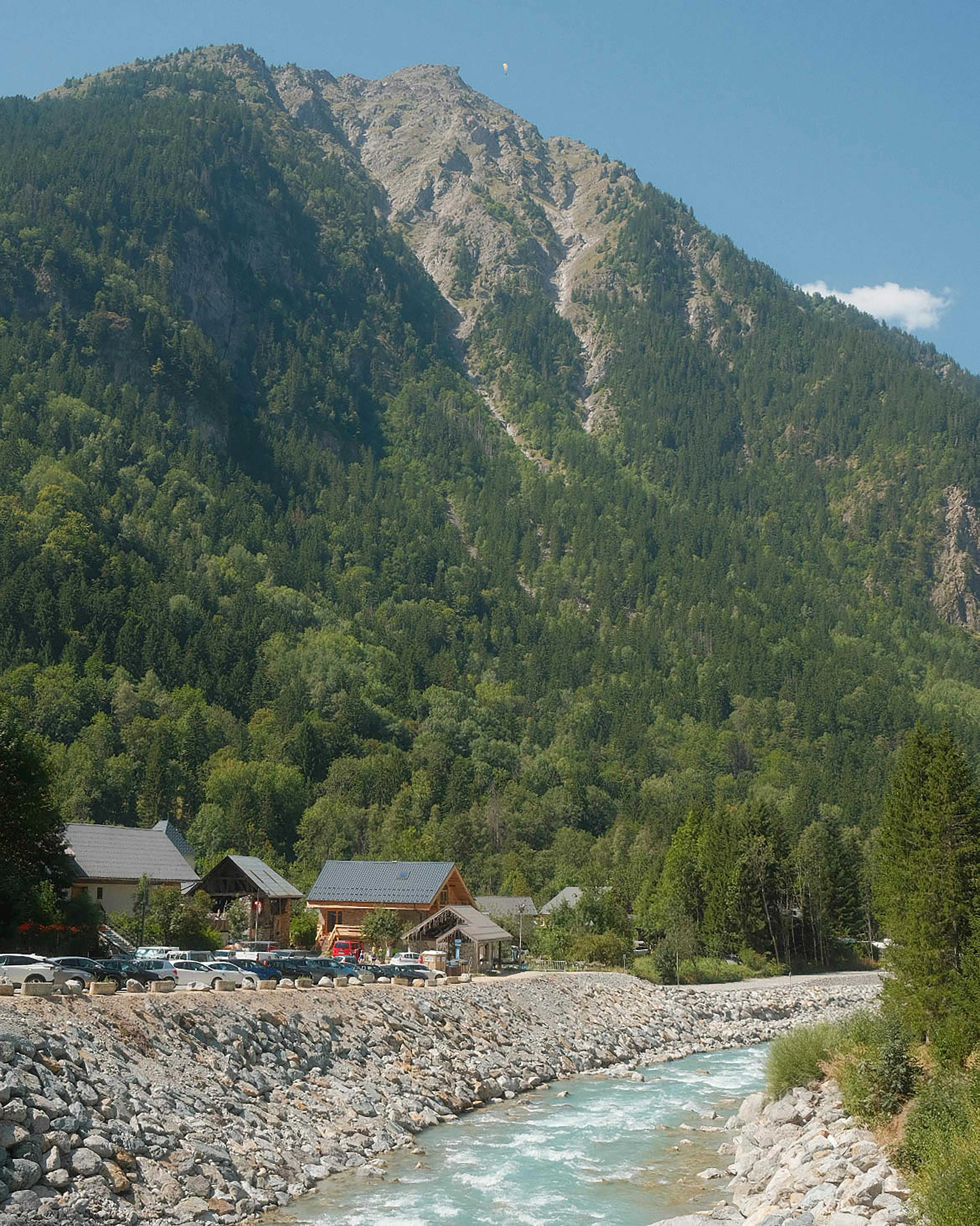
  1. Beautiful scenery: The region boasts diverse landscapes, from the lavender fields of Provence to the dramatic Alps and the glamorous French Riviera coastline. Visitors can enjoy breathtaking views and outdoor activities such as hiking, cycling, and water sports.

  2. Rich history and culture: Provence-Alpes-Côte d’Azur is steeped in history, with Roman ruins, medieval villages, and charming towns waiting to be explored. The region is also known for its vibrant arts scene, including museums, galleries, and festivals.

  3. Gastronomy: Provence-Alpes-Côte d’Azur is a paradise for food lovers, with a rich culinary tradition that includes Provencal dishes such as ratatouille, bouillabaisse, and tapenade. The region is also famous for its wine, olive oil, and fresh produce markets.

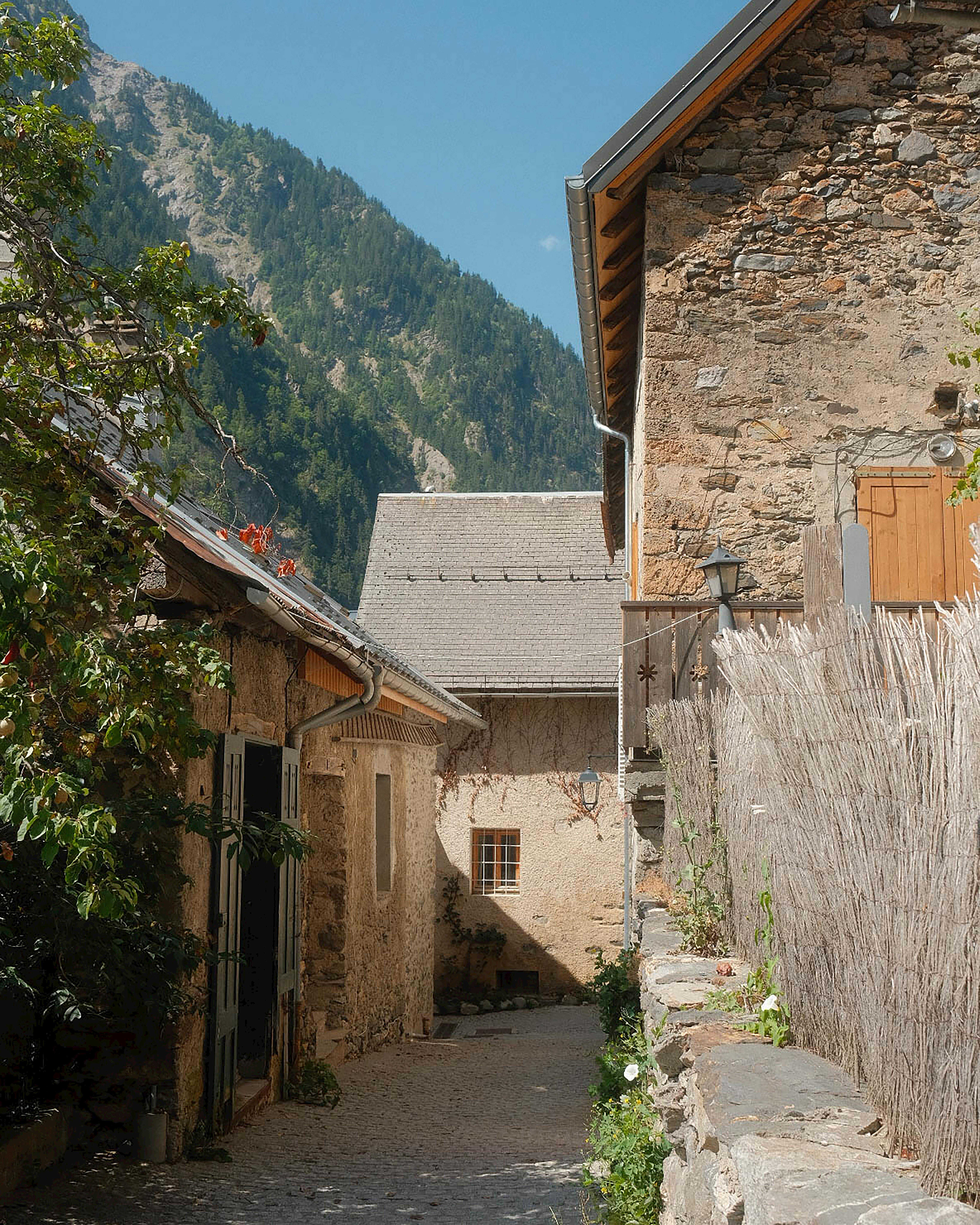
  4. Charming villages and towns: From the hilltop villages of the Luberon to the coastal towns of Nice and Cannes, Provence-Alpes-Côte d’Azur is home to a variety of charming destinations that offer a mix of history, culture, and natural beauty.

  5. Mild climate: The region enjoys a Mediterranean climate with mild winters and hot summers, making it an ideal destination for year-round travel. Visitors can enjoy outdoor activities and al fresco dining in the region's sunny weather.

Overall, Provence-Alpes-Côte d’Azur offers a perfect blend of natural beauty, cultural heritage, and gastronomic delights, making it a popular destination for travelers seeking a quintessentially French experience.

What to know

There are some potential cons to traveling to Provence-Alpes-Côte d’Azur in France:

  1. Crowds: During peak tourist seasons, popular destinations in Provence-Alpes-Côte d’Azur can get quite crowded, especially in cities like Nice and Cannes. This could lead to longer wait times at attractions, difficulty finding accommodations, and a generally less peaceful travel experience.

  2. High Cost: Provence-Alpes-Côte d’Azur is known for being a luxury destination, which means that prices for accommodations, dining, and activities can be higher compared to other regions in France. Travelers on a budget may find it challenging to stick to their financial limits while visiting this area.

  3. Transportation: While Provence-Alpes-Côte d’Azur has good transportation infrastructure, including trains and buses, getting around the region may still be time-consuming and require careful planning. Renting a car is often recommended to explore the more remote areas, but navigating the narrow, winding roads and finding parking can be stressful.

  4. Language Barrier: While many people in Provence-Alpes-Côte d’Azur speak English, especially in tourist areas, you may encounter language barriers when interacting with locals in more rural or less touristic areas. It can be helpful to know some basic French phrases to facilitate communication.

  5. Weather: The weather in Provence-Alpes-Côte d’Azur can be quite hot and dry, especially during the summer months. This could be uncomfortable for travelers who are not used to high temperatures, and it's important to stay hydrated and protect yourself from the sun.

Overall, while there are some potential drawbacks to traveling to Provence-Alpes-Côte d’Azur, the stunning landscapes, rich history, and cultural experiences make it a popular destination for many visitors.

Provence-Alpes-Côte d'Azur (PACA) is a region in southeastern France with a rich history and cultural heritage. The region is known for its diverse landscapes, from the Mediterranean coastline to the Alps. Here is a detailed history of the area, including significant events, historical figures, and important landmarks:

Ancient History

  • Prehistoric Era: The region was inhabited in prehistoric times, with evidence from sites like the Cosquer Cave near Marseille, known for its Paleolithic cave paintings.
  • Greek and Roman Periods: The Greeks founded the city of Massalia (modern-day Marseille) around 600 BCE, making it one of the oldest cities in France. The Romans later conquered the area, integrating it into the Roman Empire as the province of Gallia Narbonensis. Important Roman sites include the amphitheater in Arles and the aqueduct Pont du Gard.

Middle Ages

  • Early Medieval Period: After the fall of the Roman Empire, the region was subject to invasions by the Visigoths, Franks, and Saracens. Provence became part of the Frankish Kingdom under Charlemagne.
  • High Middle Ages: The County of Provence emerged as a significant political entity. The region was also influenced by the Counts of Barcelona and later became part of the Kingdom of Arles within the Holy Roman Empire.
  • Notable Figures: Eleanor of Provence, who became Queen of England by marrying King Henry III, was a significant figure from this period.

Renaissance and Early Modern Period

  • Integration into France: Provence was integrated into the Kingdom of France in 1481 when King Louis XI inherited the region.
  • Religious Wars: The region was affected by the French Wars of Religion in the 16th century, with conflicts between Catholics and Huguenots.

18th and 19th Centuries

  • French Revolution: The French Revolution brought significant changes, and the region saw the rise of local revolutionary leaders. The name "Provence-Alpes-Côte d'Azur" was designated during the administrative restructuring.
  • Industrialization: The 19th century saw the development of railways and the growth of cities like Marseille as an industrial and port hub.

20th Century

  • World Wars: The region was occupied by Axis powers during World War II. The Allied landings in Provence in August 1944 played a crucial role in liberating southern France.
  • Economic Development: Post-war, the region became a major tourist destination, known for its sunny climate, beautiful landscapes, and cultural heritage.

Notable Landmarks

  • Palais des Papes: Located in Avignon, this Gothic palace was the papal residence during the 14th century.
  • Pont du Gard: This ancient Roman aqueduct bridge is a UNESCO World Heritage site.
  • Calanques National Park: Known for its stunning cliffs and turquoise waters, it stretches between Marseille and Cassis.
  • Gorges du Verdon: Often called the "Grand Canyon of Europe," it's a popular destination for hiking and water sports.

Cultural Contributions

  • Arts and Literature: The region has inspired numerous artists and writers, such as Vincent van Gogh, who painted many famous works while living in Arles, and Marcel Pagnol, a notable writer and filmmaker from Marseille.
  • Cuisine: Provençal cuisine, featuring olive oil, herbs, and fresh produce, is a highlight of the region's cultural identity.

Provence-Alpes-Côte d'Azur remains one of France's most picturesque and historically rich regions, attracting millions of visitors each year for its stunning scenery and vibrant culture.