
Pennsylvania
· US

Pennsylvania

Pennsylvania, United States

Pennsylvania, a state in the Mid-Atlantic region of the United States, is home to a diverse landscape of mountains, forests, and rivers. Known for its rich history and cultural attractions, Pennsylvania offers something…

#East Coast#Historic#Rural#Amish Country#Appalachian Mountains
1/5

Top hotels & flights

Hand-picked stays and the best fares into Pennsylvania.

Top Hotels in Pennsylvania

Top Flights to Pennsylvania

Popular activities

Tours, tickets and experiences travelers book most in Pennsylvania.

Tours

Explore Philadelphia's Historic District

Walk through the cobblestone streets of Philadelphia's historic district, experience the Liberty Bell, Independence Hall, and other landmarks.

Shopping

Shopping at King of Prussia Mall

Spend a day at one of the largest shopping malls in the United States, offering a vast selection of retailers.

Outdoor

Hiking at Ricketts Glen State Park

Trek through scenic trails surrounded by cascading waterfalls and diverse wildlife.

Location videos

Real reels from travelers, plus longer watches to get the full picture.

Watch & explore

Practical info

The essentials for planning your time in Pennsylvania.

Currency
$ | USD | US Dollar
Population
Approximately 12.8 million.
Languages
English, English

Local guide

What travelers love, what to watch for, and a deeper read on Pennsylvania.

What people love

Pennsylvania offers a diverse range of attractions and activities for travelers to enjoy. Here are some of the pros of traveling to Pennsylvania:

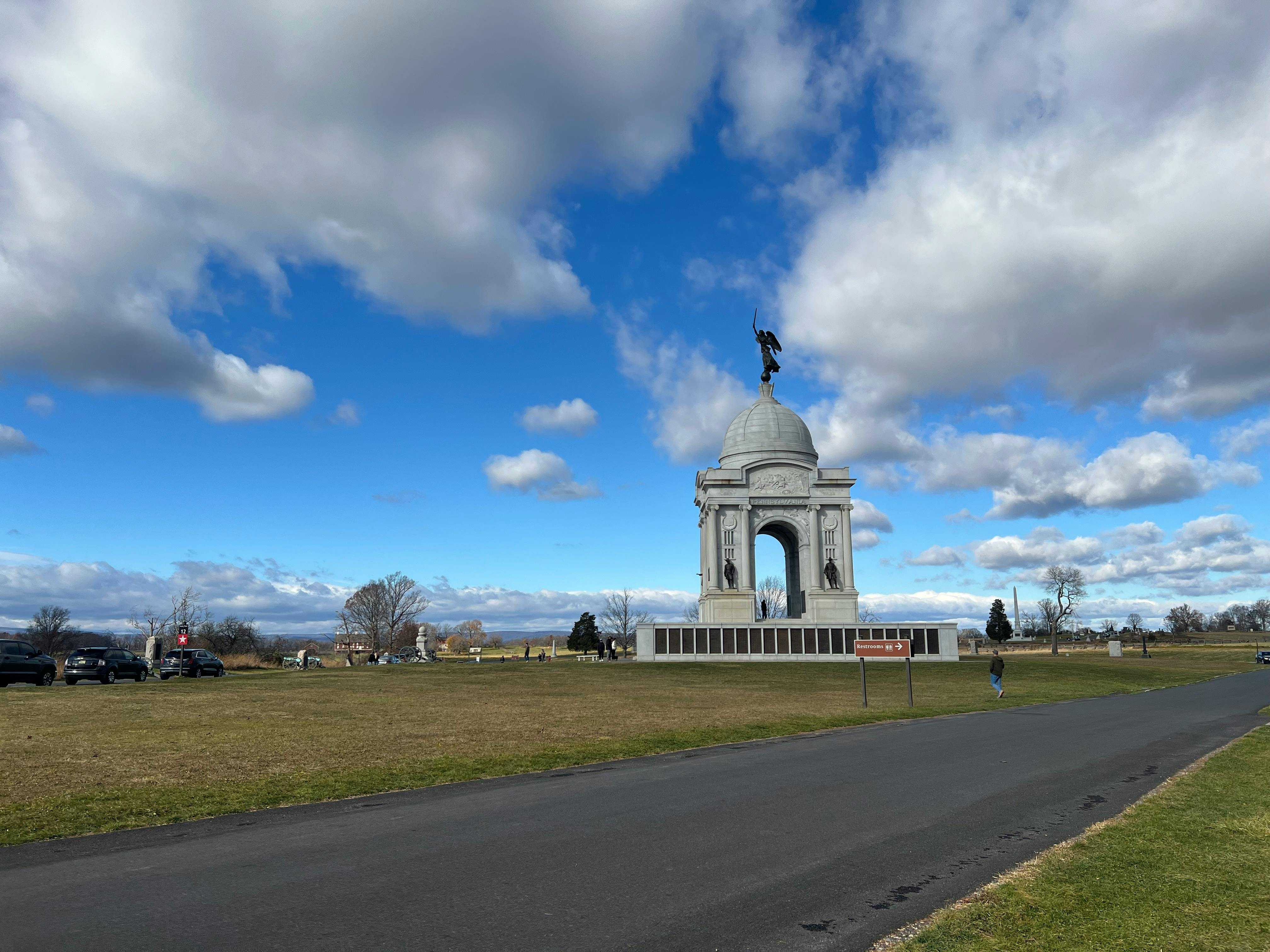
  1. Rich History: Pennsylvania played a significant role in American history, being home to important sites such as Independence Hall in Philadelphia where the Declaration of Independence was signed. History enthusiasts can also visit Gettysburg National Military Park, the site of the famous Civil War battle.

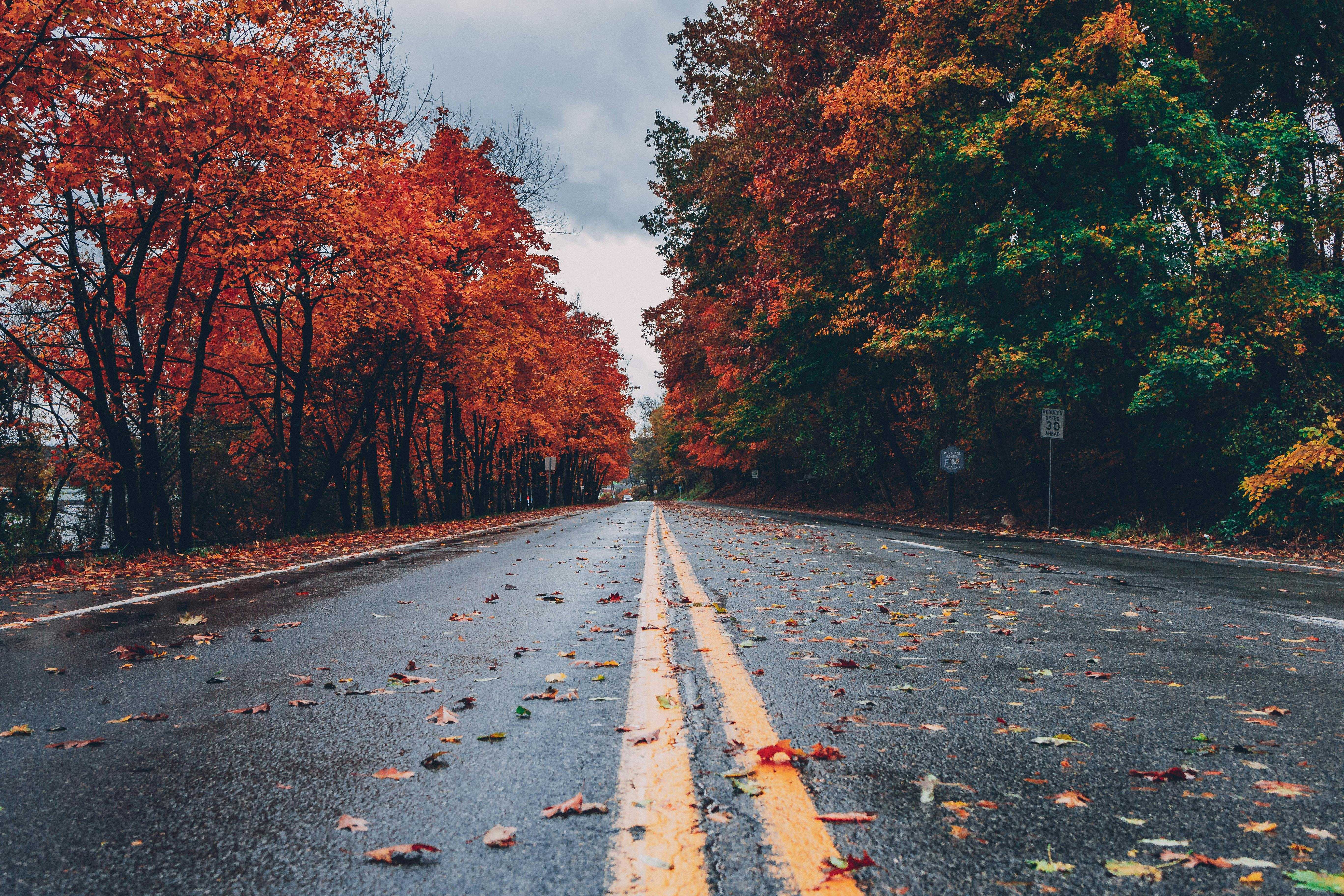
  2. Scenic Beauty: Pennsylvania is known for its picturesque landscapes, including the Pocono Mountains, the Allegheny National Forest, and the Amish countryside of Lancaster County. Outdoor enthusiasts can enjoy activities such as hiking, biking, and fishing in these scenic areas.

  3. Vibrant Cities: Pennsylvania is home to dynamic cities like Philadelphia and Pittsburgh, offering a mix of cultural attractions, dining options, and entertainment venues. Visitors can explore museums, art galleries, and theaters, as well as enjoy a diverse culinary scene.

  4. Amusement Parks: Pennsylvania is home to several popular amusement parks, including Hersheypark, Dorney Park, and Kennywood. Families and thrill-seekers can enjoy a variety of rides, shows, and attractions at these parks.

  5. Culinary Delights: Pennsylvania is known for its diverse culinary scene, with specialties such as Philly cheesesteaks, Pennsylvania Dutch cuisine, and Hershey's chocolate. Food lovers can savor a variety of dishes and flavors during their visit.

  6. Festivals and Events: Pennsylvania hosts numerous festivals and events throughout the year, celebrating everything from music and arts to food and culture. Visitors can immerse themselves in the local community and experience the vibrant spirit of the state.

Overall, traveling to Pennsylvania offers a mix of historical, natural, cultural, and culinary experiences that cater to a wide range of interests and preferences.

What to know

Traveling to Pennsylvania, like any destination, may have some cons depending on individual preferences and circumstances. Here are some potential cons of traveling to Pennsylvania:

  1. Weather: Pennsylvania experiences all four seasons, which means weather conditions can vary greatly throughout the year. Winters can be cold and snowy, while summers can be hot and humid. Travelers should be prepared for different weather patterns depending on the time of year they visit.

  2. Traffic: Major cities in Pennsylvania, such as Philadelphia and Pittsburgh, can have heavy traffic congestion, especially during rush hours. Navigating through urban areas may be challenging for those not accustomed to city driving.

  3. Limited Public Transportation: While major cities in Pennsylvania have public transportation options like buses and trains, rural areas may lack reliable public transportation. Renting a car may be necessary to explore certain parts of the state.

  4. Tourist Crowds: Popular tourist attractions in Pennsylvania, such as Hersheypark or the Liberty Bell in Philadelphia, can attract large crowds, especially during peak travel seasons. Visitors may encounter long lines and crowded spaces at these attractions.

  5. High Cost of Living: Certain areas in Pennsylvania, particularly urban centers like Philadelphia, can have a relatively high cost of living compared to other parts of the state. Travelers should budget accordingly for accommodations, dining, and activities.

  6. Limited Accessibility: Some parts of Pennsylvania, especially rural areas or mountainous regions, may have limited accessibility for individuals with mobility issues. Travelers with specific accessibility needs should research in advance to ensure their chosen destinations are accommodating.

  7. Limited Nightlife: While major cities like Philadelphia and Pittsburgh offer vibrant nightlife scenes, other parts of Pennsylvania may have limited options for evening entertainment. Travelers looking for a lively nightlife experience may need to focus their visit on urban centers.

Please note that these cons are general considerations and may not apply to every traveler. It's essential to conduct thorough research and plan accordingly to make the most of your trip to Pennsylvania.

Pennsylvania, officially known as the Commonwealth of Pennsylvania, is a state rich in history and significant to the development of the United States. Here's a detailed overview of its history, notable events, historical figures, and landmarks:

Early History and Settlement

  • Indigenous Peoples: Before European settlement, the area now known as Pennsylvania was inhabited by various Native American tribes, including the Lenape (Delaware), Susquehannock, and Iroquois.
  • European Exploration: The first Europeans to explore the area were the Dutch and the Swedes in the early 17th century. The Swedes established a settlement near present-day Philadelphia in 1643.

Colonial Era

  • Founding by William Penn: Pennsylvania was founded in 1681 by William Penn, an English Quaker. King Charles II granted Penn the land to repay a debt owed to Penn's father. William Penn established Pennsylvania as a place for religious freedom and tolerance, particularly for Quakers who faced persecution in England.
  • Philadelphia's Role: The city of Philadelphia, founded in 1682, quickly grew to become a major port and cultural center. It was designed by Penn to be a "greene countrie towne" and was one of the largest cities in the American colonies.

Revolutionary War

  • Independence Hall: Philadelphia played a pivotal role during the American Revolution. Independence Hall, originally the Pennsylvania State House, was where the Second Continental Congress met and where the Declaration of Independence was adopted on July 4, 1776.
  • Valley Forge: During the winter of 1777-1778, the Continental Army, led by General George Washington, encamped at Valley Forge. The harsh conditions tested the resilience of the troops, but it was a turning point in the war due to the training and discipline instilled by Baron von Steuben.

Post-Revolutionary Period and 19th Century

  • Constitutional Convention: In 1787, Philadelphia hosted the Constitutional Convention, where the United States Constitution was drafted and signed.
  • Industrialization: The 19th century saw Pennsylvania become an industrial powerhouse. The discovery of coal and iron ore fueled the growth of industries like steel manufacturing, especially in Pittsburgh.
  • The Pennsylvania Railroad: Chartered in 1846, it became one of the largest and most important American railroads, facilitating transportation and commerce across the state and beyond.

Civil War Era

  • Battle of Gettysburg: One of the most significant battles of the Civil War, the Battle of Gettysburg, was fought from July 1 to July 3, 1863. It was a turning point in the war, and President Abraham Lincoln delivered his famous Gettysburg Address there later that year.
  • Underground Railroad: Pennsylvania was a key state in the Underground Railroad, with many routes and safe houses helping enslaved people escape to freedom.

20th Century to Present

  • Labor Movements: Pennsylvania was central to the labor movement in the United States, with significant events such as the Homestead Strike in 1892 and the founding of the United Mine Workers of America in 1890.
  • Cultural Contributions: The state has produced numerous cultural icons and innovations, including the development of the U.S. film industry in Pittsburgh and the Philadelphia Orchestra's contributions to classical music.
  • Modern Economy: Today, Pennsylvania has a diverse economy that includes finance, healthcare, education, and technology, alongside its traditional industries of manufacturing and agriculture.

Notable Historical Figures

  • Benjamin Franklin: One of the Founding Fathers, Franklin was a polymath who contributed to the fields of science, politics, and diplomacy.
  • Thaddeus Stevens: A prominent abolitionist and politician, Stevens played a key role in the passage of important legislation during the Reconstruction era.
  • Andrew Carnegie: An industrialist who led the expansion of the American steel industry, Carnegie was also a major philanthropist.

Important Landmarks

  • Independence National Historical Park: Located in Philadelphia, it includes Independence Hall and the Liberty Bell.
  • Gettysburg National Military Park: Preserves the site of the Civil War battle.
  • Valley Forge National Historical Park: Commemorates the site of the Continental Army's 1777-78 winter encampment.

Pennsylvania's rich history continues to influence its culture and identity, making it a vital part of the American story.