
Penghu
State · Taiwan

Penghu

Penghu, Taiwan

Escape to the Turquoise Paradise of Penghu, Taiwan Escape the ordinary and set sail for Penghu, a breathtaking archipelago of volcanic islands off…

#Island#Beach#Scuba diving#Historic sites#Local cuisine

Explore Penghu

Top cities in Penghu

Pick a city to open its guide.

See it for yourself

Location videos

Reels and longer watches.

Featured for Penghu

Traveller clips picked out for this place.

Good to know

Practical info

Weather, costs and getting around.

Penghu, Taiwan Open in Google Maps
Currency
NT$ | TWD | New Taiwan Dollar
Population
The approximate estimated total population of Penghu, Taiwan, is around '0.1 million'.
Languages
Chinese mainly · Taiwanese Hokkien
Also known as
澎湖, The Pescadores Cays, The Pescadores Islands, Pescadores, The Pescadores Group

Know before you go

Local guide

A deeper read on Penghu.

What people love

Penghu, located in Taiwan, offers a unique and beautiful destination for travelers. Some of the pros of traveling to Penghu include:

  1. Stunning Beaches: Penghu is famous for its pristine white sandy beaches with crystal-clear waters, making it an ideal destination for beach lovers and water sports enthusiasts.

  2. Rich History and Culture: Penghu has a rich history dating back to ancient times, with numerous historical sites, temples, and traditional architecture to explore. Visitors can learn about the local culture and traditions through various cultural activities and events.

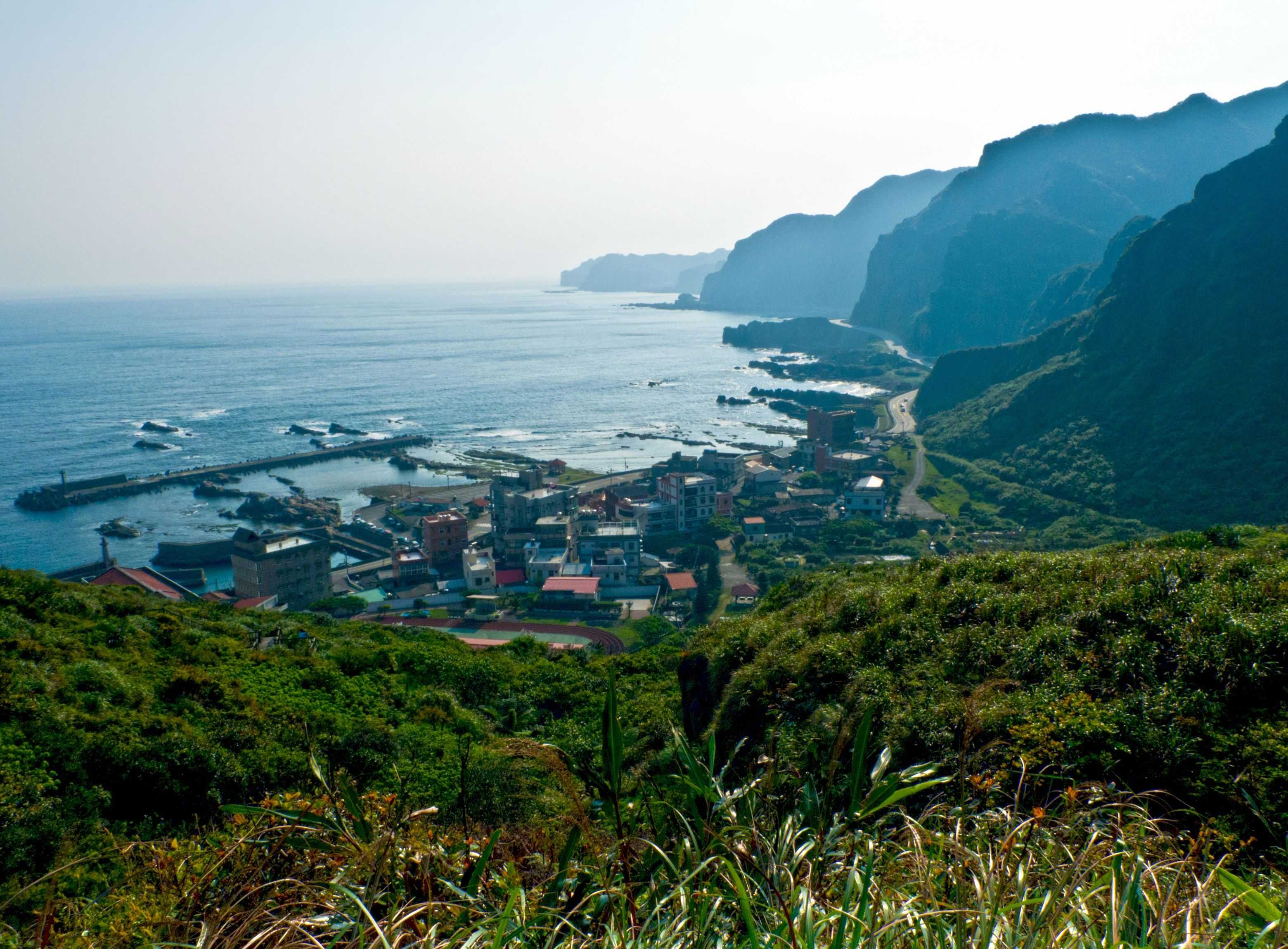
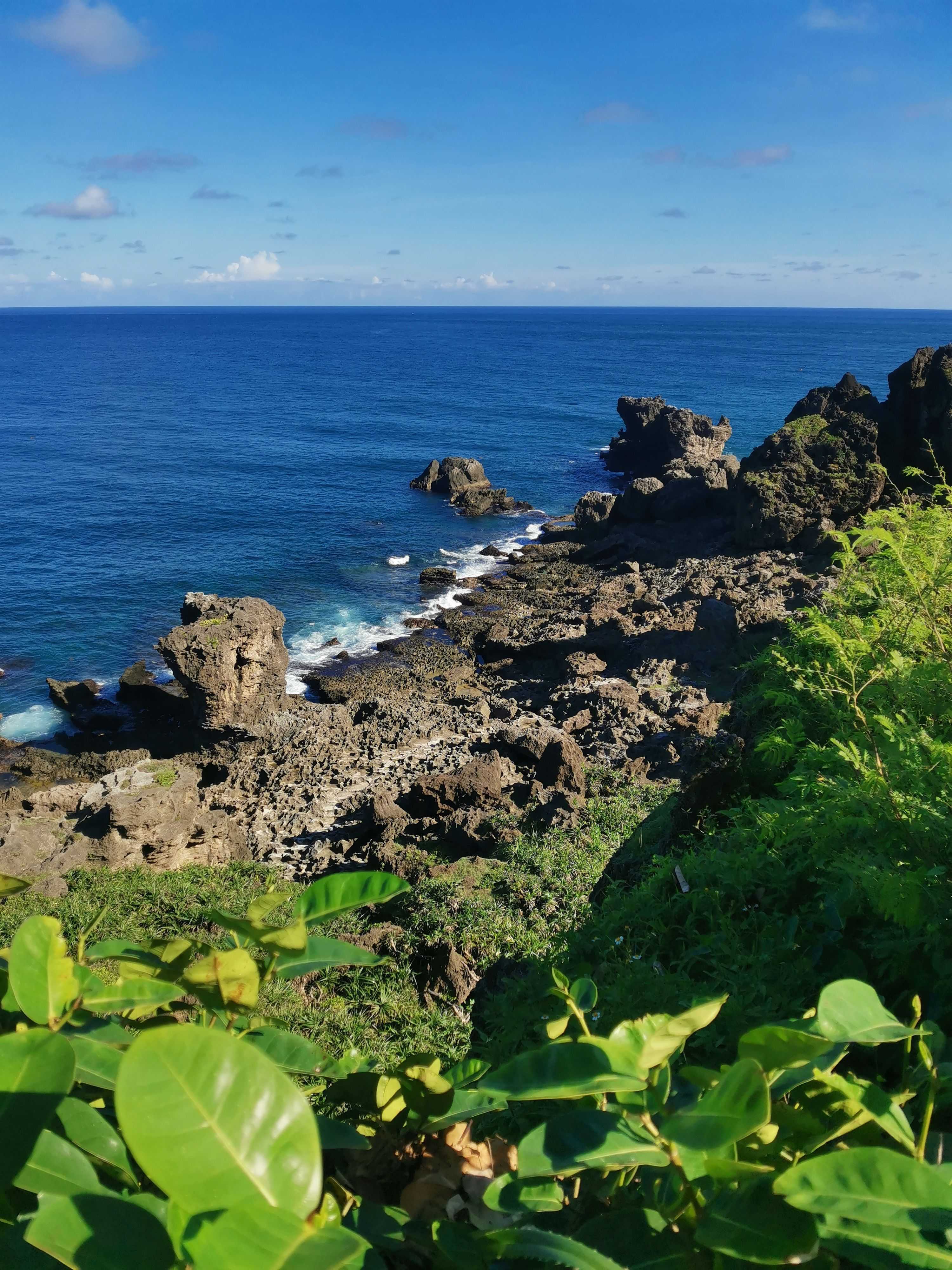
  3. Unique Geographical Features: Penghu is known for its unique geological formations, such as basalt columns, caves, and rock formations, which provide great opportunities for hiking, exploring, and photography.

  4. Delicious Seafood: Penghu is renowned for its fresh and delicious seafood, including fish, crabs, and shellfish. Visitors can enjoy a wide variety of seafood dishes at local restaurants and markets.

  5. Relaxing Atmosphere: Penghu offers a peaceful and relaxing atmosphere away from the hustle and bustle of big cities. Visitors can unwind and rejuvenate while enjoying the natural beauty and tranquil surroundings of the islands.

Overall, traveling to Penghu provides a wonderful opportunity to explore a beautiful destination with stunning beaches, rich history, unique geological features, delicious seafood, and a peaceful atmosphere.

What to know

Some potential cons of traveling to Penghu, Taiwan, could include:

  1. Limited transportation options: Getting to Penghu usually requires taking a domestic flight or ferry from Taiwan proper, which can be costly and time-consuming.

  2. Language barrier: English may not be widely spoken in Penghu, so communication could be challenging for non-Mandarin speakers.

  3. Limited nightlife and entertainment: Penghu is known for its natural beauty and outdoor activities, but it may not offer as many options for those seeking a vibrant nightlife or cultural attractions.

  4. Weather considerations: Penghu is prone to typhoons during certain times of the year, which could disrupt travel plans and activities.

  5. Limited dining options: While Penghu offers fresh seafood and local delicacies, the variety of dining options may be limited compared to larger cities.

It's important to note that these cons may vary depending on individual preferences and circumstances. It's always a good idea to research and plan ahead to ensure a smooth and enjoyable trip to Penghu.

The Penghu archipelago, also known as the Pescadores, is a group of islands located in the Taiwan Strait between Taiwan and mainland China. It has a rich history that reflects its strategic maritime location.

Early History

  • Prehistoric Era: Archaeological evidence suggests that Penghu has been inhabited since the Neolithic period. The islands were originally settled by Austronesian peoples.
  • Chinese Contact: During the Song Dynasty (960–1279), Chinese fishermen began to settle on the islands. The islands were referred to in historic texts as early as the Yuan Dynasty (1271–1368).

Ming and Qing Dynasties

  • Ming Dynasty (1368–1644): The Ming government initially tried to limit settlement on the islands to control piracy. However, the islands became a base for Chinese pirates and a transit point for trade.
  • Qing Dynasty (1644–1912): In 1683, the Qing Dynasty took control of Penghu following the defeat of the Kingdom of Tungning, which was established by Koxinga (Zheng Chenggong). Penghu was then used as a military outpost and administrative district.

Colonial Era

  • French Occupation (1885): During the Sino-French War, the French briefly occupied the islands. The French fleet under Admiral Amédée Courbet captured the archipelago but withdrew after the war.
  • Japanese Rule (1895–1945): Following the First Sino-Japanese War, the Treaty of Shimonoseki ceded Taiwan and the Pescadores to Japan. Penghu became part of Japan’s colonial holdings and underwent significant infrastructure development.

Post-World War II

  • Return to China (1945): After Japan's defeat in World War II, Penghu was returned to the Republic of China (ROC) along with Taiwan.
  • Military Significance: During the Chinese Civil War, Penghu was strategically important for the ROC military, especially during the tensions with the People's Republic of China.

Modern Era

  • Tourism and Development: Since the latter half of the 20th century, Penghu has developed as a tourist destination known for its natural beauty, historical sites, and traditional culture.
  • Cultural Significance: The islands host several cultural festivals and are known for their unique local cuisine and traditions.

Significant Figures

  • Koxinga (Zheng Chenggong): A Ming loyalist who used the islands during his campaigns against the Qing Dynasty.
  • Shi Lang: A Qing admiral who played a significant role in the annexation of Taiwan and Penghu.

Important Landmarks

  • Penghu Tianhou Temple: One of the oldest Mazu temples in Taiwan, built during the Ming Dynasty.
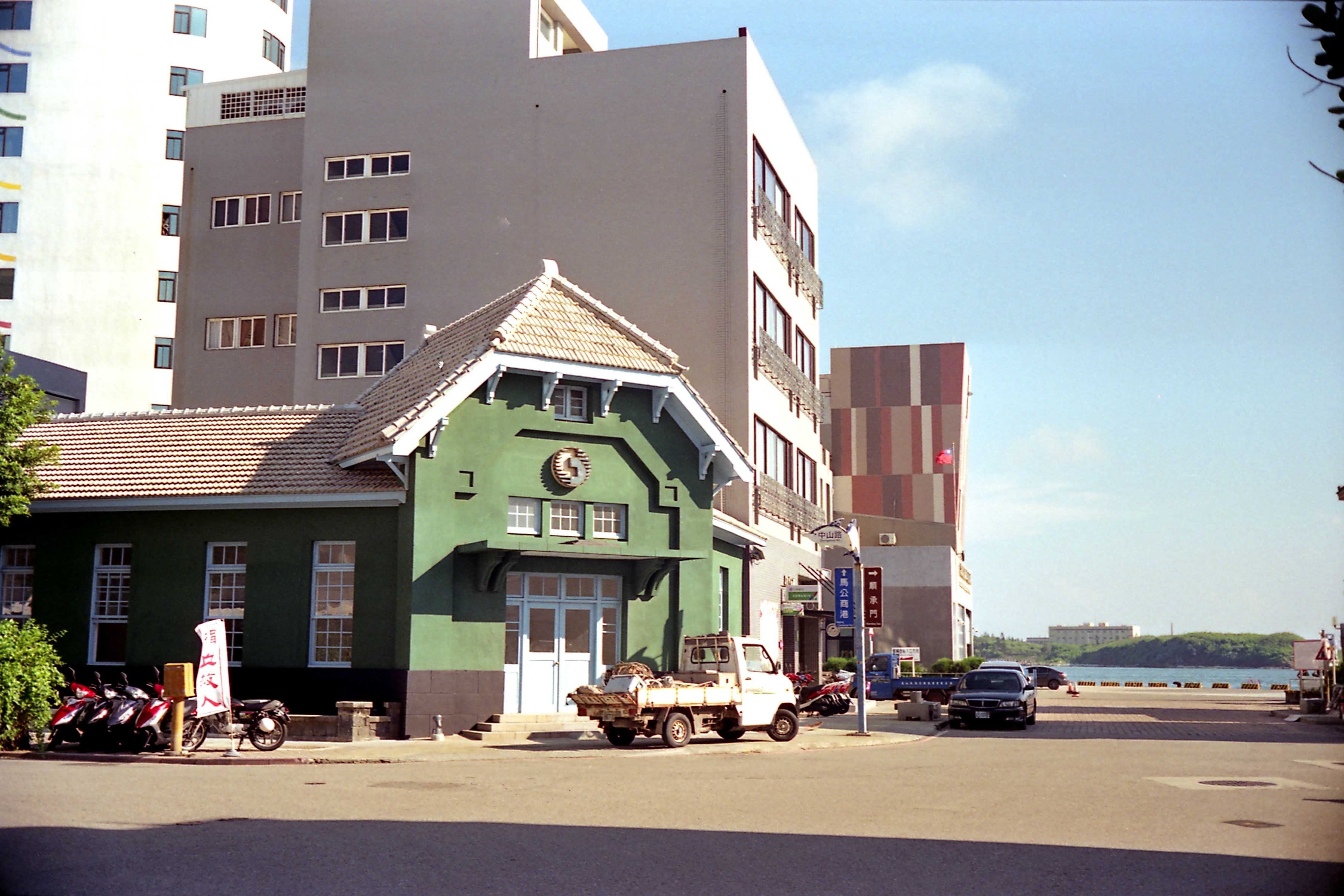
  • Magong City: The largest city in Penghu, known for its historic architecture and temples.
  • Penghu Great Bridge: A significant engineering achievement connecting Baisha Island and Xiyu Island.

Penghu's history is marked by its strategic maritime position, serving as a site of conflict and cultural exchange. Today, it remains an integral part of Taiwan, celebrated for its unique blend of history and natural beauty.